Feeling abdominal pain and chills can really upset your day. These symptoms often show up together. This is true for many viral and bacterial infections in the stomach.nausea, vomiting and diarrheaWhy Do I Have Chest Pain and Abdominal Cramps? Causes and Solutions
At LivHospital, we know how important quick medical help is. Norovirus, a very contagious virus, is a big reason for stomach problems. It spreads fast, usually within 12 to 36 hours after someone gets it.
It’s important to understand why intestinal cramps and chills happen together. In this article, we’ll look at what causes them, their symptoms, and how to treat them.
Key Takeaways
- Intestinal cramps and chills often occur together in gastrointestinal infections.
- Norovirus is a highly contagious cause of these symptoms.
- Timely medical care is key for effective treatment.
- Knowing how these symptoms are connected helps find the right care.
- LivHospital offers full diagnostic and treatment services.
Understanding the Connection Between Digestive Distress and Body Temperature
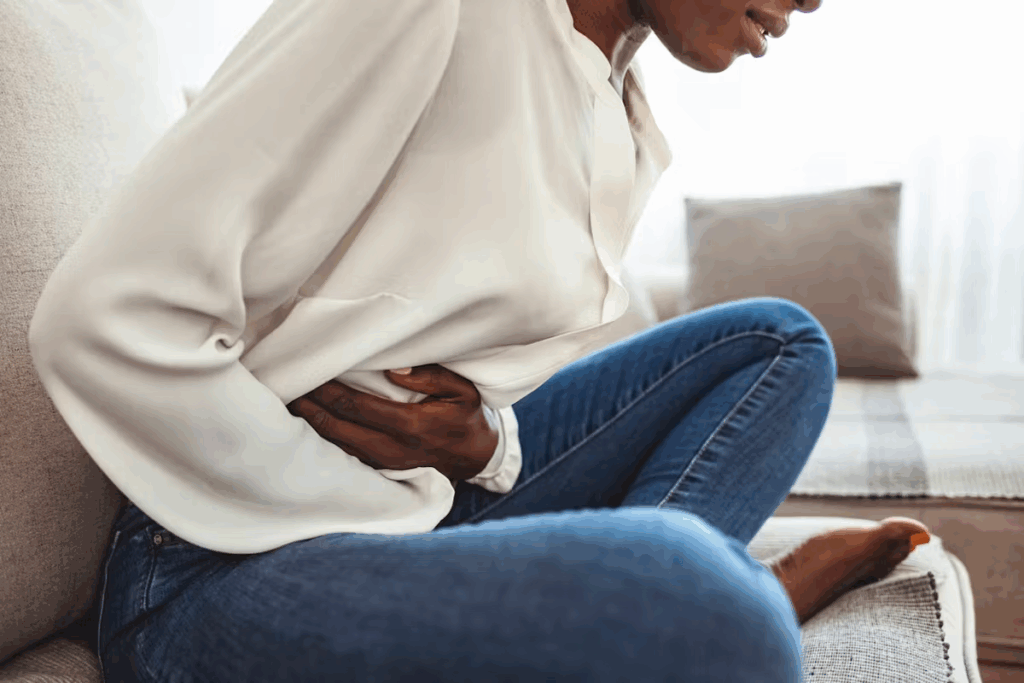
The link between digestive health and body temperature is complex. When the digestive system is stressed, it can affect the body in many ways. This includes how the body regulates its temperature.
How Gastrointestinal Issues Trigger Systemic Responses
Gastrointestinal problems can cause big responses in the body. For example, viral gastroenteritis, or stomach flu, can lead to diarrhea, pain, nausea, and fever. These symptoms can affect more than just the stomach, including body temperature.
When the body finds an infection in the stomach, it fights back. This fight can cause the body to feel feverish and cold. Chemicals released during this fight can make the body feel these ways.
The Immune System’s Role in Producing Chills
The immune system is key in fighting off stomach infections. When it finds an invader, it acts fast. This can make the body feel cold, even without a fever.
The immune system’s fight can mess with how the body controls its temperature. This can make the body feel cold, even if it’s not actually cold.
Symptom | Cause | Effect |
Abdominal Pain | Gastrointestinal Infection | Systemic Response |
Chills | Immune System Activation | Body Temperature Regulation |
Fever | Cytokine Release | Increased Body Temperature |
It’s important to understand how stomach problems affect body temperature. This knowledge helps doctors treat stomach issues better. They can focus on the whole body, not just the stomach symptoms.
Common Causes of Intestinal Cramps and Chills

Intestinal cramps and chills can signal many health issues. It’s important to find the cause to treat it right. Knowing what causes these symptoms helps in managing them better.
Viral Gastroenteritis (Stomach Flu)
Viral gastroenteritis, or stomach flu, often causes cramps and chills. Viruses like norovirus or rotavirus cause inflammation in the stomach and intestines. Symptoms include severe cramps, diarrhea, vomiting, and sometimes fever, leading to chills.
This illness spreads easily through contaminated food, water, or contact with someone who’s sick. Treating symptoms and staying hydrated are key to recovery.
Bacterial Infections and Food Poisoning
Bacterial infections and food poisoning also lead to cramps and chills. Food poisoning happens when you eat food with harmful bacteria, viruses, or parasites. Common causes are Salmonella, E. coli, and Listeria. Symptoms can be mild or severe, including cramps, diarrhea, fever, and chills.
To prevent it, handle food safely. Treatment usually involves managing symptoms and, in some cases, antibiotics.
Inflammatory Bowel Conditions
Inflammatory bowel disease (IBD), like Crohn’s disease and ulcerative colitis, can cause cramps and chills. These chronic conditions cause inflammation in the digestive tract. Symptoms include abdominal pain, diarrhea, and weight loss, sometimes leading to chills.
Managing IBD requires medication, lifestyle changes, and sometimes surgery. It’s vital for those with IBD to work with their healthcare provider to manage symptoms and prevent complications.
Stress-Related Digestive Responses
Stress can affect the digestive system, causing cramps and other symptoms. The body’s ‘fight or flight’ response can divert blood from the digestive system, leading to discomfort.
Reducing stress through relaxation techniques like meditation, deep breathing, or yoga can help. A healthy lifestyle, including a balanced diet and regular exercise, also helps.
Recognizing When Symptoms Require Medical Attention
Intestinal cramps with chills need careful checking to find the cause. Knowing when to see a doctor is key when you have stomach hurts and chills.
Red Flags That Shouldn’t Be Ignored
Some symptoms mean you need to see a doctor right away. These include:
- Severe abdominal pain that doesn’t subside
- Vomiting blood or bloody stools
- High fever above 101.5°F (38.6°C)
- Signs of severe dehydration
- Difficulty breathing or rapid heartbeat
Dehydration Warning Signs
Dehydration is a big problem from diarrhea, vomiting, or fever. Look out for these signs:
- Excessive thirst and dry mouth
- Dark yellow or brown urine
- Dizziness or lightheadedness
- Fatigue or weakness
- Headaches
If you see many of these signs, drink lots of water and see a doctor if they don’t go away.
When Fever Becomes Dangerous
Fever is a sign of infection, but too high or lasting too long is bad. Be worried if:
- Fever exceeds 103°F (39.4°C)
- Fever lasts more than 3 days
- You experience febrile seizures
- Fever is accompanied by other severe symptoms like stiff neck or severe headache
Knowing these danger signs helps you know when to get medical help for abdominal pain fever chills.
Immediate Relief Strategies for Intestinal Cramps and Chills
Stomach cramps and body chills can be really uncomfortable. But, there are ways to make these symptoms better. It’s important to use strategies that help right away.
Heat Therapy Applications for Abdominal Pain
Heat therapy is a simple and effective way to ease abdominal pain. A warm heating pad or a hot water bottle on the abdomen can relax muscles and improve blood flow.
To use heat therapy safely:
- Use a warm, not hot, heating pad or hot water bottle.
- Wrap the heating pad or hot water bottle in a towel to avoid direct contact with the skin.
- Apply heat for 15-20 minutes at a time, with breaks in between to avoid overheating.
Managing Body Temperature During Chill Episodes
Keeping your body temperature right is key during chills. Wear layers and use blankets to stay warm. Drinking warm beverages like tea or broth can also help warm up from the inside.
Gentle Movement and Positioning Techniques
Moving gently and changing positions can help with cramps. Techniques include:
- Changing positions to find a more comfortable spot.
- Engaging in gentle stretching exercises.
- Avoiding strenuous activities that can make cramping worse.
Technique | Description | Benefits |
Gentle Stretching | Slow, gentle stretches to relax abdominal muscles | Relieves tension, reduces cramping |
Position Change | Changing body position to alleviate discomfort | Eases cramping, improves comfort |
Relaxation Methods to Ease Cramping
Relaxation techniques can really help with intestinal cramps and chills. Methods include:
- Deep breathing exercises to calm the nervous system.
- Progressive muscle relaxation to release physical tension.
- Meditation or guided imagery to distract from discomfort.
By using these strategies, you can manage intestinal cramps and chills better. This can make you feel more comfortable and improve your overall well-being.
Hydration and Electrolyte Balance Restoration
Dehydration is a big risk, mainly for kids and the elderly, when they have cold sweats and stomach pain. It’s key to get their hydration and electrolyte balance back to normal. When we feel sick, we lose water and important electrolytes. These are needed for our body to work right.
Optimal Fluids for Rehydration
It’s important to pick the right drinks to rehydrate. We suggest:
- Oral Rehydration Solutions (ORS): These help replace lost fluids, electrolytes, and salts.
- Clear broths: They can replace lost salts and give some calories.
- Electrolyte-rich beverages: Coconut water or sports drinks help get electrolytes back.
Stay away from caffeinated and carbonated drinks. They can make dehydration worse.
Homemade Electrolyte Solutions
At times, making your own electrolyte solutions is a good option. Here’s a simple recipe:
Ingredient | Quantity |
Water | 1 liter |
Salt | 1/2 teaspoon |
Baking soda | 1/4 teaspoon |
Sugar or honey | 2 tablespoons |
Optional: Potassium-rich ingredient (e.g., banana or orange juice) | As needed |
Mix everything well and drink it in small, frequent sips.
Gradual Rehydration Techniques
Rehydrating slowly is important to avoid more discomfort. We recommend:
- Start with small amounts (1-2 teaspoons or 5-10 ml) every 5-10 minutes.
- Slowly increase the amount as you can handle it.
- Watch for signs of getting better, like better urine output and color.
Being patient and not rushing is very important. If someone is very dehydrated or can’t keep fluids down, they should see a doctor.
By focusing on getting fluids and electrolytes back, we can help manage symptoms of intestinal cramps and chills. This supports the body’s recovery.
Dietary Approaches to Soothe the Digestive System
Changing your diet can help ease intestinal cramps and chills. Some foods can make symptoms worse, while others can help. We’ll look at how food choices can ease stomach discomfort.
The BRAT Diet and Beyond
The BRAT diet includes bananas, rice, applesauce, and toast. It’s good for the stomach because these foods are bland and easy to digest.
- Bananas: They’re easy to digest and full of potassium, which is lost when you have diarrhea or vomit.
- Rice: White rice is bland and easy to digest, making it great for stomach cramps.
- Applesauce: It’s easy to digest and can help firm up stool.
- Toast: Plain toast can settle your stomach and is easy to digest.
Other foods can also help. Clear broths and drinks with electrolytes can replace lost salts and fluids.
“The key to managing gastrointestinal symptoms is to listen to your body and adjust your diet. Sometimes, what you eat can be just as important as what you avoid.”
Foods to Avoid During Recovery
Some foods can make symptoms worse. When you’re recovering from intestinal cramps and chills, avoid:
- Dairy Products: If you’re lactose intolerant, dairy can make symptoms worse.
- High-Fiber Foods: These can be hard to digest and irritate the stomach.
- Spicy or Fatty Foods: They can irritate the digestive tract and make symptoms worse.
- Caffeine and Alcohol: Both can irritate the stomach lining and should be avoided during recovery.
Food Category | Recommended Foods | Foods to Avoid |
Fruits | Bananas, Applesauce | Citrus fruits, Berries |
Grains | White Rice, Toast | Whole grains, Oatmeal |
Dairy/Alternatives | Lactose-free products | Dairy products, specially for the lactose intolerant |
Transitioning Back to Normal Eating
As symptoms get better, start eating normally again slowly. Begin with small amounts of new foods and watch how your body reacts. It’s important not to overload your stomach.
Start by adding foods one at a time in small amounts. This helps you see which foods might cause problems again.
Over-the-Counter Medications for Symptom Relief
OTC medications can help with intestinal cramps and chills. They are easy to find and can ease symptoms until you find the cause.
Antispasmodics for Cramping
Antispasmodics help with cramps in the intestines. Dicyclomine and hyoscyamine relax muscles in the digestive tract. Always take the right amount to avoid side effects.
Fever Reducers for Managing Chills
Fever reducers like acetaminophen and ibuprofen help with chills and fever. They lower your body temperature, easing chills and fever. But, follow the dosage to avoid liver damage or stomach problems.
Anti-diarrheal Options and Precautions
Loperamide slows down bowel movements, reducing diarrhea. But, use it carefully. Don’t take it if you have a fever or blood in your stool, as it can make the infection worse.
Proper Timing and Dosage Considerations
Using OTC medications right is key. Always follow the label and talk to a doctor if you’re not sure. Be aware of interactions with other drugs. Keeping a medication log helps track what you’ve taken and when.
Knowing how to use OTC medications can help with intestinal cramps and chills.
Natural and Home Remedies for Intestinal Discomfort
Looking into natural and home remedies can offer new ways to ease intestinal cramps and chills. Many people turn to these methods to help their digestive health.
Anti-Inflammatory Herbal Teas
Herbal teas like peppermint and ginger are known for soothing the stomach. They have anti-inflammatory properties that can ease cramps and reduce swelling.
Peppermint tea relaxes the stomach muscles, which may lessen cramping. Ginger tea, with its anti-inflammatory effects, can also help with nausea and swelling caused by stomach issues.
Probiotics for Gut Health
Probiotics are good bacteria that help the gut. They’re found in foods like yogurt, kefir, and sauerkraut, and in supplements too.
Probiotics keep the gut healthy, which is key for digestion and immune function. Some probiotics may even help with symptoms of IBS and IBD.
Essential Oils and Aromatherapy
Aromatherapy uses plant-based essential oils for health. Oils like lavender and frankincense are thought to have anti-inflammatory and calming effects. They might help with stomach discomfort.
You can apply these oils to your skin (diluted) or inhale them. But, make sure to use high-quality oils and follow safety guidelines to avoid harm.
Gentle Abdominal Massage
Abdominal massage can stimulate digestion and ease cramps. Massaging the belly in a circular motion, around the navel, relaxes the intestines and boosts blood flow.
Do this massage gently and with deep breathing. It can help relax you and lessen discomfort.
Special Considerations for Vulnerable Populations
Children and the elderly face special challenges when they have stomach issues. We need to tailor our approach to help them. This is to avoid serious problems and find the best way to ease their discomfort.
Children and Infants with Digestive Distress
Young ones are very prone to dehydration when they have stomach cramps and chills. It’s important to watch how much they drink. We should also make sure they get the right kind of fluids to stay hydrated.
Key Considerations for Pediatric Care:
- Watch for signs of dehydration
- Give them the right kind of fluids
- Change their diet if needed to help their symptoms
Elderly Patients and Complication Risks
Older adults are more likely to face serious problems from stomach issues. We need to keep a close eye on them. This way, we can adjust their treatment to keep them safe.
Risk Factor | Complication | Preventive Measure |
Dehydration | Electrolyte imbalance | Watch their fluid intake, use rehydration solutions |
Underlying conditions | Worsening of existing conditions | Manage their medications, keep a close eye on their condition |
Pregnancy-Safe Relief Methods
Women who are pregnant and have stomach cramps and chills need safe ways to feel better. We suggest gentle ways to stay hydrated and changes in their diet. These can help without harming the baby.
Gentle Relief Techniques:
- Drink fluids that have electrolytes
- Avoid foods that make symptoms worse
- Try relaxation methods to reduce stress
Chronic Condition Management
People with long-term conditions like inflammatory bowel disease (IBD) need ongoing care. We should work with their healthcare team. This is to adjust their treatment as needed to manage their symptoms.
By understanding the special needs of vulnerable groups, we can offer better care. This is for those dealing with stomach cramps and chills.
Conclusion: Creating a Comprehensive Recovery Plan
Getting better from intestinal cramps and chills needs a plan that covers hydration, diet, and managing symptoms. We’ve shared ways to ease cold chills and stomach pain. Now, it’s time to make a plan that fits you.
Your recovery plan should begin with drinking the right amount of water and making your own electrolyte drinks. Drinking slowly helps your body get back in balance and eases symptoms.
What you eat is also key. The BRAT diet and other easy-to-digest foods can help. But, it’s important to avoid foods that make you feel worse. As you get better, slowly start eating like you normally do.
Managing your symptoms is also vital. This might mean using medicines, natural remedies, or a mix of both. Knowing what works best for you helps you feel better faster.
By following these tips and making a plan that suits you, you can recover well from intestinal cramps and chills.
FAQ:
What are the common causes of intestinal cramps and chills?
Intestinal cramps and chills can come from many sources. These include viral gastroenteritis, bacterial infections, and food poisoning. Inflammatory bowel conditions and stress can also play a role.
How can I relieve intestinal cramps and chills at home?
To ease cramps and chills at home, try heat therapy. Also, manage your body temperature during chills. Gentle movement and relaxation can help too.
Drinking plenty of water and balancing electrolytes is key. This helps keep your body hydrated.
When should I seek medical attention for intestinal cramps and chills?
Seek medical help if you have severe abdominal pain or bloody stools. Also, if you show signs of dehydration or your fever gets too high.
What is the BRAT diet, and how can it help soothe the digestive system?
The BRAT diet includes bananas, rice, applesauce, and toast. These foods are easy to digest and can firm up stool. It’s good for those with digestive issues.
Can I take over-the-counter medications for intestinal cramps and chills?
Yes, you can take antispasmodics for cramps and fever reducers for chills. Anti-diarrheal meds can also help. But, always follow the dosage and timing.
Are there any natural remedies that can help soothe intestinal discomfort?
Yes, herbal teas like peppermint and ginger can help. Probiotics support gut health. Gentle massage of the abdomen is also beneficial.
How can I prevent dehydration when experiencing intestinal cramps and chills?
Stay hydrated with electrolyte-rich drinks. Gradually rehydrate to avoid dehydration. Watch for signs and seek help if needed.
What are the special considerations for vulnerable populations, such as children and elderly patients?
Children and the elderly are at higher risk of dehydration. It’s important to manage their symptoms carefully. Pregnancy-safe methods are also a consideration for expectant mothers.
Can stress cause intestinal cramps and chills?
Yes, stress can lead to digestive issues like cramps and chills. Managing stress can help alleviate symptoms.
How can I create a complete recovery plan for intestinal cramps and chills?
A good plan includes staying hydrated, following a balanced diet, and managing symptoms. Working with healthcare professionals can help tailor a plan for your needs.
What are the symptoms of food poisoning, and how can I prevent it?
Food poisoning symptoms include cramps, diarrhea, and fever. To prevent it, handle food safely, avoid contaminated food, and maintain good hygiene.
Can I experience chills without a fever when having intestinal cramps?
Yes, you can have chills without a fever with intestinal cramps. This is often due to the body’s response to infection or inflammation.
How can I manage body temperature during chill episodes?
To manage body temperature, dress in layers, use blankets, or take warm baths. These methods help regulate your body’s temperature.
References:
National Center for Biotechnology Information. Relief of Intestinal Cramps and Chills from Viral Infections. Retrieved from https://pubmed.ncbi.nlm.nih.gov/11170958/