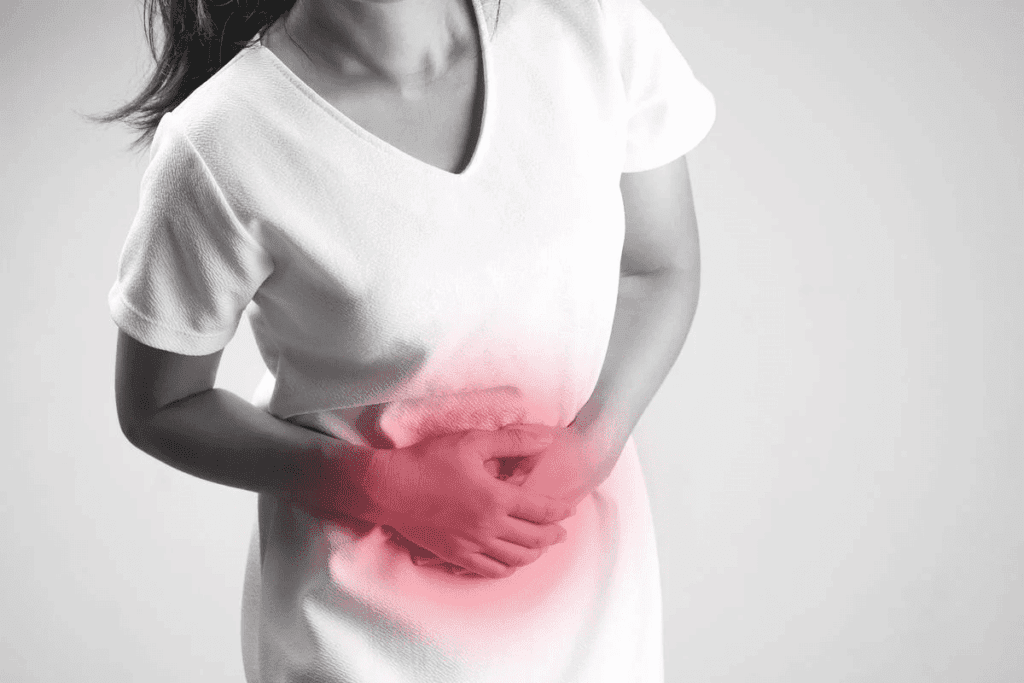
If you wake up with stomach discomfort at night, you’re not alone. Many people deal with nighttime stomach pain, which can mess up their sleep and daily life. Knowing why it happens is the first step to feeling better.
Nighttime abdominal pain is a big problem. At Liv Hospital, we focus on you and find the real cause of your pain. With the right advice and care, you can sleep well again.
Key Takeaways
- Understand the causes of nighttime abdominal pain to find effective relief.
- Identify digestive disorders that may be contributing to your discomfort.
- Explore stress management techniques to alleviate symptoms.
- Discover quick tips for stomach pain relief.
- Learn how to improve sleep quality despite abdominal issues.
Understanding Tummy Cramps at Night and Their Common Causes
Tummy cramps at night are a common issue. They can come from many causes, like digestive disorders. These cramps can disrupt sleep and affect your overall well-being. We will look into the common causes to find solutions.
What Causes Nighttime Abdominal Pain
Nighttime abdominal pain can be caused by many things. Digestive issues are a big reason. Conditions like gastroesophageal reflux disease (GERD) and irritable bowel syndrome (IBS) can cause a lot of discomfort at night.
Digestive Disorders (GERD and Acid Reflux)
GERD and acid reflux happen when stomach acid flows back into the esophagus. This causes irritation and pain. Lying down makes these conditions worse because gravity doesn’t help keep the acid down.
Irritable Bowel Syndrome (IBS)
IBS is a chronic condition that affects the large intestine. It causes symptoms like abdominal pain, bloating, and changes in bowel movements. Stress and certain foods can make IBS symptoms worse at night.
Why Pain Often Worsens When Lying Down
Lying down can put more pressure on the stomach and intestines. This can make conditions like GERD and IBS worse. The horizontal position also lets stomach acid flow more easily into the esophagus, causing heartburn and discomfort.
How Diet and Lifestyle Affect Nighttime Stomach Discomfort
Diet and lifestyle greatly affect nighttime stomach discomfort. What we eat and how we live can make symptoms better or worse. This includes foods and lifestyle choices.
Impact of Large Meals Before Bedtime
Eating big meals before bed can make stomach pain worse. Heavy meals put extra pressure on the stomach. This can lead to acid reflux and indigestion.
Big meals before bed also slow digestion. This can cause discomfort and pain that keeps you awake. It’s best to eat 2-3 hours before bed for better digestion.
High-Fat and Spicy Foods
High-fat and spicy foods can trigger stomach discomfort. Fatty foods slow down digestion. Spicy foods irritate the stomach lining, causing heartburn and discomfort.
“Certain foods, like those high in fat and spice, can irritate the stomach and cause discomfort, mainly when lying down.”
Food Intolerances and Sensitivities
Food intolerances and sensitivities also affect nighttime stomach discomfort. Common culprits include lactose intolerance, gluten sensitivity, and other food intolerances. These can cause bloating, gas, and abdominal pain.
| Food Intolerance | Common Symptoms |
|---|---|
| Lactose Intolerance | Bloating, gas, diarrhea |
| Gluten Sensitivity | Abdominal pain, bloating, fatigue |
| Fructose Malabsorption | Bloating, gas, abdominal pain |
The Connection Between Stress and Abdominal Pain
Stress also plays a big role in nighttime stomach discomfort. High stress levels can affect digestion and make abdominal pain worse.
Managing stress can help. Techniques like meditation, deep breathing, or yoga can reduce stomach discomfort. Adding these to your daily routine may help lessen nighttime stomach pain.
Identifying Different Types of Tummy Cramps at Night
Understanding nighttime tummy cramps is key to feeling better. We’ll help you know the different types of cramps. This will help you figure out what might be causing them.
Upper Stomach Pain (Possible Causes)
Upper stomach pain is usually felt in the upper part of your belly. It can be from gallstones, inflammation of the pancreas, or gastritis. The pain might feel like a dull ache or a sharp stab.
Common causes include:
- Gallstones or gallbladder disease
- Pancreatitis or pancreatic disorders
- Gastritis or gastric ulcers
Lower Abdominal Cramps (Possible Causes)
Lower abdominal cramps are linked to the lower part of your digestive system. They can be from gas, constipation, or menstrual cramps in women. The pain can feel crampy or colicky.
Possible causes include:
- Gas and bloating
- Constipation or bowel obstruction
- Menstrual cramps or dysmenorrhea
Pain When Lying on Different Sides
The way you lie down can affect your abdominal pain. Lying on your side can put pressure on different parts of your belly. This might make the pain better or worse.
Consider the following:
- Lying on the right side may worsen pain associated with gallbladder issues
- Lying on the left side can sometimes relieve or worsen pain related to digestive issues
Gas and Bloating Symptoms
Gas and bloating often come with tummy cramps. These can be from swallowing air, eating certain foods, or a digestive disorder.
Key factors contributing to gas and bloating include:
| Factor | Description |
|---|---|
| Diet | Consuming foods high in fiber, beans, or cabbage can lead to gas |
| Digestive Health | Conditions like IBS can affect how gas is processed in the digestive system |
| Eating Habits | Swallowing air while eating or drinking can contribute to bloating |
Quick Tip 1: Adjust Your Sleeping Position
Changing how you sleep can really help with nighttime tummy pain. The way you sleep can make cramps better or worse. So, finding a comfy and supportive position is key.
Benefits of Sleeping on Your Left Side
Sleeping on your left side can ease digestive problems. It helps with acid reflux and digestion. This is because your stomach sits below your esophagus, lessening acid flow back up.
Using Pillows for Support
Pillows can add extra support and comfort. A pillow between your knees keeps your hips aligned, easing lower back strain. You can also use a pillow under your knees to ease spine pressure.
Positions to Avoid
Some sleeping positions can make tummy cramps worse. Sleeping on your back can curve your spine, putting stomach pressure. Sleeping on your right side also puts stomach pressure to the worse. Avoid stomach sleeping as it strains your neck and back.
Gradual Position Changes for Pain Relief
Changing your sleep position suddenly can be tough. Start with small changes. Adjust your pillows or use a body pillow for support. Your body will get used to the new position, possibly easing cramps.
By trying these tips, you might see less tummy cramps at night. It’s about finding what’s best for your body and making small changes.
Quick Tip 2: Apply Heat Therapy for Immediate Relief
Heat therapy is a quick fix for nighttime belly pain. It relaxes muscles and cuts down on cramping. This makes it a great tool for feeling better.
How Heat Relieves Muscle Cramps
Heat therapy boosts blood flow to sore spots. This relaxes muscles and eases pain. Here’s how it works:
- It relaxes the abdominal muscles, making cramps less severe.
- It increases blood flow, helping with healing and relaxation.
- It cuts down on pain by blocking pain signals to the brain.
Doctors say heat therapy is a simple, non-invasive way to manage pain.
“Applying heat to the abdomen can significantly reduce the severity of cramps and associated pain.”
Using Heating Pads and Hot Water Bottles
Heating pads and hot water bottles are common heat therapy tools. They’re both effective but differ in use:
| Method | Benefits | Precautions |
|---|---|---|
| Heating Pads | Easy to use, adjustable heat settings | Avoid falling asleep with it on, keep a cloth between the pad and skin |
| Hot Water Bottles | Portable, no electricity needed, can be used in various positions | Check for leaks, wrap in a towel to avoid burns |
Warm Baths Before Bed
A warm bath before bed can relax muscles and prepare you for sleep. The warm water:
- Relaxes the entire body, including abdominal muscles.
- Improves circulation, which can help reduce cramping.
- Creates a calming pre-sleep routine, improving sleep quality.
Tip: Add calming essential oils like chamomile or lavender to your bath for extra relaxation.
Precautions When Using Heat Therapy
Heat therapy is generally safe, but there are precautions:
- Always wrap heating pads or hot water bottles in a cloth to avoid direct contact with the skin.
- Never fall asleep with a heating pad on, as it can cause burns.
- Be cautious if you have diabetes or circulatory issues, as you may have reduced sensitivity to heat.
By following these guidelines, you can safely use heat therapy to relieve tummy cramps at night. This improves your comfort and sleep quality.
Quick Tip 3: Try Gentle Massage and Pressure Point Techniques
Using gentle massage and pressure points can help with nighttime tummy cramps. Try these methods before bed to ease stomach pain.
Self-Massage Methods for Abdominal Pain
Self-massage can relax your stomach muscles and aid digestion. Lie on your back with knees bent. Use your fingertips to massage your belly in circles, starting from the middle.
Tips for Effective Self-Massage:
- Use gentle, light pressure to avoid causing further discomfort.
- Focus on the areas where you feel the most tension.
- Breathe deeply and slowly to enhance relaxation.
Pressure Points for Digestive Relief
Some body points can help with digestion. Applying gentle pressure to these spots can ease stomach pain.
| Pressure Point | Location | Benefit |
|---|---|---|
| CV6 (Conception Vessel 6) | About 1.5 inches below the belly button | Relieves abdominal pain and improves digestion |
| LI4 (Large Intestine 4) | On the web between the thumb and index finger | Helps relieve digestive issues and abdominal pain |
Circular Motions for Gas Relief
Circular motions during massage can help with gas and bloating. Massaging your belly in a clockwise direction can aid in gas movement.
When to Avoid Massage
Massage is good, but not always. Avoid it if you have a severe stomach injury, recent surgery, or a medical issue like appendicitis. Always check with a doctor first.
Adding gentle massage and pressure points to your routine can help with nighttime tummy cramps. It can also improve your digestion.
Quick Tip 4: Hydration and Dietary Adjustments
Managing tummy cramps at night is simple. We just need to focus on what we drink and eat. Making these changes can greatly reduce stomach discomfort at night.
Importance of Proper Hydration
Drinking enough water is key for a healthy stomach. Water helps our body use nutrients better. It also helps prevent constipation by making stool softer.
Try to drink at least eight glasses of water a day. This keeps your digestive system working well.
Not drinking enough water can make digestive problems worse. It can irritate the stomach lining and cause cramps. So, it’s important to drink enough water, even before bed.
Foods to Avoid Before Bedtime
Some foods can make tummy cramps worse when eaten close to bedtime. It’s best to avoid:
- High-fat foods that slow digestion and put pressure on the stomach.
- Spicy foods that irritate the stomach and cause heartburn.
- Caffeine and carbonated drinks that can cause bloating and discomfort.
- Dairy products if you’re lactose intolerant, as they can cause gas and cramping.
Stomach-Friendly Evening Snacks
Choosing the right snacks in the evening can help prevent tummy cramps. Consider:
- Bananas, which are easy to digest and full of potassium.
- Ginger, which soothes the stomach with its anti-inflammatory properties.
- Oatmeal, a gentle, fiber-rich food that helps digestion.
These snacks can keep your digestive system comfortable without stressing your stomach.
Meal Timing for Better Digestion
When we eat can affect how our stomach digests food. Eating a big meal close to bedtime can be uncomfortable and cause cramps.
| Meal Timing | Benefits |
|---|---|
| Eating dinner early (at least 2-3 hours before bed) | Allows for proper digestion before lying down, reducing the risk of cramps. |
| Avoiding heavy snacks before bedtime | Prevents putting extra pressure on the stomach during the night. |
| Having a light, balanced snack if needed before bed | Can help maintain stable blood sugar levels without causing discomfort. |
By changing how we drink and what we eat, we can greatly reduce tummy cramps at night.
Quick Tip 5: Natural Remedies and Herbal Teas
Herbal teas and natural remedies can ease stomach pain at night. They offer relief without medication. This makes them great for those looking for natural ways to handle tummy cramps.
Peppermint Tea Benefits
Peppermint tea is known for its digestive benefits. The menthol in it relaxes stomach muscles, easing cramps. It also helps with IBS symptoms.
Ginger for Digestive Comfort
Ginger has anti-inflammatory properties that soothe the digestive tract. Drinking ginger tea before bed can lessen nausea and pain. Its warmth relaxes muscles and aids digestion.
Chamomile and Other Calming Herbs
Chamomile tea helps with tummy cramps. It calms the stomach and reduces stress-related pain. Lemon balm and licorice root teas also offer digestive comfort.
Essential Oils for Abdominal Discomfort
Essential oils like peppermint, ginger, and lavender can ease cramps. Use them topically or inhale them. Always dilute with a carrier oil to avoid skin issues. A warm compress with these oils is very soothing.
| Herbal Remedy | Benefits | Usage |
|---|---|---|
| Peppermint Tea | Relaxes stomach muscles, alleviates IBS symptoms | Drink before bed |
| Ginger Tea | Reduces nausea, alleviates abdominal pain | Consume 1-2 cups before bed |
| Chamomile Tea | Calms the digestive system, reduces stress | Drink as needed, specially before bed |
| Peppermint Oil | Relieves muscle cramps, improves digestion | Topical use with carrier oil |
| Lavender Oil | Soothes abdominal discomfort, promotes relaxation | Inhale or topical use |
Quick Tip 6: Relaxation Techniques for Stress-Related Cramps
Adding relaxation techniques to your bedtime routine can help with stress-related tummy cramps. Stress often makes digestive issues worse. Relaxation techniques are a great way to manage stress.
Deep Breathing Exercises
Deep breathing is a simple yet effective way to calm down before sleep. It helps reduce stress and promotes relaxation. To do deep breathing, sit comfortably, inhale slowly through your nose, hold, and then exhale slowly through your mouth.
Progressive Muscle Relaxation
Progressive muscle relaxation involves tensing and relaxing muscles to release tension. Start with your toes and move up to your head, holding each muscle for a few seconds before releasing. This can help you relax and sleep better.
Meditation for Digestive Health
Meditation can improve digestive health by reducing stress and promoting relaxation. Even a short daily meditation can help with irritable bowel syndrome (IBS) and other digestive issues. Start by finding a quiet space, sitting comfortably, and focusing on your breath or a calming mantra.
Creating a Calming Bedtime Routine
Creating a calming bedtime routine signals to your body that it’s time to sleep. This can include reading, taking a warm bath, or enjoying herbal tea. A consistent relaxing routine can improve your sleep quality and reduce stress-related cramps.
Quick Tip 7: Over-the-Counter Solutions and When to Seek Medical Help
Knowing when to use over-the-counter (OTC) solutions and when to see a doctor is key. OTC meds can quickly ease symptoms, but use them right.
Antacids for Acid-Related Discomfort
Antacids help with heartburn and indigestion. They neutralize stomach acid for fast relief. Popular antacid ingredients include calcium carbonate, magnesium hydroxide, and aluminum hydroxide. But, always stick to the recommended dose to avoid side effects like constipation or diarrhea.
Gas Relief Medications
Gas relief meds, like simethicone, ease bloating and gas. They break up gas bubbles in your stomach and intestines. Make sure to read labels and follow instructions for safe use.
Pain Relievers: When to Use Them
OTC pain relievers like acetaminophen or ibuprofen can ease abdominal pain. But, use them wisely because they can have side effects. For example, ibuprofen can irritate your stomach, making cramps worse in some people.
Warning Signs That Require Immediate Attention
While OTC meds can help, some symptoms need immediate medical care. Warning signs include severe abdominal pain, vomiting blood, black tarry stools, fever above 101.5°F (38.6°C), and signs of dehydration. If you see any of these, get medical help right away.
In summary, OTC solutions can help with nighttime tummy cramps, but knowing their limits is important. By understanding when to use them and knowing when to seek medical help, you can manage your symptoms better and improve your life quality.
Conclusion: Creating a Comprehensive Plan to Prevent Nighttime Stomach Pain
By following the 7 quick tips in this article, you can make a plan to stop nighttime tummy cramps. It’s best to take a whole-body approach. This means changing what you eat, relaxing, and using other methods to help your digestion.
To stop stomach pain at night, you need a detailed plan. Simple changes like how you sleep, using heat, and gentle massage can help. Drinking enough water, eating right, and relaxing also play big roles in avoiding cramps at night.
We suggest trying out these tips and making a plan that fits you. This way, you can have better sleep and feel better overall. A good plan is essential for lasting relief and a better life.
FAQ
What causes abdominal pain while lying down?
Abdominal pain while lying down can come from many sources. This includes digestive issues like GERD and IBS. It can also be caused by eating big meals before bed or feeling stressed.
Why do I experience stomach cramps in the middle of the night?
Stomach cramps at night might be due to food intolerances or eating high-fat or spicy foods. Stress can also play a role. Knowing the cause is key to feeling better.
How can I relieve pain in my stomach when lying on my side?
To ease stomach pain when lying on your side, try changing how you sleep. Use pillows for support. Also, avoid certain positions that might make it worse.
Why do I experience sore stomach at night only?
Sore stomach at night could be linked to when you eat, what you eat, and stress. Figuring out these factors can help ease your symptoms.
What can cause upper stomach pain at night?
Upper stomach pain at night might be from GERD, acid reflux, or eating big meals before bed.
How can I manage abdominal pain at night?
To manage abdominal pain at night, make some changes in your diet and try relaxation techniques. Heat therapy and gentle massage can also help.
Why does my stomach ache when I lay on my left side?
Sleeping on your left side might help some digestive issues. But, it can also put pressure on your stomach. This might cause discomfort for some people.
Can dietary choices affect abdominal cramps at night?
Yes, what you eat can affect nighttime abdominal cramps. Avoiding certain foods, eating smaller meals, and drinking plenty of water can help.
How can I prevent stomach hurts when sleeping?
To prevent stomach hurts when sleeping, focus on a few areas. Make dietary changes, manage stress, and use relaxation techniques.
When should I seek medical help for nighttime stomach pain?
If you have persistent or severe stomach pain at night, get medical help. Look out for signs like trouble swallowing, vomiting blood, or severe stomach tenderness.
References:
National Center for Biotechnology Information. Relieving Nighttime Tummy Cramps: Seven Quick Tips. Retrieved from https://www.ncbi.nlm.nih.gov/pmc/articles/PMC5397824/