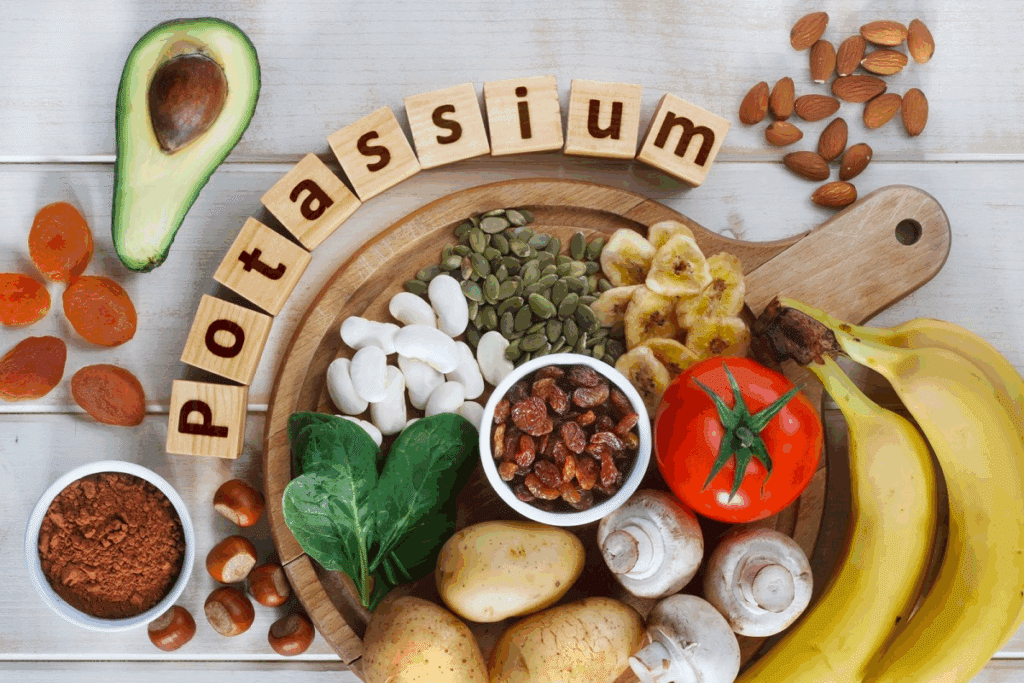
Our kidneys are key in filtering waste and keeping electrolyte levels balanced. They process about 200 quarts of fluid every day. Recent studies show that what we eat is critical for keeping our kidneys healthy and preventing disease. Get 15 ‘kidney health superfoods.’ Our simple guide lists the best, most powerful, and amazing foods to boost your kidney function.
Choosing the right foods can greatly help our kidneys. Foods like fatty fish, berries, and leafy greens are good for our kidneys. They help slow down damage and keep our kidneys working well. Let’s look at 15 foods that can boost kidney health and overall well-being.
Key Takeaways
- Eating anti-inflammatory foods can help our kidneys function better.
- Some superfoods can slow down kidney damage and improve health.
- Getting the right nutrition is key to keeping kidneys healthy and preventing disease.
- A balanced diet can protect and strengthen our kidneys.
- Liv Hospital focuses on diet’s role in kidney health, putting patients first.
The Vital Role of Diet in Kidney Health and Disease Prevention

The food we eat greatly affects our kidneys. A diet full of good nutrients and low in bad stuff helps keep kidneys healthy. But, a bad diet can make kidney problems worse.
Studies show that what we eat is key to keeping our kidneys healthy. The National Kidney Foundation says some nutrients can lower kidney disease risk.
2024-2025 Research Findings on Diet and Kidney Function
New research shows diet’s big role in keeping kidneys working well. Omega-3 fatty acids in fatty fish can fight inflammation and slow kidney disease. Also, eating less sodium and more fruits and veggies helps control blood pressure, which is good for kidneys.
We’re learning more about how certain foods affect our kidneys. Foods packed with antioxidants, like berries and leafy greens, can lower oxidative stress. This is good for our kidneys.
How Dietary Choices Impact Kidney Disease Risk
What we eat can greatly affect our risk of kidney disease. Foods high in salt, sugar, and unhealthy fats raise this risk. But, eating more whole foods like veggies, fruits, and grains can lower it.
Some foods are better for our kidneys than others. These are low in phosphorus, potassium, and sodium but high in good nutrients. Adding these to our diet can support kidney function and overall health.
Making smart food choices can help keep our kidneys healthy and lower disease risk. It’s important to talk to health experts to create a diet plan that’s right for our kidneys.
What Makes Kidney Health Superfoods So Effective

Kidney health superfoods are packed with nutrients and anti-inflammatory properties. They support kidney function and protect against damage. This makes them very effective.
Key Nutrients That Support Renal Function
These superfoods have nutrients that are key for healthy kidneys. They include:
- Antioxidants: They reduce stress and inflammation in the kidneys.
- Omega-3 fatty acids: They support heart health and reduce inflammation.
- Fiber: It helps manage blood sugar and lowers kidney disease risk.
- Vitamins and minerals: They are essential for overall health and kidney function.
Blueberries are full of antioxidants like anthocyanins. These fight oxidative stress that can harm kidney cells. Eating such foods can greatly help kidney health.
Nutrient | Benefit to Kidney Health | Food Sources |
Antioxidants | Reduce oxidative stress | Blueberries, Strawberries, Cranberries |
Omega-3 fatty acids | Reduce inflammation | Salmon, Mackerel, Sardines |
Fiber | Manage blood sugar levels | Lentils, Chickpeas, Apples |
Anti-Inflammatory Properties and Kidney Protection
Many kidney health superfoods have anti-inflammatory properties. These help protect the kidneys from damage. Chronic inflammation is a risk factor for kidney disease, and these foods can fight it.
Turmeric and ginger are examples. They have strong anti-inflammatory effects. Adding them to your diet can help reduce inflammation and support kidney health.
By adding these superfoods to our diets, we can support our kidneys. This can help reduce the risk of kidney disease.
Omega-3 Rich Fish: Anti-Inflammatory Champions
Fatty fish, rich in omega-3 fatty acids, are great for your kidneys. They taste good and are full of nutrients. Adding them to your meals can help keep your kidneys healthy.
Salmon: The Ultimate Kidney-Friendly Protein Source
Salmon is a top pick for kidney health. It’s full of omega-3s, which fight inflammation and boost heart health. “Salmon is a powerhouse of nutrition, providing high-quality protein while being gentle on the kidneys,” says a renal nutrition expert. Choose wild-caught salmon for the best nutrition.
Omega-3s in salmon help reduce inflammation and support kidney function. This makes salmon a best food for your kidney health. Eating it regularly can lower the risk of kidney disease and improve overall health.
Mackerel and Sardines: Small Fish with Big Kidney Benefits
Mackerel and sardines are foods easy on kidneys with lots of omega-3s. They’re affordable and good for the planet. These small fish offer a big boost to your omega-3 intake, helping your kidneys.
It’s easy to add mackerel and sardines to your meals. Try them in salads, pasta dishes, or on whole-grain crackers. They’re part of a healthy diet, improving kidney function and overall health. They’re among the best food and drink for kidneys.
Eating omega-3 rich fish like salmon, mackerel, and sardines helps your kidneys. These fish are not only foods to improve kidney function but also make your diet balanced and nutritious.
Plant-Based Protein Powerhouses for Kidney Support
Plant-based proteins are great for kidney health. Tofu and tempeh are two top choices. They’re not just good for cooking, but also for your kidneys.
Tofu: Low-Phosphorus Protein Alternative
Tofu is a great protein choice for kidney health. It has low phosphorus. High phosphorus is hard for kidneys to handle and can cause problems.
Tofu lets you eat protein without stressing your kidneys too much.
Here’s a comparison of the phosphorus content in common protein sources:
Protein Source | Phosphorus Content (mg per 3 oz serving) |
Chicken Breast | 200-250 |
Salmon | 250-300 |
Tofu | 100-150 |
Tempeh | 150-200 |
Tempeh: Fermented Soy with Kidney-Protective Properties
Tempeh is a fermented soybean product. It’s a good protein source and has probiotics for gut health. A healthy gut is linked to better kidney health.
The fermentation process makes tempeh’s nutrients easier for your body to use. This could help protect your kidneys.
Both tofu and tempeh are easy to add to many dishes. They help you eat well while supporting your kidneys.
Eggs and Lean Poultry: Quality Protein with Lower Renal Burden
Protein is key for good health, and some sources are better for the kidneys than others. It’s important to pick proteins that give you what you need without stressing your kidneys too much. Eggs and lean poultry are great choices because they balance well.
Eggs: Complete Protein with Manageable Phosphorus Levels
Eggs have all nine amino acids your body can’t make. For people with kidney problems, it’s important to watch phosphorus intake. Egg whites are a top choice because they have lots of protein but less phosphorus than whole eggs or other proteins.
- Egg whites help you get more protein without too much phosphorus.
- They’re easy to add to many dishes.
- Eggs have all the amino acids you need for health.
Skinless Chicken: Lean Protein for Kidney Health
Skinless chicken is good for the kidneys because it’s lean. Without the skin, it has less fat. Skinless chicken is packed with protein but has less phosphorus, making it great for kidney health.
- Skinless chicken has less fat and phosphorus.
- It’s full of nutrients without harming the kidneys.
- Eating skinless chicken helps keep your health and kidneys in check.
In summary, eggs and lean poultry like skinless chicken are good for a kidney-friendly diet. They offer quality protein that’s good for you without hurting your kidneys. Adding these foods to your diet can help keep your kidneys and overall health in top shape.
Beans and Legumes: Fiber-Rich Kidney Allies
Beans and legumes are great for kidney health because they are full of fiber. They also have lots of nutrients that help keep your kidneys healthy. Adding these foods to your meals is a simple way to help your kidneys.
Beans and legumes are full of nutrients good for your kidneys. They have a lot of fiber, which helps lower cholesterol and improves heart health. This is important for keeping your kidneys working well.
Lentils: Iron and Magnesium for Kidney Function
Lentils stand out because they have a lot of iron and magnesium. Iron is key for healthy red blood cells. Magnesium helps control blood pressure and supports kidney health. You can easily add lentils to soups, stews, or salads.
Lentils are also high in protein and fiber. They are great for those wanting to eat better for their kidneys. Their nutrients help with heart health, which is linked to kidney function.
Chickpeas: Balanced Mineral Content for Renal Support
Chickpeas are also good for kidney health. They have a mix of minerals like potassium, phosphorus, and magnesium. Moderation is key for those with kidney disease, as they need to watch their mineral intake.
Chickpeas are easy to add to many dishes, like salads, stews, or roasted as a snack. They are nutritious and versatile, making them a good choice for a kidney-friendly diet.
Adding beans and legumes like lentils and chickpeas to your meals can help your kidney health. These foods are not only good for you but also easy to include in your diet. They help you eat well for your kidneys.
15 Kidney Health Superfoods That Fight Inflammation
Some superfoods are great for kidney health because they fight inflammation well. These foods not only lower inflammation but also give important nutrients for kidney function. Let’s look at some top superfoods for kidney health that fight inflammation and support better kidney function.
Blueberries: Anthocyanin-Rich Inflammation Fighters
Blueberries are full of antioxidants, like anthocyanins, which fight oxidative stress that harms kidney cells. Their anti-inflammatory properties make them a great choice for a kidney-friendly diet. Eating blueberries often can help lower inflammation and support kidney health.
Nutritional Benefits: Blueberries are also rich in vitamins C and K, manganese, and fiber. They are a nutrient-dense snack that supports kidney health.
Strawberries: Vitamin C Powerhouses for Kidney Protection
Strawberries are good for kidney health because of their high vitamin C. Vitamin C is a strong antioxidant that protects kidney cells from damage. Strawberries also have anti-inflammatory compounds that help reduce kidney inflammation.
Incorporating strawberries into your diet is easy. You can add them to your breakfast cereal or enjoy them as a healthy snack. They are also high in water and fiber, which helps with digestion.
Cranberries: Urinary Tract Support and Kidney Benefits
Cranberries are known for their urinary tract health benefits and also support kidney health. They contain proanthocyanidins, which may prevent urinary tract infections by stopping bacteria from sticking to the bladder and urinary tract walls. This helps kidney health by reducing infection risks that could spread to the kidneys.
Cranberries are also full of antioxidants and have anti-inflammatory properties. They are a valuable part of a diet focused on supporting kidney health.
By adding these and other anti-inflammatory superfoods to your diet, you can actively support your kidney health. This can help lower the risk of kidney disease.
Dark Leafy Greens: Mineral-Rich Kidney Protectors
Dark leafy greens are full of minerals and antioxidants. They are key in keeping our kidneys healthy. These foods are packed with vitamins and minerals that help our bodies, including our kidneys, work well.
Vitamin K and Protective Antioxidants in Kale
Kale is a top choice among dark leafy greens. It’s loaded with vitamins A, C, and K, and antioxidants. These help reduce stress and inflammation, which is good for our kidneys.
Kale also supports blood clotting and bone health. To get its benefits, add kale to salads, smoothies, or sautéed dishes.
Nutrients in Spinach for Kidney Support
Spinach is another green that’s good for our kidneys. It has iron, magnesium, and other minerals that help our kidneys. But, spinach has oxalates, which might be a problem for some with kidney issues.
To enjoy spinach safely, eat it in small amounts. Mix it with other foods that are good for your kidneys. This way, you get the most benefits while avoiding risks.
Learning about the good stuff in kale and spinach helps us make better food choices. Adding these greens to our meals can boost our health and keep our kidneys working right.
Cruciferous Vegetables for Kidney Detoxification
Cruciferous vegetables are great for kidney health, helping with detox. They are full of nutrients that help the kidneys work right.
Sulforaphane and Anti-Inflammatory Properties
Broccoli is special because it has a lot of sulforaphane. Sulforaphane is good at fighting inflammation. Eating broccoli can help protect your kidneys from damage.
Some key benefits of sulforaphane include:
- Reducing oxidative stress in the kidneys
- Modulating the immune response to prevent inflammation
- Supporting the body’s natural detoxification processes
Low-Potassium Vegetable with Detox Benefits
Cabbage is good for the kidneys, too. It has very little potassium. This is great for people with kidney disease who have to watch their potassium. Cabbage also has vitamins and antioxidants that help the body detox.
The benefits of cabbage for kidney health include:
- Low potassium content, making it suitable for kidney disease patients
- Rich in vitamins C and K, which support overall health
- Contains antioxidants that help reduce oxidative stress
Eating different cruciferous vegetables helps your kidneys work better. They help with detox and make you healthier overall.
Kidney-Friendly Fruits with Protective Properties
Some fruits are great for your kidneys. They have nutrients, antioxidants, and fiber. These make them perfect for a kidney-friendly diet.
Apples: Pectin and Fiber for Kidney Function
Apples are good for your kidneys. They have pectin, a fiber that helps kidneys. This fiber also helps control blood sugar and aids digestion.
Apples offer many benefits for your kidneys:
- High pectin content to support kidney function
- Rich in antioxidants to reduce oxidative stress
- Good source of fiber to promote digestive health
Pineapple: Bromelain’s Anti-Inflammatory Benefits
Pineapple is also great for your kidneys. It has bromelain, an enzyme that fights inflammation. This can protect your kidneys from disease.
Pineapple’s benefits for your kidneys include:
- Bromelain’s anti-inflammatory properties to reduce kidney inflammation
- Rich in vitamin C to boost immune function
- Manganese content to support antioxidant functions
Eating fruits like apples and pineapple can help your kidneys. They give you important nutrients and protect your kidneys.
Conclusion: Creating a Sustainable Kidney-Friendly Diet
A well-balanced diet is key for keeping your kidneys healthy. Eating foods rich in omega-3s, plant-based proteins, and dark leafy greens helps a lot. These foods support your kidneys and overall health.
To make a kidney-friendly diet work for you, focus on the best foods. Beans, legumes, cruciferous veggies, and certain fruits are great. They offer important nutrients and help fight inflammation, protecting your kidneys.
Choosing the right foods and adding them to your meals is a smart move. A balanced diet and a healthy lifestyle are the best for your kidneys. They help your kidneys work their best.
FAQ
What are the best foods for kidney health?
We suggest adding foods like omega-3 fish, plant proteins, eggs, and lean meats to your diet. Beans, legumes, dark greens, and some fruits like apples and pineapple are also good. They help keep your kidneys healthy.
How do dietary choices impact kidney disease risk?
What you eat affects your kidney health a lot. Eating a balanced diet with nutrients and antioxidants can lower kidney disease risk. But, eating too much processed food and sodium can raise it.
What makes certain foods beneficial for kidney health?
Foods good for your kidneys are full of nutrients, antioxidants, and anti-inflammatory compounds. These help your kidneys work well, protect them from damage, and boost your overall health.
Are there specific foods that can help improve kidney function?
Yes, some foods are great for your kidneys. Omega-3 rich fish like salmon, tofu, and tempeh are good. So are fiber-rich foods like beans and legumes.
Can a kidney-friendly diet help prevent kidney disease?
Yes, a kidney-friendly diet can lower your risk of kidney disease. Eating foods that support your kidneys and avoiding harmful ones can help keep your kidneys healthy.
What are some kidney-friendly fruits that I can include in my diet?
Fruits like apples, pineapple, blueberries, strawberries, and cranberries are good for your kidneys. They’re full of antioxidants, fiber, and anti-inflammatory compounds that help your kidneys.
How can I incorporate superfoods for kidney health into my diet?
To add superfoods for kidney health to your diet, eat a variety of colorful fruits and veggies, whole grains, and lean proteins. Meal planning and prep can help you get the right mix of nutrients.
What are some examples of kidney-friendly protein sources?
Good protein sources for your kidneys include eggs, lean meats, tofu, tempeh, and omega-3 fish. These proteins support kidney health when part of a balanced diet.
How do dark leafy greens support kidney health?
Dark leafy greens like kale and spinach are packed with minerals and antioxidants. They protect your kidneys and are low in phosphorus, making them great for a kidney-friendly diet.
Can cruciferous vegetables help support kidney health?
Yes, cruciferous veggies like broccoli and cabbage have detoxifying compounds and antioxidants. They’re also full of fiber and other nutrients that support kidney health.
References
National Center for Biotechnology Information. Evidence-Based Medical Guidance. Retrieved from https://www.ncbi.nlm.nih.gov/pmc/articles/PMC7460905/