If you’re thinking about lumbar fusion surgery, knowing the success rates and recovery times is key. At Liv Hospital, we focus on our patients, using new methods to get the best results.
Studies show that lumbar fusion procedures work well, with success rates from 70% to 96%. The right techniques and choosing the right patients make a big difference. We’ll look at what affects success and what recovery is like.
Key Takeaways
- High success rates for lumbar fusion surgery, ranging from 70% to 96%
- Modern techniques and proper patient selection improve outcomes
- Understanding the recovery process is key for patient prep
- Liv Hospital’s patient-focused care ensures full support
- Innovative methods and a dedication to top results
Understanding L4 L5 Fusion Surgery

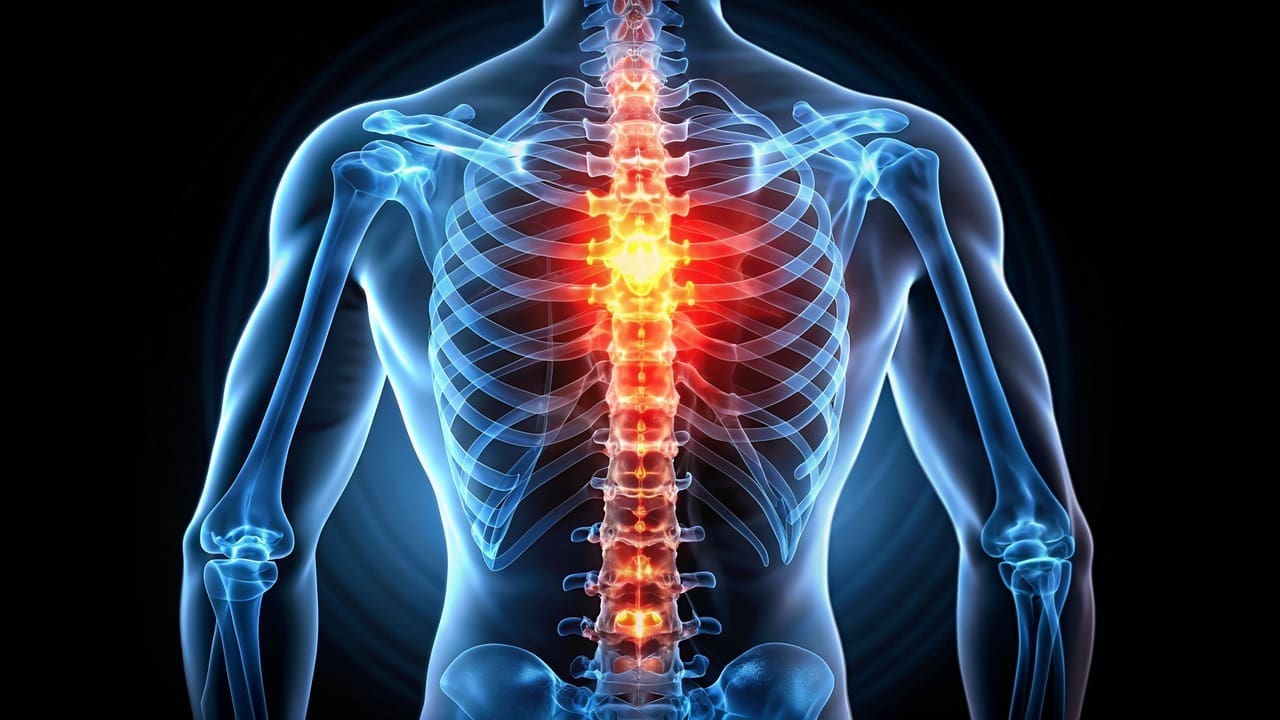
For those thinking about spinal surgery, knowing about L4 L5 fusion is key. This surgery joins the fourth and fifth lumbar vertebrae to stabilize the lower back. It’s a way to fix problems in the spine.
What Is L4 L5 Fusion?
L4 L5 fusion is a surgery that connects the fourth and fifth lumbar vertebrae. It’s for people with degenerative disc disease or spondylolisthesis. The goal is to stop pain and make the spine more stable.
Anatomy of the L4 L5 Segment
The L4 L5 segment is in the lower back. It’s under a lot of stress because of its role in supporting the body. The disc between L4 and L5 helps absorb shock and lets the spine move.
Common Surgical Techniques
There are a few ways to do L4 L5 fusion surgery. Posterior lumbar interbody fusion (PLIF) and transforaminal lumbar interbody fusion (TLIF) are two common ones. These methods remove the damaged disc and use a bone graft or cage to help the vertebrae fuse.
| Surgical Technique | Description | Benefits |
|---|---|---|
| PLIF | Posterior Lumbar Interbody Fusion involves accessing the spine from the back and fusing the vertebrae. | High fusion success rate, reduced recovery time. |
| TLIF | Transforaminal Lumbar Interbody Fusion is a variation of PLIF with a slightly different approach. | Less muscle disruption, reduced risk of nerve damage. |
A spinal surgery expert says, “L4 L5 fusion can restore segmental stability and relieve symptoms when conservative treatments fail.” This surgery can greatly improve life for those with certain spinal problems.
“The goal of L4 L5 fusion is to stabilize the segment and alleviate pain, improving the patient’s quality of life.”
It’s important for patients to understand L4 L5 fusion surgery. Knowing the details helps them make better choices about their treatment. This knowledge lets them navigate their care options more confidently.
Conditions Treated with L4 L5 Fusion
The L4 L5 segment of the spine often faces various issues that might need fusion surgery. L4 L5 fusion is a key treatment for many spinal problems. These problems can cause a lot of pain and discomfort.
Degenerative Disc Disease
Degenerative disc disease happens when the discs between L4 and L5 wear out. This leads to pain and instability. The discs can lose height, bulge, or herniate, which irritates nerves. L4 L5 fusion helps by making the segment stable and easing nerve pressure.
Spondylolisthesis
Spondylolisthesis is when a vertebra slips over the one below it. This often causes nerve compression and pain. For L4 L5 spondylolisthesis, the L4 vertebra slips over L5. Fusion surgery stabilizes the vertebrae, stopping further slippage and reducing nerve irritation.
Other Indications for L4 L5 Fusion
Other conditions also might need L4 L5 fusion. These include:
- Herniated Discs: When a disc herniates, it can press on nerves, causing pain and discomfort.
- Spinal Stenosis: Narrowing of the spinal canal can compress nerves, leading to pain and limited mobility.
Understanding these conditions and how L4 L5 fusion can help is key. Research shows that fusion is effective for degenerative disc disease and spondylolisthesis. It improves patient outcomes and quality of life.
When Conservative Treatments Fail: Is L4 L5 Fusion Necessary?
Exploring if L4 L5 fusion is needed starts with looking at non-surgical treatments first. We know patients with lower back pain want relief fast. So, we check all non-surgical options before surgery.
Non-Surgical Approaches Tried First
Non-surgical treatments are the first step for lower back pain. This includes physical therapy, pain meds, and lifestyle changes. Even alternative therapies like chiropractic care or acupuncture are tried. Many patients find relief without surgery.
Signs Surgery May Be Needed
But, some patients keep feeling pain. If pain won’t go away, or if you have numbness or weakness, surgery might be needed. We look at these signs to decide if surgery is the best choice.
The Decision-Making Process
Choosing L4 L5 fusion surgery is a personal decision. A healthcare professional will evaluate your health and condition. We make sure you understand your options and are comfortable with your choice.
| Conservative Treatment | Description | Potential Benefits |
|---|---|---|
| Physical Therapy | Targeted exercises to strengthen back muscles and improve flexibility | Reduces pain, improves function |
| Pain Management | Medications to manage pain and inflammation | Relieves pain, enhances quality of life |
| Lifestyle Modifications | Changes in daily habits, such as diet and exercise, to reduce strain on the back | Promotes overall health, reduces risk of further injury |
We take a whole-body approach to treating lower back pain. We make sure patients know all their options and what each treatment might do.
L4 L5 Fusion Success Rate: What the Research Shows
Research supports the effectiveness of L4 L5 fusion surgery. It’s important to look at what affects success and how it’s measured.
Overall Success Rates
Studies show L4 L5 fusion success rates vary from 70% to 96%. This range comes from different patient groups, surgical methods, and how success is measured.
Factors That Influence Success
Many things can affect L4 L5 fusion surgery success. These include the patient’s health, how severe their condition is, and the surgery method. Knowing these helps surgeons tailor treatment for each patient.
How Success Is Measured
Success in L4 L5 fusion surgery is judged by several key areas:
Pain Reduction
Reducing pain is a main goal of L4 L5 fusion. Studies compare pain levels before and after surgery to see if it works.
Functional Improvement
Success also means better function. This includes doing daily tasks and physical activities.
Return to Activities
Being able to do normal activities, like work and hobbies, is another success marker. This is tied to both pain reduction and better function.
| Outcome Measure | Description | Typical Improvement |
|---|---|---|
| Pain Reduction | Decrease in pain levels post-surgery | 50-80% |
| Functional Improvement | Enhancement in ability to perform daily tasks | 60-90% |
| Return to Activities | Ability to resume normal activities and work | 70-95% |
Looking at these measures helps us understand L4 L5 fusion surgery success. This info is key for patients and doctors planning treatment.
Recovery Timeline After L4 L5 Spinal Fusion
Knowing what to expect after L4 L5 spinal fusion surgery is key. It helps patients set realistic goals and get the best results. The recovery journey has different stages, each with its own goals and hurdles.
Immediate Post-Operative Period (0-2 Weeks)
The first two weeks after surgery are critical. Patients are watched closely for any issues like infections or bleeding. “The first few days are key, and rest is important,” says, a top spine surgeon.
Pain control is a top priority. Doctors usually give medication to help manage pain.
Early Recovery (2-6 Weeks)
In the early stages, pain and discomfort start to lessen. Patients can usually start with light activities, like walking, in a few weeks. It’s vital to stick to the doctor’s instructions to avoid problems.
Mid-Term Recovery (6 Weeks-3 Months)
By the mid-term phase, symptoms and abilities improve a lot. Many can go back to their usual activities, but some might face some restrictions. This is a time of getting stronger and more mobile.
Long-Term Recovery (3-12 Months)
The long-term phase can last up to a year or more. Patients keep getting better, and many fully recover. Keeping a healthy lifestyle, with regular exercise and a balanced diet, is important for spinal health.
As one patient shared, “The journey was long, but the outcome was worth it; I’m now back to my normal activities without pain.”
Throughout recovery, post-operative care is essential for the best results. By knowing the recovery timeline and following doctor’s orders, patients can improve their quality of life significantly.
Comparing Different Types of Lumbar Fusion
It’s important to know the differences between single-level and multi-level lumbar fusions. These surgeries can fuse one or more levels of the spine. Each type has its own considerations and outcomes.
Single-Level vs. Multi-Level Fusions
Single-level fusions, like L4 L5 fusion, usually have better results and fewer problems. Studies show that single-level fusions work well because they are less invasive. But, multi-level fusions are more complex and risky, with more blood loss and longer surgery times.
Choosing between single-level and multi-level fusions depends on the patient’s condition and health. It’s a careful decision based on the patient’s needs.
L4-L5-S1 Fusion Outcomes
L4-L5-S1 fusion is more complex and outcomes can vary. It’s for patients with degenerative conditions in the lower spine. Recovery might be longer and harder than with single-level fusions.
Four-Level Spinal Fusion Considerations
Four-level spinal fusion is a big procedure that needs careful planning. It’s for patients with severe spinal problems. Patients must be thoroughly checked before surgery, weighing the risks and benefits.
Understanding the differences in lumbar fusion surgeries helps patients make better choices. Healthcare providers should guide patients based on the latest research and their individual needs.
Patient Preparation and Expectations for L4 L5 Fusion
Getting ready for L4 L5 fusion surgery is a big step. It involves several steps to make sure you get the best results. These steps help you know what to expect and how to recover well.
Pre-Surgical Evaluations
Before surgery, you’ll go through many tests. These tests are key to finding out if you’re healthy enough for surgery. They might include blood tests, imaging, and a detailed look at your medical history.
Lifestyle Modifications Before Surgery
Changing your lifestyle is important before surgery. You should stop smoking because it can slow healing. Eating well is also key, as a good diet helps your body recover faster.
It’s important to have the right expectations for L4 L5 fusion surgery. This means understanding when you’ll feel less pain and when you can go back to work.
Pain Relief Timeline
How fast you feel better can vary. Some people feel better right away, while others take longer. Knowing this helps you manage your hopes and plans.
Return to Work Considerations
Going back to work depends on your job and how fast you heal. People with desk jobs might get back sooner than those with hard physical jobs. Always follow your surgeon’s advice on what to do after surgery.
Post-Operative Care and Rehabilitation After Fusion of L4 and L5 Vertebrae
The success of L4 L5 fusion surgery depends a lot on post-operative care and rehabilitation. After the surgery, patients start a critical recovery phase. This phase needs careful management for the best results.
Physical Therapy Protocols
Physical therapy is key in the recovery after L4 L5 fusion surgery. We create custom exercise plans to help patients regain strength and improve flexibility. Physical therapy starts a few weeks after surgery and goes on for months.
Activity Restrictions
Patients must follow specific activity restrictions after the surgery. We advise against heavy lifting, bending, or twisting for a few months. As they heal, patients can slowly return to more active tasks with their doctor’s guidance.
Pain Management Strategies
Managing pain effectively is very important after surgery. We use a variety of methods, including medication, physical therapy, and alternative therapies like acupuncture. Our goal is to reduce pain and help with recovery.
Long-Term Lifestyle Adjustments
Patients may need to make lifestyle changes after the surgery to keep their spine healthy. This includes staying at a healthy weight, exercising regularly, and practicing good posture. Regular check-ups are also important to monitor the fusion site and address any issues.
| Post-Operative Care Aspect | Description | Timeline |
|---|---|---|
| Physical Therapy | Personalized exercise programs to improve strength and flexibility | Starts within a few weeks post-op, continues for several months |
| Activity Restrictions | Avoid heavy lifting, bending, or twisting | Several months post-op |
| Pain Management | Multi-modal approach including medication and alternative therapies | Ongoing, adjusted as needed |
Conclusion: Making Informed Decisions About Spinal Fusion
When thinking about L4 L5 fusion surgery, it’s key to make smart choices for the best results. We’ve looked at the different parts of this surgery, like when it’s needed, how often it works, and how long it takes to heal. Knowing about spinal fusion helps patients talk better with their doctors, weighing the good against the bad.
Research shows that knowing what you’re getting into is very important. Patients should think about other options and what might happen with L4 L5 fusion. This way, they can choose what’s best for them, leading to better treatment and a better life.
In wrapping up our talk on L4 L5 fusion, it’s clear that knowing what you’re doing is key. By focusing on teaching patients and working together, we help people get the best care. This leads to a good recovery and a better life in the long run.
What is L4 L5 fusion surgery?
L4 L5 fusion surgery joins the L4 and L5 vertebrae in the lower back. This helps stabilize the area and reduce pain. It’s often needed for those with degenerative disc disease or spondylolisthesis.
What conditions are treated with L4 L5 fusion?
This surgery treats several spinal issues. These include degenerative disc disease, spondylolisthesis, herniated discs, and spinal stenosis.
What is the success rate for L4 L5 fusion surgery?
The success rate for this surgery is high, between 70% to 96%. Success depends on the patient’s health, the severity of their condition, and the surgical method.
How long does it take to recover from L4 L5 fusion surgery?
Recovery can take up to a year or more. It goes through several stages, from the immediate post-op to long-term recovery.
What can I expect during the recovery process?
Expect some pain and discomfort that gets better over time. You’ll also do physical therapy to help with recovery.
What are the differences between single-level and multi-level fusions?
Single-level fusions, like L4 L5, have better outcomes and fewer complications. Multi-level fusions, like L4-L5-S1, are more complex and outcomes vary.
How can I prepare for L4 L5 fusion surgery?
Preparation includes a pre-surgical evaluation to check your health. You might also be advised to quit smoking or improve your diet for better outcomes.
What are the benefits and risks of L4 L5 fusion surgery?
Benefits include pain relief and improved function. Risks exist, so discuss them with your doctor to make an informed choice.
What is the typical recovery timeline for a 4-level spinal fusion?
A 4-level spinal fusion takes longer to recover from, often up to a year or more.
How is success measured after L4 L5 fusion surgery?
Success is measured by pain reduction, improved function, and the ability to resume normal activities.
References
- PMC – PubMed Central : https://pmc.ncbi.nlm.nih.gov/articles/PMC4443409