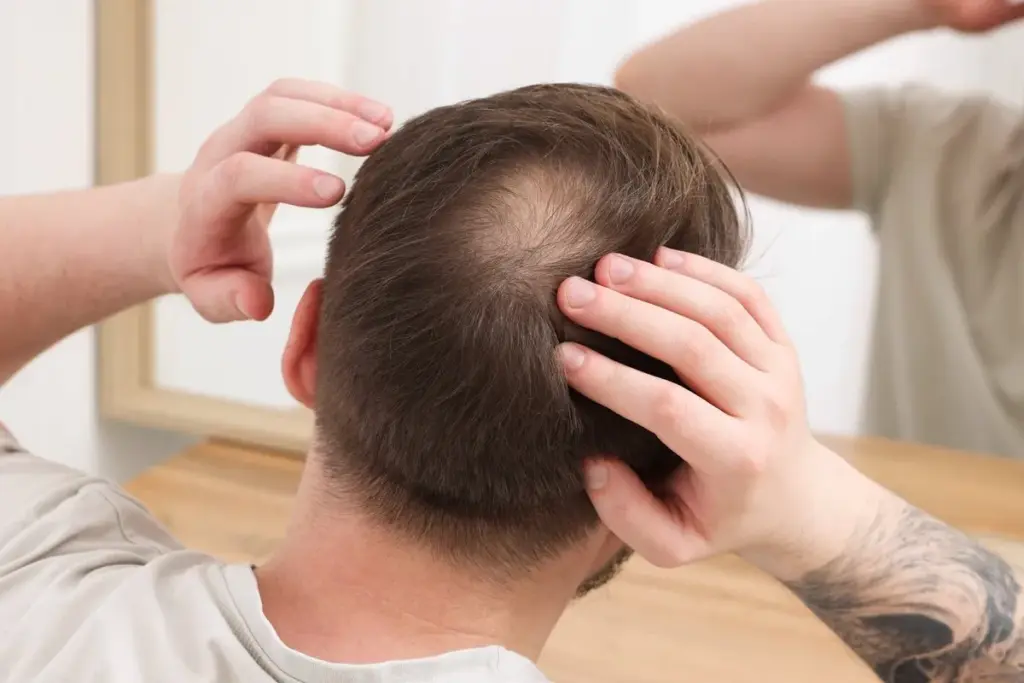
We dive into the world of hair growth, starting with the hair follicle. A hair follicle is a complex, tunnel-shaped structure in the skin. It goes from the epidermis down into the dermis, usually 3 to 4 mm long.
Lanugo hair is the soft, fine hair on a fetus. It’s key to understanding fetal development. Knowing the shape and function of hair follicles helps us grasp hair growth and regeneration.
The hair’s texture comes from its follicle’s shape. So, studying hair follicles is vital for understanding different hair types.
Key Takeaways
- Lanugo hair is the fine, soft hair that covers a fetus during development.
- The shape of a hair follicle determines the texture of the hair that grows out of it.
- Hair follicles are complex structures extending from the epidermis into the dermis.
- Understanding hair follicle anatomy is key to grasping hair growth complexities.
- Studying hair follicles is essential for understanding various hair types and textures.
Understanding Lanugo Hair: Definition and Characteristics
Lanugo hair is key to understanding how a baby grows inside the womb. It’s the first hair to appear on a fetus. This hair is vital for their development.
What Is Lanugo Hair?
Lanugo hair is soft and fine, covering a fetus’s body. It’s colorless and starts growing around the 14th week. It’s linked to thehair follicle development in the fetus’s skin.
Physical Properties of Lanugo Hair
Lanugo hair is very thin and soft. It’s almost invisible to the eye. It’s usually colorless, making it look transparent. These traits make it different from hair that grows later.
When Lanugo Hair Develops
Lanugo hair starts growing around the 14th week. It first appears on the face and then covers the rest of the body. By the 28th week, the fetus is almost fully covered in it. This hair usually falls off before birth, but sometimes it’s left at birth.
In short, lanugo hair is a vital part of a baby’s growth. Its unique features and when it grows are important. They set it apart from other hair types.
The Biological Purpose of Lanugo Hair
Lanugo hair has many roles in a fetus’s health and growth. It covers the skin gently in the womb. This is key for several reasons.
Temperature Regulation in Fetuses
Lanugo hair helps with temperature regulation. It acts as insulation around the fetus. This keeps the fetus’s temperature stable, which is important for its growth.
Studies show this insulation is vital for the fetus’s development. You can learn more about this at https://www.ncbi.nlm.nih.gov/books/NBK470321/
Protection of Developing Skin
The fine hairs also protect the skin from amniotic fluid. They reduce friction between the skin and the fluid. This keeps the skin safe and healthy.
Evolutionary Significance
Lanugo hair might have protected and insulated our ancestors. Though it’s less needed now, it’s a big part of fetal development. It shows how complex and detailed human growth is.
Some important facts about lanugo hair are:
- It aids in temperature regulation.
- It protects the developing skin.
- It has evolutionary significance.
What Happens to Lanugo Hair Shortly After Birth
Lanugo hair covers a fetus’s body and changes a lot after birth. It’s important to know how lanugo hair disappears and what replaces it.
Natural Shedding Process
The shedding of lanugo hair starts before or right after birth. This is a normal step as the body moves from being in the womb to being outside.
Key aspects of the natural shedding process include:
- Gradual loss of lanugo hair
- Replacement with other types of hair
- Variability in timing among individuals
Replacement with Vellus Hair
When lanugo hair falls out, vellus hair takes its place. Vellus hair is softer and shorter. This change helps hair follicles grow and develop.
The characteristics of vellus hair include:
- Finer texture
- Shorter length
- Different growth patterns compared to lanugo hair
Timeline for Lanugo Disappearance
The time it takes for lanugo hair to disappear varies. Usually, it’s gone by a few months. Health, when born, and genetics play a role in this.
Key points regarding the timeline:
- Lanugo hair starts to shed before or shortly after birth.
- The shedding goes on for the first few months.
- By the end of the first year, most babies have little to no lanugo hair left.
Learning about the change from lanugo to vellus hair and when lanugo disappears helps us understand human development and hair growth.
What Shape Does a Hair Follicle Take?
The shape of a hair follicle is key to its function. It affects the hair’s texture. A hair follicle is a tunnel-shaped structure in the skin. Its shape decides if hair is straight, wavy, or curly.
Tunnel-Shaped Structure
The tunnel shape of a hair follicle is its main feature. This shape varies among people, affecting their hair texture. The follicle’s shape comes from how hair growth cells are arranged and interact with the skin.
Dimensions and Proportions
The size and shape of a hair follicle can change a lot. Studies show that follicle size affects hair thickness. Larger follicles make thicker hairs, while smaller ones make finer hairs. The follicle’s depth also impacts hair texture.
How Follicle Shape Influences Hair Texture
The shape of a hair follicle directly affects hair texture. For example:
- Straight Hair: Typically emerges from round follicles.
- Wavy Hair: Often associated with oval-shaped follicles.
- Curly Hair: Usually grows from follicles that are more elliptical or asymmetrical.
Knowing how follicle shape affects hair texture helps us understand hair growth. It also guides us in choosing the right hair care.
Key Components of Hair Follicle Structure
The hair follicle is a complex structure with several parts. It’s a tube in the skin that holds the hair root and helps it grow. Knowing about the different parts of the hair follicle helps us understand its role in human anatomy.
The Infundibulum (Upper Part)
The infundibulum is at the top of the hair follicle. It goes from the skin’s surface to the sebaceous gland’s opening. It’s important because it lets the hair shaft come out of the skin. The infundibulum is covered with epithelial cells and connects to the epidermis.
The Isthmus (Middle Segment)
The isthmus is the middle part of the hair follicle. It’s between the sebaceous gland’s opening and where the arrector pili muscle attaches. The isthmus is key in the hair growth cycle, mainly during the transition phases.
The Inferior Segment and Bulb
The inferior segment, including the bulb, is at the bottom of the hair follicle. The bulb surrounds the dermal papilla, a group of cells important for hair growth. This area is very active and supports hair growth.
In summary, the hair follicle has the infundibulum, isthmus, and the inferior segment with the bulb. Each part is vital for hair development and maintenance. Understanding these parts is key to grasping hair anatomy and dealing with hair issues.
The Hair Bulb and Dermal Papilla
The dermal papilla is key to hair growth. It’s found in the hair bulb, at the base of the hair follicle. This area greatly affects the hair growth cycle.
Nutrient Delivery System
The dermal papilla is shaped like a cone and is full of capillaries. These tiny blood vessels are vital for hair growth. They make sure the hair follicle gets the nutrients and oxygen it needs.
Role of Capillaries
Capillaries in the dermal papilla are essential for delivering nutrients and oxygen. They support hair growth by providing the necessary components for new hair cells. The health of these capillaries affects hair health.
Androgen Receptors and Hair Growth Regulation
The dermal papilla also has androgen receptors. These receptors are important for controlling hair growth. Androgens, like testosterone and DHT, interact with these receptors. This interaction can either help or hinder hair growth, depending on hormonal balance and sensitivity.
Understanding the hair bulb and dermal papilla is key to grasping hair growth complexities. Recognizing the role of the nutrient delivery system and androgen receptors helps us appreciate the detailed processes of maintaining healthy hair.
What Function Does the Hair Root Perform
The hair root is key to hair growth and health. It anchors the hair shaft, produces new hair cells, and connects to sebaceous glands. Let’s dive into these important roles.
Anchoring the Hair Shaft
The hair root deeply embeds the hair shaft in the scalp. This is thanks to its structure, which is firmly rooted in the skin.
Key aspects of this anchoring function include:
- The hair root’s deep embedding in the dermal layer of the skin.
- The surrounding tissue provides a secure hold, keeping the hair in place.
Production of New Hair Cells
The hair root is where new hair cells are made. This is vital for hair growth. It happens in the hair bulb, where cells divide.
The process involves:
- Cell division in the hair bulb.
- Differentiation of cells into the various components of the hair shaft.
Connection to Sebaceous Glands
The hair root links to sebaceous glands. These glands make sebum to keep the hair and skin lubricated. This connection is essential for scalp health.
Inner and Outer Root Sheaths
The hair follicle is covered by two protective layers: the inner and outer root sheaths. These layers are key for hair growth and health. They provide support and guide the hair shaft as it grows.
Structural Support Functions
The inner and outer root sheaths give strong structural support to the hair follicle. They keep the follicle strong, helping the hair shaft grow right. This is important for hair health and look.
Guiding the Hair Shaft
As hair comes out of the follicle, these sheaths guide it. They affect its texture and direction. This is key for hair to grow well and look good.
Stem Cells in the Outer Root Sheath
The outer root sheath is special because it has stem cells. These cells are important for hair and skin repair. They can change into different cell types, helping the hair follicle and skin heal.
Stem cells in the outer root sheath show how important these sheaths are. They help with:
- Providing structural support to the hair follicle
- Guiding the hair shaft during growth
- Containing stem cells for hair renewal and skin repair
The Hair Growth Cycle
Hair growth happens in three main stages. Each stage has its own role in hair development. Knowing these stages helps us understand how hair grows.
Anagen: The Growth Phase
The anagen phase is when hair follicles grow fast. This stage can last from two to six years. The length of this phase decides how long hair can grow.
What Is the Second Stage of Hair Growth: Catagen
The catagen phase is a short transition. It lasts about two to three weeks. During this time, hair growth slows, and the follicle shrinks. It’s a key step before the resting phase.
What Is the Final Stage of Hair Growth: Telogen
The telogen phase is the resting stage. It lasts about three to four months. At the end, the hair follicle starts growing new hair again. This stage is when hair is released, leading to shedding.
New Hair Is Produced During Which Phase
New hair grows during the anagen phase. This is the active growth stage. Hair cells divide quickly here, producing new hair. The anagen phase is vital for hair length and thickness.
Transitional Stages in Hair Development
Exploring hair development reveals the importance of transitional stages. These stages are key from fetal development to adulthood. They shape hair texture, growth, and health.
The Exogen Phase: Understanding the Second Transitional Stage
The exogen phase is the second stage of hair growth. It’s when the hair shaft is released from the follicle. This leads to hair shedding, a natural part of the cycle.
Hormonal changes and health can affect this stage.
The Transition from Lanugo to Terminal Hair
The shift from lanugo to terminal hair is a major milestone. Lanugo hair is soft and fine, covering the fetus. It’s shed before birth.
Terminal hair is thicker and more pigmented. This transition changes hair texture and growth, influenced by hormones and genetics.
Factors Influencing Transition Timing
Many factors affect when these transitions happen. Hormonal changes, like during puberty and menopause, are key. Genetics also play a role.
Health and nutrition impact hair growth and development too.
Knowing these stages helps us understand hair development. It also helps us tackle hair issues better. By recognizing what influences these transitions, we can improve hair care.
Hair Removal Techniques and Their Effects on Follicles
It’s important to know how different hair removal methods affect hair follicles. This knowledge helps us choose the best way to manage our hair. Each technique has its own impact on follicle health.
Effects of Galvanic Electrolysis
Galvanic electrolysis is a permanent hair removal method. It uses an electric current to destroy the hair follicle through a chemical reaction. This method can cause permanent damage to the follicle, leading to long-term hair reduction.
It’s vital to have a professional do galvanic electrolysis. This ensures the process is done safely and effectively.
Threading: An Alternative Hair Removal Method
Threading is a popular method for shaping eyebrows and removing facial hair. It’s known as fatlah or khitey in some cultures. This technique uses a thread to pull out hair from the root.
Threading is known for its precision and low risk of skin irritation. Yet, it can cause temporary redness. If not done right, it might lead to ingrown hairs.
Impact of Different Removal Methods on Follicle Health
Different hair removal techniques affect hair follicles in various ways. Galvanic electrolysis can permanently damage follicles. On the other hand, methods like threading or waxing might cause temporary irritation but rarely permanent damage if done correctly.
Choosing the right hair removal method is key. It should match your skin type and hair growth pattern. For example, people with sensitive skin might find threading or sugaring better than waxing because they are less likely to irritate the skin.
It’s wise to talk to a dermatologist or esthetician. They can help find the best hair removal technique for you. This ensures both effectiveness and safety.
Professional Esthetic Considerations for Hair Treatment
As estheticians, we must think about many things when treating hair and skin. It’s key to understand these factors for safe and effective treatments.
What Is the Acronym ACT Used to Help Estheticians Remember
The acronym ACT helps estheticians remember important things for hair treatment. ACT stands for Assessment, Contraindications, and Treatment. It ensures estheticians follow a clear approach to client care.
What Is Rosacea a Contraindication For
Rosacea can get worse with some treatments, making it a no-go for certain hair removal methods. Estheticians need to be careful with clients who have rosacea. This is to avoid bad reactions.
Best Practices for Hair and Skin Assessment
Best practices for assessing hair and skin include a detailed look at the client’s skin type, hair texture, and medical history. This helps estheticians pick the right treatments and avoid risks.
|
Assessment Criteria |
Considerations |
Best Practices |
|---|---|---|
|
Skin Type |
Sensitive, dry, oily, or combination skin |
Use gentle products and techniques |
|
Hair Texture |
Fine, coarse, curly, or straight hair |
Choose appropriate hair removal methods |
|
Medical History |
Conditions like rosacea, eczema, or allergies |
Be cautious and adjust treatments according |
By sticking to these best practices and considering professional esthetic considerations, estheticians can give top-notch care to their clients.
Tools and Techniques for Professional Hair Management
Effective hair management is key for professionals in the esthetics field. It needs a variety of tools and techniques. As estheticians, we must know the different instruments and methods for the best hair removal and management results.
Characteristics of Stainless Steel Slant-Tipped Tweezers
Stainless steel slant-tipped tweezers are essential in many esthetic practices. They are made for efficient hair removal. Their slanted tip makes it easy to grab even the smallest hairs.
- High-quality stainless steel construction for resistance to corrosion
- Slant-tipped design for precise hair removal
- Durable and long-lasting with proper care
Specialized Equipment for Lanugo and Fine Hair Treatment
Dealing with lanugo and fine hair needs special tools that are gentle yet effective. We use a variety of tools made just for these hair types, including:
- Fine-tipped tweezers for delicate areas
- Soft wax or sugaring techniques for sensitive skin
- Advanced epilators for efficient hair removal
Technology Advancements in Hair Management
The esthetics field is always changing, with new tech coming out to better hair management. Some of the latest tech includes:
- Laser hair removal technology for long-term results
- Intense Pulsed Light (IPL) systems for versatile hair removal
- Advanced software-controlled epilation devices for precision
These new technologies help us offer better and more comfortable hair management options for our clients.
Conclusion
Understanding hair growth is key for esthetics professionals and those interested in their hair. We’ve looked into the detailed biological steps, from lanugo hair in fetuses to hair growth stages and follicle structure.
The shape and size of hair follicles affect hair texture. The growth stages – anagen, catagen, and telogen – are important for hair development. Genetics and hormones also play a big role in hair growth, making it complex.
In summary, knowing about hair follicle structure and function is essential for managing hair. This knowledge helps us tackle hair issues and promote healthy growth.
FAQ
What is lanugo hair?
Lanugo hair is the soft, fine hair that covers a fetus. It usually falls out before or shortly after birth.
What happens to lanugo hair shortly after birth?
After birth, lanugo hair naturally falls out. It is replaced by vellus hair.
What shape does a hair follicle take?
A hair follicle is tunnel-shaped. Its shape affects whether the hair is straight, wavy, or curly.
What is the second stage of hair growth?
The second stage is the catagen phase. It’s a transitional stage after the anagen phase.
What is rosacea a contraindication for?
Rosacea makes certain hair removal treatments, like waxing or threading, risky. It can make rosacea worse.
What effect does galvanic electrolysis have?
Galvanic electrolysis is a permanent hair removal method. It uses a chemical reaction to damage the hair follicle, stopping hair growth.
What function does the hair root perform?
The hair root anchors the hair shaft. It also produces new hair cells and is connected to sebaceous glands.
What is another name for threading?
Threading is also known as epilation by threading or simply facial threading.
What is the acronym ACT used to help estheticians remember?
The acronym ACT helps estheticians remember important things for hair and skin assessment. The exact meaning of ACT is not given here, but it’s a common mnemonic in esthetic practices.
New hair is produced during which phase?
New hair is produced in the anagen phase. This is the active growth phase of the hair cycle.
What is true of stainless steel slant-tipped tweezers?
Stainless steel slant-tipped tweezers are popular for hair removal. They are precise and durable, though details can vary by brand.
What is the final stage of hair growth?
The final stage is the telogen phase. It’s a resting phase before the hair sheds.
What is the second transitional stage of hair growth called?
The catagen phase is the second transitional stage. It marks the transition from the anagen to the telogen phase.
References
Martel, J. L.; Miao, J. H.; Badri, T., et al. (2024). Anatomy, Hair Follicle. In StatPearls [Internet]. Treasure Island (FL): StatPearls Publishing. Retrieved from https://www.ncbi.nlm.nih.gov/books/NBK470321/ NCBI



 Departments
 Related Videos
 Our Doctors
 News
News