
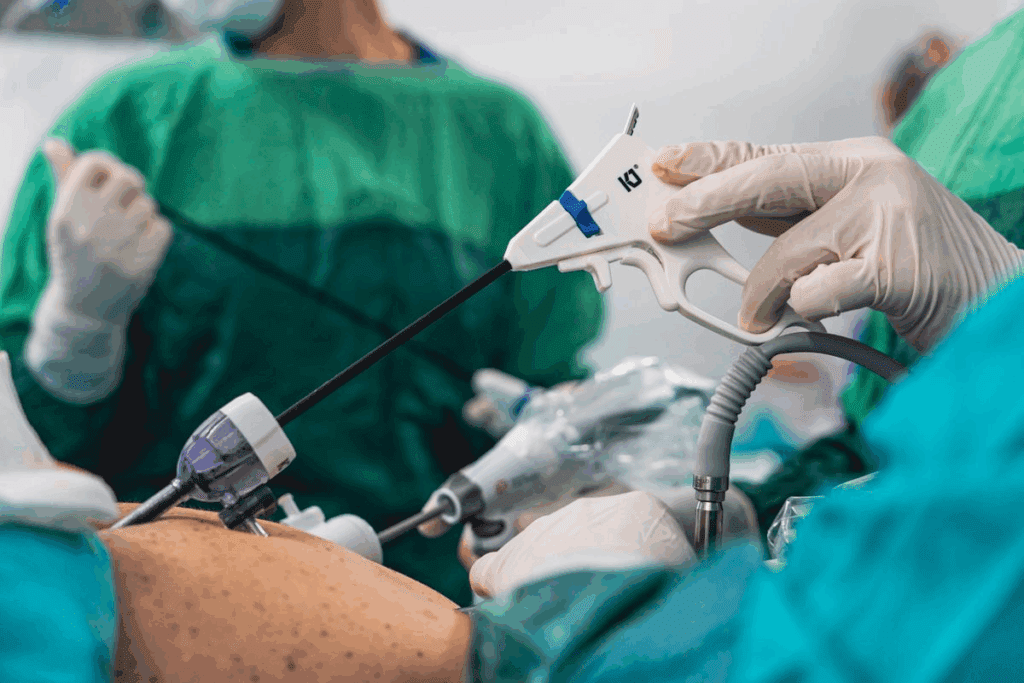
Laparoscopic Sleeve Gastrectomy (LSG) is a common bariatric surgery worldwide. But, long-term data shows a big need for revision surgeries. We’ve seen that 4.7% of patients need a revision at 5 years, 7.5% at 7 years, and 12.2% at 10 years laparoscopic sleeve gastrectomy revision.
At Liv Hospital, we know how vital it is to revise LSG surgeries. This is to fix issues like weight gain and GERD. Our approach focuses on the patient, using proven revision methods and team care. It’s important for both patients and doctors to know when and how to revise surgeries.
Key Takeaways
- Revision rates for LSG increase significantly over time, reaching 12.2% at 10 years.
- Common complications requiring revision include weight regain and GERD.
- A patient-centered approach is essential for successful revision surgery.
- Evidence-based revision protocols improve patient outcomes.
- Multidisciplinary care is key for managing complications.
The Evolution and Prevalence of Laparoscopic Sleeve Gastrectomy
Laparoscopic Sleeve Gastrectomy (LSG) is now a top choice for weight loss surgery worldwide. It’s known for its success in helping people lose weight and its simpler approach compared to other surgeries. This has made LSG a leader in the field of bariatric surgery.
Current Statistics on LSG Procedures
In the United States, LSG makes up about 57.4% of all bariatric surgeries. Its minimally invasive nature and encouraging weight loss outcomes are key reasons for its popularity. It’s also seen as safe and can help with obesity-related health issues.
As obesity rates keep rising, the need for effective surgeries like LSG is growing. More and more people are choosing LSG as a viable long-term solution for managing obesity.
Long-term Outcomes and Revision Rates
LSG works well in the short and medium term, but long-term success is what really matters. Revision surgery rates are important, with 4.7% at 5 years, 7.5% at 7 years, and 12.2% at 10 years. These rates are influenced by weight regain, not enough weight loss, and complications like GERD.
Knowing the long-term outcomes and revision rates helps set realistic expectations for patients. It also helps us improve surgical techniques for better long-term results.
Understanding the Need for Revision
Revision surgery after LSG might be needed for several reasons, like not losing enough weight or complications like GERD. We’ll look into these reasons to understand the challenges of managing patients after LSG.
By understanding why revision surgery is needed, we can tailor treatments better. This can lead to better results for LSG and improve patients’ quality of life.
Common Indications for Laparoscopic Sleeve Gastrectomy Revision
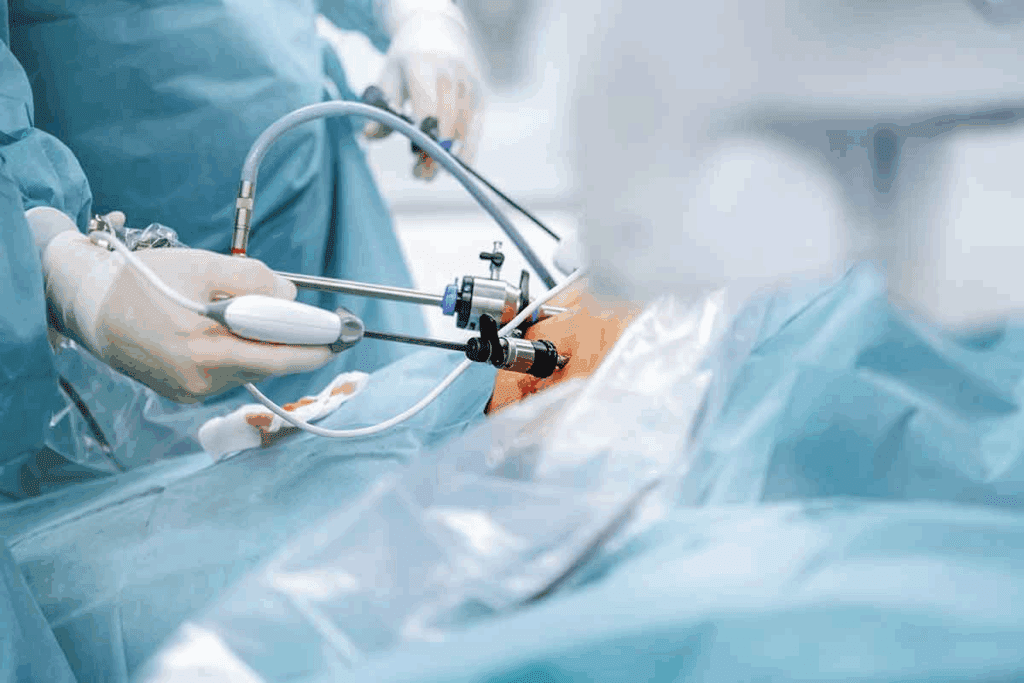
Deciding to revise a laparoscopic sleeve gastrectomy (LSG) is a big choice. It’s often needed because of complications or not losing enough weight. We look at the main reasons for considering a revision, which help decide when and what type of surgery is best.
Weight Regain or Insufficient Weight Loss
Weight regain or not losing enough weight are top reasons for revising LSG. Some studies show that a few patients don’t lose enough weight or gain it back. Weight regain can happen for many reasons, like not sticking to the diet, hormonal changes, or problems with the sleeve itself.
Gastroesophageal Reflux Disease (GERD)
GERD is another big reason for revising LSG. Research shows that about one-third of patients get GERD after LSG. If GERD symptoms get worse, it can really affect a person’s life, making them need a revision.
Sleeve Dilation and Pouch Enlargement
Sleeve dilation and pouch enlargement are mechanical problems. They can cause weight gain and need a revision. These issues might happen because of the surgery or changes in the stomach after it. Early detection is key to fixing these problems quickly.
Persistent Comorbidities
Some patients keep having health problems even after losing weight with LSG. In these cases, they might choose to have the surgery again. We check if these health issues are affecting their decision to revise.
Comprehensive Patient Evaluation for Revision Surgery
To get the best results, we need to carefully check a patient’s health history before surgery. This detailed check helps us spot any risks and make sure the patient is ready for the surgery.
Medical and Surgical History Assessment
We look closely at a patient’s past surgeries and health. We check their current health and any other health issues that might affect the surgery. We also figure out why they had the first surgery and why they need another one.
Psychological and Behavioral Evaluation
How a patient’s mind and behavior affect their surgery is very important. We check their mental health, if they understand the surgery, and if they can follow the diet and lifestyle changes after. This helps us find out if there are any mental blocks to success.
Nutritional Status and Dietary Compliance
We also check how well a patient eats and follows diets. We look at their eating habits, any nutritional gaps, and past diet challenges. This info is key for planning the surgery and care after it.
Defining Realistic Expectations
It’s important to make sure patients know what to expect from the surgery. We talk about the good and bad sides, and how their life will change after. Setting clear goals helps patients be happier with the results.
By doing a full check-up, we can make the surgery fit the patient’s needs. This way, we can get better results and fewer problems.
Preoperative Workup Specific to Revision Cases
The preoperative workup for LSG revision is key to its success. It helps identify challenges and prepares the patient for surgery.
Upper GI Series and Endoscopy
Detailed imaging is vital for LSG revision patients. We use upper GI series to check the gastric sleeve’s anatomy. It helps spot leaks or strictures and other issues.
Endoscopy lets us see inside the gastric sleeve. It checks for mucosal problems and takes biopsies if needed.
- Evaluate the anatomy of the gastric sleeve
- Assess for leaks or strictures
- Identify any complications
CT Scanning and 3D Reconstruction
CT scanning gives us detailed images of the abdomen. It helps us see the gastric sleeve and nearby areas. This is key for planning the surgery.
3D reconstruction of CT images helps us understand the patient’s anatomy better. It prepares us for any challenges during surgery.
- Assess the gastric sleeve and surrounding structures
- Plan the revision surgery
- Anticipate any challenges
Metabolic and Nutritional Testing
We do thorough metabolic and nutritional assessments. These tests check the patient’s nutritional status and health. They help us prepare the patient before surgery.
- Evaluate nutritional status
- Find any nutritional deficiencies
- Improve metabolic health
Preoperative Optimization Protocol
A preoperative optimization protocol is vital for LSG revision. It includes nutritional counseling and medical optimization. These steps reduce complications and improve outcomes.
Optimizing patients before surgery greatly improves their chances of success. It also lowers the risk of complications after surgery.
Technical Approaches to Laparoscopic Sleeve Gastrectomy Revision
Revising laparoscopic sleeve gastrectomy (LSG) needs a deep understanding of different techniques. The right revision depends on why it’s needed and the patient’s health.
Conversion to Roux-en-Y Gastric Bypass
Switching to Roux-en-Y gastric bypass is common after LSG. It’s often picked for those who haven’t lost enough weight or have gained it back.
Benefits: Better weight loss, helps with health problems.
Potential Complications: Issues with absorbing nutrients, internal hernias.
Re-sleeve Gastrectomy Procedure
Re-sleeve gastrectomy is for more weight loss. It’s for those who have gained back a lot of weight or didn’t lose enough.
Indications: Weight gain, not enough weight loss.
Potential Risks: Leaks in the stomach, narrowing of the stomach.
One-Anastomosis Gastric Bypass Conversion
One-anastomosis gastric bypass is a newer option. It makes a single connection between the stomach and small intestine. It’s popular because it’s easy and works well.
| Revision Technique | Indications | Benefits | Potential Complications |
|---|---|---|---|
| Roux-en-Y Gastric Bypass | Weight regain, insufficient weight loss | Improved weight loss, comorbidity resolution | Malabsorptive issues, internal hernias |
| Re-sleeve Gastrectomy | Weight regain, insufficient weight loss | Further weight loss | Gastric leak, stricture |
| One-Anastomosis Gastric Bypass | Weight regain, metabolic issues | Simplified procedure, reduced operative time | Malabsorption, bile reflux |
Managing Technical Challenges During Revision Surgery
Revision surgery for LSG is complex. It requires understanding the technical challenges and how to manage them. Surgeons must use advanced techniques to handle altered anatomy and adhesions.
Adhesiolysis Techniques
Adhesiolysis is key in revision surgery. It helps surgeons access the needed anatomy for corrections. We use energy devices and careful dissection to avoid injury to nearby structures.
Knowing the patient’s anatomy well is vital for adhesiolysis. A systematic approach helps reduce complications and ensures success.
Navigating Altered Anatomy
Altered anatomy is a big challenge in LSG revision surgery. The original surgery changes the anatomy, making detailed understanding essential.
We use CT scans and 3D reconstruction for planning. This helps us tailor the approach to each patient’s needs.
Vascular Considerations
Vascular management is critical in LSG revision surgery. The risk of bleeding is high. We use ligation and devascularization to reduce this risk.
| Vascular Consideration | Technique | Benefit |
|---|---|---|
| Ligation | Use of clips or sutures to occlude vessels | Reduces risk of bleeding |
| Devascularization | Dissection and removal of vascular supply | Minimizes risk of hemorrhage |
Managing Intraoperative Complications
Handling intraoperative complications is vital in LSG revision surgery. We are ready to tackle any issues that come up. Our goal is to minimize risks and ensure the best outcome.
With a solid plan, we can manage complications effectively. This ensures the best results for our patients.
Postoperative Care Following Laparoscopic Sleeve Gastrectomy Revision
After laparoscopic sleeve gastrectomy revision, taking care of the patient is key. Good care helps patients recover better and avoid problems. We use a mix of enhanced recovery plans, careful diet steps, pain control, and getting patients moving early.
Enhanced Recovery Protocols
Enhanced recovery plans aim to lessen surgery stress and improve recovery. They cover before, during, and after surgery. Preoperative counseling and optimizing nutrition are important. During surgery, we aim to cause less damage and manage pain well.
After surgery, these plans include starting with liquids, managing pain aggressively, and moving around quickly. These steps help avoid problems, cut down hospital stays, and make patients happier.
Staged Dietary Progression
After the surgery, eating in stages is key. First, patients eat liquids to help the stomach heal. Then, we add pureed foods and later solid foods, watching how the patient does at each step.
This method lowers the chance of nausea, vomiting, and trouble swallowing. It also meets the patient’s nutritional needs while they recover.
Pain Management Strategies
Managing pain well is very important after surgery. We use a multimodal pain management strategy that combines medicines and other methods. This way, we use fewer opioids and avoid opioid side effects.
We tailor pain management to each patient. We consider their health history, how much surgery they had, and how much pain they can handle.
Early Mobilization and Discharge Planning
Moving around early helps prevent deep vein thrombosis and aids in recovery. Patients are encouraged to get up and move as soon as they can, with help if needed.
We start planning for discharge early. We make sure patients know how to care for themselves at home. We give them clear instructions, details about follow-up visits, and contact info for any issues.
Recognizing and Managing Complications After Revision Surgery
It’s key to spot and handle complications after surgery to keep patients safe and ensure good results. Even with careful planning and skilled surgeons, issues can pop up. We’ll talk about the early and late problems that can happen and how to deal with them.
Early Postoperative Complications
Right after surgery, like after a laparoscopic sleeve gastrectomy (LSG) revision, some big problems can show up. These include bleeding, infection, and leaks from where the staples were put. We need to watch patients closely for signs like fast heart rate, fever, or belly pain.
Common Early Complications and Their Management:
| Complication | Symptoms | Management |
|---|---|---|
| Bleeding | Tachycardia, decreasing hemoglobin | Fluid resuscitation, possible reoperation |
| Infection | Fever, abdominal pain, leukocytosis | Antibiotics, drainage of abscess if present |
| Leakage | Abdominal pain, fever, tachycardia | Endoscopic stenting, drainage, or reoperation |
Late Complications
Later on, problems like nutritional issues, gastroesophageal reflux disease (GERD), and weight gain can happen. Nutritional problems are common because of the changed stomach size and need for vitamins and minerals forever.
Management of Late Complications:
- Nutritional deficiencies: Regular monitoring of nutritional status and appropriate supplementation.
- GERD: Medical management with proton pump inhibitors, lifestyle modifications, and potentially further surgical intervention.
- Weight regain: Dietary counseling, behavioral changes, and consideration of further revision surgery if necessary.
By knowing and tackling these issues, we can make sure patients do well in the long run and have success with LSG revision.
Outcomes and Follow-up After Laparoscopic Sleeve Gastrectomy Revision
Looking at the success of laparoscopic sleeve gastrectomy revision means checking many health areas and patient results. It’s key to keep up with patient care after surgery. This helps track progress, handle any issues, and tweak treatment plans as needed.
Weight Loss Trajectories
Weight loss paths after laparoscopic sleeve gastrectomy revision differ for each person. Research shows that revision surgery can cause a lot of weight loss. But, how much weight is lost depends on several things, like why the revision was needed and the type of surgery done.
We’ve seen that switching to Roux-en-Y gastric bypass often leads to big weight loss.
Resolution of GERD Symptoms
One big plus of laparoscopic sleeve gastrectomy revision is it can make GERD symptoms better or go away. People who had LSG but kept getting worse GERD symptoms might feel better after the surgery. This is true, mainly if they switch to a different bariatric procedure.
Improvement in Metabolic Parameters
Revision surgery can also make metabolic health better. This includes better blood sugar control, better fats in the blood, and lower blood pressure. These health boosts often come with losing a lot of weight and changes in how the body works after surgery.
Quality of Life Assessments
Checking how well a person lives is a big part of seeing if laparoscopic sleeve gastrectomy revision worked. This looks at physical health, mental state, and how well someone can function socially. We’ve seen that when revision surgery goes well, patients can live much better lives. They lose weight, get rid of health problems, and feel better physically and mentally.
Conclusion
Revising laparoscopic sleeve gastrectomy is a complex task. It needs a deep understanding of the reasons, methods, and care after surgery. We talked about why LSG revision is needed, like weight gain, acid reflux, and the stomach stretching.
Checking the patient carefully before surgery is key. This helps decide the best way to fix the problem. Doctors can then find good solutions for those needing LSG revision.
Studies show that revising LSG can help fix issues and improve results for patients. By taking a detailed approach to LSG revision, we can give patients the best care. This leads to a better life for them, marking a successful LSG revision.
As we learn more about revising LSG, teamwork is vital for the best results. Working together, we can make sure patients get the best care. This leads to better weight loss and health for them.
FAQ
What is laparoscopic sleeve gastrectomy revision?
Laparoscopic sleeve gastrectomy revision is a surgery to fix or change a previous LSG surgery. This is often needed because of complications, not enough weight loss, or weight gain back.
Why is revision surgery needed after LSG?
Revision surgery is needed for several reasons. These include weight gain back, not losing enough weight, or worsening of GERD. Sleeve dilation and persistent health issues are also reasons.
What are the common indications for LSG revision?
Common reasons for LSG revision include weight gain or not losing enough weight. GERD, sleeve dilation, and ongoing health problems are also common reasons.
How is a patient evaluated for LSG revision surgery?
Before LSG revision surgery, patients go through a detailed evaluation. This includes looking at their medical and surgical history, their mental and behavioral health, and their nutrition. It also involves setting realistic goals for the surgery.
What preoperative workup is required for LSG revision?
Before LSG revision, patients need several tests. These include upper GI series and endoscopy, CT scans, and 3D reconstructions. They also need metabolic and nutritional tests, and steps to prepare for surgery.
What are the technical approaches to LSG revision?
There are different ways to do LSG revision surgery. These include changing to Roux-en-Y gastric bypass, re-sleeve gastrectomy, or one-anastomosis gastric bypass. Each method has its own benefits and risks.
What are the possible complications after LSG revision surgery?
After LSG revision, patients might face complications. These can be immediate, like bleeding or leakage, or long-term, like nutritional problems or chronic GERD.
How is postoperative care managed after LSG revision?
After LSG revision, care focuses on recovery. This includes following enhanced recovery protocols, gradually introducing food, managing pain, and encouraging early movement. These steps help improve outcomes.
What are the expected outcomes after LSG revision?
After LSG revision, patients can expect better weight loss, improved GERD symptoms, and better metabolic health. They also often see an improvement in their overall quality of life.
References
Government Health Resource. Evidence-Based Medical Guidance. Retrieved from https://clinmedjournals.org/articles/jowm/journal-of-obesity-and-weight-loss-medication-jowm-6-036.php