Ablative laser treatments have changed the game in facial rejuvenation. They help people get smoother, younger-looking skin. Studies show these treatments can last a long time.
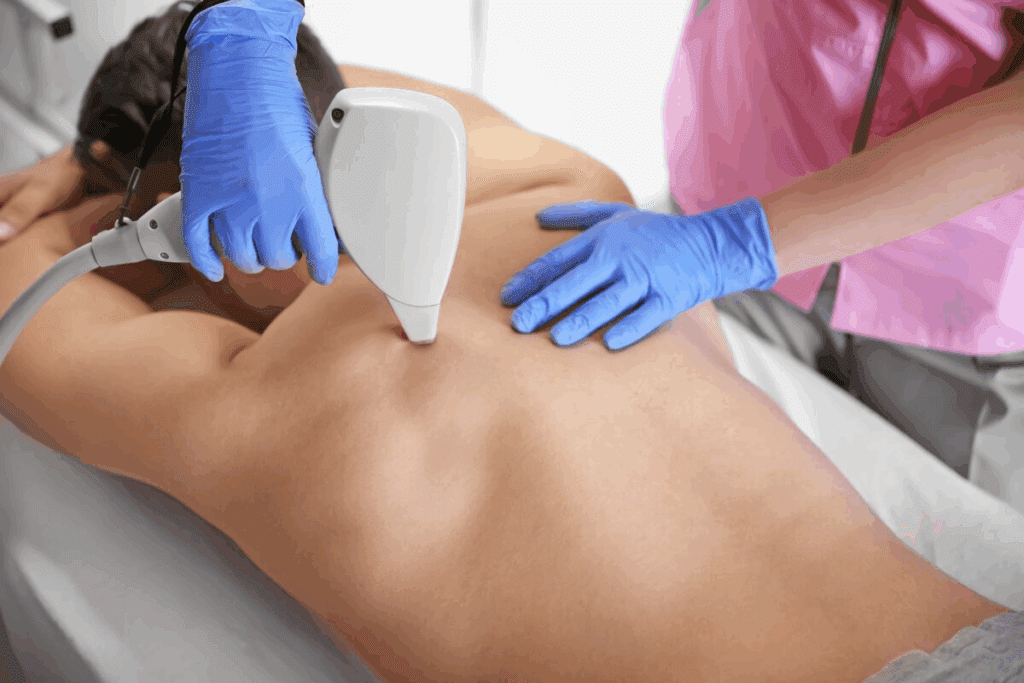
Ablative lasers remove the top skin layers. They also boost collagen and help new skin grow. This makes fine lines, wrinkles, and aging signs look better.
Many people have seen great results from ablative laser treatments. For example, a study found big improvements in skin texture and look.
Learn laser skin resurfacing before and after. Understand the longevity of results clearly.
Key Takeaways
- Ablative lasers offer long-lasting results for facial rejuvenation.
- The treatment involves removing top skin layers and stimulating collagen production.
- Significant improvements in skin texture and appearance can be achieved.
- Ablative laser treatments are effective for reducing fine lines and wrinkles.
- Results can vary based on individual skin types and conditions.
Understanding Ablative Laser Treatments
Ablative laser resurfacing is a non-surgical method that uses laser technology to remove damaged skin layers. This makes the skin look smoother and younger. It’s known for tackling issues like fine lines, wrinkles, and scars.
What is Ablative Laser Resurfacing?
Ablative laser resurfacing uses a laser to remove damaged skin layers. These layers can be harmed by sun exposure, aging, or other factors. Thanks to laser technology advancements, treatments are now safer and more effective.
This process triggers the body’s healing response. It encourages new collagen growth, leading to tighter, smoother skin. It’s often used for facial rejuvenation to reduce lines and wrinkles.
How Ablative Lasers Work
Ablative lasers emit a high-intensity light beam that’s absorbed by skin water. This causes the damaged skin to vaporize. The treatment is done layer by layer, allowing for precise control.
As the skin heals, new collagen forms. This improves the skin’s texture and appearance. The technology behind ablative lasers has improved, leading to better results with fewer side effects.
Types of Ablative Laser Treatments

There are many types of ablative laser treatments. Each has its own benefits and uses. Ablative laser resurfacing is a common cosmetic procedure. It helps with fine lines, wrinkles, and skin color issues.
CO2 lasers and Erbium YAG lasers are the most used. They differ in wavelength, how deep they penetrate, and what skin problems they fix.
CO2 Laser Resurfacing
CO2 laser resurfacing is great for deeper issues like deep wrinkles and scars. It works by using light to vaporize damaged skin. This reveals smoother skin underneath.
Benefits of CO2 Laser Resurfacing:
- Effective for deep wrinkles and scars
- Stimulates collagen production for long-term results
- Can be used on various areas of the face and body
Erbium YAG Laser Resurfacing
Erbium YAG laser resurfacing is known for its precision and gentleness. It’s good for finer lines and skin texture issues.
Key advantages of Erbium YAG Laser Resurfacing include:
- Faster recovery time compared to CO2 lasers
- Less risk of post-inflammatory hyperpigmentation
- Ideal for patients with lighter skin tones or those seeking more subtle improvements
Laser Skin Resurfacing Before and After: What to Expect
If you’re thinking about laser skin resurfacing, knowing what to expect is key. This cosmetic procedure uses lasers to remove damaged skin layers. It aims to improve your skin’s look.
Typical Results for Different Skin Concerns
Laser skin resurfacing can help with many skin issues. These include fine lines, wrinkles, scars, and uneven skin color. How well it works depends on your skin type and condition.
| Skin Concern | Typical Results |
| Fine Lines and Wrinkles | Significant reduction in appearance |
| Scars | Improved skin texture and reduced scar visibility |
| Skin Discoloration | More even skin tone |
Realistic Expectations vs. Marketing Claims
It’s important to know the difference between what’s real and what’s promised. Laser skin resurfacing can work wonders, but it’s not a magic fix. Knowing what to expect based on your skin is essential.
Realistic outcomes include:
- Improved skin texture
- Reduced fine lines and wrinkles
- Faded scars and discoloration
Photographic Evidence: Analyzing Before and After Images
Before and after photos are key to understanding laser skin resurfacing. A study on ablative laser resurfacing showed big improvements in skin texture and look.
Looking at these images helps set realistic hopes. They show how laser skin resurfacing can tackle various skin issues.
The Longevity of Ablative Laser Results
The time ablative laser results last can change a lot. This depends on your skin type and how well you care for it after treatment. Knowing this helps people who are thinking about getting the treatment to know what to expect.
Short-term Results (1-3 months)
Right after the treatment, you’ll see big changes in your skin. It will look smoother, and lines or wrinkles will be less noticeable. But, it’s important to remember that the full effect might not show right away because of swelling and redness.
Medium-term Results (3-12 months)
As your skin heals and regenerates over the next few months, the results will get even better. Your skin’s texture and color will keep improving, and the redness or swelling will go away. This is when your skin starts making new collagen, which helps the treatment last longer.
Long-term Results (1+ years)
The effects of ablative laser can last more than a year. Some studies say that with good care, the results can last for years. Keeping up with a skincare routine, protecting your skin from the sun, and avoiding bad habits can help keep the results going.
| Timeframe | Expected Results | Influencing Factors |
| 1-3 months | Initial improvements in skin appearance | Post-procedure swelling and redness |
| 3-12 months | Continued improvement in skin texture and tone | Collagen production and skin regeneration |
| 1+ years | Long-term skin rejuvenation | Skincare routine, sun protection, lifestyle choices |
By knowing what affects how long ablative laser results last, you can get ready for the treatment better. You can also take steps to make sure the results last as long as possible.
Factors Affecting How Long Ablative Laser Results Last
Many things can affect how long ablative laser results last. Knowing these can help you set the right expectations and make smart choices about your treatment.
Skin Type and Condition
What your skin is like can really impact how long laser results last. People with oily skin, like those with rosacea or acne, might see different results than those with dry skin. A study in the Journal of Clinical and Aesthetic Dermatology shows that skin type can greatly affect how well and long laser treatments work.
| Skin Type | Characteristics | Impact on Laser Results |
| Normal | Balanced skin with moderate oil production | Optimal results with proper care |
| Dry | Less oil production, potentially flaky | May require more moisturizing post-treatment care |
| Oily | Excess oil production, potentially acne-prone | May require more frequent maintenance treatments |
Age and Lifestyle Factors
Age and lifestyle also matter a lot. As we get older, our skin loses collagen and elasticity, which can shorten the results. Things like smoking, too much sun, and a bad diet can also hurt how long the results last. A study in the Journal of Dermatological Treatment shows that smoking can slow down healing and affect laser results.
“Lifestyle changes, like protecting your skin from the sun and eating well, are key to keeping laser results lasting longer.”
Post-Treatment Skincare Routine
What you do after treatment is very important. Keeping up with a good skincare routine can make results last longer. Using products with antioxidants, hyaluronic acid, and other good stuff can help keep your skin healthy and looking good. Dermatologists say using gentle products and protecting your skin from the sun are musts after treatment.
By knowing and dealing with these factors, you can make your ablative laser treatment results last longer and get the most out of them.
The Laser Skin Resurfacing Healing Process
Knowing what to expect after laser skin resurfacing is key. The healing journey has different stages, each with its own needs. It’s important to understand this to care for your skin properly.
Immediate Aftermath (Days 1-3)
The first few days are very important. The treated area might look red, swollen, and even bruised. It’s vital to take good care of it to avoid problems and help it heal.
- Keep the treated area clean and moisturized
- Avoid direct sun exposure
- Follow the practitioner’s instructions for post-care
Early Recovery (Days 4-14)
As the swelling goes down, the skin may start to peel. This is a normal part of healing. Don’t pick or scratch the peeling skin to prevent scars or infections.
| Day | Healing Stage | Care Instructions |
| 4-7 | Peeling/Flaking | Gently cleanse, moisturize |
| 7-14 | Redness Reduction | Continue moisturizing, sun protection |
Complete Healing (2 weeks to 3 months)
While the first healing is fast, it takes months to see the full results. Sticking to a skincare routine and protecting your skin from the sun are critical during this time.
A study shows that good care after treatment greatly affects the outcome. By understanding and following the healing process, you can get the best results and avoid complications.
Comparing Ablative vs. Non-Ablative Laser Treatments
When looking into laser treatments for your skin, it’s key to know the difference between ablative and non-ablative lasers. Both are used for skin resurfacing but have different methods and results.
Differences in Technology and Application
Ablative lasers remove the top skin layers to boost collagen and smooth out skin. They use strong beams to vaporize the skin’s surface. Non-ablative lasers, by contrast, stimulate collagen without harming the skin’s surface. They use gentler beams.
Ablative lasers tackle deep wrinkles, scars, and serious skin issues. Non-ablative lasers are for minor skin problems and those who can’t take time off for ablative treatments.
Differences in Results and Longevity
Ablative lasers give more noticeable and lasting results but need more time to heal. Non-ablative lasers heal faster but might need more sessions for the best look.
| Characteristics | Ablative Lasers | Non-Ablative Lasers |
| Recovery Time | Several weeks | A few days to a week |
| Results | More dramatic, longer-lasting | Subtle, may require multiple sessions |
| Skin Concerns | Deep wrinkles, scars, significant damage | Mild skin concerns, maintenance |
Which Is Right for Your Skin Concerns?
Choosing between ablative and non-ablative lasers depends on your skin issues, desired results, and recovery time. Talking to a dermatologist or skincare expert is vital to find the right treatment for you.
Knowing the differences between ablative and non-ablative lasers helps you choose the best option for your skin and lifestyle.
CO2 Laser Resurfacing: Recovery Time and Results Duration
CO2 laser resurfacing is a top choice for tackling deep skin issues. It uses a carbon dioxide laser to peel away damaged skin. This encourages collagen growth, leading to smoother, younger-looking skin.
Typical CO2 Laser Recovery Timeline
The time it takes to recover from CO2 laser resurfacing depends on the treatment’s depth. Here’s a general outline of the healing stages:
- Immediate Aftermath (0-3 days): Right after, expect redness, swelling, and some discomfort. Stick to a strict skincare routine and might need pain meds.
- Early Recovery (4-14 days): As the skin heals, redness fades. Makeup can be used after 7-10 days to hide any remaining redness.
- Complete Healing (2 weeks to 3 months): Skin keeps getting better in texture and look. Full recovery can take up to three months, based on treatment depth.
How Long Do CO2 Laser Results Last?
Studies show CO2 laser resurfacing results can last years. Several factors affect how long the results last:
- Skin Type and Condition: Healthier skin tends to keep results longer.
- Lifestyle Factors: Sun exposure, smoking, and environmental stressors can shorten results.
- Post-Treatment Skincare: Keeping up with a good skincare routine can extend treatment benefits.
Knowing about recovery and what affects CO2 laser results helps in making better skin care choices.
Fractional CO2 Laser: A Modern Approach to Skin Resurfacing
Fractional CO2 lasers have changed the game in skin treatments. They offer a new way to improve skin, with great results and less downtime.
Benefits of Fractional Technology
Fractional CO2 lasers have many advantages over old methods. Here are some key benefits:
- Reduced Recovery Time: These lasers cause less damage, leading to quicker healing.
- Less Risk of Complications: They leave healthy skin untouched, lowering the chance of problems.
- Customizable Treatment: You can adjust the treatment to fit your specific skin needs.
A study found that fractional CO2 lasers work well for fine lines and wrinkles. People saw big improvements in their skin’s look and feel.
Recovery and Results Timeline
Recovering from a fractional CO2 laser is faster than older methods. Here’s what you can expect:
- Immediate Aftermath: You might feel like you have a mild sunburn, which goes away in a few days.
- Short-term Recovery: Your skin might look pink or bronze for up to a week. It will start to look better as it heals.
- Long-term Results: Your skin will keep getting better over months as collagen builds up.
Best Candidates for Fractional CO2 Treatment
Fractional CO2 lasers are good for many skin issues. They’re great for:
- Fine lines and wrinkles
- Skin laxity
- Scars
- Uneven skin tone
The best people for this treatment are those who want real results and are ready to take care of their skin after. Always talk to a dermatologist or skincare expert to see if it’s right for you.
Laser Treatment for Wrinkles: Effectiveness and Duration
The laser treatment for wrinkles has shown great results in studies. Lasers work well by boosting collagen and smoothing the skin.
Types of Wrinkles Best Treated with Lasers
Lasers can handle many types of wrinkles. They are good for:
- Fine lines around the eyes and mouth
- Deep nasolabial folds
- Wrinkles from sun damage
- Dynamic wrinkles from facial movements
Ablative lasers, like CO2 and Erbium YAG, are best for deep wrinkles. Non-ablative lasers are better for mild wrinkles and upkeep.
Results for Different Facial Areas
The success of laser wrinkle removal varies by area. For example:
- The skin around the eyes needs gentle lasers.
- The forehead and cheeks can handle stronger treatments.
- The mouth area needs careful treatment for deep lines.
Knowing the unique needs of each area is key for the best results with best laser for fine lines and wrinkles.
Customizing laser treatments to fit the individual’s skin and wrinkles leads to lasting results.
Potential Risks and “Laser Resurfacing Gone Wrong” Scenarios
Laser resurfacing is a cosmetic treatment with its own set of risks. It’s generally safe when done by experts. But, there are possible side effects patients should know about.
Common Complications
Common issues with laser resurfacing include redness, swelling, and skin color changes. These problems are usually short-lived but can worry patients. Proper pre- and post-treatment care can help lower these risks.
- Redness and swelling
- Changes in skin pigmentation
- Infection
- Scarring
Serious Adverse Effects
Though rare, serious side effects can happen. These include persistent erythema, scarring, and skin texture changes. It’s important for patients to know about these risks before treatment.
| Adverse Effect | Description | Prevention/ Management |
| Persistent Erythema | Prolonged redness of the skin | Topical corticosteroids, avoiding irritants |
| Scarring | Permanent marks on the skin | Proper wound care, avoiding picking at scabs |
How to Minimize Risks
To lower risks, focus on proper patient selection, expertise in performing the procedure, and adherence to post-treatment care instructions. Patients should be well-informed about risks and how to avoid them.
Knowing the possible complications and taking steps to prevent them helps patients make better choices. It’s key to talk to a qualified practitioner about individual risks and benefits.
Cost vs. Longevity: Is Laser Skin Resurfacing Worth It?
Thinking about laser skin resurfacing often leads to questions about cost and results. This method is popular for fixing fine lines, wrinkles, scars, and skin color issues.
The price of laser skin resurfacing changes based on the laser type, treatment area, and the doctor’s skill. Knowing these costs and how they affect the results is key to making a smart choice.
Average Costs of Different Laser Treatments
Laser skin resurfacing prices vary a lot. Ablative lasers are pricier because they give deeper results and take longer to heal.
| Treatment Type | Average Cost Range | Longevity of Results |
| Ablative Laser Resurfacing | $1,500 – $3,000+ per session | Several years |
| Non-Ablative Laser Resurfacing | $500 – $1,500+ per session | Several months to a few years |
| Fractional CO2 Laser | $1,000 – $2,500+ per session | Several years |
Insurance Coverage Considerations
Laser skin resurfacing is usually not covered by insurance because it’s seen as cosmetic. But, if it’s needed for medical reasons, like treating precancerous spots or scars, insurance might help.
It’s important to talk to your insurance and a doctor to see if you can get coverage.
Cost-Benefit Analysis Over Time
Thinking about the long-term benefits of laser skin resurfacing is important. The upfront cost might seem high, but the lasting results can make it a good value over time.
Key benefits to consider include:
- Long-lasting results that can reduce the need for frequent touch-ups or other cosmetic procedures.
- Improved skin texture and appearance, potentially boosting self-confidence.
- The ability to treat several skin issues with one procedure.
By looking at these benefits and costs, you can decide if laser skin resurfacing fits your budget and beauty goals.
Maximizing the Lifespan of Your Laser Treatment Results
To get the most out of your laser treatment, you need the right skincare and lifestyle changes. Keeping your skin healthy and looking good is key for lasting results.
Skincare Products That Extend Results
Choosing the right skincare products is vital for lasting laser treatment results. Look for products with hyaluronic acid, vitamin C, and retinoids. Hyaluronic acid keeps your skin moist, vitamin C brightens, and retinoids boost collagen.
Choose gentle, non-irritating products that won’t harm your skin’s barrier. Opt for ‘non-comedogenic’ or ‘hypoallergenic’ products to avoid bad reactions.
Sun Protection Strategies
Protecting your skin from the sun is essential to keep your laser treatment looking good. Sun damage can cause wrinkles and age spots, undoing your laser treatment’s benefits.
Use a broad-spectrum sunscreen with at least SPF 30 every day. Reapply every two hours or after swimming or sweating. Wearing protective clothes and staying in the shade when it’s sunny also helps.
- Use a broad-spectrum sunscreen daily
- Reapply sunscreen every two hours
- Wear protective clothing
- Seek shade when the sun is strongest
Lifestyle Changes for Longer-Lasting Results
For lasting laser treatment results, adopt healthy habits. Eat a diet full of antioxidants, drink plenty of water, and don’t smoke. These habits keep your skin strong and healthy.
Regular exercise boosts circulation and skin health. Stay away from too much alcohol and manage stress to keep your skin looking its best.
By following these tips, you can enjoy your laser treatment results for a longer time. Your skin will stay healthy and look younger for longer.
When to Consider Repeat Treatments
The results of laser treatments last different lengths of time. It’s key to know when you might need more sessions. This depends on the laser type, your skin issues, and what you want to achieve.
Signs That It’s Time for Another Treatment
There are clear signs you might need another laser treatment. These include:
- Return of skin concerns: If wrinkles, fine lines, or spots come back, you might need another treatment.
- Loss of skin texture improvement: If your skin’s texture starts to worsen, you might need a repeat treatment.
- Changes in skin condition: New issues like age spots or sun damage might need laser sessions.
Recommended Intervals Between Treatments
The time between laser treatments varies. It depends on the laser type and your skin issue.
| Treatment Type | Recommended Interval |
| CO2 Laser Resurfacing | 1-2 years |
| Erbium YAG Laser Resurfacing | 1-3 years |
| Fractional CO2 Laser | 6-12 months |
Getting regular maintenance treatments can keep your laser results looking good. Clinical guidelines suggest spacing treatments right to make them more effective and lasting.
Knowing when you need more treatments and following the recommended intervals can help you keep your skin looking young and healthy.
Conclusion: Making an Informed Decision About Ablative Laser Treatments
Ablative laser treatments are great for many skin issues like wrinkles, scars, and uneven skin tone. Knowing the good and bad about these treatments helps people decide if they’re right for them.
The lasting effects of ablative laser treatments depend on several things. These include your skin type, age, and how well you take care of your skin after treatment. Keeping up with a good skincare routine and avoiding too much sun helps keep your results looking good longer.
Before getting ablative laser treatments, it’s important to know what to expect and the possible risks. This way, you can make a smart choice and get the best results. This leads to a younger and brighter look.
FAQ
What is ablative laser resurfacing?
Ablative laser resurfacing is a non-surgical treatment. It uses a laser to remove damaged skin layers. This promotes collagen production, leading to smoother, tighter skin.
How long do ablative laser results last?
Results from ablative laser resurfacing can last several years. This depends on your skin type, age, lifestyle, and skincare routine after treatment.
What is the difference between CO2 and Erbium YAG laser resurfacing?
CO2 laser resurfacing is more aggressive. It’s used for deeper wrinkles and scars. Erbium YAG laser resurfacing is less invasive. It’s often used for finer lines and superficial skin concerns.
How long does it take to recover from CO2 laser resurfacing?
Recovery from CO2 laser resurfacing can take days to weeks. It depends on the treatment depth and your healing.
Are laser facials safe?
Laser facials are safe when done by a qualified professional. But, they may carry risks like infection, scarring, or skin color changes.
How many laser treatments are needed for optimal results?
The number of treatments needed varies. It depends on your skin concerns and goals. Usually, it ranges from one to three sessions.
Can laser resurfacing be used on all skin types?
Laser resurfacing can be used on many skin types. But, some skin tones or conditions may need special care or alternative treatments.
How long does fractional CO2 laser treatment last?
Results from fractional CO2 laser treatment can last years. It depends on your skin type, age, and skincare routine after treatment.
What are the benefits of fractional CO2 laser technology?
Fractional CO2 laser technology offers benefits. It has less downtime, less risk of complications, and treats fine lines, wrinkles, and skin texture effectively.
How can I maximize the lifespan of my laser treatment results?
To make your laser treatment results last longer, use sun protection. Maintain a consistent skincare routine. Adopt healthy lifestyle habits.
When should I consider repeat laser treatments?
Consider repeat laser treatments when signs of aging or skin concerns return. This is usually within several years after the initial treatment.
How much does laser skin resurfacing cost?
Laser skin resurfacing costs vary. It depends on location, provider, and treatment area. Costs can range from hundreds to thousands of dollars per session.
Is laser resurfacing worth the cost?
Laser resurfacing can be a good investment for those wanting to improve their skin. But, it’s important to consider the costs against your benefits and expectations.
References
National Center for Biotechnology Information. Evidence-Based Medical Insight. Retrieved from https://www.ncbi.nlm.nih.gov/books/NBK557474/