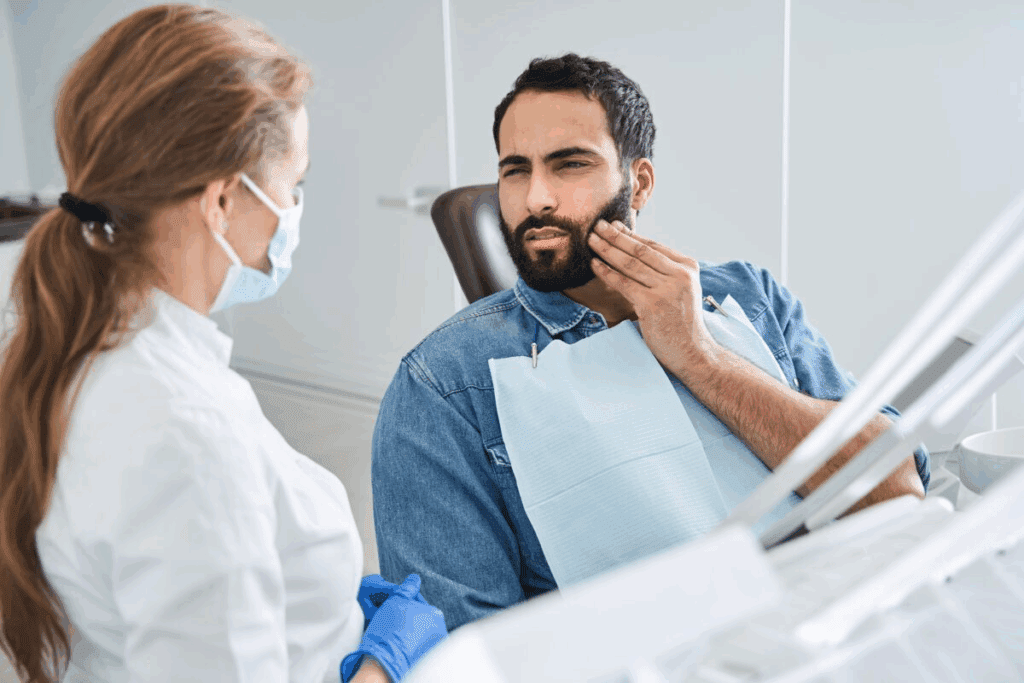
Pain in your jaw and ear while chewing is common. Millions of people worldwide face this issue. Yet, many don’t know the reasons behind it left ear and jaw hurts.
The temporomandibular joint (TMJ) is key for jaw movement. It’s found on each side of the head, in front of the ears. TMJ disorders often cause this pain.
At Liv Hospital, we use medical know-how and international standards. We aim to find and fix the source of your pain. This ensures you get the best care possible.
Key Takeaways
- TMJ disorders are a primary cause of jaw and ear pain when chewing.
- The temporomandibular joint is located on each side of the head in front of the ears.
- Millions of people worldwide experience jaw and ear pain while chewing.
- Liv Hospital offers patient-centered care with international standards.
- Comprehensive diagnosis and treatment are available for TMJ disorders.
The Anatomy Behind Jaw and Ear Pain

Jaw and ear pain often go hand in hand. Understanding their connection can help a lot. The temporomandibular joint (TMJ) is key in this connection.
The Temporomandibular Joint Structure
The TMJ is like a sliding hinge. It connects the jawbone to the skull. It’s near the ear and is vital for chewing, speaking, and yawning.
The TMJ has bone, cartilage, and ligaments. These work together for smooth jaw movements.
How the TMJ Connects to the Ear
The TMJ is close to the ear. This closeness is why TMJ problems can cause ear pain. Issues with the TMJ can lead to ear discomfort.
Shared Nerve Pathways Between Jaw and Ear
The trigeminal nerve is important for pain in both the jaw and ear. It has branches for both areas. When the TMJ is upset, it can send pain signals to both the jaw and ear.
Knowing about these nerve pathways is key for diagnosing and treating pain. The TMJ’s complex structure means pain can move from one area to another.
| Anatomical Structure | Function | Relation to Pain |
|---|---|---|
| Temporomandibular Joint (TMJ) | Connects jawbone to skull, facilitating jaw movement | Dysfunction can cause pain in jaw and ear |
| Trigeminal Nerve | Provides sensation to face, including jaw and ear | Shared nerve pathways can lead to referred pain |
Temporomandibular Joint (TMJ) Disorders Explained
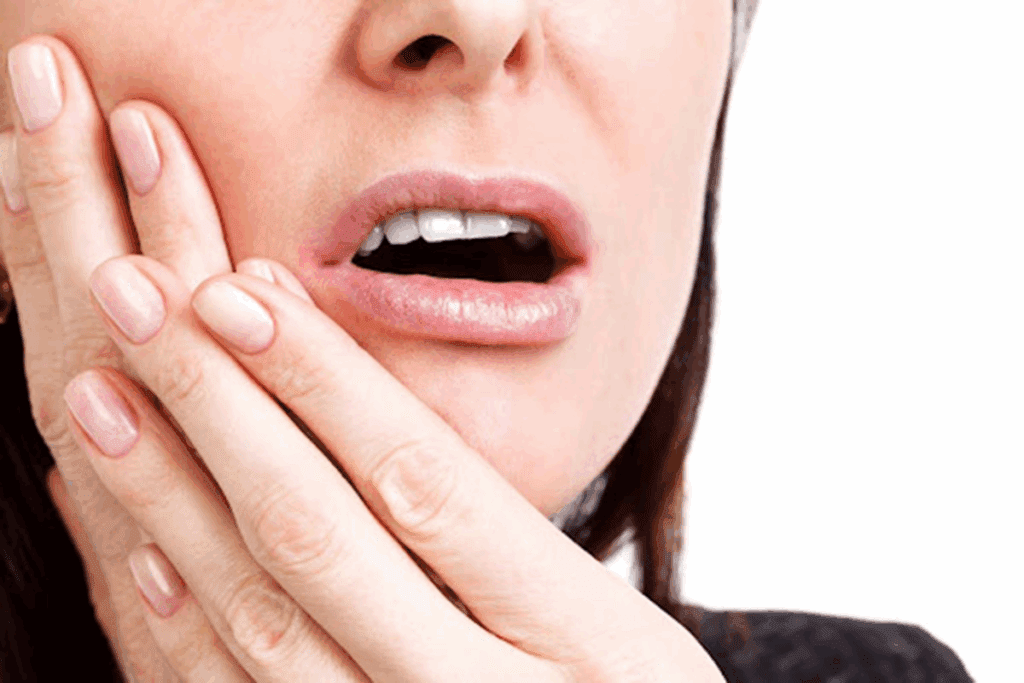
TMJ disorders affect the jaw joint and muscles, causing pain under the right jaw and ear. They are a main reason for jaw and ear pain. Knowing about their types and how they develop is key.
Types of TMJ Disorders
TMJ disorders fall into several types based on their causes and symptoms. The main types are:
- Internal Derangement: This is when a disc in the TMJ gets out of place, causing pain and jaw stiffness.
- Degenerative Joint Disease: Conditions like osteoarthritis can wear down the joint, leading to pain and stiffness.
- Myofascial Pain: This is when the muscles controlling jaw function get sore or painful.
Prevalence and Demographics
TMJ disorders are more common in women aged 30 to 50. About 10 million people in the United States have TMJ disorders, with women being more affected.
| Demographic | Prevalence |
|---|---|
| Women aged 30-50 | Higher prevalence |
| Men | Less common |
| Total affected in the US | Approximately 10 million |
How TMJ Disorders Develop
TMJ disorders can start from habits like teeth grinding, stress, or conditions like arthritis. These factors often work together to cause TMJ disorders.
Common causes of TMJ disorders include:
- Teeth Grinding and Clenching: Grinding or clenching can strain the TMJ and cause pain.
- Stress and Anxiety: High stress can make you clench your jaw, leading to TMJ disorders.
- Arthritis: Conditions like osteoarthritis and rheumatoid arthritis can affect the TMJ.
Knowing these causes is important for preventing and treating TMJ disorders.
Why “Left Ear and Jaw Hurts” Is a Common Complaint
Many people experience pain on one side, like the left ear and jaw hurting. This pain on one side can be puzzling and worrying.
Unilateral Pain Patterns
Unilateral pain, where pain is on one side of the face, is common in TMJ disorders. This pain can show up as ear pain that moves to the jaw or the other way around. This makes it hard to diagnose and treat.
Several things cause this one-sided pain:
- Anatomical asymmetry
- Dominant side effects on TMJ wear and tear
- Referred pain mechanisms
Referred Pain Mechanisms
Referred pain happens when pain is felt in a place other than where it started. For TMJ disorders, pain can move from the jaw to the ear or the other way. This is because of the complex nerve connections.
The trigeminal nerve, which handles face sensation, and the auriculotemporal nerve, which supplies the ear, share paths. This can cause referred pain. Knowing this is key for correct diagnosis.
Dominant Side Effects on TMJ Wear and Tear
Most people chew on one side more, which can wear down the TMJ unevenly. This uneven stress can cause pain on the dominant side, leading to complaints like “left ear and jaw hurts.”
Things that make dominant side effects worse include:
- Bruxism (teeth grinding and clenching)
- Poor dental alignment
- Stress and anxiety leading to increased muscle tension
Understanding these factors helps us diagnose and treat TMJ-related unilateral pain better.
Beyond TMJ: Other Causes of Jaw and Ear Pain
Jaw and ear pain can come from many sources, not just TMJ disorders. It’s important to look at other medical conditions too. TMJ issues are common, but other problems can also cause pain.
Ear Infections and Middle Ear Disorders
Ear infections, like otitis media, can cause a lot of pain. This pain might spread to the jaw. Middle ear problems can also make you feel like your ear is clogged and hurt your jaw.
These issues usually come from bacteria or viruses. Symptoms include fever, hearing loss, and feeling like your ear is full.
Common symptoms of ear infections include:
- Ear pain
- Fever
- Hearing loss
- Dizziness
Dental Problems That Radiate to the Ear
Dental problems like abscessed teeth or gum disease can also cause jaw and ear pain. These issues need dental care to fix the pain’s source.
Dental problems to watch out for:
- Tooth abscess
- Impacted wisdom teeth
- Gum disease
Sinus Infections and Their Impact
Sinus infections, or sinusitis, can hurt the face, including the jaw and ears. This is because the sinuses are close to these areas. Sinusitis can be caused by infections, allergies, or inflammation.
Symptoms of sinusitis may include:
- Facial pain
- Nasal congestion
- Headaches
- Pain in the upper teeth
Salivary Gland Disorders
Problems with the salivary glands, like sialadenitis or stones, can also cause jaw and ear pain. These issues often come from infections or blockages in the glands.
Symptoms of salivary gland disorders:
- Pain when eating
- Swelling in the salivary gland area
- Dry mouth
Lifestyle Factors That Trigger Jaw and Ear Pain
It’s important to know how our daily habits affect our jaw and ears. Our choices can greatly impact their health.
Bruxism: Teeth Grinding and Clenching
Bruxism, or grinding and clenching teeth, is a common cause of jaw and ear pain. It often happens when we sleep or when we’re stressed. This habit puts strain on the TMJ and muscles.
To fight bruxism, try these tips:
- Use a mouthguard or splint to protect your teeth
- Practice relaxation techniques, such as meditation or deep breathing
- Avoid chewing gum or hard foods that can make it worse
Stress and Anxiety Effects on Jaw Muscles
Stress and anxiety can really hurt our jaw muscles. When we’re stressed, we might clench our jaws or grind our teeth. This strains the TMJ even more.
It’s key to manage stress to ease jaw and ear pain. Try:
- Yoga
- Progressive muscle relaxation
- Cognitive-behavioral therapy
These can help lower stress and ease jaw tension.
Poor Posture and Neck Alignment
Poor posture and neck alignment can also cause jaw and ear pain. When our neck is off, it can mess with the TMJ and cause discomfort.
Good posture and neck alignment are important. Think about:
- Ergonomic adjustments to your workspace
- Regular stretching and strengthening exercises for the neck
- Physical therapy to improve posture and alignment
Dietary Habits and Excessive Chewing
Our diet can also affect our jaw and ears. Eating too much or hard foods can strain the TMJ and cause pain. Foods that are tough to chew, like hard candies, can make it worse.
To avoid jaw and ear pain from diet, try these:
| Dietary Change | Benefit |
|---|---|
| Avoiding hard or chewy foods | Reduces strain on the TMJ |
| Eating softer foods | Lessens the workload on the jaw |
| Cutting food into smaller pieces | Decreases the need for excessive chewing |
Changing your diet can help reduce jaw and ear pain from chewing too much.
Recognizing Symptoms: When Pain Signals a Problem
It’s important to know the signs of TMJ-related ear pain for the right treatment. The TMJ is key for chewing, speaking, and yawning. Problems with it can cause jaw and ear pain.
Common Symptoms of TMJ-Related Ear Pain
TMJ disorders show up in different ways. You might feel sharp pain in the jaw by the ear or jawline pain under the ear. These feelings can happen all the time or just sometimes. You might also hear clicking or popping sounds when you move your mouth.
The pain from TMJ issues can feel dull or sharp. It might just be in your jaw or spread to your ear, face, or neck. Sometimes, the pain feels like it’s coming from somewhere else, even though it’s not.
Pain Patterns During Chewing
Pain while chewing is a big sign of TMJ-related ear pain. Eating hard foods can make it worse. The pain might only happen when you chew or it could be constant.
| Pain Characteristic | Description |
|---|---|
| Location | Jaw, ear, face, or neck |
| Nature | Dull and aching or sharp and stabbing |
| Triggers | Chewing, yawning, or loud noises |
Associated Symptoms: Clicking, Popping, and Limited Movement
TMJ disorders can also cause clicking, popping, or grating sounds. Some people might find it hard to move their jaw or have it lock up. This makes it tough to open or close your mouth fully.
As one expert says, “TMJ disorders can really affect your life. They can make eating, speaking, and even sleeping hard.”
“The complexity of TMJ disorders requires a complete approach to diagnosis and treatment.”
– Medical Expert, TMJ Specialist
Red Flags That Require Immediate Attention
While many TMJ symptoms can be treated without surgery, some need quick medical help. Look out for severe pain, sudden jaw stiffness, or serious jaw injury.
- Severe pain or swelling
- Sudden inability to move the jaw
- Significant trauma to the jaw
- Fever or signs of infection
Diagnosing the Source of Your Jaw and Ear Pain
When you feel jaw pain on the left side by the ear or jaw pain near the ear on one side, finding the cause is key. Doctors use a mix of your medical history, a physical check-up, and sometimes scans to figure it out.
Medical History and Physical Examination
First, doctors ask about your health history to spot any possible causes of pain. They want to know when the pain started, how long it lasts, and what makes it better or worse.
Then, they do a physical exam. They check how well your jaw moves, feel the TMJ and muscles, and look for tenderness or clicking. The American Academy of Oral and Maxillofacial Pathology says a good physical exam is vital for TMJ disorder diagnosis.
Imaging Tests and Their Purposes
If the first steps don’t show enough, doctors might use scans to look closer at the TMJ and nearby areas. They might use:
- Panoramic radiographs to see the TMJ and bones
- Computed Tomography (CT) scans for detailed bone and joint views
- Magnetic Resonance Imaging (MRI) to check soft tissues like the disc and muscles
| Imaging Test | Purpose |
|---|---|
| Panoramic Radiograph | Assess TMJ and surrounding bone |
| CT Scan | Detailed bone and joint structure |
| MRI | Evaluate soft tissues, disc, and muscles |
Specialized TMJ Evaluations
In some cases, doctors need to do more to find the problem. This might include:
- TMJ arthroscopy to see the joint directly
- Electromyography (EMG) to check jaw muscle activity
- Joint vibration analysis to find odd vibrations in the TMJ
A study in the Journal of Oral and Maxillofacial Surgery says finding the right diagnosis is the first step to treating TMJ disorders. By using these methods, doctors can find the cause of your pain and plan the right treatment.
Which Specialist Should You See?
Choosing the right specialist for jaw and ear pain can be tough. The specialist you need depends on the cause of your symptoms.
When to Consult a Dentist
A dentist is often the first to see for jaw pain. This is true if the pain is from teeth grinding or TMJ issues. They can check your teeth and suggest treatments like mouthguards or orthodontics.
When an ENT (Otolaryngologist) Is Needed
See an ENT if you have ear pain with hearing loss, tinnitus, or discharge. They can diagnose and treat ear and sinus problems.
The Role of Oral and Maxillofacial Surgeons
Oral and maxillofacial surgeons handle jaw, face, and mouth surgeries. They’re for conditions needing surgery, like jaw misalignment or TMJ disorders.
Physical Therapists and TMJ Specialists
Physical therapists help with jaw pain through exercises. TMJ specialists treat TMJ disorders with various treatments, from simple to complex.
When choosing a specialist, consider these factors:
| Specialist | Symptoms |
|---|---|
| Dentist | Tooth pain, jaw clicking, teeth grinding |
| ENT (Otolaryngologist) | Ear pain, hearing loss, tinnitus, ear discharge |
| Oral and Maxillofacial Surgeon | Jaw misalignment, severe TMJ pain, facial trauma |
| Physical Therapist/TMJ Specialist | Jaw stiffness, limited jaw mobility, chronic jaw pain |
Understanding your symptoms and choosing the right specialist can help you get better faster. This way, you can find relief from jaw and ear pain.
Treatment Options for Jaw and Ear Pain
Managing jaw and ear pain often needs a mix of self-care and medical help. The best plan is one that fits the person’s specific needs. It should consider the cause and how bad the pain is.
Self-Care and Home Remedies
For mild pain, simple steps can help. These include:
- Avoiding hard or chewy foods that can make jaw pain worse
- Using heat or cold packs on the affected area
- Doing things that reduce stress, like meditation or yoga, to stop teeth grinding
- Keeping a good posture to avoid jaw and neck strain
Medications for Pain Management
When simple steps don’t work, medicines can help. Common ones are:
| Medication Type | Use | Examples |
|---|---|---|
| Over-the-counter pain relievers | Reduce pain and inflammation | Ibuprofen, Acetaminophen |
| Muscle relaxants | Relax jaw muscles | Cyclobenzaprine |
| Anti-anxiety medications | Reduce stress-related jaw clenching | Clonazepam |
Dental Treatments and Oral Appliances
Dental treatments can help with TMJ pain. These include:
- Custom-made oral appliances or splints to stop teeth grinding
- Fixing dental issues to correct bites
- Orthodontic treatment to align teeth and improve jaw function
Physical Therapy Approaches
Physical therapy can also help with jaw and ear pain, mainly with TMJ or muscle issues. It may include:
- Jaw exercises to improve mobility and strength
- Manual therapy to relax tense muscles
- Modalities like ultrasound or electrical stimulation to reduce pain and inflammation
By using these treatments together, people with jaw and ear pain can find relief. It’s important to talk to healthcare experts to find the right plan.
Conclusion: Living Well Despite Jaw and Ear Pain
Lower jaw pain and ear pain can really get in the way of daily life. We’ve looked into how the TMJ and ear pain are connected. We’ve also talked about the different reasons, signs, and ways to treat these issues.
It’s very important to see a doctor if you’re feeling jaw or ear pain. The right diagnosis and treatment can help you feel better. Living with pain is tough, but with the right care, you can manage it and live better.
Knowing what causes jaw and ear pain is the first step to managing it. There are many ways to help, like self-care, dental work, or physical therapy. We’re dedicated to providing top-notch healthcare and support. We want to help you through your treatment journey.
FAQ
What is the connection between jaw pain and ear pain?
The TMJ is near the ear. The nerves for the jaw and ear are connected. So, pain in one can be felt in the other.
Why does my jaw and ear hurt on one side when I chew?
TMJ disorders can cause pain on one side. So can ear infections or dental problems.
Can stress cause jaw and ear pain?
Yes, stress can lead to bruxism. This can cause jaw pain and ear pain because of shared nerves.
What are the common symptoms of TMJ disorders?
Symptoms include jaw pain and tenderness. You might hear clicking or popping sounds. Chewing can be hard, and you might feel ear pain or fullness.
How are TMJ disorders diagnosed?
Doctors look at your medical history and do a physical exam. They might use X-rays or scans to check the TMJ.
What treatment options are available for jaw and ear pain caused by TMJ disorders?
Treatments include eating soft foods and avoiding jaw strain. Medications can help with pain. Dental treatments and physical therapy are also options.
When should I see a specialist for jaw and ear pain?
See a dentist for dental issues. An ENT specialist can help with ear problems. For TMJ disorders, consider an oral surgeon or physical therapist.
Can lifestyle changes help alleviate jaw and ear pain?
Yes, managing stress and improving posture can help. Avoiding hard foods and not grinding your teeth also helps.
Are there any red flags that indicate I need immediate medical attention for jaw and ear pain?
Yes, seek help for severe pain, sudden hearing loss, or jaw locking. Also, pain with fever or swelling is a red flag.
Can jaw and ear pain be a sign of a more serious condition?
Jaw and ear pain can be from TMJ or dental issues. But, it can also be a sign of infections or diseases. Seek medical help if symptoms are severe.
References
Government Health Resource. Jaw and Ear Pain During Chewing: TMJ Dysfunction. Retrieved from https://www.nidcr.nih.gov/health-info/tmd