
Diagnosing leukemia can be tough because its symptoms are not clear. Also, lab tests can show similar results to other health issues.
At Liv Hospital, we understand how key it is to get the right diagnosis fast. Many conditions can look like leukemia. So, doctors need to know these look-alikes to give the best care.
Odd FBC results can mean different things. Sometimes, people can have leukemia without any clear signs. That’s why regular health checks and detailed tests are so important.
Key Takeaways
- Several conditions can mimic the presentation of leukemia, complicating the diagnosis process.
- Accurate and timely diagnosis is critical for effective treatment.
- Liv Hospital is committed to delivering world-class healthcare with complete support.
- Abnormal blood test results can indicate various conditions, not just leukemia.
- Regular check-ups and thorough evaluations are vital for early detection.
The Clinical Presentation of Leukemia
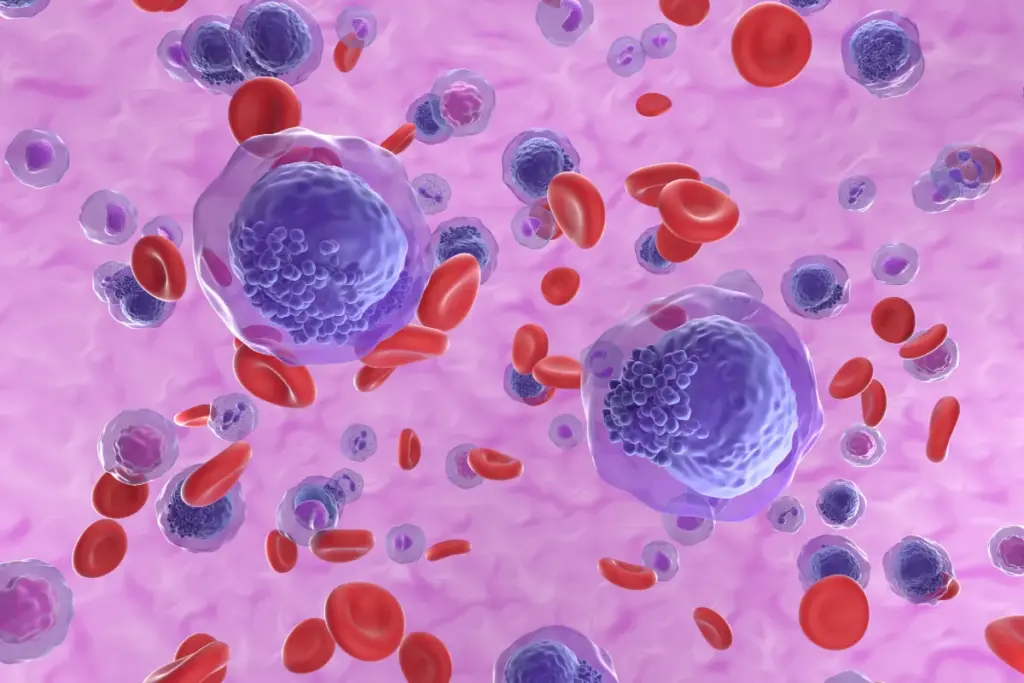
Leukemia shows specific signs and symptoms that set it apart from other blood disorders. We’ll dive into these details to see how it’s diagnosed and distinguished from other conditions.
Cardinal Signs and Symptoms
Leukemia’s symptoms can be tricky to spot because they’re similar to other illnesses. Common signs include:
- Fatigue and weakness, often due to anemia or bone marrow failure.
- Weight loss, which can occur due to the body’s increased metabolic rate.
- Fever and night sweats, indicative of an underlying infection or the disease process itself.
- Bleeding or bruising, resulting from thrombocytopenia or platelet dysfunction.
- Pain in the bones or joints, caused by the accumulation of malignant cells in the bone marrow.
Common Laboratory Abnormalities

Laboratory tests are key in diagnosing leukemia. Common findings include:
- Anemia, indicated by low hemoglobin or hematocrit levels.
- Thrombocytopenia or thrombocytosis, reflecting abnormalities in platelet count.
- Leukocytosis or leukopenia, indicating an abnormal white blood cell count.
- Blasts in the peripheral blood, a hallmark of acute leukemia.
Chronic pulmonary infections can also cause symptoms like persistent cough, fever, and weight loss. This makes diagnosis tricky. A detailed diagnostic process is needed to accurately diagnose leukemia.
Variations Across Leukemia Types
The symptoms of leukemia can differ based on the type. For example:
- Acute Leukemia often presents acutely with severe symptoms like bleeding, infection, or organ failure.
- Chronic Leukemia may have a more insidious onset, with symptoms developing over months or years.
Knowing these differences is key for accurate diagnosis and treatment. We’ll explore these differences further in the next sections.
The Challenge of Leukemia Diagnosis
Diagnosing leukemia is tricky because its symptoms can look like other health issues. This can lead to patients being misdiagnosed or getting a late diagnosis. This can really affect how well they do in treatment.
Overlapping Symptoms With Other Conditions
Leukemia symptoms can be hard to spot because they’re similar to many other diseases. For example, autoimmune diseases can cause symptoms that look like chronic myelomonocytic leukemia (CMML). Autoimmune conditions like rheumatoid arthritis or lupus can also cause symptoms like fatigue, fever, and changes in blood counts.
Also, infections and other blood cancers can look like leukemia. We’ve seen cases where people with frequent infections were thought to have leukemia because of their blood counts.
- Autoimmune diseases inducing cytopenias and monocytosis
- Infections causing hematologic abnormalities
- Other hematologic malignancies with similar presentations
Statistical Frequency of Misdiagnosis
Research shows that leukemia is often misdiagnosed. A big number of patients with leukemia are first thought to have other conditions. It’s important to know about misdiagnosed leukemia stories to understand the problems patients and doctors face.
“The diagnosis of leukemia can be challenging due to its nonspecific symptoms and the presence of similar conditions.”
Medical Literature Review
Impact of Delayed or Incorrect Diagnosis
A wrong or late diagnosis of leukemia can really hurt patient outcomes. A late diagnosis can let the disease get worse, making treatment harder. We need to make sure diagnoses are right and fast to help patients get the right treatment.
In some cases, patients might be diagnosed with leukemia and lymphoma at the same time. Or they might change from one type of cancer to another. It’s key to understand these complexities to make good treatment plans.
By knowing the challenges in diagnosing leukemia and the similarities with other conditions, we can get better at diagnosing. This will help us give our patients the best care possible.
Infectious Diseases That Mimic Leukemia
Infectious diseases can look a lot like leukemia, making it hard to diagnose. They share similar symptoms and lab results. This can make it tricky to tell leukemia apart from some infections.
Chronic Bacterial Infections
Chronic bacterial infections can make blood cells react in ways that look like leukemia. For example, tuberculosis or brucellosis can cause a rise in white blood cells. This can be mistaken for leukemia because of the presence of immature white blood cells. Experts say diagnosing leukemia needs careful thought and lab results.
Viral Infections
Viral infections, like those from Epstein-Barr virus (EBV) or cytomegalovirus (CMV), can change blood in ways that look like leukemia. They can cause an increase in lymphocytes, which might be confused with lymphoid leukemia. Atypical lymphocytes in the blood are a key sign of these infections.
Fungal Infections
Fungal infections, like histoplasmosis or cryptococcosis, can also cause blood changes that look like leukemia. They can suppress the bone marrow or cause reactive changes that look like leukemia. It’s important to do a detailed diagnostic workup to tell these infections apart from leukemia.
When we’re trying to diagnose leukemia, we must think about infectious diseases too. This helps make sure patients get the right diagnosis and treatment.
Autoimmune Conditions Resembling Leukemia
Autoimmune conditions can sometimes look like leukemia, making it hard to diagnose. These conditions can cause symptoms like cytopenias and organomegaly. They can also cause systemic symptoms that are similar to leukemia.
Autoimmune Cytopenias
Autoimmune cytopenias happen when the immune system attacks and destroys blood cells. This can lead to anemia, neutropenia, or thrombocytopenia, just like in leukemia. For example, autoimmune hemolytic anemia (AIHA) can cause fatigue and pallor due to anemia.
To diagnose autoimmune cytopenias, doctors use lab tests like direct antiglobulin tests (DAT). These tests check for antibodies against red blood cells. Treatment often includes immunosuppressive therapy to improve symptoms and cytopenias.
Systemic Autoimmune Diseases
Systemic autoimmune diseases, like systemic lupus erythematosus (SLE), can also look like leukemia. SLE can cause cytopenias and lymphadenopathy, along with systemic symptoms like fever and weight loss. The presence of specific autoantibodies, such as antinuclear antibodies (ANA), is a key sign of SLE.
A study in Nature found that diagnosing autoimmune diseases versus leukemia needs a detailed approach. This includes clinical evaluation, lab tests, and sometimes bone marrow examination.
|
Condition |
Key Features |
Diagnostic Tests |
|---|---|---|
|
Autoimmune Hemolytic Anemia (AIHA) |
Anemia, jaundice, fatigue |
Direct Antiglobulin Test (DAT), CBC |
|
Systemic Lupus Erythematosus (SLE) |
Cytopenias, lymphadenopathy, systemic symptoms |
Antinuclear Antibody (ANA) test, CBC, renal function tests |
|
Immune Thrombocytopenic Purpura (ITP) |
Thrombocytopenia, purpura |
Platelet count, bone marrow biopsy |
It’s important to understand autoimmune conditions that can look like leukemia. By using clinical knowledge and the right tests, doctors can accurately diagnose and treat these conditions.
Other Hematologic Disorders That Mimic Leukemia
Other blood cancers, like myelodysplastic syndromes and myeloproliferative neoplasms, can look like leukemia. They share similar symptoms and lab results, making diagnosis tricky. Doctors need to know how to tell them apart.
Myelodysplastic Syndromes (MDS)
Myelodysplastic syndromes are disorders where blood cells don’t work right. This leads to low blood counts and a chance of turning into leukemia. Symptoms include tiredness, infections, and bleeding.
Lab tests show anemia, low white blood cells, and low platelets, but the bone marrow looks busy. A study in a medical journal noted that MDS can be hard to tell from leukemia, even when the bone marrow has almost as many abnormal cells as leukemia does.
“The diagnosis of MDS requires a detailed look, including bone marrow biopsy and genetic tests, to tell it apart from other blood cancers.”
Myeloproliferative Neoplasms (MPN)
Myeloproliferative neoplasms are when blood cells grow too much. Conditions like polycythemia vera, essential thrombocythemia, and primary myelofibrosis can look like leukemia. They cause big spleens, too many white blood cells, and too many platelets.
- Polycythemia vera: Has too many red blood cells.
- Essential thrombocythemia: Has too many platelets.
- Primary myelofibrosis: Has bone marrow scarring and blood-making outside the bone marrow.
Lymphoproliferative Disorders
Lymphoproliferative disorders are when lymphocytes grow too much. This includes non-Hodgkin lymphoma and CLL/SLL. They can cause swollen lymph nodes, big spleens, and too many lymphocytes.
Doctors use tests like immunophenotyping and genetic studies to figure out what’s going on. A doctor said, “Getting the right diagnosis is key because treatments for these disorders are different from leukemia.”
Medication-Induced Changes That Resemble Leukemia
Medications can make it hard to tell if someone has leukemia. Some drugs can change blood cell counts in ways that look like leukemia. This makes it tough to know for sure if someone has the disease.
Common Medications That Affect Blood Counts
Many types of drugs can mess with how blood cells are made. This can lead to changes that look like leukemia. Here are some examples:
- Corticosteroids: Can change white blood cell counts.
- Antibiotics: Some antibiotics can harm bone marrow.
- Chemotherapy agents: These can greatly change blood counts.
- Growth factors: Help make more blood cells, but can also cause odd counts.
|
Medication Class |
Effect on Blood Counts |
Potential Leukemia Mimicry |
|---|---|---|
|
Corticosteroids |
Increased white blood cell count |
May mimic leukemia with elevated WBC |
|
Certain Antibiotics |
Decreased white blood cell count |
Can resemble aplastic anemia or leukemia |
|
Chemotherapy Agents |
Variable effects on blood counts |
Can cause changes that mimic various leukemia types |
Chemotherapy-Related Effects
Chemotherapy can cause changes that look like leukemia. It can mess with the bone marrow, leading to low blood counts. This makes it hard to tell if someone really has leukemia.
It’s important to understand how these changes happen. Some chemotherapy can first increase blood cell counts and then lower them. This can make diagnosis tricky.
Differentiating Drug Effects From True Leukemia
To tell if changes are from medication or leukemia, doctors need to look closely. They consider:
- The patient’s history, including what medicines they take.
- Lab tests like complete blood counts and smears.
- Maybe a bone marrow test to see how much marrow is affected.
By looking at these things, doctors can usually tell if someone has leukemia or not. They can then treat the right condition.
Non-Hematologic Cancers With Leukemia-Like Presentations
Non-hematologic cancers can look like leukemia. This is because they affect the bone marrow and blood cells. They can cause symptoms that are similar to leukemia, making it hard to diagnose.
Metastatic Disease to Bone Marrow
Non-hematologic cancers can spread to the bone marrow. This includes cancers like breast, lung, and prostate cancer. When they do, they can change how blood cells are made. This can lead to anemia, low platelets, or low white blood cells.
- Common Cancers Metastasizing to Bone Marrow:Breast Cancer
- Lung Cancer
- Prostate Cancer
Paraneoplastic Hematologic Changes
Some non-hematologic cancers can cause changes in the blood. These changes can look like leukemia. This is due to paraneoplastic syndromes, which are side effects of cancer.
Examples of Paraneoplastic Syndromes:
- Erythrocytosis associated with renal cell carcinoma
- Thrombocytosis seen with various solid tumors
Case Examples and Frequency
There are cases where non-hematologic cancers have shown leukemia-like symptoms. For example, a patient with breast cancer in the bone marrow might have pancytopenia. This is also seen in acute leukemia.
|
Cancer Type |
Leukemia-like Presentation |
|---|---|
|
Breast Cancer |
Pancytopenia |
|
Lung Cancer |
Leukemoid Reaction |
In conclusion, non-hematologic cancers can mimic leukemia. This is due to metastasis to the bone marrow or paraneoplastic changes. It’s important to recognize these to make the right diagnosis and treatment plan.
Key Laboratory Findings in Leukemia Mimics
Laboratory tests are key in telling leukemia apart from its look-alikes. When we’re trying to figure out if someone has leukemia, we look at many lab results. These help us tell it apart from other conditions that might look similar.
Complete Blood Count Patterns
A complete blood count (CBC) is a basic test for diagnosing leukemia. It tells us about the different parts of blood, like white and red blood cells, and platelets. In leukemia, the CBC often shows odd counts, like too many or too few white blood cells.
Each type of leukemia has its own CBC patterns. For example, acute leukemia often has lots of blasts in the blood. Chronic leukemia might show more mature lymphocytes. Knowing these patterns helps us make the right diagnosis.
|
Type of Leukemia |
CBC Findings |
|---|---|
|
Acute Lymphoblastic Leukemia (ALL) |
High blast count, anemia, thrombocytopenia |
|
Chronic Lymphocytic Leukemia (CLL) |
Lymphocytosis, mild anemia |
|
Acute Myeloid Leukemia (AML) |
High blast count, anemia, thrombocytopenia |
Peripheral Blood Smear Characteristics
A peripheral blood smear is another important test for diagnosing leukemia. It lets us see blood cells directly. This helps us spot abnormal cells, like blasts or dysplastic cells.
In leukemia, the blood smear might show special signs, like Auer rods in AML or smudge cells in CLL. These signs help us tell leukemia apart from other blood disorders.
Biochemical Markers
Biochemical markers, like lactate dehydrogenase (LDH) and uric acid, can be high in leukemia. This is because leukemia cells divide fast. These markers aren’t just for leukemia but can help confirm it when other tests match.
For example, very high LDH levels can mean a lot of tumor cells, common in acute leukemia. Watching these markers can also show how well treatment is working.
Inflammatory Indicators
Inflammatory markers, such as C-reactive protein (CRP) and erythrocyte sedimentation rate (ESR), can go up in many conditions. This includes infections and autoimmune diseases that might look like leukemia. These markers aren’t specific to leukemia but can hint at inflammation.
Leukemia can sometimes cause inflammation, raising CRP or ESR. But, we need to look at these results carefully, along with other tests, to be sure.
Advanced Diagnostic Techniques for Leukemia Diagnosis
Advanced diagnostic techniques are key in accurately diagnosing leukemia. They have changed how we diagnose and treat leukemia. This makes healthcare better for patients.
Bone Marrow Examination
A bone marrow examination is vital for leukemia diagnosis. It takes bone marrow samples, usually from the iliac crest. These samples are checked for abnormal cells.
This test helps see how far leukemia has spread. It also tells us the type of leukemia and how well treatment is working. It’s important for telling ALL from AML.
Flow Cytometry and Immunophenotyping
Flow cytometry and immunophenotyping are key for leukemia diagnosis. Flow cytometry looks at cell characteristics as they pass through a laser. Immunophenotyping finds cells by their surface proteins.
These methods help us understand leukemia cell types and stages. This info is vital for treatment plans. For example, they help choose the right therapy for myeloid or lymphoid leukemias.
Cytogenetic Analysis
Cytogenetic analysis studies leukemia cell chromosomes. It finds genetic issues linked to certain leukemia types and outcomes.
This analysis helps us see chromosomal changes that affect treatment and prognosis. For AML, it can show if the outlook is good or bad. This helps decide on treatment intensity.
Molecular and Genetic Testing
Molecular and genetic testing are vital for leukemia diagnosis and care. They find genetic changes not seen under a microscope.
We use PCR and NGS to find genetic mutations. This helps tailor treatments to each patient’s leukemia. It also checks for remaining disease after treatment.
Common Diagnostic Pitfalls and Misdiagnoses
Diagnosing leukemia is tricky because of several pitfalls. These challenges make it hard to tell it apart from other conditions. It’s important to know about these misdiagnoses.
Reactive Monocytosis vs. CMML
Reactive monocytosis can look like Chronic Myelomonocytic Leukemia (CMML). It’s key to tell them apart because their treatments and outcomes are different.
To spot the difference, doctors look at how long monocytosis lasts, other blood issues, and cell shapes. A detailed check-up, like bone marrow tests and genetic analysis, is usually needed.
|
Characteristics |
Reactive Monocytosis |
CMML |
|---|---|---|
|
Duration of Monocytosis |
Typically transient |
Often persistent |
|
Presence of Cytopenias |
Usually minimal |
Commonly present |
|
Morphological Features |
Normal or reactive changes |
Dysplastic changes |
Viral-Induced Lymphocytosis vs. Lymphoid Leukemia
Viral infections can cause lymphocytosis, which might be mistaken for lymphoid leukemia. For example, Epstein-Barr virus (EBV) can cause symptoms that look like leukemia.
“The clinical presentation of infectious mononucleosis can be so similar to lymphoid leukemia that a bone marrow biopsy is often required to differentiate between the two conditions.” –
A renowned hematologist
To avoid mistakes, doctors must think about the patient’s age, symptoms, and blood tests. Tests like flow cytometry and molecular studies can help tell the difference between viral infections and leukemia.
Severe Infections vs. Acute Leukemia
Severe infections can look like acute leukemia because they both can cause high white blood cell counts and immature cells in the blood. It’s important to tell them apart because their treatments are very different.
Doctors need to be careful not to confuse severe infections with leukemia. They should do a full check-up, including blood cultures and bone marrow tests, to make the right diagnosis.
Knowing about these common mistakes can help us get better at diagnosing leukemia. This way, we can give patients the right care they need.
Diagnostic Algorithms for Suspected Leukemia
Identifying leukemia requires a careful approach. Symptoms that might point to leukemia need a thorough check. This ensures the right diagnosis and treatment.
Initial Evaluation Approach
The first step is a detailed medical history and physical exam. We look for signs like fatigue or swollen lymph nodes. A complete blood count (CBC) is often the first test to check for abnormal blood cells.
Based on the CBC, we might do more tests. These include:
- Peripheral blood smear to spot odd cells
- Bone marrow tests to see if leukemia is in the marrow
- Immunophenotyping to figure out the leukemia type
- Genetic tests to find specific genetic changes
When to Suspect a Leukemia Mimic
It’s important to watch for conditions that look like leukemia. We should think about leukemia mimics when:
- The symptoms don’t match leukemia
- Lab results are unclear or not conclusive
- The patient doesn’t react to treatment as expected
In these cases, more tests might be needed to get a clear diagnosis.
Referral Guidelines
Referring a patient to a hematologist or oncologist is key when:
- Leukemia is likely or confirmed
- The diagnosis is unsure, and more specialized tests are needed
Quick referral helps patients get the best care and latest treatments.
Follow-up Recommendations
After diagnosis, care plans are made for each patient. Regular check-ups are important to:
- Track how well treatment is working
- Manage side effects
- Change the treatment plan if needed
Good follow-up care is vital for the best results in leukemia patients.
Patient Perspectives: Living Through Diagnostic Uncertainty
The journey to diagnose leukemia is filled with anxiety and uncertainty for patients. It’s vital to look at the human side – the patients and their families facing this tough time.
Psychological Impact of Suspected Leukemia
Being suspected of leukemia can deeply affect a person’s mind. They might feel scared, anxious, uncertain, and frustrated. The unknown can be very scary, as they wait for test results and a diagnosis.
The fear of not knowing can be too much. Research shows that patients going through leukemia tests often feel a lot of psychological distress. This can hurt their well-being and life quality.
Navigating the Diagnostic Process
Going through the diagnostic process is hard for patients. It involves many tests, talks with doctors, and long waits. It’s important to have clear communication and support from doctors to help them through this tough time.
We believe in a patient-centered approach. This means making sure patients are informed and supported every step of the way. This includes explaining the tests, when they will happen, and what to expect.
Support Resources
Having the right support can really help patients going through leukemia tests. Support groups, counseling, and educational materials offer emotional support, advice, and information.
We urge patients and their families to use these support resources. They can help deal with the uncertainty of diagnosis and get the care and support they need.
Conclusion
Diagnosing leukemia can be tricky because its symptoms are similar to other conditions. This makes getting an accurate diagnosis hard. We’ve looked at how other conditions can look like leukemia, the challenges in diagnosing it, and why getting it right is so important.
At Liv Hospital, we know how hard it can be to diagnose leukemia. We’re dedicated to top-notch healthcare. Our modern facilities and skilled doctors work together to give the best care to patients with leukemia and other complex conditions.
We use the latest diagnostic tools like bone marrow tests, flow cytometry, and molecular tests. This helps us give our patients exact diagnoses and treatment plans. Our goal is to provide not just good care but also support that helps our patients feel their best.
FAQ
What are the common signs and symptoms of leukemia?
Leukemia can cause many symptoms. These include feeling very tired, losing weight, and getting sick often. You might also bruise easily or have swollen lymph nodes.
Other signs are pale skin and having fevers that keep coming back.
Can adults get leukemia?
Yes, adults can get leukemia. It’s more common in older people but can happen to anyone. We treat adults with leukemia using different therapies based on their condition.
How is leukemia diagnosed?
To diagnose leukemia, we do blood tests and a bone marrow biopsy. We also use advanced tests like flow cytometry and genetic testing. These help us find out what type of leukemia you have.
Can you have leukemia and not know it?
Yes, you can have leukemia without symptoms, at least in the early stages. Regular check-ups and blood tests can catch it early.
Does leukemia show up in blood work?
Leukemia can show up in blood tests. You might see high white blood cell counts, anemia, or low platelet counts. But, a bone marrow test is needed for a sure diagnosis.
What is the role of bone marrow biopsy in leukemia diagnosis?
A bone marrow biopsy is key for diagnosing leukemia. It lets us see the bone marrow cells directly. We can then check the disease’s extent and do genetic tests.
Can autoimmune diseases mimic leukemia?
Yes, some autoimmune diseases can look like leukemia. This makes it hard to diagnose. We carefully check patients to tell these conditions apart.
How do infections mimic leukemia?
Chronic or severe infections can look like leukemia. They can cause symptoms and changes in blood counts that are similar. We look at the whole picture and do tests to tell them apart.
What are leukemia mimics?
Leukemia mimics are conditions that look like leukemia but aren’t. They include other blood cancers, autoimmune diseases, and infections. These can make diagnosis tricky.
How do we differentiate between leukemia and other hematologic malignancies?
We use many tools to tell leukemia apart from other blood cancers. These include blood tests, bone marrow exams, imaging, and genetic tests. This helps us make an accurate diagnosis.
What is the psychological impact of suspected leukemia during the diagnostic process?
Not knowing if you have leukemia can be very stressful. We offer support and resources. This helps patients deal with the uncertainty and anxiety during diagnosis.
How can patients access support resources during the diagnostic process?
We have many support services. These include counseling, education, and support groups. They help patients cope with the challenges of diagnosis and treatment
References:
• Haematologica. (2019). Chronic myelomonocytic leukemia (CMML). Retrieved from https://haematologica.org/article/view/9078