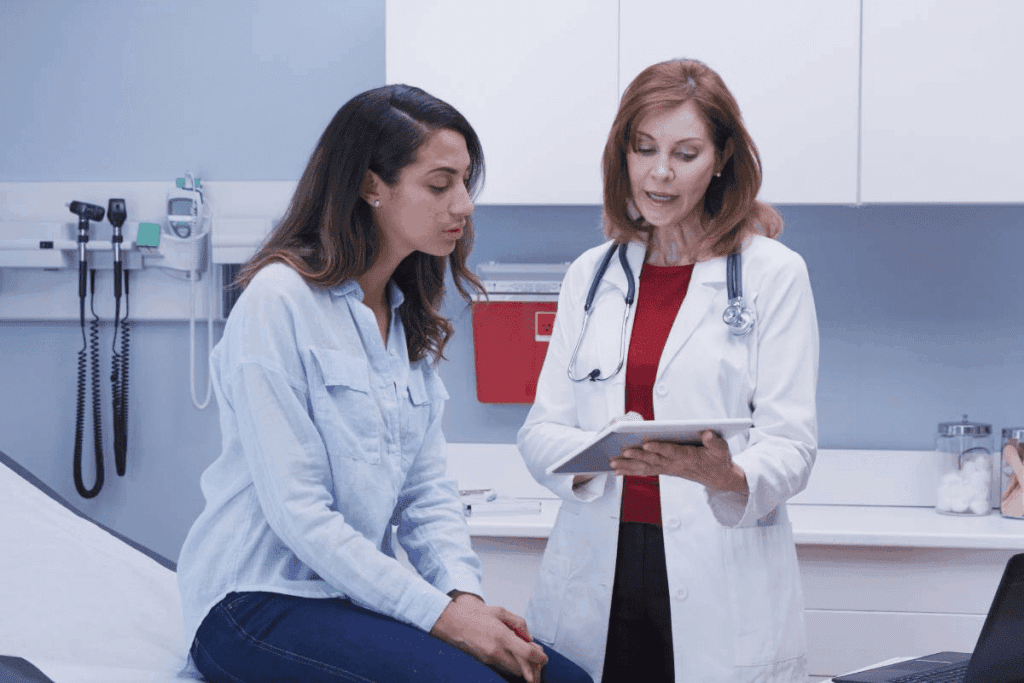
The ultimate guide to life changes after colectomy. We explore the surprising new normal, from diet to daily activities, and how to thrive. Having a colectomy is a big life event that changes a person’s daily life a lot. Almost 100,000 people in the U.S. have this surgery each year. They might have colon cancer, diverticulitis, or inflammatory bowel disease.
After surgery, people face many changes. They might need to eat differently or start new exercise plans. Knowing about these changes helps with recovery and staying healthy in the long run.
Key Takeaways
- Significant dietary adjustments are often necessary after a colectomy.
- Patients may need to adapt their physical activity routines.
- Understanding the possible long-term changes helps with recovery.
- Support systems are key in post-colectomy care.
- Regular follow-up care is important for health after surgery.
Understanding Colectomy: A Brief Overview
It’s important for patients to know what a colectomy is. This surgery removes part or all of the colon. It’s done for many reasons, and it can change a patient’s life a lot.
Types of Colectomy Procedures
There are different colectomy procedures, each for different reasons. Here are a few:
- Partial Colectomy: This removes the sick part of the colon but keeps the healthy parts.
- Total Colectomy: This removes the whole colon, often needed for conditions like ulcerative colitis.
- Laparoscopic Colectomy: A less invasive surgery that uses small cuts and a camera.
Each procedure has its own considerations and outcomes. Your doctor will talk about these with you.
Common Reasons for Undergoing a Colectomy

Doctors often suggest a colectomy for certain colon problems. Here are some reasons:
- Colon Cancer: Taking out the cancerous part is key to treatment.
- Crohn’s Disease: A chronic condition that badly damages the colon.
- Ulcerative Colitis: A condition with chronic inflammation and ulcers in the colon.
- Diverticulitis: Inflammation of the diverticula, small pouches in the colon wall.
These issues can really affect a person’s life. A colectomy might be needed to help symptoms and improve health.
After a colectomy, patients often have to make big lifestyle changes. This includes diet, exercise, and how to deal with emotions. Knowing about these changes helps prepare for life after surgery.
The Immediate Recovery Period

The first few days after a colectomy are very important. You need to focus on your body healing. This time is about your stay in the hospital, managing pain, and getting used to moving again.
Hospital Stay and Initial Healing
How long you stay in the hospital can vary. It depends on the surgery and your health. Medical staff will watch over you, manage your pain, and look for any problems.
Healing isn’t just about the surgery site. It’s also about how your body reacts. You might feel tired, have bowel changes, and feel uncomfortable. Resting and following your care instructions are key during this time.
Managing Pain and Discomfort
Managing pain is a big part of getting better. Your team will give you a plan for pain relief. This might include medicine, other therapies, or a mix of both. Telling your healthcare team about your pain is important to adjust your plan.
You might also feel discomfort from swelling, gas, or bowel changes. Your team can suggest over-the-counter meds or other ways to feel better.
Early Mobility Challenges
Moving around early is important to avoid problems like blood clots and pneumonia. At first, it might hurt to move. But, even small steps or exercises can help a lot.
Your team will teach you how to move safely. They might also suggest physical therapy to help you get stronger and more mobile. Slowly increasing your activity as advised will help you overcome these challenges.
Adapting to New Bowel Patterns
After a colectomy, adjusting to new bowel patterns is key. It can be tough but doable with the right info. Patients often see changes in their bowel habits, affecting their daily life.
Changes in Bowel Frequency and Consistency
Patients may see changes in how often and what their bowel movements look like. Some might get diarrhea, while others might have trouble going. These changes happen because the surgery changes the digestive system’s layout.
Managing these changes means making diet changes and sometimes taking medicine. Keeping a food and symptom diary helps find what triggers these changes.
Managing Urgency and Incontinence
Urgency and incontinence are common after a colectomy. Patients might feel they need to go fast or leak. To handle these, a mix of lifestyle changes and medical help is needed.
- Pelvic floor exercises can strengthen the muscles that control bowel movements.
- Changing what you eat can help lessen symptoms.
- Medicine might be needed to manage urgency and incontinence.
Timeline for Bowel Function Stabilization
How long it takes for bowel function to settle down varies. Usually, it takes a few months for bowel habits to become more regular and manageable.
Timeframe | Expected Changes |
0-3 months | Frequent bowel movements, possible diarrhea or constipation |
3-6 months | Bowel movements start to get more regular, some might keep feeling urgency |
6+ months | Bowel habits tend to settle, though some variation might stay |
Knowing about these changes and taking steps to manage them can greatly improve life after a colectomy. By adjusting to new bowel patterns, patients can take back control of their daily lives and move towards a more normal life.
Nutritional Adjustments After Surgery
Nutritional changes are key to recovering well after a colectomy. The diet you choose can greatly affect your energy, health, and healing.
Initial Dietary Restrictions
Right after surgery, you might need to stick to a clear liquid diet. This includes clear broths, drinks with electrolytes, and water. As you get better, you can start eating more solid foods.
It’s important to avoid foods high in fiber, spicy, or fatty early on. These can make you uncomfortable or cause problems.
Foods to Embrace and Avoid
As you get further in your recovery, eating the right foods is very important. Nutrient-dense foods like lean proteins, whole grains (when you can handle them), and fruits and veggies are great for healing.
On the other hand, some foods might not be good for you. These include:
- High-fiber foods that can be hard to digest
- Spicy or fatty foods that can upset your stomach
- Carbonated drinks that can make you feel gassy
Food Category | Recommended Foods | Foods to Avoid |
Proteins | Lean meats, fish, eggs | Fatty meats, processed meats |
Fruits and Vegetables | Low-fiber fruits, cooked vegetables | Raw or high-fiber fruits and vegetables |
Beverages | Water, clear broths, electrolyte-rich drinks | Carbonated drinks, caffeinated beverages |
Hydration and Electrolyte Balance
Drinking enough water is very important after a colectomy. It helps prevent dehydration and supports healing. Try to drink at least 8-10 glasses of water or hydrating drinks every day.
Also, drinking electrolyte-rich beverages is good for keeping electrolyte levels balanced. This is important if you lost a lot of fluids during or after surgery.
Physical Activity and Exercise Considerations
After a colectomy, it’s key to slowly get back into physical activities. This helps regain strength and improves health. “The key to a successful recovery is not to rush back into physical activities but to do so gradually,” say healthcare experts.
Gradual Return to Physical Activity
First, start with light activities like short walks. These exercises prevent blood clots and keep muscles toned. As you get better, you can do more.
Start with low-impact exercises like walking, swimming, or cycling. These are easy on the joints and help build strength without straining the belly.
Exercises to Avoid and Recommended Alternatives
Stay away from heavy lifting, bending, or high-impact exercises. Avoid weightlifting, contact sports, or anything that presses on the belly.
- Avoid heavy lifting or bending exercises.
- Steer clear of high-impact activities like running or jumping.
- Consider alternatives like yoga or Pilates, which can help improve flexibility and strength.
If you like intense activities, try alternatives that are safer. For example, brisk walking or swimming are great for your heart without the impact.
Building Core Strength Safely
Building core strength is important for recovery. But do it safely to avoid straining the belly. Start with gentle exercises that work the core without too much pressure.
Core strengthening exercises can start with simple pelvic tilts and gentle abdominal compressions. Then move to planks or modified crunches, making sure not to stress your body too much.
“Rebuilding core strength is not just about doing exercises; it’s about doing them correctly and safely to support your body’s recovery,” says a physical therapist specializing in post-surgical rehabilitation.
By slowly getting back into activities, avoiding certain exercises, and focusing on safe core strengthening, you can greatly improve your recovery after a colectomy.
Life Changes After Colectomy: The New Normal
A colectomy is a big change, leading to a new reality for patients. They must adjust to a new life, changing their daily routines and planning carefully. They also need to make their homes more comfortable.
Daily Routine Modifications
Patients after a colectomy often have to change their daily lives. They might need to follow a set schedule for bowel movements and eat at specific times. Rest is also important.
They might also need to eat foods that are easier to digest. Keeping a food diary can help figure out which foods are okay and which to avoid.
Activity | Pre-Colectomy | Post-Colectomy |
Eating Schedule | Flexible, based on appetite | Regular, planned meals |
Bowel Habits | Normal, variable | Regular, potentially with urgency |
Physical Activity | Varied, based on preference | Gradual return, with caution |
Planning Ahead for Outings
Planning is key for outings after a colectomy. Knowing where restrooms are and carrying what you need is important. Sometimes, outings need to be shorter.
Being ready can make outings less stressful and more fun. It’s a good idea to check out places before you go. Think about how you’ll manage your condition while out.
Adapting Home Environment
Changing your home is also important after a colectomy. You might need to move things around for better bathroom access. Installing safety features or organizing supplies can also help.
These changes can make your home more supportive. They help improve your life and make it easier to adjust to the new normal.
Emotional and Psychological Impact
After a colectomy, patients face many emotional and psychological challenges. The surgery changes their life, affecting their physical and mental health.
Processing Body Image Changes
One big challenge is adjusting to body changes. Patients might feel sad or grieve over these changes. It’s hard, but it’s part of healing.
“The way we see ourselves plays a significant role in our overall self-esteem and confidence.” They must get used to new habits or an ostomy. It’s important to acknowledge these feelings and seek help when needed.
Dealing with Anxiety and Depression
Anxiety and depression are common after a colectomy. The surgery stress and uncertainty can make these worse. It’s key to know the signs, like sadness or worry.
- Recognizing the symptoms early
- Seeking professional help when needed
- Building a support network of family, friends, and support groups
By taking proactive steps, patients can manage their mental health better. This improves their quality of life.
Finding Emotional Support Resources
Finding the right emotional support is key for colectomy patients. This support can be from counseling, support groups, or online resources. We encourage patients to explore these options to find what works best for them.
Support Resource | Description | Benefits |
Professional Counseling | One-on-one therapy sessions with a licensed therapist | Personalized support, coping strategies |
Support Groups | Group meetings with others who have undergone a colectomy | Shared experiences, community, understanding |
Online Resources | Websites, forums, and online communities | Accessibility, 24/7 support, anonymity |
By using these resources, patients can better handle the emotional and psychological challenges of a colectomy.
We know each person’s journey after a colectomy is unique. By acknowledging the emotional and psychological impact and seeking support, patients can improve their quality of life. They can face the challenges of recovery with more confidence.
Returning to Work and Social Activities
After a colectomy, patients face challenges in getting back to work and social life. Recovery is not just about healing physically but also adjusting to new routines.
Timeline for Workplace Reintegration
The time it takes to go back to work varies. It depends on the job, the surgery type, and health. Most people return to work in 6 to 12 weeks. But, it can be shorter or longer for everyone.
Here are steps for a smooth return to work:
- Talk to your doctor about your job and recovery to set a return date.
- Start with part-time hours or easier tasks to ease back in.
- Make your workplace ready by adjusting your station or schedule.
Workplace Accommodations
Workplace changes are key for a successful return. These can include:
- Flexible hours to manage fatigue and doctor visits.
- Changes in job tasks to avoid hard work or lifting.
- Work environment adjustments, like a private area for ostomy care.
Employers must make reasonable changes under the law. Patients should talk openly with their bosses about what they need.
Navigating Social Situations
Going out after a colectomy can be tough, like eating out or doing activities you love. Here are some tips:
- Know where restrooms are and what’s on the menu at restaurants.
- Tell friends and family about what you can and can’t do.
- Start with small, easy social events and gradually increase.
Being proactive and prepared helps people get back into work and social life after a colectomy.
Intimacy and Relationships After Colectomy
A colectomy changes your life, but it doesn’t stop you from being close to others. Recovery and adapting are key. We must think about how it affects our relationships and intimacy.
Communicating with Partners
Talking openly with your partner is vital during this time. It’s important to share your feelings, fears, and hopes to build a supportive space. Here’s what we recommend:
- Share your emotional journey and listen to your partner’s worries.
- Talk about any changes in your body and how they might change intimacy.
- Find ways to stay emotionally and physically close.
Good communication can make your bond stronger and help you both adjust to the changes.
Physical Intimacy Considerations
Intimacy might need some changes after a colectomy. Feeling unsure or scared about being intimate again is normal. Here’s what we suggest:
- Start with gentle, non-penetrative intimacy and gradually add more.
- Talk openly with your partner about what feels right and what doesn’t.
- Get advice from healthcare experts if you need to.
By following these steps, you and your partner can rebuild a satisfying intimate connection.
Building Confidence in Intimate Settings
Getting confident in intimate situations takes time and healing. Creating a supportive and understanding space is key. Think about:
- Take care of yourself and be kind to yourself.
- Do things that make you feel good about your body.
- Consider therapy or counseling if emotional issues last.
By focusing on these areas, you can build a stronger, more resilient bond with your partner.
In conclusion, a colectomy does pose challenges to intimacy and relationships. But, with patience, talking openly, and a willingness to adapt, patients can overcome these hurdles. They can keep their relationships fulfilling.
Travel and Vacation Planning Post-Colectomy
A colectomy doesn’t mean you can’t travel anymore. With the right prep, you can keep exploring. When planning trips, think about the special challenges and chances of traveling after surgery.
Preparation Tips for Different Types of Travel
Travel plans need different prep. For road trips, plan for rest and bathroom stops. Air travel means knowing airline rules on medical gear and possibly getting a doctor’s note.
For car trips, we suggest:
- Find rest stops and facilities on your route.
- Bring snacks and water to avoid stomach issues.
- Have a travel kit with meds, wipes, and extra clothes.
For flying, consider:
- Tell the airline about your medical needs.
- Choose seats with more room or near the bathroom.
- Carry a doctor’s note about your condition and gear.
Managing Medications and Supplies Away from Home
It’s key to manage meds and supplies while traveling. We advise:
- Keep meds in original containers with a list of them.
- Bring enough ostomy supplies or medical gear.
- Put essential supplies in your carry-on in case of luggage delays.
One patient said, “After my colectomy, I was nervous about traveling, but with the right prep, I enjoyed my trip without problems.“
Navigating Restaurants and Unfamiliar Food
Finding new foods and restaurants can be tough after a colectomy. We suggest:
- Look up restaurants that fit your diet at your destination.
- Call ahead to ask if they can meet your food requests.
- Bring familiar snacks, just in case.
Being ready and informed lets you enjoy your travels while staying healthy after a colectomy. As colectomy life transformation stories show, adjusting to new situations can lead to a rewarding life.
Long-Term Complications and How to Address Them
It’s important for patients to know about the long-term effects of a colectomy. This surgery can save lives but also comes with challenges. Being aware of these challenges helps manage the condition better.
Common Long-Term Challenges
After a colectomy, patients might face bowel habit changes, nutritional issues, and surgery-related problems. These changes can affect a person’s life quality a lot. Bowel habits might change to diarrhea, constipation, or urgency.
Here are some common long-term challenges:
Challenge | Description | Management Strategies |
Bowel Habit Changes | Diarrhea, constipation, or urgency | Dietary adjustments, medication |
Nutritional Deficiencies | Vitamin B12 deficiency, malabsorption | Supplements, dietary changes |
Surgical Complications | Adhesions, hernias | Monitoring, possible further surgery |
When to Seek Medical Attention
Knowing when to see a doctor is key. Severe abdominal pain, vomiting, fever, or big changes in bowel habits need quick doctor visits. It’s important to watch your health closely and call your doctor if you notice anything odd.
Preventative Strategies
While some complications can’t be avoided, there are ways to lessen their impact. Eating the right foods and seeing your doctor regularly can help. These steps can make living with the surgery’s effects easier.
By understanding the long-term effects of a colectomy and taking action, patients can improve their life after surgery.
Living with an Ostomy (If Applicable)
An ostomy can change your life, bringing both practical and emotional challenges. For those who have had this surgery, learning to manage it is key to a good life.
Ostomy Care Basics
Looking after an ostomy requires some important steps. First, keep the area clean to avoid infections. Gentle washing with mild soap and water is best. Knowing the type of ostomy you have is also important, as each has its own care needs.
Using the right ostomy supplies is critical. This includes pouches, adhesives, and skin protectants. Working with your healthcare provider to find the right products is essential. Changing the pouch regularly and cleaning the skin around the stoma helps prevent irritation and keeps the ostomy working well.
Clothing Considerations
Adjusting your wardrobe can be tough with an ostomy. But, making a few changes can let you wear your favorite clothes. Wearing loose-fitting clothes or those with stretchy waistbands can make the pouch more comfortable.
Some people find it helpful to wear clothes with patterns or darker colors to hide the pouch. Using ostomy-friendly clothing accessories, like belts or supportive underwear, can also add comfort and security.
Activity Adaptations with an Ostomy
Having an ostomy doesn’t mean you have to stop doing things you love. Many people with ostomies stay active, doing sports or traveling. It’s important to empty the pouch before exercising and wear supportive clothes to prevent the pouch from moving.
For swimming or water activities, a waterproof ostomy pouch cover can offer peace of mind. Always talk to a healthcare provider for advice on managing activities with an ostomy.
By learning about ostomy care, making wardrobe adjustments, and adapting activities, people with ostomies can live full lives. With the right support and resources, managing the challenges of an ostomy becomes easier. This lets patients focus on their well-being and recovery.
Quality of Life Improvements and Strategies
Life after a colectomy can get better with the right approach. Patients find new ways to live well after surgery. They learn to enjoy life more than before.
Finding Your New Balance
Adjusting to life after a colectomy is key. It means getting used to new bowel habits and energy levels. Start with small changes to feel more in control.
Try gentle exercises like yoga or short walks. They help you get stronger. Keeping a food diary helps find easy-to-digest foods. This makes eating less uncomfortable and keeps you nourished.
Key Strategies for Finding Balance:
- Gradual reintroduction of physical activities
- Mindful eating practices
- Stress management techniques, such as meditation or deep breathing exercises
Assistive Devices and Products
There are many tools that can make life better after a colectomy. These include ostomy care products, dietary supplements, and ergonomic tools. They make daily tasks easier and more comfortable.
Product/Device | Purpose | Benefit |
Ostomy bags | Collection of waste | Discreet and hygienic management of ostomy output |
Dietary supplements | Nutritional support | Prevents deficiencies and supports overall health |
Ergonomic tools | Simplification of daily tasks | Reduces strain and discomfort during daily activities |
Celebrating Milestones in Recovery
It’s important to celebrate your recovery milestones. These can be big or small, like getting stronger or adjusting to new foods. Acknowledging these achievements boosts your mood.
“The journey to recovery is not just about healing physically, but also about nurturing your mental and emotional well-being. Celebrate your progress, no matter how small it may seem.”
— Recovery Expert
By using these strategies and staying positive, patients can see big improvements in their life after a colectomy. We encourage patients to keep learning, seek help when needed, and celebrate their journey to a new normal.
Conclusion: Embracing Your New Life After Colectomy
Starting a new life after a colectomy takes time, patience, and understanding. The journey to recovery brings big changes. These include new bowel habits, diet changes, and emotional shifts.
Those who have a colectomy will face a period of adapting to new habits. They’ll need to make daily lifestyle changes. With the right support, they can overcome these challenges and live a happy life.
It’s key to know what to expect after a colectomy. Being aware of the challenges helps patients face them head-on. We urge patients to stay informed, seek help when needed, and rebuild their lives with confidence.
FAQ
What are the most significant lifestyle changes after a colectomy?
After a colectomy, you might notice changes in how you go to the bathroom. You’ll also need to adjust your diet and daily routine. It’s important to understand these changes to recover smoothly.
How long does it take to recover from a colectomy?
Recovery time varies, but most people take several weeks. Some adjustments might take a few months to get used to.
What dietary changes are required after a colectomy?
Start with a liquid diet and then move to solid foods. Avoid foods that cause discomfort and drink plenty of water.
Can I return to my normal physical activities after a colectomy?
Yes, but start slowly. Avoid heavy lifting and strenuous exercises at first. Building core strength safely is important.
How does a colectomy affect bowel movements?
You might notice changes in how often you go and how solid your stools are. These changes usually get better over time.
Are there any long-term complications associated with a colectomy?
Long-term issues can include bowel obstruction, hernias, and nutritional problems. Regular check-ups with your doctor can help manage these risks.
How can I manage anxiety and depression after a colectomy?
Talk to family, friends, or join a support group. Also, see a mental health professional for help with anxiety and depression.
Can I travel after a colectomy?
Yes, but plan carefully. Manage your medications and supplies. Be ready for new places and food.
How does a colectomy impact intimacy and relationships?
Talk openly with your partner about intimacy. Understand the physical changes and build your confidence. This helps with intimacy and relationships.
What are the benefits of joining a support group after a colectomy?
Support groups offer a chance to share experiences and get emotional support. You’ll learn from others who have gone through similar surgeries, helping your recovery.
How can I improve my quality of life after a colectomy?
Find a new balance in your life. Use assistive devices if needed. Celebrate your recovery milestones to improve your quality of life.
References
National Center for Biotechnology Information. Evidence-Based Medical Insight. Retrieved from https://pmc.ncbi.nlm.nih.gov/articles/PMC3069309/