
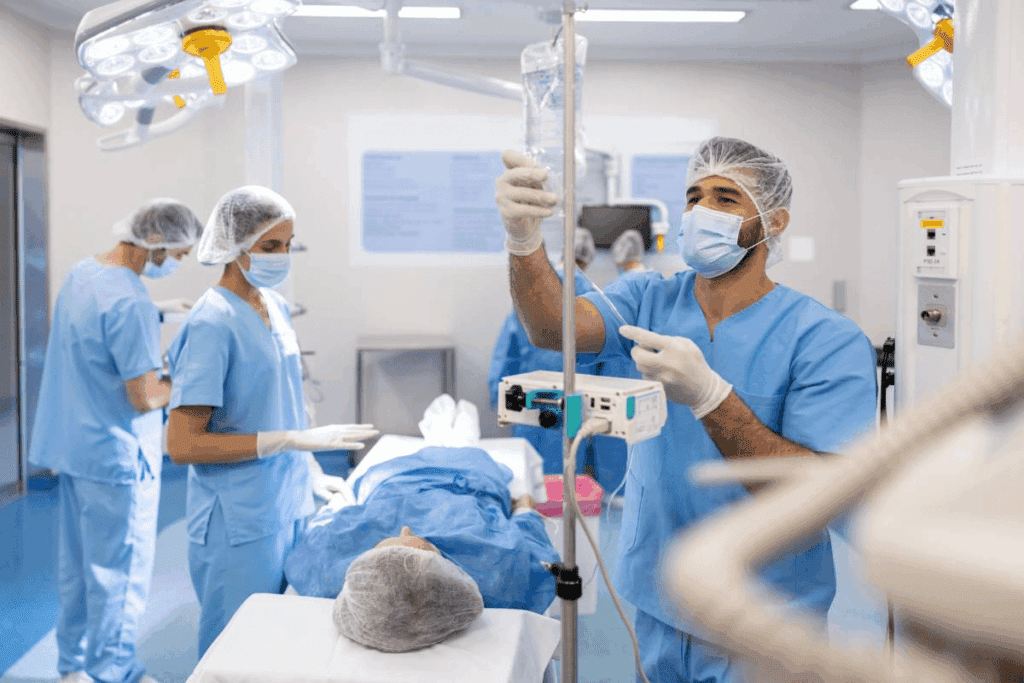
Gastric sleeve surgery has emerged as a significant solution for individuals struggling with obesity, offering not just weight loss but potentially a longer life expectancy. Studies have shown that this surgical intervention can lead to substantial weight reduction and improvement in obesity-related health issues.Life Expectancy After Gastric SleeveLife Expectancy After Bariatric Surgery Stats
We understand that considering gastric sleeve surgery involves weighing its benefits and risks. Our team is dedicated to providing high-quality care and support, ensuring that patients are well-informed about what to expect. We prioritize long-term health outcomes to ensure our patients achieve the best possible results from their surgery.
Key Takeaways
- Gastric sleeve surgery can lead to significant weight loss and improvement in obesity-related comorbidities.
- A unified team approach ensures comprehensive care and support throughout the patient’s journey.
- Premium service quality is our priority, focusing on personalized care and medical expertise.
- Long-term health outcomes are significantly improved with gastric sleeve surgery.
- Our team is committed to delivering exceptional international healthcare with personalized VIP service.
For individuals struggling with obesity, gastric sleeve surgery offers a potentially life-changing solution. This surgical procedure has gained popularity worldwide due to its effectiveness in facilitating significant weight loss and improving obesity-related health conditions.
What is Gastric Sleeve Surgery?
Gastric sleeve surgery, also known as sleeve gastrectomy, involves the removal of a large portion of the stomach, leaving a narrow, sleeve-like stomach. This reduction in stomach size restricts the amount of food that can be consumed, leading to weight loss. The procedure is typically performed laparoscopically, involving several small incisions through which surgical instruments and a camera are inserted.
How Does It Work?
The gastric sleeve surgery works by several mechanisms:
- Reduced Stomach Size: The primary mechanism is the reduction in stomach size, which limits food intake.
- Hormonal Changes: The surgery also affects hunger and satiety hormones, further aiding in weight loss.
- Metabolic Changes: Some studies suggest that the surgery may lead to changes in metabolism, although the exact mechanisms are still under research.
By understanding how gastric sleeve surgery works, patients can better appreciate the potential benefits and risks associated with the procedure.
Key Benefits of the Procedure

Gastric sleeve surgery offers several key benefits, including:
- Significant Weight Loss: Patients often experience substantial weight loss, improving their overall health and reducing the risk of obesity-related conditions.
- Improvement in Obesity-Related Health Conditions: Conditions such as type 2 diabetes, hypertension, and sleep apnea often show significant improvement or complete resolution post-surgery.
- Minimally Invasive: The laparoscopic approach minimizes scarring and typically results in a shorter recovery time compared to open surgery.
While gastric sleeve surgery is a powerful tool for weight loss and improving health, it’s crucial for patients to understand the potential surgical risks and post-operative expectations. By doing so, individuals can make informed decisions about their care and prepare for the journey ahead.
Life Expectancy Explained
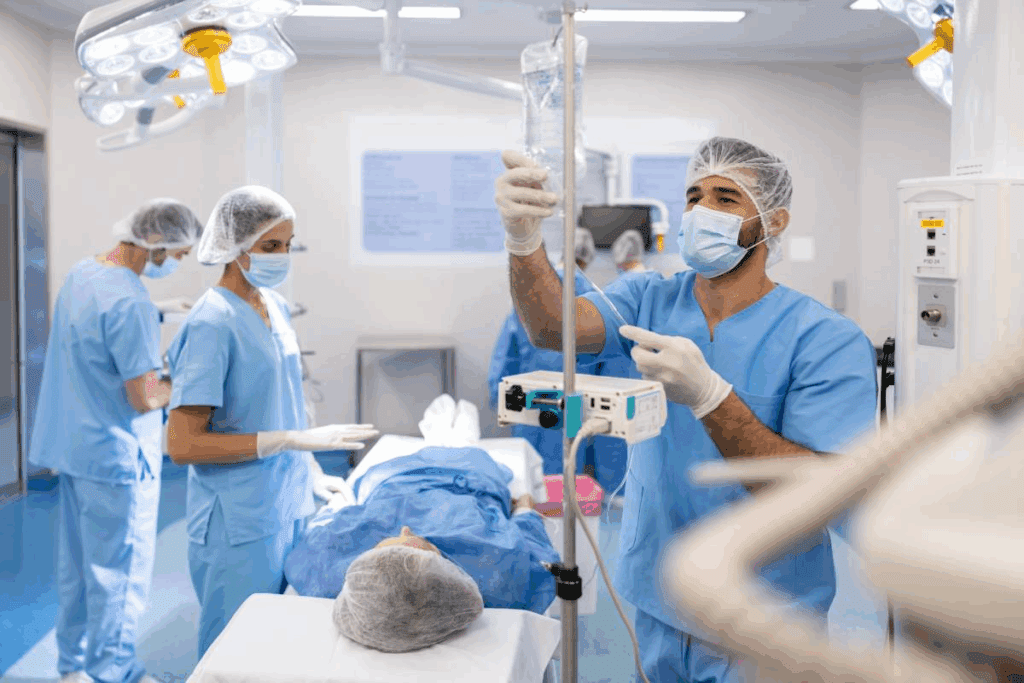
As we navigate the intricacies of health management, understanding life expectancy becomes increasingly important. Life expectancy is a statistical measure that estimates the average number of years a person is expected to live based on various factors.
What Factors Influence Life Expectancy?
Several key factors influence life expectancy:
- Genetics: Our genetic makeup plays a significant role in determining our life expectancy.
- Lifestyle Choices: Diet, exercise, smoking, and alcohol consumption are critical lifestyle factors.
- Access to Healthcare: Quality and accessibility of healthcare services significantly impact life expectancy.
- Environmental Conditions: Exposure to pollution, climate change, and other environmental stressors can affect lifespan.
Average Life Expectancy Statistics Globally
Global life expectancy has seen a significant increase over the past century, driven by improvements in healthcare, sanitation, and living standards. According to the World Health Organization (WHO), global life expectancy rose from 58.6 years in 1990 to 72.0 years in 2019.
“The increase in global life expectancy is a testament to the advancements in medical science and public health initiatives.” – WHO Report
Importance of Healthy Lifestyle Choices
Making healthy lifestyle choices is vital for maximizing life expectancy. This includes:
- Eating a balanced diet rich in fruits, vegetables, and whole grains.
- Engaging in regular physical activity to maintain cardiovascular health.
- Avoiding harmful substances like tobacco and excessive alcohol.
By adopting these habits, individuals can significantly enhance their quality of life and potentially increase their life expectancy.
How Gastric Sleeve Affects Life Expectancy

Short-Term vs. Long-Term Outcomes
In the short term, gastric sleeve surgery leads to significant weight loss, which can improve various health metrics. However, the long-term outcomes are equally, if not more, important when considering life expectancy. Studies have shown that sustained weight loss and improvements in obesity-related conditions can contribute to a longer life.
We observe that patients who undergo gastric sleeve surgery often experience a reduction in comorbidities associated with obesity. This reduction is a critical factor in potentially increasing life expectancy. The surgery’s success in the long term depends on various factors, including the patient’s adherence to post-surgical lifestyle recommendations.
Weight Loss and Health Improvements
- Improved metabolic health
- Enhanced mobility and reduced joint pain
- Better mental health outcomes due to reduced symptoms of depression and anxiety
These health improvements contribute to a better quality of life and can potentially extend life expectancy by mitigating the risks associated with obesity-related conditions.
Chronic Conditions Management Post-Surgery
Effective management of chronic conditions post-gastric sleeve surgery is vital for maximizing life expectancy. Patients often experience a reduction in the severity of conditions such as hypertension, type 2 diabetes, and sleep apnea. This reduction is attributed to the significant weight loss and subsequent improvements in metabolic health.
We emphasize the importance of follow-up care and lifestyle adjustments post-surgery to ensure that these improvements are sustained over the long term. By doing so, patients can maximize the benefits of gastric sleeve surgery on their life expectancy.
Research Evidence on Life Expectancy Post-Surgery
Key Studies and Their Findings
Several key studies have explored the relationship between gastric sleeve surgery and life expectancy. A notable study published in the Journal of the American Medical Association (JAMA) found that gastric sleeve surgery was associated with a significant reduction in mortality rates compared to non-surgical weight loss interventions.
Another study published in the International Journal of Obesity highlighted that patients who underwent gastric sleeve surgery experienced substantial weight loss and improvements in obesity-related comorbidities, contributing to enhanced life expectancy.
- A meta-analysis of multiple studies confirmed that gastric sleeve surgery leads to improved life expectancy, primarily due to the resolution of obesity-related health conditions.
- Research also indicates that the surgery can lead to a reduction in the risk of developing certain chronic diseases, such as type 2 diabetes and cardiovascular disease.
Monitoring Health After Gastric Sleeve
Monitoring health after gastric sleeve surgery is crucial for ensuring optimal outcomes and maximizing life expectancy. Regular follow-up appointments with healthcare providers allow for the early detection of potential complications and the implementation of necessary interventions.
Key aspects of post-surgery monitoring include:
- Regular check-ups to assess weight loss progress and overall health.
- Laboratory tests to monitor nutrient levels and detect any deficiencies.
- Dietary counseling to ensure patients are meeting their nutritional needs.
Longitudinal Studies Overview
| Study | Duration | Key Findings |
| JAMA Study | 5 years | Significant reduction in mortality rates |
| International Journal of Obesity Study | 3 years | Substantial weight loss and improvement in comorbidities |
| Meta-Analysis | Varies | Improved life expectancy due to resolution of obesity-related conditions |
The Role of Nutrition After Gastric Sleeve
Nutrition plays a critical role in the recovery and long-term health of individuals who have had gastric sleeve surgery. As we guide our patients through their post-operative journey, it’s essential to understand the dietary changes required for optimal outcomes.
Dietary Changes for Better Outcomes
After gastric sleeve surgery, patients need to make significant adjustments to their diet. These changes include consuming smaller, more frequent meals, avoiding high-calorie or high-sugar foods, and focusing on nutrient-dense foods such as lean proteins, vegetables, and whole grains. We recommend that patients work closely with a registered dietitian or healthcare provider to develop a personalized meal plan.
The dietary changes are crucial not only for weight loss but also for ensuring that the body receives the necessary nutrients for optimal health. A well-planned diet helps in managing hunger, supporting overall health, and minimizing the risk of nutritional deficiencies.
Importance of Nutrient Absorption
One of the key challenges after gastric sleeve surgery is ensuring adequate nutrient absorption. The reduced stomach size can lead to decreased absorption of essential vitamins and minerals. We emphasize the importance of nutrient-dense foods and, when necessary, supplementation to prevent deficiencies.
Regular monitoring of nutritional status is vital. We recommend that patients undergo regular blood tests to check for signs of nutritional deficiencies, such as vitamin B12 or iron deficiency, and adjust their diet or supplements accordingly.
Supplements to Consider
While a well-balanced diet is the foundation of good nutrition after gastric sleeve surgery, supplements can play a crucial role in preventing deficiencies. Common supplements recommended include multivitamins, vitamin B12, iron, and calcium. We advise patients to consult with their healthcare provider before starting any supplement regimen to ensure it meets their individual needs.
The following table outlines some key nutrients that may require supplementation post-gastric sleeve surgery, along with their importance and food sources:
| Nutrient | Importance | Food Sources |
| Vitamin B12 | Critical for nerve function and the production of red blood cells | Meat, fish, poultry, eggs, and dairy products |
| Iron | Essential for healthy red blood cells | Red meat, poultry, fish, beans, lentils, and fortified cereals |
| Calcium | Vital for bone health | Dairy products, leafy greens, fortified plant-based milk, and tofu |
| Protein | Necessary for muscle repair and overall health | Lean meats, fish, eggs, dairy, legumes, and nuts |
By understanding the role of nutrition after gastric sleeve surgery and making informed dietary choices, patients can significantly improve their health outcomes and quality of life. We are committed to supporting our patients through every step of their journey, ensuring they receive the care and guidance needed to thrive.
Impact of Physical Activity
Engaging in regular exercise is a key component of a healthy lifestyle after undergoing gastric sleeve surgery. As we guide you through the importance of physical activity, we will explore how it contributes to your overall well-being and the success of your surgery.
Exercise Recommendations Post-Surgery
After gastric sleeve surgery, it’s essential to start with low-intensity exercises and gradually increase the intensity as your body allows. We recommend beginning with short walks and basic stretching exercises. As you progress, you can incorporate more vigorous activities such as jogging, cycling, or swimming.
- Initial Phase (0-6 weeks post-surgery): Gentle walking, light stretching, and breathing exercises.
- Intermediate Phase (6-12 weeks post-surgery): Brisk walking, swimming, and low-impact aerobics.
- Advanced Phase (3-6 months post-surgery): Jogging, cycling, strength training, and high-intensity interval training (HIIT).
Benefits of Staying Active
Regular physical activity offers numerous benefits for gastric sleeve patients, including enhanced weight loss, improved overall health, and better management of chronic conditions. Exercise also plays a crucial role in maintaining mental health by reducing stress and anxiety.
| Benefits | Description |
| Enhanced Weight Loss | Regular exercise helps in burning calories and maintaining weight loss over time. |
| Improved Overall Health | Physical activity improves cardiovascular health, boosts metabolism, and enhances muscle strength. |
| Better Chronic Conditions Management | Exercise helps in managing conditions like diabetes, hypertension, and heart disease. |
Creating a Sustainable Fitness Routine
To create a sustainable fitness routine, it’s crucial to set realistic goals, track your progress, and stay motivated. We suggest finding activities you enjoy and varying your routine to avoid boredom. Incorporating strength training and flexibility exercises can also enhance your overall fitness.
- Set specific, achievable goals.
- Track your progress through a fitness journal or mobile app.
- Mix different types of exercises to keep the routine interesting.
- Find a workout buddy or join a fitness group for motivation.
By incorporating physical activity into your lifestyle, you can significantly improve your health outcomes and maintain the benefits of your gastric sleeve surgery. We are committed to supporting you every step of the way.
Psychological Factors in Recovery
Mental Health Considerations
Mental health plays a significant role in the recovery process. Patients may experience a range of emotions, from excitement and hope to anxiety and depression. It’s essential to acknowledge these feelings and address them appropriately.
Support Systems and Counseling
A robust support system is vital for patients undergoing gastric sleeve surgery. This includes family, friends, and professional counseling. Counseling can provide patients with the tools they need to cope with the emotional challenges of their new lifestyle.
- Individual therapy sessions to address personal concerns
- Group therapy to connect with others who are going through similar experiences
- Family counseling to ensure a supportive home environment
Coping Mechanisms for Change
Adapting to life after gastric sleeve surgery requires significant lifestyle changes. Patients must develop coping mechanisms to manage stress, maintain a healthy diet, and stay physically active. Effective coping strategies can make a substantial difference in the long-term success of the surgery.
Some effective coping mechanisms include:
- Mindfulness and meditation to reduce stress
- Journaling to track progress and emotions
- Engaging in hobbies and activities that bring joy and fulfillment
By focusing on these psychological factors, patients can enhance their overall wellbeing and improve their chances of a successful recovery.
Common Risks and Complications
Short-Term Surgical Risks
Short-term risks associated with gastric sleeve surgery include complications that can arise during or immediately after the procedure. Some of these risks are:
- Bleeding: Excessive bleeding during or after surgery is a risk.
- Infection: As with any surgery, there’s a risk of infection with gastric sleeve surgery.
- Leakage: Leakage from the staple line is a serious complication that requires immediate attention.
- Adverse reactions to anesthesia: Some patients may experience adverse reactions to the anesthesia used during surgery.
We prioritize long-term health outcomes to ensure our patients achieve the best possible results from their surgery.
Long-term complications can arise after gastric sleeve surgery, affecting the patient’s overall health and quality of life. Some potential long-term complications include:
- Nutritional deficiencies: Reduced stomach size can lead to inadequate nutrient absorption.
- Gastrointestinal issues: Some patients may experience persistent gastrointestinal symptoms.
- Weight regain: There’s a possibility of weight regain if dietary and lifestyle changes are not maintained.
For more detailed information on long-term complications, visit .
Mitigating Risks Effectively
To minimize the risks associated with gastric sleeve surgery, it’s essential to:
- Follow pre- and post-operative instructions carefully to reduce the risk of complications.
- Maintain a healthy lifestyle, including a balanced diet and regular exercise, to support overall health and weight loss.
- Attend follow-up appointments with your healthcare provider to monitor your progress and address any concerns.
By understanding the potential risks and taking proactive steps, patients can significantly reduce their likelihood of experiencing complications after gastric sleeve surgery.
Lifestyle Changes for Prolonged Life Expectancy
Gastric sleeve surgery is just the first step; a commitment to lifestyle changes is essential for long-term health. After the surgery, patients must focus on adopting habits that promote overall well-being and maximize the benefits of the procedure.
Building Healthy Habits
Developing healthy habits is crucial for maintaining weight loss and improving overall health post-surgery. This includes:
- Eating a balanced diet rich in nutrients
- Engaging in regular physical activity
- Staying hydrated
- Getting adequate sleep
By incorporating these habits into daily life, patients can significantly enhance their quality of life and potentially prolong their life expectancy.
Monitoring Weight and Health Metrics
Regular monitoring of weight and health metrics is vital for tracking progress and making necessary adjustments. Key metrics to track include:
| Metric | Importance | Target |
| Weight | Monitors weight loss progress | Maintain a healthy BMI |
| Blood Pressure | Assesses cardiovascular health | Below 120/80 mmHg |
| Blood Glucose | Manages diabetes risk | Normal fasting glucose levels |
By closely monitoring these metrics, patients can identify areas for improvement and work with their healthcare providers to make informed decisions.
Making Informed Food Choices
Making informed food choices is critical for nutritional balance and overall health. Patients should focus on consuming:
- Lean proteins to support muscle mass
- Vegetables and fruits for essential vitamins and minerals
- Whole grains for fiber and nutrients
- Healthy fats for heart health
Avoiding high-calorie, high-sugar, and high-fat foods is equally important. By making these dietary adjustments, patients can support their overall health and well-being.
In conclusion, lifestyle changes play a pivotal role in promoting prolonged life expectancy after gastric sleeve surgery. By building healthy habits, monitoring weight and health metrics, and making informed food choices, patients can maximize the benefits of their surgery and enjoy a healthier, longer life.
Patient Stories and Testimonials
Gastric sleeve surgery has transformed the lives of countless individuals, and their stories are a testament to its life-changing potential. We have had the privilege of working with patients who have experienced significant weight loss and improvements in their overall health.
Success Stories After Gastric Sleeve
- Significant Weight Loss: Patients often experience substantial weight reduction, improving their overall health and wellbeing.
- Improved Health Metrics: Many report improvements in blood pressure, blood sugar levels, and other key health indicators.
- Enhanced Quality of Life: With their newfound health, patients often enjoy a more active lifestyle, engaging in activities they previously found challenging.
Lessons Learned from Experiences
Key lessons include:
- Adherence to Dietary Guidelines: Sticking to a balanced diet is crucial for maintaining weight loss and ensuring proper nutrient absorption.
- Regular Physical Activity: Engaging in regular exercise not only supports weight loss but also enhances overall wellbeing.
Community Support and Resources
The role of community and support systems cannot be overstated. Patients who connect with others who have undergone similar experiences often find the journey less isolating and more rewarding.
We encourage our patients to leverage the following resources:
- Support groups, both online and in-person, to connect with others who have undergone gastric sleeve surgery.
- Nutritional counseling to ensure they are meeting their dietary needs post-surgery.
- Mental health professionals to address any psychological challenges, including body image changes.
Professional Advice and Guidance
Seeking professional advice and follow-up care is vital for patients after gastric sleeve surgery to achieve the best results. We emphasize the importance of maintaining close communication with healthcare providers to monitor health and address any concerns.
Consulting Healthcare Providers
Consulting with healthcare providers is a critical step in the post-surgery process. Healthcare professionals can offer personalized guidance based on individual health needs, ensuring that patients receive the most effective care. We recommend that patients:
- Schedule regular check-ups to monitor their health and weight loss progress.
- Discuss any nutritional concerns or deficiencies with their healthcare provider.
- Seek advice on managing potential complications or side effects.
Importance of Follow-Up Care
Follow-up care is essential for monitoring long-term health outcomes after gastric sleeve surgery. Regular follow-ups allow healthcare providers to:
- Assess the patient’s overall health and adjust their care plan as needed.
- Identify and manage any potential health complications early.
- Provide ongoing support and guidance to help patients maintain their weight loss and improve their overall well-being.
Professional Organizations and Resources
There are several professional organizations and resources available to support patients after gastric sleeve surgery. These include:
- The American Society for Metabolic and Bariatric Surgery (ASMBS), which provides information on bariatric surgery and resources for finding qualified healthcare providers.
- The Obesity Society, which offers educational materials and support for individuals dealing with obesity and related health issues.
- Local support groups, which can provide a community for patients to share their experiences and receive support from others who have undergone similar procedures.
By leveraging these resources and maintaining close communication with healthcare providers, patients can ensure that they receive the best possible care after gastric sleeve surgery.
Conclusion: A Healthier Future Post-Surgery
Gastric sleeve surgery offers a transformative solution for individuals struggling with severe obesity, providing a pathway to a by reducing the risks associated with obesity-related diseases and improving overall life expectancy.
Key Takeaways
Research indicates that bariatric surgery can increase life expectancy by mitigating obesity-related health risks. Significant weight loss and improvements in cardiovascular health, remission of type 2 diabetes, and reduced hypertension are among the benefits. Understanding these expectations is crucial for patient education and informed decision-making.
Empowering Patients
By understanding the benefits and risks of gastric sleeve surgery, patients can make informed decisions about their care. We empower patients with the knowledge and support needed to achieve a healthier future, emphasizing the importance of nutrition, physical activity, and psychological well-being post-surgery.
Ultimately, gastric sleeve surgery is a step towards a healthier, more fulfilling life. With proper care and support, individuals can look forward to improved health outcomes and an enhanced quality of life.
FAQ
What is the average life expectancy after gastric sleeve surgery?
The average life expectancy after gastric sleeve surgery is influenced by multiple factors, including pre-existing health conditions, lifestyle choices, and post-surgery care. Studies have shown that significant weight loss and improvements in obesity-related health conditions can contribute to a longer life expectancy.
How does gastric sleeve surgery impact weight loss and overall health?
Gastric sleeve surgery can lead to substantial weight loss and improvements in obesity-related health conditions, such as type 2 diabetes, hypertension, and sleep apnea. This, in turn, can contribute to a longer and healthier life.
What are the potential risks and complications associated with gastric sleeve surgery?
As with any surgical procedure, gastric sleeve surgery carries potential risks and complications, including bleeding, infection, and nutritional deficiencies. It’s essential to discuss these risks with a healthcare provider and follow post-surgery guidelines to minimize them.
How important is nutrition after gastric sleeve surgery?
Nutrition plays a crucial role after gastric sleeve surgery, as the reduced stomach size can lead to nutritional deficiencies if not managed properly. A balanced diet and necessary supplements can help support overall health and wellbeing.
What role does physical activity play in recovery and long-term health after gastric sleeve surgery?
Regular physical activity is essential for maintaining weight loss, improving overall health, and reducing the risk of chronic diseases. We recommend developing a sustainable fitness routine that includes a mix of cardio, strength training, and flexibility exercises.
How can patients cope with the emotional and psychological changes after gastric sleeve surgery?
Patients can benefit from support systems, counseling, and coping mechanisms to manage the emotional and psychological changes that may occur after gastric sleeve surgery. This can include stress management techniques, emotional support groups, and professional guidance.
What lifestyle changes are necessary to promote prolonged life expectancy after gastric sleeve surgery?
To promote prolonged life expectancy, patients should focus on building healthy habits, including a balanced diet, regular physical activity, and stress management. Monitoring weight and health metrics, as well as making informed food choices, are also crucial.
How often should patients follow up with their healthcare provider after gastric sleeve surgery?
Regular follow-up care is essential to monitor progress, address potential complications, and provide ongoing support. We recommend scheduling follow-up appointments with a healthcare provider as advised to ensure the best possible outcomes.
What resources are available to support patients after gastric sleeve surgery?
Patients can access various resources, including professional organizations, support groups, and online communities, to help navigate the recovery process and maintain long-term health. We also provide guidance on healthy lifestyle choices and offer ongoing support.
Can gastric sleeve surgery improve comorbidities and overall health?
Yes, gastric sleeve surgery has been shown to improve or resolve many obesity-related comorbidities, such as type 2 diabetes, hypertension, and sleep apnea, leading to improved overall health and quality of life.
How can patients ensure they are getting the necessary nutrients after gastric sleeve surgery?
Patients can work with a healthcare provider or registered dietitian to develop a personalized nutrition plan that includes necessary supplements and dietary changes to ensure adequate nutrient absorption.
References
JAMA Network. Evidence-Based Medical Insight. Retrieved from https://jamanetwork.com/journals/jamasurgery/fullarticle/213325



 Departments
 Related Videos
 Our Doctors
 News
News