
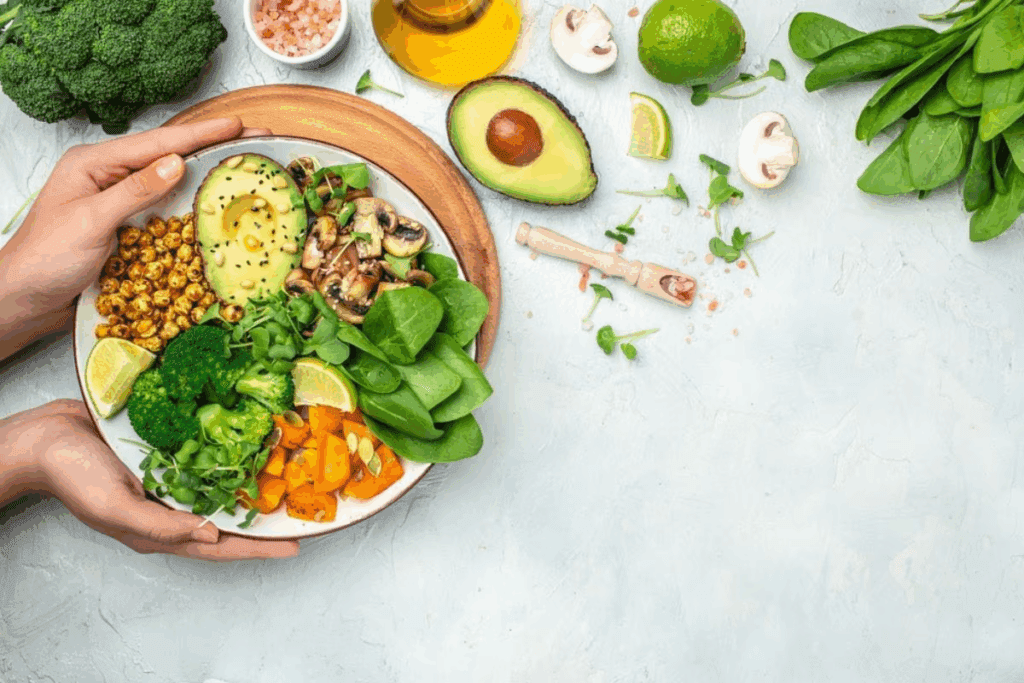
Essential list of high protein foods for bariatric patients across all diet phases. After bariatric surgery, getting enough protein is key for healing and keeping weight off. With a smaller stomach, every meal matters. Choosing the right foods is vital for recovery and staying balanced.
Protein helps with healing, keeps muscles strong, and makes you feel full. This helps patients avoid extra snacking. Our guide covers why protein is important, how much to eat, and lists good protein foods for bariatric patients.
Key Takeaways
- Protein is critical for recovery and long-term success after bariatric surgery.
- Adequate protein intake supports healing and maintains muscle mass.
- High protein foods promote satiety, reducing unnecessary snacking.
- Bariatric patients have specific dietary needs that must be met for optimal recovery.
- Understanding the right foods to eat is vital for nutritional balance.
Understanding Protein Needs After Bariatric Surgery

Bariatric surgery patients need to focus on their protein intake for recovery and success. Protein is key for healing, keeping muscles strong, and overall health.
Why Protein Is Critical for Recovery
After bariatric surgery, the body needs enough protein to heal well. It helps repair tissues, lowers the risk of problems, and makes enzymes and hormones needed for recovery. Doctors say bariatric patients should eat 60 to 80 grams of protein a day. Some say up to 70 to 100 grams is best.
Start with liquid protein supplements and then move to soft foods and solid meals as you heal. Choose lean, low-fat, and easy-to-digest protein sources.
Protein Source | Protein Content per Serving | Why It’s Suitable |
Whey Protein Isolate | 25 grams per scoop | Easy to digest, high protein content |
Lean Chicken Breast | 30 grams per 3 oz serving | Low in fat, rich in protein |
Greek Yogurt | 20 grams per cup | Soft texture, high in protein |
How Protein Prevents Muscle Loss
Protein is not just for recovery; it also keeps muscle mass. After bariatric surgery, not enough protein can lead to muscle loss. Losing muscle can slow down metabolism, making it harder to lose and keep off weight.
To avoid muscle loss, spread out protein intake throughout the day. Eat 20-30 grams of protein at each meal and snack on protein-rich foods between meals. This helps keep muscle mass and supports health.
Bariatric Surgery: The Most Popular GI ProcedureBy knowing how important protein is and eating high-protein foods, bariatric patients can help their recovery, keep muscle, and reach their weight loss goals.
Recommended Protein Intake for Bariatric Patients
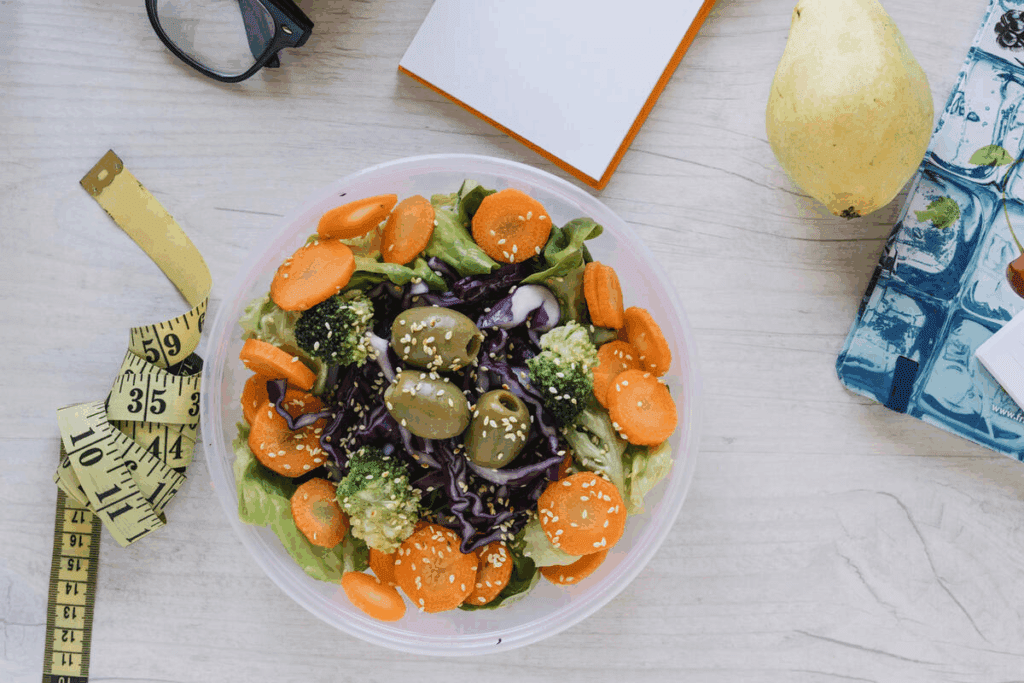
It’s key for bariatric patients to know how much protein they should eat. This helps them recover well and stay healthy. Eating enough protein keeps muscles strong and supports overall health.
Daily Protein Goals
Bariatric patients usually need 60 to 80 grams of protein every day. This amount can change based on body weight, surgery type, and how active they are. For example, those who are more active or have a higher BMI might need more protein.
It’s important to hit these protein goals to avoid losing muscle, heal wounds, and stay healthy. Patients should talk to their doctor or a dietitian to figure out their exact protein needs.
Signs of Inadequate Protein Consumption
If bariatric patients don’t get enough protein, they might feel really tired or weak. They could also lose hair, have trouble healing wounds, lose muscle, or swell up. These are all signs they need more protein.
Spotting these signs early can help patients adjust their diet. It’s vital for them to know these signs and ask their healthcare team for help if they see any of them.
Protein Absorption After Different Bariatric Procedures
Different bariatric procedures affect how the body absorbs protein. After surgery, the body absorbs nutrients less well. It’s key to eat high protein foods to keep muscle mass and support health.
We will look at how various bariatric surgeries impact protein absorption. This helps patients make better food choices after surgery.
Gastric Sleeve Considerations
The gastric sleeve surgery removes a big part of the stomach. This can change how nutrients are absorbed. Even though the main way to absorb protein is not changed, the smaller stomach and different digestion can affect it.
Those with gastric sleeve surgery should eat high-quality, easy-to-digest protein. The best way to get protein after gastric sleeve surgery is to have small, frequent meals with lots of protein.
Gastric Bypass Considerations
Gastric bypass surgery makes a small pouch from the stomach and connects it to the small intestine. This can greatly affect protein absorption. It bypasses a lot of the stomach and small intestine, where most nutrients are absorbed.
For those who had gastric bypass surgery, it’s important to eat protein-rich foods or supplements that are easy to absorb. Whey protein isolate is often suggested because it’s very bioavailable and easy to digest.
It’s important to understand how different bariatric surgeries affect protein absorption. By choosing the right protein sources and eating strategies, patients can help their recovery and long-term health.
Complete List of High Protein Foods for Bariatric Patients
A balanced diet for bariatric patients includes many high protein foods. These foods are key for recovery, keeping muscle, and health. We will look at the different high protein foods good for bariatric patients.
Animal-Based Protein Sources
Animal-based protein sources are great for meeting daily protein needs. These include:
- Lean Meats: Chicken breast, turkey breast, and lean beef are high in protein and low in fat.
- Fish and Shellfish: Salmon, tuna, shrimp, and lobster are rich in protein and omega-3 fatty acids.
These protein sources can be made in many ways to keep meals tasty. For example, grilling or baking lean meats and fish helps keep their nutrients.
Dairy and Egg Protein Sources
Dairy products and eggs are top protein sources for bariatric patients. They are easy to digest and full of nutrients. Some great choices are:
- Greek Yogurt: It’s high in protein and probiotics, good for digestion.
- Cottage Cheese: It’s rich in protein and calcium, perfect for snacks or meals.
- Eggs: A versatile and protein-rich food that can be boiled, scrambled, or made into omelets.
Adding these dairy and egg protein sources to your diet helps meet daily protein needs and supports health.
Plant-Based Protein Options for Bariatric Patients
Plant-based proteins are key for bariatric patients who eat vegetarian or vegan. They help with healing and staying healthy. These foods are easy to add to a post-surgery diet, helping patients get enough protein.
Tofu and Tempeh
Tofu and tempeh are great for plant-based protein. Tofu comes from soybeans and can be cooked many ways. Tempeh, a fermented soybean, adds protein and probiotics for better digestion.
These foods can be used in many dishes. Try marinating and grilling them, adding to stir-fries, or blending into soups.
Edamame
Edamame, or boiled soybeans, are a high-protein snack. They’re packed with protein and fiber, making them a healthy choice.
Enjoy edamame as a snack or add it to salads and dishes for more protein.
Legumes and Beans
Legumes and beans are vital for plant-based protein. They’re full of protein, fiber, vitamins, and minerals. Think lentils, chickpeas, black beans, and kidney beans.
Legume/Bean | Protein Content per Cup |
Lentils | 18g |
Chickpeas | 15g |
Black Beans | 15g |
Kidney Beans | 15g |
Quinoa
Quinoa is a complete protein, with all nine essential amino acids. It’s also full of fiber, iron, and magnesium. It’s a great choice for bariatric patients.
Use quinoa in salads, as a side, or in breakfast bowls.
Soft Protein Foods for Early Post-Surgery Stages
After bariatric surgery, soft protein foods are key. Your stomach is healing, and you need foods that are easy on it. These foods should also give you the nutrients you need.
Whey Protein Isolate
Whey protein isolate is a top pick for bariatric patients. It’s packed with protein and easy to digest. It’s also low in lactose, which is good for sensitive stomachs. You can take it as a supplement or mix it into your food.
Benefits of Whey Protein Isolate:
- High protein efficiency ratio
- Low in fat and lactose
- Easy to digest
- Supports muscle recovery
Pureed Protein Options
Pureed protein foods are great for bariatric patients early on. They’re blended smooth, so they’re easy to eat. This helps your stomach heal without too much strain.
Pureed Protein Food | Protein Content per Serving |
Pureed Chicken | 20g |
Pureed Fish | 22g |
Pureed Greek Yogurt | 15g |
Transitioning to Solid Proteins
When your stomach starts to heal, you can start eating solid proteins. But do it slowly. Introduce new foods one at a time to see how your body reacts.
Tips for Transitioning:
- Start with soft, tender proteins like cooked eggs or tender meats.
- Gradually increase the texture and variety of protein foods.
- Listen to your body and adjust your diet as needed.
Protein-Rich Meal Planning for Bariatric Patients
Bariatric patients need a meal plan full of high protein foods. This helps them recover well and stay healthy. A protein-rich diet is key to meeting their nutritional needs and aiding in recovery.
Breakfast Ideas
Starting with a high protein breakfast is vital. Try scrambled eggs with spinach, Greek yogurt with nuts, or a protein smoothie. These options are not only protein-rich but also easy to digest.
- Scrambled Eggs with Spinach: A simple and nutritious option that combines protein with vitamins.
- Greek Yogurt with Nuts: Provides protein and healthy fats, keeping you full until the next meal.
- Protein Smoothie: Made with whey protein isolate and almond milk, it’s a quick and efficient way to consume protein.
Lunch and Dinner Options
For lunch and dinner, bariatric patients can enjoy a variety of high protein foods. Grilled chicken or fish with quinoa and steamed vegetables is a balanced meal. Legumes like lentils or chickpeas add protein and fiber to meals.
- Grilled Chicken or Fish: Lean proteins that are easy to prepare and rich in nutrients.
- Quinoa and Steamed Vegetables: Quinoa is a complete protein, and when paired with steamed vegetables, it makes for a nutritious meal.
- Legumes: Lentils and chickpeas are high in protein and fiber, making them an excellent addition to meals.
High Protein Snacks
Snacking is key for bariatric patients, helping keep protein intake up all day. High protein snacks like cottage cheese, hard-boiled eggs, and protein bars are great.
- Cottage Cheese: Rich in protein and can be consumed in small portions.
- Hard-Boiled Eggs: A convenient and protein-rich snack.
- Protein Bars: Look for bars that are low in sugar and made with high-quality protein sources.
By adding these high protein foods to their diet, bariatric patients can meet their nutritional needs. This supports their health and recovery.
How to Track Your Daily Protein Intake
Tracking daily protein intake is key for bariatric patients. It helps them meet their nutritional needs. After surgery, they need specific foods to recover well and stay healthy.
Useful Apps and Tools
Many apps and digital tools can help bariatric patients track their protein. These tools make it easy to keep track and make smart diet choices.
Some popular apps include:
- MyFitnessPal
- Lose It!
- MyNetDiary
These apps let users log their food, track protein, and set diet goals.
App Name | Features | Ease of Use |
MyFitnessPal | Large database, barcode scanner, nutrient tracking | Easy |
Lose It! | Simple logging, macro tracking, community support | Very Easy |
MyNetDiary | Detailed nutrient analysis, customizable goals, exercise tracking | Moderate |
Reading Nutrition Labels
Knowing how to read nutrition labels is vital for tracking protein. Labels show the protein in different foods.
To read labels well:
- Find the “Protein” section on the label.
- Check the serving size to know the protein per serving.
- Look at the “% Daily Value” to see if you’re getting enough protein.
By using apps and reading labels, bariatric patients can keep track of their protein intake.
Overcoming Common Protein Challenges
Protein challenges are common among bariatric patients. They need careful dietary planning and management. After bariatric surgery, patients often struggle to get enough protein. This is key for their recovery and health.
Dealing with Protein Fatigue
Protein fatigue makes patients feel weak and tired. To fight this, we suggest adding a variety of high protein foods to their diet. Lean meats, fish, eggs, and dairy products are great sources of protein that can help fight fatigue.
Eating protein-rich foods at different times of the day helps keep energy up. For example, a protein shake or eggs for breakfast can give a much-needed energy boost.
Managing Taste Changes
Taste changes are another challenge for bariatric patients. Foods that were once enjoyable may now taste different or unappealing. To manage this, we suggest trying different cooking methods and seasonings to make protein-rich foods more appealing.
For instance, grilling or baking chicken instead of frying it can make it more enjoyable. Also, using herbs and spices to season food can add flavor without extra salt or sugar.
By using these strategies, bariatric patients can overcome common protein challenges. They can maintain a balanced diet that supports their health and well-being.
Alternatives to Protein Shakes After Bariatric Surgery
While protein shakes are easy to use, bariatric patients can find better options as they get better. Whole foods offer the nutrients needed for a balanced diet. They help patients stay healthy as they recover.
Food-Based Protein Sources
After bariatric surgery, eating foods high in protein is key. These include lean meats, poultry, fish, eggs, dairy, and legumes. Planning meals carefully is important to get enough protein.
Some high-protein foods are:
- Lean meats like chicken and turkey
- Fish such as salmon and tuna
- Eggs and dairy products like Greek yogurt and cottage cheese
- Legumes, including lentils and chickpeas
Protein-Enriched Foods and Drinks
Protein-enriched products can also be good for bariatric patients. These include fortified dairy, protein-rich nut milks, and some cereals. Always check the labels to make sure they have enough protein.
Key considerations when choosing protein-enriched foods and drinks:
- Check the protein content per serving
- Be mindful of added sugars and artificial ingredients
- Choose products that are fortified with other essential nutrients like vitamins and minerals
By mixing whole foods and protein-enriched products, bariatric patients can eat well. This mix supports their nutritional needs and helps with post-surgery diet challenges.
Conclusion
Creating a balanced protein plan is key for recovery and success after bariatric surgery. Adding high protein foods to a meal plan helps keep patients nourished and on track with weight loss. It’s important to work with healthcare providers to make a meal plan that fits your needs.
Healthcare providers can help set daily protein goals, aiming for about 80 grams. This ensures you get the right amount of protein for your body.
A good protein plan supports health and well-being. Eating nutrient-dense foods and tracking protein intake helps bariatric patients stay healthy. This approach leads to a better lifestyle.
FAQ
How much protein should a bariatric patient consume daily?
Bariatric patients should aim for 60 to 100 grams of protein daily. This amount varies based on individual needs and surgery type.
What are some high protein foods suitable for bariatric patients?
Good protein sources for bariatric patients include lean meats, fish, and poultry. Dairy and eggs are also great options. For plant-based choices, try tofu, tempeh, edamame, legumes, and quinoa.
How do different bariatric procedures affect protein absorption?
Bariatric surgeries like gastric sleeve and gastric bypass impact protein absorption differently. For example, gastric bypass might require closer monitoring of protein intake due to digestive system changes.
What are some soft protein foods suitable for early post-surgery stages?
Early on, try whey protein isolate and pureed proteins. These are easy on the stomach and help meet protein needs.
How can bariatric patients track their daily protein intake?
Use apps and tools to track protein intake. Reading nutrition labels also helps ensure you meet your protein goals and maintain a balanced diet.
What are some alternatives to protein shakes after bariatric surgery?
Instead of protein shakes, try food-based proteins like Greek yogurt and cottage cheese. Protein-fortified milk is another option.
How can bariatric patients overcome common protein challenges?
To beat protein fatigue and taste changes, vary your protein sources. Try different cooking methods and seek advice from healthcare providers.
When can I eat nuts after gastric bypass surgery?
Introducing nuts after gastric bypass depends on your tolerance and doctor’s advice. Start with soft foods and gradually add nuts as your stomach heals.
How can I get 80 grams of protein a day after bariatric surgery?
To hit 80 grams of protein, focus on high protein foods like lean meats, fish, eggs, and dairy. Plant-based options and protein supplements like whey isolate can also help.
References
National Center for Biotechnology Information. Evidence-Based Medical Guidance. Retrieved from https://pubmed.ncbi.nlm.nih.gov/38320462/