

Choosing between SADI-S and traditional duodenal switch surgery is a big decision for those with severe obesity. Research shows duodenal switch leads to better weight loss. But SADI-S is safer, with less risk and shorter surgery time.Analyzing the difference between SADI and traditional loop ds surgery (Duodenal Switch).
Liv Hospital focuses on top-notch care. Knowing the differences between SADI-S and duodenal switch is key. We’ll look at their results, risks, and who they’re best for to guide your choice.
Key Takeaways
- SADI-S and duodenal switch surgeries are both used to treat severe obesity.
- Duodenal switch achieves greater weight loss, but with longer operative time.
- SADI-S offers a safer alternative with fewer anastomotic risks.
- Understanding the differences between these procedures is essential for informed decision-making.
- Patient outcomes and complications vary between SADI-S and duodenal switch surgeries.
The Evolution of Advanced Bariatric Procedures
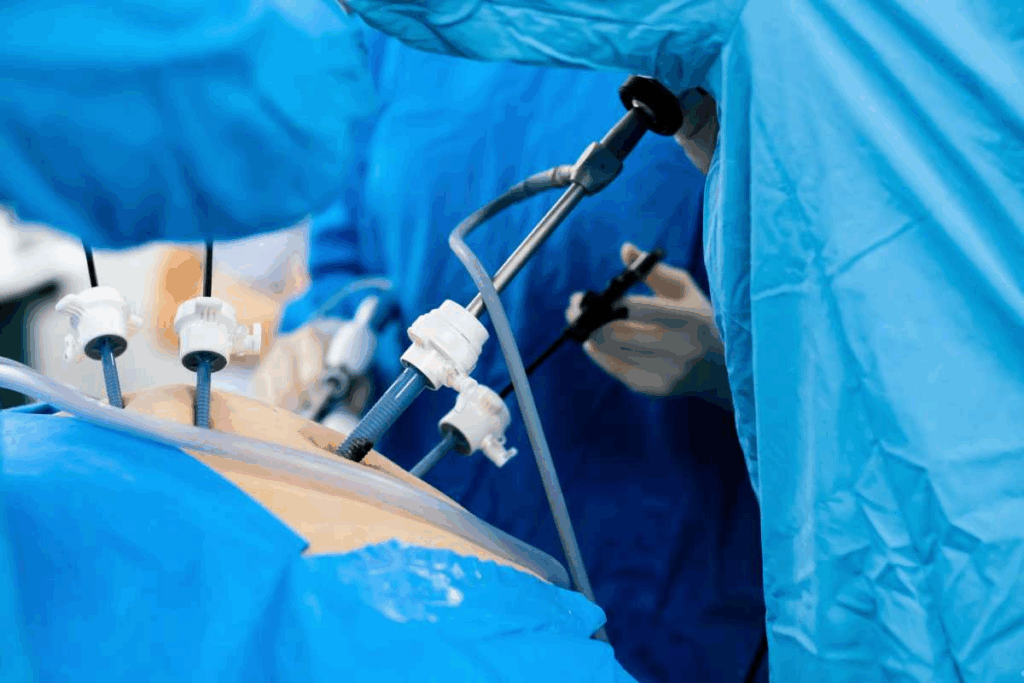
Modern bariatric surgery has evolved with new procedures like SADI-S and Duodenal Switch. These are designed to tackle obesity more effectively. The field has moved from old methods to newer, more complex ones.
Modern Techniques in Bariatric Surgery
SADI-S has been a big step forward in bariatric surgery. It’s a simpler version of the traditional BPD-DS. This makes the surgery more accessible and could lower the risk of complications.
A study in a top surgical journal found SADI-S works as well as the traditional DS. It also makes the surgery easier.
“The SADI-S procedure represents a significant step forward in the treatment of obesity, making it a safer and equally effective option compared to more complex surgeries.”
The Growing Need for Effective Surgical Solutions
Obesity is becoming more common worldwide, leading to a higher need for effective surgeries. As we learn more about obesity, we need safer and more lasting bariatric procedures.
Procedure | Key Features | Benefits |
SADI-S | Single anastomosis, simplified DS | Reduced complexity, comparable weight loss |
Duodenal Switch | Complex, multi-step procedure | Effective weight loss, metabolic improvements |
Loop DS Surgery | Modified DS with loop configuration | Simplified version of DS, potentially fewer complications |
As we learn more about obesity, SADI-S and Duodenal Switch will be key in treating it. The growth of advanced bariatric procedures shows our dedication to better patient care and quality of life.
What is SADI-S Surgery?
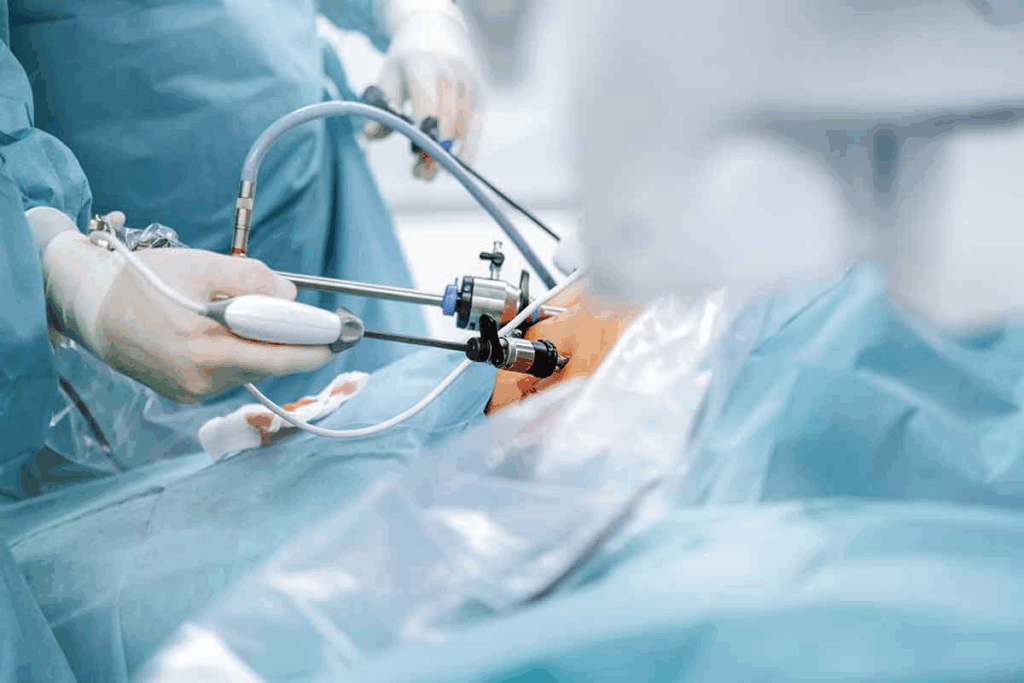
SADI-S surgery is a new way to help people lose weight. It combines two methods: sleeve gastrectomy and single anastomosis duodeno-ileal bypass. This mix aims to help people lose a lot of weight safely.
Procedure Overview and Technical Approach
The SADI-S surgery has two parts. First, the stomach is made smaller through sleeve gastrectomy. Then, a new connection is made between the duodenum and the ileum. This technical approach makes the surgery simpler and safer.
Anatomical Changes and Digestive Alterations
The SADI-S surgery makes big changes in the body. The smaller stomach limits how much food you can eat. The bypass of part of the small intestine changes how nutrients are absorbed. These changes help with weight loss and improve health.
Key Benefits of the SADI-S Approach
The SADI-S method has many advantages:
- It’s simpler than the traditional duodenal switch surgery.
- It may reduce the risk of nutritional problems because more of the small intestine is left intact.
- It leads to effective weight loss and better health for people with obesity.
- It could have fewer complications because of the single anastomosis.
These benefits make SADI-S a good choice for those wanting to lose weight and improve their health. But, it’s important to talk to doctors to see if it’s right for you.
Understanding Duodenal Switch Surgery
The Duodenal Switch procedure is known for its success in weight loss. It combines two techniques: restrictive and malabsorptive. This surgery is for those with severe obesity, aiming for significant weight loss.
Traditional DS Procedure Explained
The traditional Duodenal Switch (DS) surgery is a type of bariatric surgery. It has two main parts: a sleeve gastrectomy and an intestinal bypass. The sleeve gastrectomy makes the stomach smaller, limiting food intake.
The intestinal bypass, or biliopancreatic diversion, changes how food moves through the intestines. This reduces calorie absorption. Together, these parts limit food intake and calorie absorption, leading to significant weight loss.
Malabsorptive and Restrictive Components
The DS procedure has malabsorptive and restrictive parts. The restrictive part, from the sleeve gastrectomy, makes patients feel full sooner. It limits how much food they can eat.
The malabsorptive part reroutes the small intestine. This reduces nutrient and calorie absorption, aiding in weight loss. But, it requires careful nutrition after surgery to avoid deficiencies.
Historical Success Rates and Applications
Historically, the Duodenal Switch procedure has led to significant weight loss. Studies show patients can lose 70-80% of excess weight.
Despite its success, DS surgery is complex and carries a higher risk of nutritional problems. It’s usually recommended for those with a high BMI or who haven’t lost enough weight with other surgeries.
Loop DS Surgery: Modern Adaptation of Duodenal Switch
Loop DS surgery is a new twist on the duodenal switch. It brings new tech to the table, making waves in bariatric circles. This method makes the surgery simpler, aiming to cut down on risks while keeping weight loss strong.
Technical Differences from Traditional DS
Loop DS surgery stands out from the classic DS in its method. It’s all about fewer connections in the gut. The old DS has many complex links, but loop DS uses a loop setup, making things easier.
This change brings a few key benefits:
- Reduced Operative Time: With fewer connections, the surgery is quicker. This means less time under anesthesia, which is safer.
- Lower Complication Rates: Fewer connections mean less chance of leaks or strictures. This lowers the risk of serious problems.
- Simplified Revisional Surgery: If a second surgery is needed, loop DS is easier to fix. Its simpler design makes revisions smoother.
Simplified Surgical Approach
Loop DS surgery is a more straightforward process than the traditional DS. It involves:
- A single connection between the stomach and intestine, creating a loop.
- Keeping the pylorus intact. This helps keep digestion more natural.
This simpler method makes the surgery more open to more surgeons. It’s a step towards making bariatric surgery more accessible.
Potential Advantages of the Loop Modification
The loop change in DS surgery has some big pluses:
- Effective Weight Loss: Loop DS keeps the key weight-loss parts of DS. It’s good for shedding pounds.
- Reduced Risk of Malnutrition: By keeping more of the digestive path, loop DS might lower malnutrition risks. This is a big deal for patients.
- Improved Patient Outcomes: The simpler surgery could lead to better results for patients. Fewer risks mean happier patients.
In short, loop DS surgery is a big step forward in bariatric surgery. It’s simpler, safer, and could lead to better results for patients. As bariatric surgery evolves, loop DS will likely become a key player in fighting obesity.
Comparing Surgical Procedures and Requirements
The differences in SADI-S and DS surgeries are key for surgeons and patients. Knowing these differences helps improve patient care and results.
Operative Time Analysis
SADI-S surgeries are often shorter than DS ones. Shorter times mean less anesthesia risk. SADI-S takes about 60-90 minutes, while DS can take up to 2 hours.
“SADI-S’s shorter time is a big plus,” says a top bariatric surgeon. “It saves time and might improve patient results.”
Technical Complexity Comparison
DS is more complex than SADI-S. DS needs a bigger intestinal change. SADI-S is simpler, making it easier for surgeons to learn.
Hospital Stay and Recovery Timeline Differences
Hospital stays and recovery times are important. SADI-S patients usually leave the hospital in 1-2 days. DS patients might stay longer due to the procedure’s complexity.
- SADI-S: Average hospital stay of 1.2 days
- DS: Average hospital stay of 2.5 days
Recovery times also differ. SADI-S patients get back to normal in 2-3 weeks. DS patients might need 3-4 weeks or more.
In summary, SADI-S and DS have different profiles. Knowing these differences is key for better patient care and outcomes.
Weight Loss Outcomes: 5-Year Comparative Data
Studies on SADI-S and Duodenal Switch surgeries over five years offer insights. They help patients and doctors make informed decisions. These studies look at the long-term effects of these surgeries.
Multicenter Prospective Study Results
A study with many centers and patients shows differences in weight loss. Both surgeries help with weight loss, but they have different long-term effects.
Duodenal Switch surgery leads to more weight loss than SADI-S at 5 years. This is important for choosing the right surgery for each patient.
Excess Weight Loss Percentages
The study found Duodenal Switch patients lose more weight. This is because of its malabsorptive part, which is stronger than SADI-S.
Here are the excess weight loss percentages over 5 years:
- Duodenal Switch: 80-85% excess weight loss
- SADI-S: 70-75% excess weight loss
Long-Term Weight Maintenance Patterns
Both surgeries help keep weight off long-term. But, Duodenal Switch patients tend to lose weight more steadily. They also regain less weight than SADI-S patients.
These results show the importance of choosing the right surgery. It depends on the patient’s health, lifestyle, and goals.
Nutritional Impacts and Management
It’s important to understand how SADI-S and DS surgeries affect nutrition. Both surgeries change the digestive system in different ways. This leads to unique nutritional challenges.
Vitamin and Mineral Absorption Differences
SADI-S and DS surgeries impact vitamin and mineral absorption differently. DS surgery, being more malabsorptive, often results in lower levels of vitamins and minerals. This is compared to SADI-S.
- Vitamin B12: Often requires supplementation post-DS due to reduced absorption.
- Iron: May be poorly absorbed in both procedures, necessitating careful monitoring.
- Calcium: Absorption can be affected, potentially leading to deficiencies, more so in DS patients.
Protein Malnutrition Risk Assessment
Protein malnutrition is a risk after both surgeries. But DS patients face a higher risk due to its malabsorptive nature.
Several factors can influence this risk:
- Dietary intake and quality
- Absorptive capacity post-surgery
- Regular follow-up and monitoring
Supplementation Protocols for Each Procedure
Supplementation needs differ for SADI-S and DS due to their nutritional impacts.
Nutrient | SADI-S Supplementation | DS Supplementation |
Multivitamin | Daily | Daily, potentially twice daily |
Calcium | 500 mg, twice daily | 1000 mg, twice daily |
Vitamin B12 | Monthly injections | Monthly injections, potentially more frequent |
Customizing supplements based on the patient’s surgery is key. It helps prevent nutritional deficiencies.
Safety Profiles and Complication Rates
When thinking about bariatric surgery, it’s key to know about the safety of SADI-S and DS. Both are good for losing weight, but they have different safety levels and complication rates.
Early Postoperative Complications
Early complications after surgery are a big deal for those getting bariatric surgery. SADI-S and DS have different risks for these issues. A study found SADI-S has fewer early problems like leaks and bleeding than DS.
“SADI-S might be safer early on,” say bariatric surgery experts. This is important for patients and doctors choosing between the two.
Long-Term Adverse Events
Long-term problems are also key when looking at SADI-S and DS safety. Both can lead to big weight loss but also have risks like nutritional issues. DS, with its malabsorptive part, might have more nutritional risks if not managed right.
A study on long-term results showed SADI-S might be safer for avoiding nutritional problems. But, both need close follow-up and supplements to avoid these issues.
Comparative Analysis of Complication Data
Looking at complication rates for SADI-S and DS, early and long-term data are important. Studies show SADI-S often has lower rates for leaks and needing more surgery than DS.
A meta-analysis found SADI-S might be safer, but more long-term data is needed. This will help fully understand the risks and benefits of each surgery.
In summary, SADI-S and DS both have their good and bad sides when it comes to safety and complications. Patients should talk to their doctor about their own risks and health to make a smart choice.
Revisional Surgery After Failed Sleeve Gastrectomy
When sleeve gastrectomy doesn’t lead to enough weight loss, people might look into SADI-S and DS. These are options for when the first surgery doesn’t work. Both patients and doctors need to think carefully about what to do next.
SADI-S as a Revisional Option
SADI-S is a good choice for those who didn’t lose enough weight with sleeve gastrectomy. This surgery makes a sleeve gastrectomy and connects the duodenum to the ileum. It’s simpler than DS and might have fewer complications.
Research shows SADI-S can help people lose a lot of weight and improve health. It’s simpler than DS, making it a popular choice for fixing previous surgeries.
DS as a Revisional Option
DS is another option for those who didn’t lose enough weight after sleeve gastrectomy. DS is more complex, with a sleeve gastrectomy and intestinal bypass. It can lead to more weight loss but might cause nutritional problems.
Choosing DS requires thinking about the patient’s health, nutrition, and the risks and benefits. It’s a big decision.
Technical Considerations for Conversion
Choosing between SADI-S and DS depends on several things. These include the patient’s body, past surgeries, and the surgeon’s skills. It’s important to evaluate each case carefully before surgery.
It’s also important to think about possible complications and the need for lifelong nutrition support. After surgery, patients need close monitoring to manage any issues and get the best results.
Patient Selection: Who Benefits Most from Each Procedure?
Choosing the right bariatric surgery is key to success. Decisions between SADI-S and Duodenal Switch depend on BMI, health, and personal needs.
Ideal Candidates for SADI-S
SADI-S is best for those with a BMI under 50. These patients usually have fewer health issues and lower surgery risks. It’s also good for those wanting a simpler surgery.
- Patients with a BMI between 40 and 50
- Those with fewer health complications
- Individuals who prefer a relatively simpler surgical approach
Optimal Scenarios for Duodenal Switch
Duodenal Switch is for those with a BMI over 50 or many health problems. This complex procedure is chosen when benefits outweigh risks. Patients need to be ready for big lifestyle changes after surgery.
- Patients with a BMI above 50
- Those with multiple health complications
- Individuals who are prepared for significant dietary changes
BMI-Based Decision Making
BMI is key in choosing between SADI-S and Duodenal Switch. SADI-S suits lower BMI patients, while DS is for higher BMI ones. But, the best choice depends on the patient’s health and needs.
“The choice between SADI-S and Duodenal Switch should be tailored to the individual patient’s characteristics, including their BMI, health status, and personal preferences.”
— Expert in Bariatric Surgery
Healthcare providers evaluate these factors to help patients choose wisely.
Quality of Life and Long-Term Functional Outcomes
SADI-S and DS surgeries improve patients’ quality of life and health over time. It’s key to look at how these surgeries affect different parts of a patient’s life.
Digestive Function and Comfort
Success of these surgeries depends on their impact on digestion and comfort. SADI-S might have fewer bowel obstruction issues than DS. But DS could help more with malabsorption problems due to its extensive rearrangement of the digestive tract.
A study showed both surgeries lead to weight loss. But SADI-S patients felt better in the short term. DS patients saw better metabolic improvements over time.
Activity Levels and Physical Capabilities
Both surgeries help patients move more and feel physically better. Losing weight makes it easier to move and reduces joint pain. This lets patients do more physical activities.
A study showed both surgeries improve activity levels post-surgery.
Activity Level | SADI-S | DS Surgery |
Pre-Surgery | Low | Low |
6 Months Post-Surgery | Moderate | Moderate |
1 Year Post-Surgery | High | High |
Psychological Impact and Body Image
The mental benefits of SADI-S and DS surgeries are huge. Many patients see big improvements in body image and mental health. Losing weight boosts self-esteem and body image.
“The transformation in my body and my mindset has been incredible. I feel like a new person after the surgery.” – Patient Testimonial
Choosing between SADI-S and DS depends on what each patient needs. Knowing how these surgeries affect life and health helps patients make better choices.
Conclusion: Making an Informed Decision
Choosing between SADI-S and Duodenal Switch (DS) bariatric surgery is a big decision. It depends on your BMI, health, and what you prefer. We’ve looked at the main differences between these surgeries, from how they’re done to their long-term effects.
When thinking about SADI-S vs DS, you need to consider the good and bad sides of each. SADI-S might have fewer complications because it’s simpler. But DS has a proven track record of big weight loss. The right bariatric surgery choice depends on your personal needs and health goals.
To make a smart choice, talk to experienced doctors. Share your situation and the risks and benefits of each surgery. This way, you can pick the best surgery for you. It will help you on your weight loss journey and improve your health.
FAQ
What is the main difference between SADI-S and Duodenal Switch surgery?
SADI-S is simpler than the traditional Duodenal Switch. It has a less complex loop setup.
How do SADI-S and DS surgeries impact weight loss?
Both surgeries help with weight loss. Studies show they have similar results in the short term. But, long-term results might vary.
What are the nutritional implications of SADI-S and DS surgeries?
Both surgeries can cause nutritional issues. DS might lead to more protein malnutrition. It often needs more supplements than SADI-S.
Are SADI-S and DS considered safe procedures?
Both surgeries have their risks and benefits. DS might have more long-term risks due to its complexity.
Can SADI-S or DS be used as revisional surgeries after a failed sleeve gastrectomy?
Yes, both can be used after a failed sleeve gastrectomy. The choice depends on the patient’s health and BMI.
How do I choose between SADI-S and DS for weight loss surgery?
Choose based on your BMI, health, and personal preferences. Always talk to a healthcare professional for advice.
What is the recovery time for SADI-S and DS surgeries?
Recovery times differ. SADI-S has a shorter stay and recovery. DS might need more time due to its complexity.
How do SADI-S and DS affect quality of life?
Both surgeries can change your life. They affect digestion, activity, and mental health. The impact varies by person and surgery.
What is loop DS surgery, and how does it differ from traditional DS?
Loop DS is a simpler version of traditional DS. It aims to reduce complications and make the surgery easier.
Are there any specific criteria for patient selection for SADI-S and DS?
Criteria include BMI, health, and medical conditions. The right candidate for each surgery is chosen based on these factors for the best results.
References
National Center for Biotechnology Information. Evidence-Based Medical Guidance. Retrieved from https://pubmed.ncbi.nlm.nih.gov/36282430/).



 Departments
 Related Videos
 Our Doctors
 News
News