
Are you thinking about a weight loss surgery that mixes sleeve gastrectomy and intestinal bypass? Loop duodenal switch surgery, also known as single-anastomosis duodenal switch (SADS) or SADI surgery, is a new twist on old duodenal switch methods.Explaining the procedure and benefits of loop duodenal switch surgery.
We’ll dive into this cutting-edge weight loss method. It makes the traditional duodenal switch easier while keeping its weight loss perks. Knowing what this surgery is, its advantages, and its downsides will help you decide on your weight loss path.
Key Takeaways
- Loop duodenal switch surgery combines sleeve gastrectomy and single intestinal anastomosis.
- This procedure simplifies traditional duodenal switch surgery.
- It maintains the weight loss benefits of the traditional procedure.
- Understanding the benefits and risks is key for making a smart choice.
- Recovery and post-operative care are vital for good results.
What is Loop Duodenal Switch Surgery?
The loop duodenal switch is a complex surgery for weight loss. It combines restrictive and malabsorptive elements. This helps patients lose a lot of weight.
Definition and Basic Concept
This surgery mixes a sleeve gastrectomy with a single intestinal anastomosis. It creates a loop of the small intestine connected to the stomach. About 80% of the stomach is removed, leaving a narrow stomach.
The surgery is both restrictive and malabsorptive. The small stomach size limits food intake. The altered intestinal path also reduces nutrient absorption.
The goal is to limit food intake and reduce nutrient absorption. This can lead to significant and lasting weight loss in obese patients.
Origins and Development of the Procedure
The loop duodenal switch evolved from the traditional duodenal switch. The traditional duodenal switch was a modification of the biliopancreatic diversion surgery. It aimed to offer a more effective weight loss solution.
Surgeons later simplified the traditional duodenal switch to create the loop duodenal switch. This change kept the benefits of the original while reducing complexity and complications. The loop duodenal switch is now a popular weight loss surgery option.
Key aspects of the loop duodenal switch surgery include:
- Reduced stomach size through sleeve gastrectomy
- A single intestinal anastomosis creating a loop configuration
- Malabsorption of nutrients due to altered intestinal anatomy
Understanding the loop duodenal switch surgery helps patients see its complexity and benefits.
The Science Behind Loop Duodenal Switch Surgery
Loop duodenal switch surgery changes the body’s digestive system. It affects how the body uses food and hormones. This surgery is complex and impacts the body’s health.
Anatomical Modifications
The surgery modifies the stomach and the duodenum. It creates a c-loop configuration for food. This change helps reduce calorie and nutrient absorption.
A sleeve gastrectomy is part of the surgery. It removes a big part of the stomach, leaving a narrow sleeve. This limits how much food you can eat. The duodenum is also rearranged into a c-loop, a key part of the duodenal switch anatomy.
Metabolic and Hormonal Effects
The surgery’s changes in food pathway deeply affect metabolic and hormonal processes. It alters the levels of hormones that control hunger and fullness.
The c-loop of the duodenum is very important. It changes hormone levels like ghrelin and incretins. These changes help you feel less hungry and more full, helping with weight loss.
The surgery also improves metabolic health. It helps with conditions like type 2 diabetes and high blood pressure. This is because the surgery makes the body more efficient at using food.
Comparing Loop Duodenal Switch Surgery to Other Bariatric Procedures
Choosing the right bariatric surgery is a big decision. The Loop Duodenal Switch (Loop DS) is one option. It’s important to know how it compares to other surgeries to understand its benefits and risks.
Traditional Duodenal Switch vs. Loop Modification
The traditional Duodenal Switch (DS) and the Loop DS aim for weight loss. But the Loop DS is simpler, with fewer complications. This is because it doesn’t need a second intestinal anastomosis.
Key differences include:
- Simplified surgical technique
- Reduced risk of certain complications
- Similar weight loss outcomes
Gastric Bypass vs. Loop DS
Gastric Bypass, or Roux-en-Y Gastric Bypass, is also popular. Both Gastric Bypass and Loop DS can lead to weight loss. But they work differently and have different results.
Procedure | Weight Loss Mechanism | Complication Risk |
Gastric Bypass | Restrictive and malabsorptive | Moderate |
Loop DS | Restrictive and malabsorptive | Moderate to High |
Sleeve Gastrectomy vs. Loop DS
Sleeve Gastrectomy is all about restriction. Loop DS adds malabsorption to restriction. Some studies suggest Loop DS might lead to more weight loss for certain patients.
It’s essential for patients to discuss their individual needs and health status with their healthcare provider to determine the most suitable bariatric procedure.
Looking at the differences and similarities between these surgeries helps patients make better choices. Our team is here to support and guide you through this process.
Determining if You’re a Candidate for Loop Duodenal Switch Surgery
Loop Duodenal Switch surgery is not for everyone. We carefully check if you’re a good fit. This helps us find the right candidates for the surgery.
Medical Eligibility Criteria
First, we look at your health. You need a high Body Mass Index (BMI) or obesity-related health issues. This includes diabetes, high blood pressure, or sleep apnea.
We also consider those who haven’t lost weight with other methods. Your BMI must be over 50 or over 35 with health problems.
Psychological Evaluation Process
Then, we check your mental health. This is key to see if you’re ready for the surgery. We look at your motivation and how well you’ll follow post-surgery advice.
This includes your mental health status. It’s important to be mentally prepared for the changes ahead.
Contraindications
Some health issues make the surgery too risky. These include severe heart or lung problems, active substance abuse, or certain mental health conditions.
We review your medical history and current health. This helps us spot any risks. It’s all about making sure the surgery is safe for you.
By looking at your health and mental readiness, we decide if the surgery is right for you. This careful process helps us ensure the best results for those choosing sadis bariatric surgery or loop bypass.
The Benefits of Loop Duodenal Switch Surgery
Loop Duodenal Switch Surgery is a weight loss option with many benefits. It helps people lose a lot of weight and improve health problems linked to obesity. This can greatly improve a person’s life quality.
Expected Weight Loss Outcomes
This surgery is known for its ability to help people lose a lot of weight. Studies show that patients can lose 75% to 95% of excess weight. Losing this much weight can greatly improve health and happiness.
Improvement in Obesity-Related Conditions
Loop Duodenal Switch Surgery not only helps with weight loss but also improves health problems linked to obesity. Many people with type 2 diabetes see a big improvement or even get better completely. Other issues like high blood pressure and sleep apnea can also get better.
Quality of Life Improvements
This surgery also brings big improvements in life quality. People often feel more mobile, have less joint pain, and feel better overall. This surgery can change someone’s life, making it easier to do daily activities and enjoy life more.
Understanding the Risks and Complications
Loop Duodenal Switch surgery is a top choice for weight loss. But, it’s important to know the risks. Like any big surgery, it can have complications.
We’ll talk about the risks, like surgical problems, nutritional issues, and stomach side effects. This info helps patients make smart choices about their health.
Surgical Complications
Complications can happen during or after the surgery. These might include:
- Infection
- Bleeding
- Adverse reactions to anesthesia
- Leaks from the staple lines or anastomoses
Table: Possible Surgical Complications
Complication | Description | Frequency |
Infection | Bacterial infection at the surgical site | Low |
Bleeding | Excessive bleeding during or after surgery | Moderate |
Leaks | Leaks from staple lines or anastomoses | Low to Moderate |
Nutritional Deficiencies
Nutritional issues are a big worry after this surgery. The surgery can make it hard to absorb nutrients. Patients might lack:
- Protein
- Vitamin B12
- Iron
- Calcium
- Vitamin D
To avoid these problems, patients must take special supplements. They also need regular check-ups.
Gastrointestinal Side Effects
Stomach problems are common after this surgery. These can include:
- Diarrhea
- Bloating and gas
- Nausea and vomiting
- Abdominal pain
These side effects can be tough, but they usually get better with time. The body gets used to the changes.
Knowing the risks and complications helps patients get ready for the surgery. It prepares them for the challenges and benefits of this weight loss method.
The Loop Duodenal Switch Surgery Process
Knowing what to expect from Loop Duodenal Switch surgery can help reduce anxiety. It also improves outcomes. The process includes several stages, from preparation before surgery to recovery in the hospital.
Preoperative Preparation
Before laparoscopic duodenal switch surgery, patients must prepare thoroughly. This stage is vital for safety and success.
- Medical evaluation: Patients get a full medical check-up to spot any risks.
- Dietary adjustments: They learn about diet changes to get their body ready.
- Psychological evaluation: A mental check is done to see if the patient is ready.
A study in the Journal of Obesity Surgery says, “Proper preoperative preparation is key to minimizing complications and ensuring a smooth recovery.”
“Proper preoperative preparation is key to minimizing complications and ensuring a smooth recovery.”
Journal of Obesity Surgery
Step-by-Step Surgical Procedure
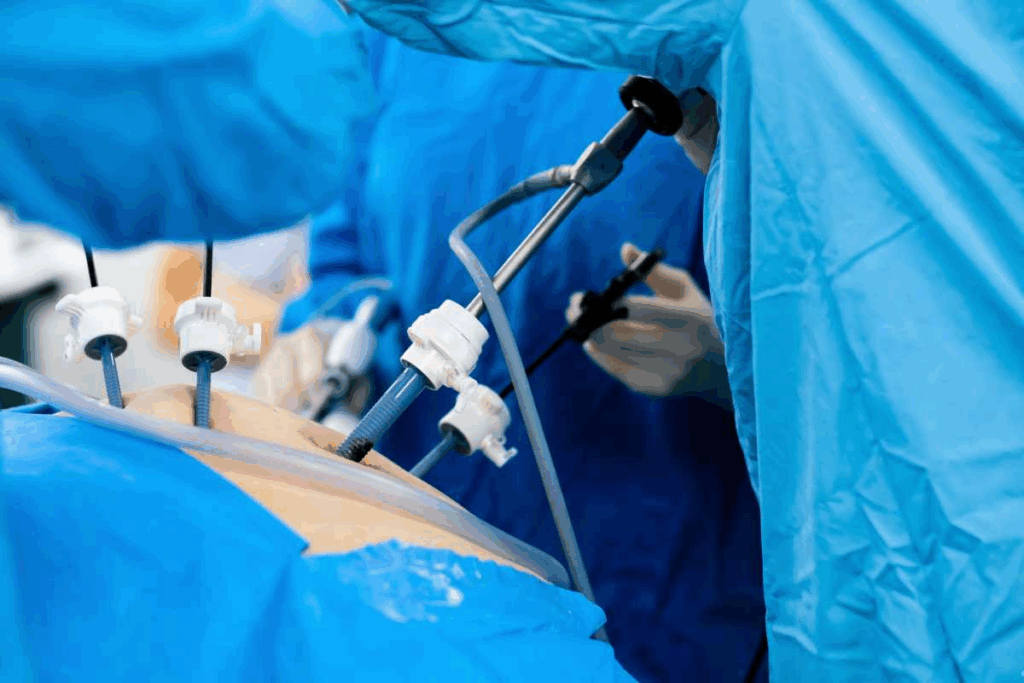
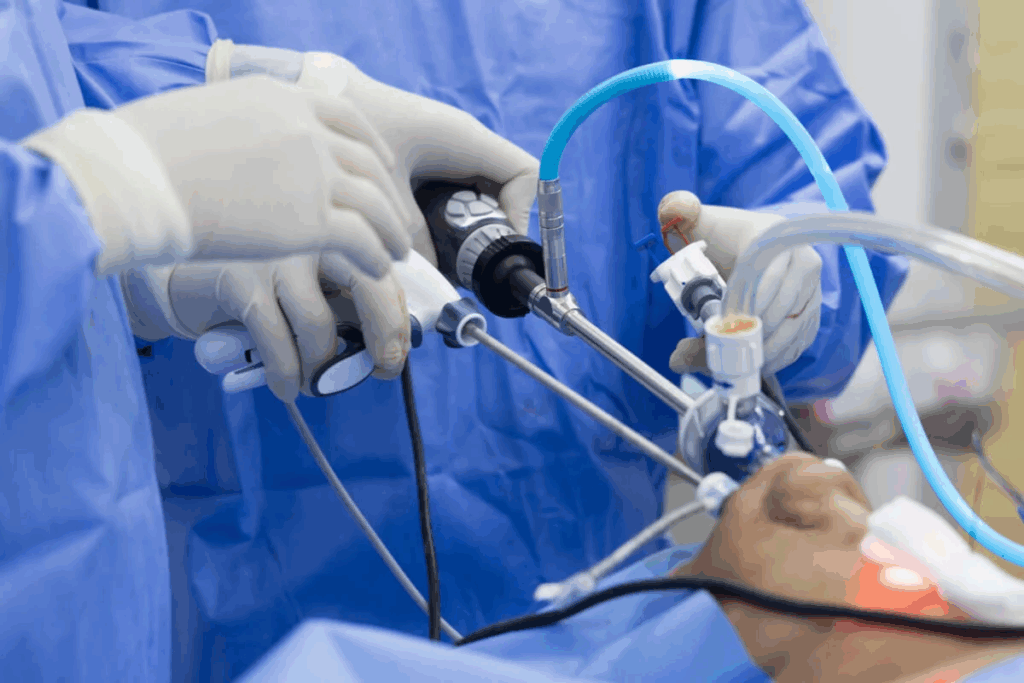
The surgical procedure for Loop Duodenal Switch is detailed and complex. It’s done laparoscopically, which cuts down recovery time and scarring.
- The surgeon makes small incisions in the abdomen for laparoscopic tools.
- The stomach is partially removed, making a sleeve-like structure.
- The duodenum is rearranged into a loop to reduce nutrient absorption.
Step | Description |
1 | Laparoscopic incisions |
2 | Stomach sleeve creation |
3 | Duodenum rearrangement |
The surgery usually takes two to four hours. This depends on the case’s complexity and the patient’s health.
Hospital Stay and Immediate Recovery
After surgery, patients stay in the hospital for one to two days. Medical staff watch over them closely, managing pain and looking out for complications.
Immediate recovery includes:
- Pain management: Patients get medication for pain.
- Nutritional guidance: They learn about post-surgery diet.
- Mobility: Moving and walking helps prevent blood clots.
Understanding the Loop Duodenal Switch surgery process helps patients prepare better. This leads to better outcomes and a smoother recovery.
Recovery and Aftercare Following Surgery
Recovery and aftercare are key to the success of Loop Duodenal Switch surgery. A good aftercare plan helps avoid complications. It also supports the patient in losing weight and improving health.
Post-Surgery Diet Progression
The diet after surgery starts with liquids, then soft foods, and ends with regular food. This step-by-step approach helps the digestive system heal.
- Liquid Diet (1-2 weeks post-surgery): Patients start with a liquid diet to ease digestion.
- Soft Foods (2-4 weeks post-surgery): They then move to soft foods like pureed veggies and lean proteins.
- Regular Diet (after 4 weeks post-surgery): Later, they can eat regular foods, focusing on nutrients and avoiding high-calorie foods.
Diet Stage | Duration | Food Examples |
Liquid Diet | 1-2 weeks | Clear broths, electrolyte-rich beverages, protein shakes |
Soft Foods | 2-4 weeks | Pureed vegetables, lean proteins, soft fruits |
Regular Diet | After 4 weeks | Lean meats, vegetables, fruits, whole grains |
Essential Nutritional Supplements
After surgery, patients need lifelong supplements to avoid deficiencies. Key supplements include:
- Multivitamins: For overall nutrition.
- Calcium and Vitamin D: For bone health.
- Vitamin B12: To prevent deficiency, as absorption is reduced.
- Protein Supplements: For muscle mass and health.
Physical Activity Guidelines
Physical activity is important in recovery and aftercare. Patients should start with gentle exercises and increase intensity gradually.
- Initial Phase (0-4 weeks): Start with gentle walking and stretching.
- Intermediate Phase (4-8 weeks): Add more activities like brisk walking, cycling, or swimming.
- Advanced Phase (after 8 weeks): Do intense workouts, including strength training and aerobic exercises.
Following these guidelines helps patients recover well, avoid complications, and get the best results from Loop Duodenal Switch surgery.
Long-Term Lifestyle Management After Loop Duodenal Switch
Loop duodenal switch surgery is a big step towards weight loss. It needs a lifelong commitment to diet and lifestyle changes. This surgery is not a quick fix but a tool for significant weight loss and better health. Patients must be ready to make and keep long-term lifestyle changes.
Ongoing Dietary Requirements
Following specific dietary needs is key after loop duodenal switch surgery. Patients must eat a planned diet that’s nutritious but avoids certain foods. This means eating smaller meals often, avoiding high-calorie foods, and getting enough proteins, vitamins, and minerals.
We stress the need for a diet rich in protein to keep health and muscle. Patients also need to take supplements for life to avoid vitamin and mineral deficiencies.
Lifelong Medical Follow-Up
Regular doctor visits are vital to check on health and catch problems early. We suggest patients see their doctor often for check-ups. These may include blood tests, health assessments, and advice on managing side effects.
Regular care also lets doctors adjust the diet or supplements as needed. This ongoing support is key to getting the best results from the surgery.
Managing Possible Challenges
Loop duodenal switch surgery can face challenges like nutritional deficiencies and side effects. We help patients deal with these issues early on.
Managing challenges might mean changing the diet, taking supplements, or sometimes more medical help. By being proactive, we help patients overcome these issues and keep enjoying the surgery’s benefits.
In summary, managing life after loop duodenal switch surgery needs a full approach. This includes diet changes, regular doctor visits, and tackling challenges head-on. By sticking to these changes, patients can get the most from their surgery and enjoy better health and happiness.
Conclusion
Understanding loop duodenal switch surgery is key for those thinking about it. This surgery, also known as sadi duodenal switch, is complex but very effective. It leads to significant weight loss and helps with obesity-related issues.
Knowing the science behind it and comparing it to other surgeries is important. Patients should also be aware of the risks and complications. Proper preparation before surgery, care after, and managing lifestyle long-term are vital for the best results.
Loop duodenal switch surgery can change lives for those with obesity. We urge people to talk to healthcare experts. This can help decide if the surgery is right for them and start a healthier life.
FAQ
What is Loop Duodenal Switch Surgery?
Loop duodenal switch surgery is a new weight loss method. It combines sleeve gastrectomy with a single intestinal anastomosis. This makes the traditional duodenal switch simpler but keeps its weight loss benefits.
How does Loop Duodenal Switch Surgery differ from traditional Duodenal Switch?
Loop duodenal switch surgery is simpler than the traditional duodenal switch. It uses a single intestinal anastomosis. This makes it less complex but it can help you lose a lot of weight.
What are the benefits of Loop Duodenal Switch Surgery?
This surgery offers many benefits. You can lose a lot of weight and improve your health. It also makes your life better overall.
What are the risks and complications associated with Loop Duodenal Switch Surgery?
There are risks and complications. These include surgical problems, nutritional issues, and stomach side effects. Knowing these risks helps you manage them.
How do I prepare for Loop Duodenal Switch Surgery?
Preparing for surgery involves several steps. You’ll need a thorough check-up and dietary changes. We guide you through this to make sure you’re ready.
What is the recovery process like after Loop Duodenal Switch Surgery?
Recovery includes a special diet and supplements. You’ll also need to start exercising. These steps help you recover well and get the best results.
What are the long-term lifestyle changes required after Loop Duodenal Switch Surgery?
You’ll need to make lasting changes. This includes following a special diet and seeing a doctor regularly. We help you manage these changes for a successful lifestyle.
Is Loop Duodenal Switch Surgery reversible?
This surgery is usually not reversible. So, it’s important to think carefully before deciding. Talk to your doctor about it.
How does Loop Duodenal Switch Surgery compare to other bariatric procedures like Gastric Bypass or Sleeve Gastrectomy?
We compare this surgery to others. We highlight the benefits and risks of each. This helps you make a well-informed decision.
What kind of follow-up care is required after Loop Duodenal Switch Surgery?
You’ll need ongoing medical care. This helps monitor your health and manage any problems. It ensures you meet your weight loss and health goals.
References
National Center for Biotechnology Information. Evidence-Based Medical Guidance. Retrieved from https://pmc.ncbi.nlm.nih.gov/articles/PMC1360120/)
Surve, A., et al. (2018). The incidence of complications associated with loop duodeno-ileostomy following single-anastomosis duodenal switch procedures: A multicenter study. Surgery for Obesity and Related Diseases, 14(6), 890-896. https://pubmed.ncbi.nlm.nih.gov/29530597/



 Departments
 Related Videos
 Our Doctors
 News
News