
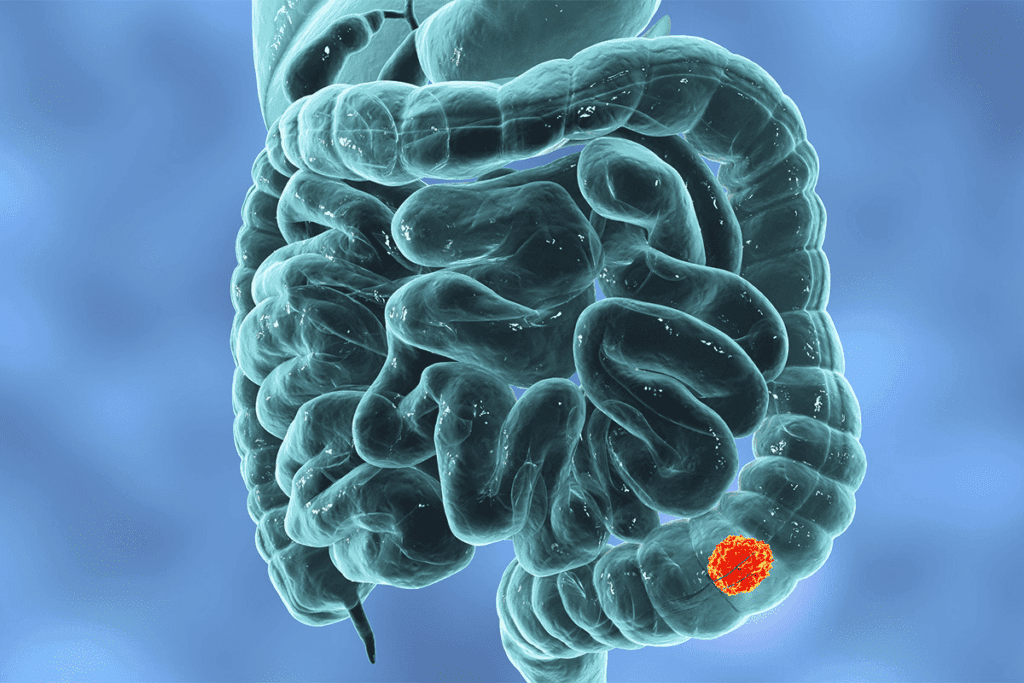
Bowel resection surgery represents a significant medical intervention. It involves taking out a part of the bowel. A lot of people lose weight after this surgery. This weight loss comes from how digestion changes and how well the body absorbs nutrients.
The way bowel resection affects someone’s weight and health can differ a lot. Things like how much of the bowel is removed and the person’s health matter a lot.
Key Takeaways
- Bowel resection surgery can lead to significant weight changes.
- Malabsorption and changes in digestion are primary factors.
- The extent of weight loss varies among individuals.
- Overall health and the portion of bowel removed are critical factors.
- Patients should be aware of possible nutritional deficiencies.
Understanding Bowel Resection Surgery

Bowel resection surgery represents a significant medical intervention. It removes a part of the intestine that’s sick or damaged. This surgery is key for treating many intestinal problems.
The intestine is a big part of our digestive system. It can get sick or hurt, leading to the need for surgery. Knowing about this surgery helps patients make smart choices about their health.
Types of Bowel Resection Procedures
Bowel resection surgeries differ based on the intestine part involved. The main types are:
- Small Intestine Resection: This surgery takes out a piece of the small intestine. It’s important for absorbing nutrients.
- Colon Resection: Known as colorectal resection, it removes part or all of the colon.
- Rectal Resection: This surgery removes the rectum. It’s often needed for rectal cancer or severe disease.
Common Reasons for Bowel Resection
There are many reasons for bowel resection surgery. These include:
Condition | Description |
Cancer | Bowel resection is often needed to remove tumors in the intestine. |
Inflammatory Bowel Disease (IBD) | Conditions like Crohn’s disease and ulcerative colitis may need surgery if other treatments don’t work. |
Intestinal Obstruction | A blockage in the intestine that can’t be fixed another way might need surgery to remove the blocked part. |
Diverticulitis | Severe diverticulitis, with inflammation of the diverticula, might need bowel resection. |
Knowing about bowel resection surgery is key. It helps patients understand their treatment and what to expect.
Why Do People Lose Weight After Bowel Resection Surgery?

People often lose weight after bowel resection surgery. This is because of changes in how the body digests and absorbs food.
Immediate Post-Surgical Weight Loss
Right after surgery, the body loses weight. This is because of several reasons. Reduced oral intake and increased metabolic demand are big factors. Also, losing fluids during and after surgery adds to the weight loss.
“The initial weight loss is largely due to fluid loss and reduced caloric intake, which is a common response to surgical stress.”
Physiological Changes Affecting Weight
After bowel resection surgery, the body changes in ways that affect weight. One big change is malabsorption of nutrients. This happens because the surgery changes the digestive system’s anatomy. As a result, the body absorbs fewer fats, proteins, and vitamins.
Physiological Change | Effect on Weight |
Malabsorption of Nutrients | Leads to weight loss due to inadequate nutrient uptake. |
Changes in Gut Motility | Affects digestion and absorption, potentially leading to weight loss. |
Reduced Oral Intake | Contributes to weight loss due to lower caloric intake. |
It’s key for patients to stick to a special diet to manage weight loss.
Knowing about these changes helps both patients and doctors. They can work together to prevent too much weight loss. And make sure the patient gets the right nutrients after surgery.
Short-Term Weight Changes Following Bowel Surgery
After bowel resection surgery, patients often see big weight changes right away. The first few days and weeks are key to understanding these changes.
First Few Weeks After Surgery
In the first weeks after surgery, patients usually lose a lot of weight. This loss is because their body reacts to the surgery. It affects their appetite and how they digest food.
Nutritional challenges are common during this time. The body has trouble absorbing nutrients. Doctors often recommend a special diet to help manage these issues.
One to Three Months Post-Operation
As patients move into the one to three months after surgery, their weight may start to level out. But, how much weight changes can vary a lot from person to person.
Things that can affect weight during this time include changes in bowel habits, overall health, and how well the body adjusts to the surgery. It’s important for patients to keep in touch with their healthcare team. This way, any weight changes can be handled properly.
In this phase, patients might need to tweak their diet to help with recovery and keeping their weight stable. Eating a balanced diet, full of important nutrients, is key.
Long-Term Weight Effects of Bowel Resection
Bowel resection surgery can cause different weight changes over time. The amount of weight lost or gained depends on several factors. These include the type of surgery, overall health, and changes in diet.
Six Months to One Year After Surgery
From six months to one year after surgery, patients often see big changes in their weight. Some may keep losing weight because of malabsorption issues or changes in how they eat. A study found that patients might lose a lot of weight in the first year after surgery. Then, they might start to gain some of it back.
Others might start to gain weight as their bodies adjust to the surgery. It’s key for patients to stay in touch with their healthcare providers. They should keep an eye on their weight and what they eat during this time.
Beyond One Year: Stabilization Period
After one year, many patients reach a period where their weight stabilizes. But, this can differ a lot from one person to another. Things like diet, exercise, and overall health are important in deciding long-term weight.
- Dietary adjustments to manage malabsorption
- Regular physical activity to maintain muscle mass
- Monitoring overall health and addressing any complications promptly
Patients who have had bowel resection surgery should know about the possibility of long-term weight changes. They should work with their healthcare team to handle these changes well.
Different Types of Bowel Resections and Their Impact on Weight
The impact of bowel resection surgery on weight can vary a lot. This surgery removes part of the intestine for reasons like cancer or Crohn’s disease. The size and location of the removed part can affect how much weight changes after surgery.
Small Intestine Resection Weight Effects
Removing part of the small intestine can change how nutrients are absorbed. The small intestine is key for absorbing nutrients. Losing part of it can lead to not being able to absorb fats, proteins, and other nutrients well.
Key factors influencing weight loss after small intestine resection include:
- The extent of the resection
- The segment of the small intestine removed
- The presence of any remaining disease in the intestine
Colon Resection and Weight Changes
Colon resection, or colectomy, removes part or all of the colon. The colon doesn’t absorb nutrients, but removing it can change bowel habits. This might lead to weight loss, possibly due to diarrhea.
“The removal of the colon can lead to significant changes in a patient’s bowel habits, potentially affecting their nutritional status and weight.”
Rectal Resection Weight Implications
Rectal resection surgery, often for rectal cancer, can affect weight in different ways. The rectum doesn’t absorb nutrients, but surgery there can change bowel function. This might lead to weight gain, possibly due to changes in bowel habits or less activity during recovery.
It’s very important for patients to follow a special diet after bowel resection surgery. This helps manage weight changes and ensures they get enough nutrients.
Do You Lose Weight After Bowel Resection Surgery? The Medical Perspective
Many patients worry about losing weight after bowel resection surgery. It’s important for doctors and patients to understand why this happens. This knowledge helps in caring for patients better.
Research Findings on Post-Operative Weight Loss
Research shows that weight loss is common after bowel resection surgery. The amount of weight lost varies. It depends on the surgery type, the part of the intestine removed, and the patient’s health.
Factors That Determine Weight Loss Extent
Several things affect how much weight is lost after surgery. These include:
- The extent of the intestinal resection
- The presence of any underlying health conditions
- The patient’s nutritional status pre- and post-operatively
- The type of surgical procedure performed
The table below shows what affects weight loss and how:
Factor | Impact on Weight Loss |
Extent of Intestinal Resection | More extensive resections may lead to greater malabsorption and weight loss. |
Underlying Health Conditions | Conditions like diabetes or gastrointestinal diseases can affect nutrient absorption and weight. |
Nutritional Status | Poor pre-operative nutrition can exacerbate post-operative weight loss. |
Managing weight loss effectively requires a complete approach. This includes nutritional counseling, checking for nutritional deficiencies, and adjusting diets as needed.
Nutritional Changes Following Intestinal Resection
Patients who have intestinal resection may face changes in how they digest food and absorb nutrients. This surgery removes part of the intestine. It can greatly affect how much and what kind of nutrients a person gets.
Malabsorption Issues
Malabsorption is a big worry after this surgery. How much a person absorbs can depend on the portion and length of the intestine removed. The small intestine is key for absorbing vitamins, minerals, and fats.
If a lot of the small intestine is taken out, absorbing these nutrients becomes harder. This can lead to health problems like fatigue, weakness, and poor wound healing. People might need to see a nutritionist to help with their diet.
Altered Digestion Processes
Intestinal resection can also change how the body digests food. The surgery can mess with the motility and function of the remaining intestine. This might cause diarrhea or constipation.
These changes can affect a person’s digestive health. They might need to change their diet or get medical help to manage symptoms and get enough nutrients.
Managing Weight After Colorectal Surgery
Keeping a healthy weight after colorectal surgery is key for your well-being. It helps avoid complications and boosts your quality of life.
Healthy Weight Maintenance Strategies
To keep your weight in check after surgery, try these tips. Nutritional adjustments are very important. A balanced diet full of nutrients helps you stay healthy.
- Eat smaller, more frequent meals to ease digestion
- Add a variety of fruits and vegetables to your meals
- Stay away from foods high in calories and fat
A registered dietitian can give you personalized diet advice. They consider your specific needs and health. Drinking plenty of water is also key for your health and weight management.
“A well-balanced diet is vital for recovery and keeping a healthy weight after colorectal surgery.” –
A healthcare professional
When Weight Loss Becomes Concerning
Some weight loss after surgery is normal, but too much or too fast is a worry. It’s important to watch your weight closely. If you lose a lot, talk to your healthcare provider.
Signs of Concerning Weight Loss | Action to Take |
Losing more than 10% of body weight in a short period | Consult a healthcare provider immediately |
Experiencing persistent fatigue or weakness | Discuss nutritional supplements with a healthcare provider |
Managing your weight after colorectal surgery needs a full plan. This includes changing your diet, watching your weight, and getting help when needed.
Complications That May Affect Weight After Bowel Surgery
After bowel surgery, some complications can affect your weight. These issues need careful management. Bowel resection surgery is often done to fix serious health problems. But, it can cause different complications after surgery.
Short Bowel Syndrome
Short bowel syndrome (SBS) happens when a big part of the small intestine is removed or doesn’t work right. This can make it hard for your body to absorb nutrients. It can really affect your weight and how well you get nutrients.
Symptoms of SBS include:
- Diarrhea
- Malnutrition
- Weight loss
- Fatigue
To manage SBS, you might need to change your diet, take nutritional supplements, and sometimes get special treatments to help your body absorb better.
Dumping Syndrome
Dumping syndrome is another issue that can happen after bowel surgery, like after gastric or intestinal resections. It happens when food moves too fast from the stomach to the small intestine.
The symptoms of dumping syndrome can be divided into two categories:
Early Symptoms | Late Symptoms |
Nausea and vomiting | Hypoglycemia (low blood sugar) |
Abdominal cramps | Fatigue |
Diarrhea | Dizziness |
Dumping syndrome can cause weight loss and malnutrition if not managed right. This includes making dietary changes and other treatments.
Other Digestive Complications
Other issues that can affect weight after bowel surgery include adhesions, bowel obstruction, and chronic diarrhea. These problems can make it hard for your body to absorb nutrients and can lead to eating less. This can cause weight loss.
“The key to managing weight after bowel surgery lies in understanding and addressing the possible complications that can occur.”
— Expert in Gastroenterology
Knowing about these complications and working with your healthcare team can help you manage your weight and health after surgery.
Dietary Recommendations Following Bowel Resection
After bowel resection surgery, it’s key for patients to follow a special diet. This helps them regain strength and adjust to their new digestive system. A well-planned diet ensures a smoother recovery by managing surgery changes.
Immediate Post-Surgery Diet
Right after surgery, patients start with a clear liquid diet. This first step is to reduce risks and help the bowel heal. They drink clear broths, electrolyte-rich drinks, and water.
As they get better, they can move to thicker liquids. This includes full-strength broths and nutritional supplements.
Transitional Diet Phase
When they’re feeling better, patients start a low-fiber diet. This diet is softer and less irritating to the digestive system. Foods like cooked veggies, fruits without skins, and lean proteins are introduced.
Long-Term Nutritional Considerations
Long-term, patients may need to change their diet permanently. They should avoid foods high in fiber, fat, or spice. Staying hydrated and using nutritional supplements, if advised, is also important.
It’s vital to watch for signs of malabsorption like diarrhea or weight loss. Working with healthcare teams helps manage diet and any complications.
By sticking to these dietary guidelines, patients can improve their recovery and life quality after surgery.
Exercise and Physical Activity After Intestinal Surgery
After intestinal surgery, adding exercise to your recovery plan is key. It helps the body heal faster and stronger. It also improves blood flow and lowers the chance of problems.
Resuming Physical Activity
Start with gentle movements like stretching and short walks after surgery. Gradually increase the intensity and time of your activities as you feel better.
Your doctor will guide you on when and how to start exercising again. For now, avoid heavy lifting and hard activities for a few weeks.
Recommended Exercises for Recovery
Here are some exercises that help after intestinal surgery:
- Breathing exercises to improve lung function
- Gentle stretching to maintain flexibility
- Short walks to enhance circulation and prevent blood clots
- Pelvic floor exercises to strengthen the muscles around the surgical site
As you get better, you can try more challenging exercises. Always listen to your body and don’t overdo it.
A study found that exercising after abdominal surgery helps patients recover faster. They face fewer complications and get back to normal sooner than those who don’t exercise.
“Exercise is a critical component of the recovery process. It not only helps in healing but also improves overall health and well-being.”
A renowned surgeon
Exercise Type | Benefits | When to Start |
Breathing Exercises | Improves lung function, reduces risk of pneumonia | Immediately after surgery |
Gentle Stretching | Maintains flexibility, reduces stiffness | Within a few days post-surgery |
Short Walks | Enhances circulation, prevents blood clots | As soon as feasible post-surgery, typically within 24-48 hours |
Adding the right exercises to your recovery plan can greatly improve your experience after intestinal surgery. Always talk to your doctor to create a safe and effective exercise plan for you.
Psychological Aspects of Weight Changes After Bowel Surgery
Patients who have bowel resection surgery often see changes in their weight. These changes can affect their mental health. They can impact how patients see themselves and how they feel emotionally.
Body Image Concerns
Weight changes after surgery can make patients worry about their body image. They might feel less confident about their new shape and size. Adjusting to these changes can be challenging, and many patients feel self-conscious about how they look.
A study on body image after abdominal surgery found that patients feel a range of emotions. These feelings can vary a lot from person to person.
Emotional Responses to Weight Fluctuations
Patients react differently to weight changes after surgery. Some might feel happy about losing weight, while others might feel anxious or depressed. The emotional impact is highly individual and depends on many factors, like their mental health history and support system.
Emotional Response | Possible Causes | Support Strategies |
Anxiety | Fear of weight gain, loss of control | Counseling, support groups |
Depression | Significant weight loss, body image issues | Mental health professionals, medication |
Relief | Successful weight loss, improved health | Positive reinforcement, healthy lifestyle choices |
It’s important to understand these emotional responses to help patients after surgery. Healthcare providers need to meet both the physical and mental needs of their patients.
When to Consult Your Healthcare Provider About Post-Surgical Weight Loss
Bowel resection surgery can cause a lot of weight loss. It’s important to know when to ask for medical help. Some weight loss is normal, but other signs might mean you need to worry.
Warning Signs of Problematic Weight Loss
It’s key to know the warning signs of weight loss issues after bowel resection surgery. These include:
- Severe or rapid weight loss
- Loss of muscle mass
- Fatigue or weakness
- Difficulty absorbing nutrients
- Signs of dehydration
If you notice any of these symptoms, you should talk to your doctor. They can check your health and help you manage your weight loss.
Questions to Ask Your Doctor
When talking to your healthcare provider about weight loss after surgery, you might want to ask:
- What is a healthy weight loss after bowel resection surgery?
- Are there any specific nutritional recommendations I should follow?
- How can I manage malabsorption issues?
- Are there any supplements or vitamins that I should take?
- What are the signs of complications that I should watch out for?
Asking these questions can help you understand your situation better. You can then work with your doctor to find a way to manage your weight loss.
Conclusion
Bowel resection surgery can change a person’s weight in both short and long terms. It’s important for patients to understand these changes.
Weight loss after surgery comes from eating less, not absorbing nutrients well, and changes in digestion. Some weight loss is normal. But, it’s key to watch weight changes to avoid malnutrition and other issues.
Healthy eating and regular exercise can help manage weight after surgery. It’s also important to listen to healthcare providers for any concerns or problems.
In summary, knowing how bowel resection surgery affects weight can help people prepare for changes. This knowledge supports their recovery and overall health.
FAQ
What is bowel resection surgery?
Bowel resection surgery, also known as intestinal resection, is a procedure. It removes a part of the intestine that’s damaged or diseased.
Why do people lose weight after bowel resection surgery?
Weight loss after surgery can happen for several reasons. These include reduced appetite, not absorbing nutrients well, and changes in bowel habits.
How long does it take to recover from bowel resection surgery?
Recovery time varies. It depends on the surgery and the person. It usually takes weeks to months.
What are the different types of bowel resections and their impact on weight?
There are different types of bowel resections. These include small intestine, colon, and rectal resections. Each can affect weight differently, with some causing more weight loss.
What are the nutritional changes that occur after intestinal resection?
After surgery, patients might not absorb nutrients well. They need to make dietary changes to manage their nutrition.
How can I manage my weight after colorectal surgery?
To manage weight, follow a healthy diet and exercise regularly. Also, watch for signs of weight loss problems.
What are the possible complications that may affect weight after bowel surgery?
Complications like short bowel syndrome and dumping syndrome can affect weight. They can also impact digestion and nutrition.
What dietary recommendations should I follow after bowel resection surgery?
Follow a specific diet after surgery. This includes an immediate diet, a transitional phase, and long-term nutrition. It helps manage nutrition and supports recovery.
When can I resume physical activity after intestinal surgery?
The time to start exercising varies. It depends on the surgery and the person. Usually, it’s a few weeks to months.
How can I cope with the psychological aspects of weight changes after bowel surgery?
Address body image and emotional responses to weight changes. Seek support from healthcare providers or mental health professionals if needed.
When should I consult my healthcare provider about post-surgical weight loss?
Consult your doctor if you notice excessive weight loss or have concerns. They can provide guidance and support.
What questions should I ask my doctor about weight loss after bowel resection surgery?
Ask about expected weight loss, managing weight, and signs of problematic weight loss. This ensures you get the right support.
Can bowel resection surgery lead to long-term weight changes?
Yes, surgery can lead to long-term weight changes. This depends on health and lifestyle factors.
How does bowel resection surgery affect bowel habits?
Surgery can change bowel habits. This includes frequency, consistency, or continence. It can affect quality of life and needs adjustments.
What is the impact of bowel resection on nutrient absorption?
Surgery can affect nutrient absorption. This is more likely if a large part of the intestine is removed. Dietary adjustments are needed to manage.
References
National Center for Biotechnology Information. Evidence-Based Medical Insight. Retrieved from https://www.ncbi.nlm.nih.gov/pmc/articles/PMC6678792/