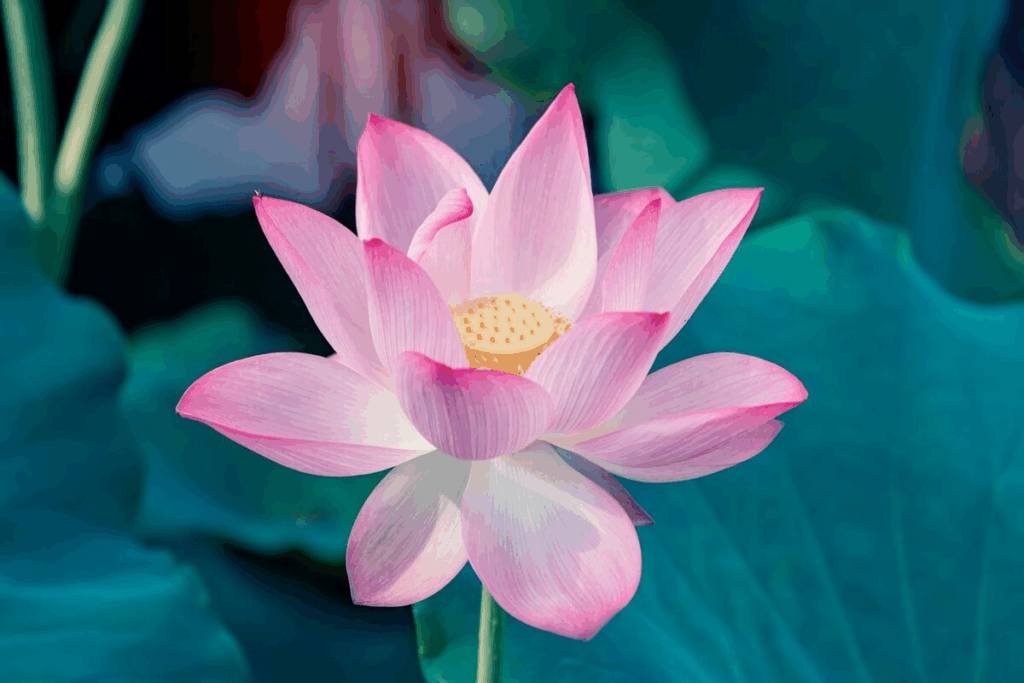
The lotus flower is a symbol of great importance across many cultures. It was often seen as a sign of the afterlife and was used in funeral practices. In ancient Egypt, the lotus was a powerful symbol linked to coffins and burial rites, showing rebirth and new life.
This article explores the lotus flower’s role as a funeral symbol. We explore its spiritual meaning and the cultural traditions around death. The lotus flower’s role in funeral rites shows its deep importance in cultures. It highlights the transition from life to death.
Key Takeaways
- The lotus flower is a significant symbol in various cultures, associated with rebirth and regeneration.
- In ancient Egypt, the lotus was linked to coffins and funerary practices.
- The lotus flower’s symbolism varies across cultures but often represents spiritual growth and transformation.
- Understanding the lotus flower’s role in funeral rites provides insight into cultural attitudes towards death.
- The lotus flower remains a powerful and enduring symbol in human culture.
Understanding the Lotus Flower’s Significance

The lotus flower holds deep meaning in history and culture. It symbolizes life, death, and rebirth. We will look into its background and how it’s seen in different cultures.
Historical Context of the Lotus
The lotus has a long history, starting in ancient Egypt. There, it was linked to the sun god, showing life, death, and rebirth. The Egyptians saw its ability to grow clean in dirty water as a sign of spiritual growth.
In ancient India, the lotus meant spiritual enlightenment and beauty. It appeared in many myths and religious texts. This shows its role as a symbol of spiritual growth.
Cultural Symbolism Across Different Regions
The lotus flower means different things in various cultures. Yet, it always stands for rebirth, purity, and spiritual growth. In Asia, it’s admired for its beauty and ability to thrive in tough conditions. This shows human strength and resilience.
In death and the afterlife, the lotus means rebirth and renewal. In ancient Egypt, it was in art and artifacts, showing hope for rebirth. In Eastern cultures, it’s linked to reincarnation, showing the soul’s path to enlightenment.
The Concept of Life and Death

The lotus grows in muddy waters but blooms into a beautiful flower. This shows the journey from life to death and the chance for rebirth. It’s a key part of the spiritual beliefs tied to the lotus coffin.
In many cultures, the lotus stands for eternal life. It shows that death is not the end but a new start. The lotus flower’s life cycle mirrors this – it starts in muddy waters, faces challenges, and then blooms into a pure flower.
The Symbolism of Lotus in Life and Death
- The lotus represents the soul’s journey from the material world to spiritual enlightenment.
- Its growth in muddy waters symbolizes the human experience, filled with challenges and adversities.
- The blooming of the lotus into a beautiful flower signifies the attainment of spiritual purity and enlightenment.
Looking at life and death through the lotus, we see the eternal nature of the soul. The lotus coffin’s spiritual beliefs show that death is just a transition, not the end.
“The lotus flower symbolizes the heart of the human being, with all its muddled, troubled depths, yet aspiring to the light, to the divine.”
This quote captures the lotus’s meaning as a symbol of human desire for spiritual growth and enlightenment, even when faced with challenges.
Understanding the lotus flower’s role in life and death helps us see the spiritual beliefs behind lotus coffins. The lotus’s purity and eternal life symbolism gives us a powerful story of hope and renewal, beyond the end of death.
Spirituality and the Afterlife
The lotus flower is a key symbol in exploring the afterlife. It holds deep spiritual meaning across many cultures. This is true for both spirituality and the afterlife.
In ancient times, the lotus was linked to life, death, and rebirth. This is clear in ancient Egyptian beliefs. The lotus was key in their funerary practices.
Ancient Egyptian Beliefs
In ancient Egypt, the lotus flower was seen as a symbol of rebirth and regeneration. The Egyptians noticed how the lotus sank into water at night and rose with the sun. They saw this as a sign of the sun god’s journey through the underworld.
This cycle was a metaphor for the deceased’s journey into the afterlife. The lotus was often shown in tomb paintings. It was also used in lotus flower ancient funerals to help the deceased transition.
The lotus’s role in ancient Egyptian funerals shows its importance in their afterlife beliefs. It was believed to nourish the deceased in the afterlife, just as it does in the physical world.
Eastern Philosophies on Rebirth
In Eastern philosophies, like Buddhism and Hinduism, the lotus symbol reincarnation belief is common. The lotus is a symbol of spiritual growth and enlightenment. It represents the soul’s journey through rebirth, aiming for spiritual freedom.
The lotus death spiritual symbolism is also present. It’s believed that just as the lotus blooms in muddy waters but remains clean, the soul can achieve purity despite worldly impurities. This powerful symbolism has made the lotus a revered symbol in Eastern spiritual traditions.
In conclusion, the lotus flower’s role in spirituality and the afterlife shows its deep symbolism across cultures. It’s a symbol of lotus death spiritual symbolism and the eternal cycle of life and death, whether in ancient Egyptian funerary practices or Eastern philosophies on rebirth.
The Association of Lotus with Coffins
Throughout history, the lotus has been seen on coffins, showing the move from life to death and beyond. This connection is deep in ancient cultures. They saw the lotus flower as special because it grows in muddy waters but blooms clean.
“The lotus flower was often depicted on coffins in ancient Egyptian funerary practices,” showing its importance in their afterlife beliefs. The Egyptians thought the lotus was like the sun and showed rebirth, making it key in burial rites.
The use of lotus designs in burials wasn’t just in Egypt. In many Asian cultures, the lotus is also key in funerals, standing for spiritual growth and the soul’s journey. This shows a shared respect for the flower as a link between life and death.
The lotus on coffins has many meanings. It shows the person’s status or spiritual goals and helps them move into the afterlife safely. The lotus used in burials brings hope for rebirth and new beginnings.
In conclusion, the lotus’s link to coffins shows its deep symbolic meaning across cultures. It’s a mix of life, death, and rebirth, giving comfort and hope to those grieving. This practice reminds us of our shared desire to understand and go beyond death.
Lotus in Funerary Practices
Funeral customs around the world often feature the lotus flower. It holds deep religious and symbolic value. The lotus is seen as a powerful symbol in death and the afterlife.
Traditional Asian Customs
In Asian cultures, the lotus flower is sacred. It represents spiritual growth and rebirth. In Buddhist and Hindu traditions, it symbolizes the soul’s journey to enlightenment or heaven.
The use of the lotus in funerals is not just for show. It represents the deceased’s hope for a peaceful afterlife. Lotus-shaped coffins and gravesites with lotus flowers are common. They show the lotus’s role in helping the soul transition.
This tradition brings comfort to families. It confirms their belief in an afterlife. It shows the lotus’s importance in spiritual rebirth.
Western Interpretations
In Western cultures, the lotus is less common but not absent. It’s seen as a symbol of spiritual growth, including death and rebirth. This view matches the lotus’s universal themes.
The lotus is gaining popularity in Western funerals. It’s used in multicultural and interfaith services. This shows a growing interest in diverse funeral customs.
The lotus in Western funerals represents the cycle of life, death, and rebirth. This trend highlights the lotus’s symbolic value in funerals.
The Metaphorical Meaning of the Lotus
The lotus flower holds deep meaning in life, death, and rebirth, key in funerary practices. It grows in muddy waters but blooms into a clean flower. This makes it a powerful symbol across cultures.
The lotus is linked to the sun, creation, and life’s cycle. It sinks into water at night and rises with the sun. This cycle connects it to rebirth and regeneration. This symbolism is deeply meaningful in coffin artwork, showing the deceased’s journey to the afterlife.
The lotus’s meaning can be broken down into several key points:
- Rebirth and Regeneration: The lotus grows from muddy waters into a beautiful flower. It symbolizes life, death, and rebirth.
- Spiritual Growth: The lotus is a symbol of spiritual growth and enlightenment. It represents the soul’s journey to higher consciousness.
- Purity and Innocence: Despite growing in muddy waters, the lotus remains clean. It symbolizes purity and innocence.
In coffin artwork, the lotus flower carries these symbolic meanings. It offers comfort and solace to those mourning. Its depiction in funerary art highlights its role in the deceased’s transition to the afterlife.
Understanding the lotus’s metaphorical meaning reveals its cultural and spiritual importance in funerals. It connects the living to the afterlife, symbolizing hope, renewal, and the eternal cycle of life.
Lotus as a Representation of Purity
The lotus flower is a symbol of purity in many cultures. It grows in muddy waters but stays clean. This has made it a symbol of spiritual growth and enlightenment.
The lotus’s journey from the water to the surface is like our quest for purity. It’s not just about growing; it’s about changing and becoming beautiful and serene.
Overcoming Adversity Through Growth
The lotus flower can thrive in tough conditions. Its roots are in the mud, but it blooms above, untouched by impurities. This shows us that we can grow and change in hard times.
- The lotus’s growth is a metaphor for the human capacity to rise above difficulties.
- Its purity is not just physical but also symbolic of spiritual resilience.
- The flower’s beauty is a representation of the enlightenment that can be achieved through perseverance.
Renewal and Rebirth
The lotus is also a symbol of renewal and rebirth. It shows the cycle of life, death, and rebirth. Its daily cycle of closing at night and opening at dawn symbolizes renewal.
Cultural Significance | Symbolic Meaning | Funerary Context |
Egyptian Culture | Rebirth and Regeneration | Often depicted in tomb paintings |
Buddhist Tradition | Spiritual Enlightenment | Used in funeral rites for purification |
Asian Cultures | Purity and Resilience | Incorporated into mourning rituals |
The lotus’s meaning goes beyond culture, touching on a universal human desire for purity and enlightenment. Its role in funeral cultural significance shows its importance in symbolizing the transition from life to death and the hope for rebirth or an afterlife.
Interpretations in Modern Culture
Modern culture has taken to the lotus flower, seeing its meaning in coffins and funerals in new ways. This ancient symbol is as captivating today as it was in the past. It gives us a glimpse into life, death, and the cycle of renewal.
The lotus flower’s role in modern funerals shows its lasting impact. It appears in many cultures and spiritual practices. It often means the soul is on its way to rebirth or enlightenment. For example, in Asian cultures, the lotus decorates funerals, showing the soul’s rise to a higher place.
“The lotus flower is a symbol of the human condition, representing the journey from darkness to light, from mud to purity.” –
Unknown
In Western cultures today, the lotus flower is linked to spiritual growth and seeking enlightenment. It’s often used in art and literature to represent our search for meaning and to transcend. This is seen in many modern artworks, where the lotus symbolizes hope, renewal, and the cycle of life.
Lotus Flower Representations in Modern Culture:
- Funerary practices and coffin decoration
- Spiritual and cultural symbolism
- Artistic and literary motifs
- Jewelry and memorial items
Cultural Context | Lotus Flower Symbolism |
Asian Cultures | Symbolizes the soul’s ascension and rebirth |
Western Cultures | Represents spiritual growth and enlightenment |
Modern Spirituality | Embodies the journey towards inner peace and transcendence |
As we face the challenges of modern life, the lotus flower remains a significant symbol. It brings comfort, inspiration, and a deeper understanding of our shared human experiences.
The Lotus in Literature and Art
The lotus flower has always fascinated people in literature and art. It stands for life, death, and rebirth. This symbol has been seen in many ways across cultures and time, showing its deep impact on us.
Symbolic Uses in Contemporary Works
In today’s literature and art, the lotus is a strong symbol. It often means reincarnation and growing spiritually. Authors and artists use the lotus’s deep meaning to share complex feelings and thoughts.
“The lotus flower symbolizes the human aspiration for spiritual enlightenment and the transcendence of worldly suffering.” This quote shows why the lotus is a key theme in modern art. It blooms in dirty water but stays clean, like our quest for purity and enlightenment.
“In the quiet of the night, the lotus blooms, its beauty showing the soul’s deepest dreams.”
— Anonymous
The lotus is not just in literature; it’s also in visual arts like paintings, sculptures, and tattoos. The lotus tattoo, for example, is a common symbol for those who want to show their spiritual beliefs or personal journey through body art.
- The lotus is often linked with spiritual rebirth and regeneration.
- It stands for the path to enlightenment and spiritual awakening.
- In art, the lotus shows the beauty and complexity of human feelings.
Looking at the lotus in literature and art helps us understand its lasting importance. It shows the lotus’s timeless appeal and its deep meaning in our culture.
The Emotional Resonance of the Lotus
The lotus stirs deep emotions with its beauty and strength. It connects us to spiritual beliefs and eternal life. It’s more than a symbol; it’s a bridge between our world and the spiritual one.
The lotus grows from muddy depths to bloom on water’s surface. This journey mirrors our own struggles and triumphs. It shows us how to overcome hardships, staying pure despite the world’s dirt.
In spiritual beliefs, the lotus is linked to the coffin. It represents the move from life to death and then to rebirth. This lotus coffin spiritual belief offers comfort to those mourning, showing the deceased’s path to eternal life.
The lotus symbolizes life’s eternal nature. Its roots are in mud, stem in water, and flower in air. This shows how all parts of life are connected. It speaks to our beliefs in lotus purity eternal life and the cycle of existence.
Exploring the lotus’s emotional impact helps us understand its role in culture and spirituality. The lotus flower is a powerful symbol of life, death, and what comes after.
Personal Reflections on Loss
The lotus flower is a symbol of healing and acceptance in our journey with loss. It comes from ancient cultures, bringing comfort and insight into grieving.
In many cultures, the lotus is tied to funeral rituals. It shows the soul’s journey through life, death, and rebirth. The lotus blooms in muddy waters but stays clean, symbolizing growth and renewal.
Healing and Acceptance
The lotus in funeral rituals reminds us of healing after loss. It teaches us that healing is a journey, not a quick fix. The lotus blooms slowly, just like our healing does over time.
In funerals, the lotus represents the soul’s path to peace and acceptance. It rises above muddy waters, untouched by them. This shows the soul’s journey to peace and overcoming suffering.
“The lotus flower symbolizes the heart’s capacity to remain open and compassionate, even in the face of pain and loss.” This reflection helps us understand the importance of feeling our emotions while grieving.
Reflecting on the lotus helps us see healing as a patient and compassionate process. The lotus teaches us that healing is unique and unfolds at its own pace.
- The lotus flower represents growth and renewal in the face of adversity.
- Its use in funeral rituals symbolizes the soul’s journey through life, death, and rebirth.
- The lotus serves as a reminder of the gradual nature of the healing process.
Reflecting on the lotus in funeral rituals gives us solace and meaning in loss. It stands as a symbol of hope and renewal in our grieving journey.
Rituals Involving Lotus in Mourning
In many cultures, the lotus is seen as a symbol of purity and renewal in death rituals. Its ability to grow in muddy waters yet stay clean is significant. This makes it a powerful symbol for death and the afterlife.
The lotus is used in mourning rituals to show the deceased’s journey to the afterlife. It’s not just for looks; it holds deep meanings. These meanings comfort the grieving and honor the deceased.
Ceremonial Significance in Funerals
The lotus flower is used in funerals in several ways:
- Symbolic Offerings: In many Asian cultures, lotus flowers are given to the deceased. They show respect and help with their spiritual journey.
- Funerary Decor: Lotus designs are used in decor to create a peaceful and sacred space. They reflect beliefs in renewal and rebirth.
- Rituals and Prayers: Special rituals and prayers with the lotus are done. They ask for blessings and help the deceased reach the afterlife safely.
Incorporating Lotus into Memorial Practices
People can include the lotus in memorial practices in different ways:
- Creating Memorial Gardens: Planting lotus in memorial gardens is a living tribute. It shows the ongoing cycle of life.
- Lotus-themed Memorial Items: Using lotus-themed items in memorial services or as keepsakes offers comfort. They remind us of the deceased’s importance.
- Incorporating Lotus into Rituals: Adding lotus to personal rituals or prayers is a meaningful way to honor the deceased. It reflects on renewal and rebirth.
By understanding and using the lotus in mourning rituals, we can find deeper meaning and comfort in our grief. We honor the deceased with reverence and respect.
The Lotus in Popular Media
Popular media often uses the lotus flower to show transformation and renewal. This reflects its deep historical and cultural importance. The lotus flower coffin artwork, in particular, has caught a lot of attention. It symbolizes the move from life to death and the soul’s journey to rebirth.
The lotus appears in many forms of media, like film, literature, and visual arts. It shows its ability to symbolize spiritual growth, purity, and overcoming challenges. The lotus coffin symbolic meaning is very meaningful. It shows the deceased’s journey into the afterlife, filled with the lotus’s symbolic richness.
Lotus Representations in Different Media Forms
- Film and Television: The lotus is often seen in scenes about spiritual or mystical experiences.
- Literature: Authors use the lotus to symbolize personal change and enlightenment.
- Visual Arts: The lotus is a favorite in paintings and sculptures, standing for beauty and spiritual growth.
Media Form | Lotus Symbolism | Examples |
Film and Television | Spiritual growth, mystical experiences | Movies like “The Lotus Effect” and TV shows such as “Avatar: The Last Airbender” |
Literature | Personal transformation, enlightenment | Works by authors like Hermann Hesse in “Siddhartha” |
Visual Arts | Beauty, spiritual growth | Paintings by artists such as Salvador Dalí and sculptures inspired by Eastern cultures |
Looking at the lotus in popular media helps us understand its lasting symbolic value. It shows how it can express complex ideas in a way that touches our hearts and minds.
Movies and Literature Featuring the Lotus Theme
The lotus symbol is powerful in stories, showing themes of renewal and spiritual growth. It’s seen in movies and books, where it marks the hero’s path to enlightenment or change.
The lotus symbol often means rebirth and spiritual awakening in stories. In films, it shows the hero’s inner change, from ignorance to enlightenment.
Analysis of Themes in Storytelling
The lotus theme is linked with other symbols, making stories rich and meaningful. When paired with water or light, the lotus’s meaning deepens, highlighting renewal and spiritual growth.
In some books, the lotus shows a character’s emotional state. Its blooming means a new purpose or understanding. This adds depth to the story, making readers think about the character’s journey.
The lotus symbol reincarnation belief is a common idea in stories. It shows the cycle of life, death, and rebirth. This theme is key in stories about the human experience, giving insights into existence and spiritual change.
Using the lotus theme in stories lets creators share complex ideas and feelings. It connects with audiences in a powerful way.
Exploring Different Forms of Lotus Representations
The lotus symbol is used in many ways in art and culture. It appears in tattoos, jewelry, and memorial items. Each form shows a different side of its symbolic value.
Tattoos and Body Art
Lotus tattoos are loved for their beauty and meaning. They symbolize spiritual growth and eternal life. People get them to show purity and strength.
Some designs include:
- Lotus flowers in bloom, symbolizing growth and achievement.
- Closed lotus buds, representing new beginnings.
- Lotus with the Buddha or sacred geometry, showing a deep spiritual connection.
Jewelry and Memorial Items
The lotus is also found in jewelry and memorial items. It reminds us of its deep meaning. Lotus-shaped jewelry, like pendants and rings, is given to share messages of hope and renewal.
In memorials, the lotus represents the soul’s journey to peace and enlightenment.
We find many designs in lotus-themed jewelry, including:
- Pendants with detailed lotus designs, often in precious metals and stones.
- Rings with lotus motifs, showing eternal love and commitment.
- Memorial items like lotus-shaped urns or decorative plaques, used in funeral and memorial services.
The lotus, in all its forms, is a strong symbol of spiritual purity and eternal life. It is seen in tattoos, jewelry, and memorial items. The lotus holds a special place in our culture and lives.
Conclusion: The Enduring Legacy of the Lotus
The lotus is known for its stunning beauty. It has made a lasting impact on human culture, mainly in funerals and spiritual beliefs. Its symbolism shows the cycle of life, death, and rebirth, crossing cultural lines.
In funerals, the lotus flower symbolizes the soul’s journey. It reflects the belief in spiritual rebirth. “The lotus represents the heart of the deceased, untouched by the impurities of the world,” many cultures say. This shows the lotus’s role in guiding the deceased through the afterlife.
The lotus spiritual death meaning is closely linked to renewal and eternal life. As a lotus flower funeral symbol, it comforts the grieving. It shows the deceased’s move to an afterlife.
In conclusion, the lotus flower’s lasting legacy shows its deep importance across cultures. It reminds us of the universal themes that connect us all.
Final Thoughts on Life, Death, and Renewal
The lotus flower’s symbolism is powerful. It reminds us of the cultural importance of this ancient symbol. The lotus coffin tradition shows the lasting impact of this symbol, bringing comfort and inspiration to many.
The Power of Symbolism in Our Lives
The lotus symbolizes rebirth and death, showing the cycle of life and transformation. This idea is not just for ancient cultures. It touches people today, giving hope and renewal in tough times.
Thinking about the lotus makes us value cultural heritage. It shows how symbolism shapes our world view. By seeing the lotus as a symbol of rebirth, we gain a deeper understanding of human experiences.
FAQ
What is the significance of the lotus flower in funerals?
The lotus flower stands for rebirth, renewal, and spiritual growth. It’s used in funerals to show the deceased’s journey to the afterlife.
What does the lotus flower symbolize in different cultures?
Across cultures, the lotus flower means purity, spiritual growth, and reincarnation. It shows the cycle of life and death.
How is the lotus flower used in coffin artwork?
In coffin artwork, the lotus flower symbolizes rebirth and renewal. It marks the deceased’s move to the afterlife.
What is the historical context of the lotus flower in ancient Egyptian funerary practices?
In ancient Egypt, the lotus flower was linked to the sun god and rebirth. It was used in funerary art to help the deceased reach the afterlife.
How is the lotus flower interpreted in Eastern philosophies regarding rebirth and reincarnation?
In Eastern philosophies, the lotus flower means spiritual growth and rebirth. It symbolizes the cycle of life, death, and reincarnation.
What is the significance of the lotus flower in traditional Asian funerary customs?
In traditional Asian funerals, the lotus flower represents the deceased’s spiritual journey and rebirth.
How is the lotus flower represented in Western cultures?
In Western cultures, the lotus flower is seen as exotic and spiritual. It’s used in funerals to show the deceased’s divine connection.
What is the metaphorical meaning of the lotus flower in the context of coffin artwork?
In coffin artwork, the lotus flower symbolizes transformation and rebirth. It represents the cycle of life and death.
How is the lotus flower associated with purity and eternal life?
The lotus flower is linked to purity and eternal life. It shows the deceased’s spiritual growth and divine connection.
What is the significance of the lotus flower in modern culture, particular in relation to its representation in coffins?
The lotus flower is a key symbol in modern culture. It’s used in coffins and funerals to show the deceased’s journey to the afterlife.
How is the lotus flower represented in literature and art?
In literature and art, the lotus flower is a symbol of rebirth, renewal, and spiritual growth. It represents the human experience and the cycle of life and death.
What is the emotional resonance of the lotus flower in the context of spiritual beliefs?
The lotus flower has deep emotional and spiritual meaning. It represents the connection to the divine and the cycle of life and death.
How can the lotus flower be used in mourning rituals and memorial practices?
The lotus flower can be used in mourning rituals and memorials. It symbolizes rebirth and renewal, showing the deceased’s journey to the afterlife.
What is the significance of the lotus flower in popular media, particular in relation to its depiction in coffin artwork?
In popular media, the lotus flower is a symbol of rebirth and renewal. It represents the cycle of life and death in coffin artwork.
How is the lotus theme analyzed in movies and literature?
The lotus theme is analyzed in movies and literature as a symbol of rebirth, renewal, and spiritual growth. It represents the human experience and the cycle of life and death.
What are the different forms of lotus representations, including tattoos, body art, jewelry, and memorial items?
The lotus flower is represented in many forms, like tattoos, body art, jewelry, and memorial items. It symbolizes rebirth, renewal, and spiritual growth.
References
National Center for Biotechnology Information. Evidence-Based Medical Insight. Retrieved from https://www.ncbi.nlm.nih.gov/pmc/articles/PMC4465026/