
Iron deficiency anemia is a significant health issue affecting children worldwide. About 45% of school-aged children globally might be anemic. It’s very important to find good ways to treat it because it can hurt a child’s growth, learning, and development.
To treat iron deficiency anemia in kids, we use a few different methods. We help them eat more iron, give them iron pills, and sometimes use iron given through a vein. We make sure each treatment plan fits the child’s needs.
It’s also key to check on the kids after treatment to make sure they’re fully recovered. With a good treatment plan, we can really help kids with iron deficiency anemia.
Key Takeaways
- Iron deficiency anemia is a prevalent condition in children globally.
- Treatment involves dietary changes, oral iron supplementation, and potentially intravenous iron therapy.
- A patient-centered approach is important for effective treatment.
- Follow-up care is essential to ensure full recovery.
- Comprehensive treatment plans can significantly improve outcomes for affected children.
The Global Impact of Iron Deficiency Anemia in Children
Iron deficiency anemia in kids is a big problem worldwide. It’s a major health issue that affects many children globally.
Recent studies show that iron deficiency anemia is very common in kids. About 45% of school-aged children might be anemic, with many having moderate anemia.
Prevalence Statistics and Recent Studies
Let’s look at some important statistics:
- Iron deficiency anemia affects around 273 million children aged 5-12 years worldwide.
- More than half of all anemia cases in kids are moderate.
- This problem is even bigger in low- and middle-income countries where food and healthcare are hard to get.
For more info on iron deficiency anemia, check out studies in the.
Short and Long-term Health Consequences
Iron deficiency anemia in kids has many health effects:
- Impaired Cognitive Development: It can hurt brain function and development, leading to lower IQ and poor school performance.
- Increased Susceptibility to Infections: Kids with this condition have weaker immune systems, making them more likely to get sick.
- Poor Growth and Development: Iron is key for growth. Without enough, kids may grow slower or not reach their full height.
- Behavioral Problems: Some research links iron deficiency anemia to behavioral issues like ADHD.
It’s important to find and treat iron deficiency anemia early. This helps prevent long-term health problems and keeps kids healthy and happy worldwide.
Understanding the Causes of Low Iron in Infants
Low iron in infants can come from many sources. These include how they grow, what they eat, and health issues. Knowing why it happens helps us find ways to stop and fix it.
Physiological Factors in Infant Development
Infants start with a limited amount of iron. Physiological factors are key in iron deficiency. Premature babies, for example, have less iron because they were in the womb for less time. Also, babies grow fast, needing more iron for their blood and body parts to grow.
|
Physiological Factor |
Description |
Impact on Iron Levels |
|---|---|---|
|
Premature Birth |
Lower iron stores due to abbreviated gestation |
Higher risk of iron deficiency |
|
Rapid Growth |
Increased demand for iron to support blood volume expansion and tissue development |
Increased risk of depletion if not adequately supplemented |
Dietary Insufficiency and Malabsorption
Diet is a big factor in iron deficiency in babies. Breast milk is a good iron source, but it might not be enough after 4-6 months. Formula-fed babies need iron-fortified formula to avoid deficiency. Also, starting cow’s milk too early can cause iron loss because it has little iron and can upset the stomach.
- Breastfed infants may need iron supplements after 4-6 months.
- Formula should be iron-fortified to prevent deficiency.
- Avoid cow’s milk in the first year to minimize risk.
Medical Conditions Leading to Iron Loss
Some health issues can cause iron deficiency in babies. Problems like not being able to absorb iron well (like in celiac disease), chronic illnesses, and infections can make it hard to keep enough iron. Also, conditions that cause ongoing blood loss, like ulcers or parasites, can lead to iron deficiency.
It’s important to look at all these factors when checking if a baby might have low iron. By knowing the reasons, we can take steps to prevent and treat it, helping the baby stay healthy and grow well.
Recognizing Iron Deficiency: Clinical Signs and Symptoms
It’s key to spot iron deficiency early in kids. This condition shows up differently in various age groups. So, parents and caregivers need to know the common and subtle signs.
Common Manifestations by Age Group
Iron deficiency signs change with age. Infants might be irritable, have a poor appetite, and grow slower. Toddlers and preschoolers could feel tired, weak, and not want to play. School kids and teens might have headaches, feel dizzy, and struggle to focus.
Some kids might not show clear signs until the problem gets worse. So, watching for small changes in behavior and health is very important.
Subtle Signs Parents Often Miss
Some iron deficiency signs are very subtle and often missed by parents. These include:
- Pale skin or mucous membranes
- Cold hands and feet
- Restless leg syndrome
- Poor immune function, leading to frequent infections
These symptoms can be overlooked or blamed on other things. So, it’s vital for parents to think about iron deficiency.
When to Consult a Healthcare Provider
If you see any of these signs, you should talk to a doctor:
- Persistent fatigue or weakness
- Poor appetite or failure to gain weight at a normal rate
- Developmental delays or regression
- Frequent infections or illnesses
Getting a diagnosis and treatment early can greatly help kids with iron deficiency. We suggest talking to a healthcare provider. They can check the child’s health and figure out the best plan.
Diagnostic Approach to Pediatric Iron Deficiency
Diagnosing iron deficiency anemia in kids is a detailed process. It combines lab tests and clinical checks. We’ll look at the key steps to spot and treat iron deficiency in children.
Essential Laboratory Tests
Several important tests are used to diagnose iron deficiency. These include:
- Complete Blood Count (CBC): This test looks at blood components like hemoglobin and red blood cells. It shows if there’s anemia.
- Iron Level Tests: Tests for serum iron, total iron-binding capacity, and transferrin saturation check iron levels.
- Ferritin: This protein shows how much iron the body has. Low levels mean iron deficiency.
These tests help confirm iron deficiency anemia and its severity.
Interpreting Blood Results
Understanding lab test results is important. For example:
- Hemoglobin and Hematocrit: Low levels suggest anemia. But, the exact type and severity need more checking.
- Red Blood Cell Indices: Mean corpuscular volume and mean corpuscular hemoglobin help identify anemia types.
- Iron Studies: Low serum iron and ferritin, with high TIBC, point to iron deficiency anemia.
Getting these results right is key for diagnosis and treatment.
Classification of Anemia Severity
Anemia severity is based on hemoglobin levels. The World Health Organization (WHO) has guidelines for kids. These help decide the best treatment.
|
Age Group |
Normal Hemoglobin (g/dL) |
Mild Anemia (g/dL) |
Moderate Anemia (g/dL) |
Severe Anemia (g/dL) |
|---|---|---|---|---|
|
6 months – 5 years |
≥11.0 |
10.0-10.9 |
7.0-9.9 | |
|
5-11 years |
≥11.5 |
11.0-11.4 |
8.0-10.9 |
Knowing anemia severity is vital for treatment planning and checking how well it works.
Oral Iron Therapy: The Cornerstone of Treatment
Oral iron therapy is the main way to treat iron deficiency anemia in kids. It involves giving iron supplements by mouth. This method is both effective and easy to do.
Types of Oral Iron Preparations
There are many oral iron preparations for kids, like ferrous sulfate, ferrous gluconate, and ferrous fumarate. Each has different iron levels and how well the body absorbs it.
- Ferrous Sulfate: This is a common choice because it has a lot of iron and is affordable.
- Ferrous Gluconate: It’s easier on the stomach than ferrous sulfate. This makes it a good choice for kids who get upset stomachs.
- Ferrous Fumarate: It has more iron per tablet. This is good for kids who need more iron.
Pediatric Iron Dosing Guidelines
The amount of iron a child needs is based on their age and weight. This helps doctors give the right dose.
|
Age Group |
Elemental Iron Dose (mg/kg/day) |
|---|---|
|
Infants (0-6 months) |
1-2 mg/kg |
|
Infants (6-12 months) |
2-3 mg/kg |
|
Children (1-5 years) |
3-6 mg/kg |
Administration Tips for Maximum Absorption
To get the most iron, give it on an empty stomach. Do this 1-2 hours before eating. But, if it upsets the stomach, you can give it with food.
- Vitamin C: Taking vitamin C, like orange juice, can help iron absorption.
- Avoid Inhibitors: Foods like tea, milk, and coffee can block iron absorption. Avoid them when giving iron.
Managing Common Side Effects
Oral iron therapy can cause side effects like upset stomach, constipation, and dark stools. To deal with these, you can adjust the dose, switch to a different iron, or give it with food.
Intravenous Iron Treatment for Severe Cases
Intravenous iron is a key treatment for kids with severe iron deficiency anemia. It’s used when oral iron doesn’t work or can’t be taken. This method is vital for those who need it most.
Indications for IV Iron Administration
IV iron is for kids with severe anemia who can’t take oral iron. This might be because of stomach problems or chronic diseases. It’s also for those needing quick iron correction before surgeries or other medical needs.
Approved IV Iron Formulations for Children
There are several IV iron options for kids, like iron sucrose, ferric gluconate, and ferumoxytol. The right one depends on the child’s age, weight, and health condition.
|
IV Iron Formulation |
Typical Dose |
Administration Frequency |
|---|---|---|
|
Iron Sucrose |
1-2 mg/kg |
1-3 times a week |
|
Ferric Gluconate |
1.5 mg/kg |
Once a week |
|
Ferumoxytol |
10-15 mg/kg |
Once, may be repeated in 1 week |
Dosing Protocols and Safety Monitoring
IV iron doses for kids are based on their weight and anemia level. We watch for signs of reactions and check vital signs during treatment. We also check iron levels and hemoglobin after to see how well it worked.
Managing Infusion Reactions
Reactions to IV iron can be mild or severe. We handle them by stopping the infusion and giving antihistamines or steroids as needed. We keep a close eye on the child’s vital signs. Sometimes, we give antihistamines before starting to prevent reactions.
By understanding IV iron therapy and managing it carefully, we can treat severe anemia in kids. This improves their quality of life.
Nutritional Management: Iron-Rich Foods for Children
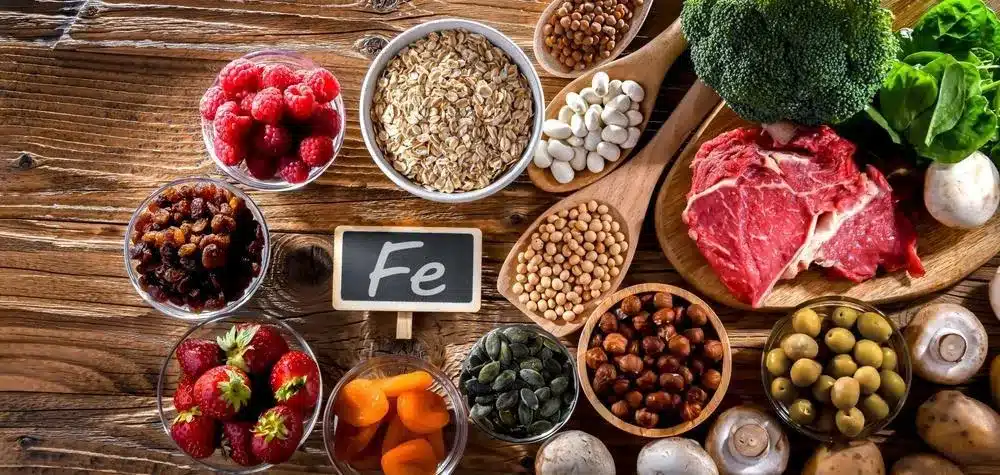
Iron-rich foods are key for kids’ health, helping them grow well. Without enough iron, kids can get iron deficiency. So, it’s important for parents to know the best iron sources for their kids.
Age-Appropriate Dietary Sources of Iron
Iron is in two types: heme and non-heme. Heme iron is in animal products and is easier for the body to use. For babies and toddlers, iron-fortified cereals are a good non-heme iron source. As kids get older, they need to eat a variety of iron-rich foods.
- Heme Iron Sources: Red meat, poultry, fish, and eggs are great. A 3-ounce serving of lean beef or chicken has a lot of iron.
- Non-Heme Iron Sources: Legumes, fortified cereals, and dark leafy greens like spinach are iron-rich. Cooking in cast-iron cookware also boosts iron intake.
Enhancing Iron Absorption Through Food Combinations
Some foods help or block iron absorption. Vitamin C boosts non-heme iron absorption. So, eating foods high in vitamin C with iron-rich foods is good.
- Have iron-fortified cereal with sliced bananas or berries for breakfast.
- Add fresh orange juice to meals with non-heme iron sources.
- Include vitamin C-rich veggies with legumes or dark leafy greens.
Special Dietary Considerations for Vegetarian Children
Vegetarian kids are more likely to lack iron because non-heme iron is harder to absorb. They need to eat a lot of iron-rich plant foods and foods that help iron absorption.
Tips for Vegetarian Families:
- Make sure to include iron-rich legumes and dark leafy greens in meals.
- Use iron-fortified cereals and bread.
- Cook in cast-iron pots to increase dietary iron.
Knowing and using these dietary tips helps prevent iron deficiency in kids. It supports their health and growth.
Treatment Protocols for Different Age Groups
Age is key in picking the right treatment for kids with iron deficiency anemia. As kids grow, their needs and how they react to treatment change. This means we need to adjust treatments for each age group.
Neonates and Premature Infants
Iron supplements are very important for newborns and premature babies. This is true if they’re not getting enough iron from breast milk or have low birth weight. We start iron therapy at 1-2 months, adjusting the dose based on their weight and how early they were born.
Key considerations: We watch for signs of anemia and adjust the iron dose based on blood tests. We also make sure they get enough vitamin C to help their body absorb iron better.
Infants 6-12 Months
For babies 6-12 months old, it’s important to introduce iron-rich foods. This is in addition to breast milk or iron-fortified formula. Babies with iron deficiency anemia might need iron supplements, and we keep a close eye on their blood levels.
Important tips: Give iron supplements with meals to help the body absorb it better. Also, be aware of any stomach problems that might happen.
Toddlers and Preschoolers
Toddlers and preschoolers need a diet full of iron. This includes both types of iron. Kids with iron deficiency anemia usually need to take iron supplements for a few months to build up their iron stores.
Parental guidance: Encourage a diet rich in iron and vitamin C. These help the body absorb iron better.
School-Aged Children and Adolescents
Treatment for older kids and teens includes iron supplements and diet advice. We also think about how menstruation affects iron levels in girls. This helps ensure they get enough iron for their growth.
Tailoring treatment: We adjust the iron dose based on how well the treatment works and watch for any side effects. We also encourage a balanced diet with lots of iron-rich foods.
By tailoring treatments to each age group, we can better manage iron deficiency anemia in kids. This improves their health and helps them grow well.
Monitoring Treatment Response and Preventing Relapse
Keeping an eye on how treatment works is key in managing iron deficiency anemia in kids. It’s not just about giving iron supplements. We also need to follow up closely to see how the child is doing and make changes if needed.
Expected Timeline for Clinical Improvement
Children with iron deficiency anemia usually start to feel better in a few weeks after treatment starts. They might notice they have more energy and are hungrier. Their hemoglobin levels will also start to go up. We see an increase in reticulocyte count in 7-10 days, showing the iron therapy is working.
How long it takes for anemia to fully go away can vary. It depends on how bad the deficiency is and how well the child responds to treatment. Usually, hemoglobin levels get back to normal in 1-2 months. But it can take longer for iron stores to fully replenish.
Laboratory Follow-up Schedule
It’s important to do regular blood tests to check how treatment is going. Here’s what we recommend:
- First check-up: Do a Complete Blood Count (CBC) and reticulocyte count 2-4 weeks after starting treatment
- Next hemoglobin check: Repeat the CBC at 6-8 weeks to make sure it’s getting better
- Check iron stores: Look at ferritin levels after 3-6 months to make sure iron stores are good
Addressing Treatment Failures
If a child doesn’t get better with iron therapy, we need to figure out why. Reasons can include:
- Not taking the treatment as directed
- Not taking enough iron
- Iron not being absorbed well
- Continued blood loss
- Other health issues
We need to carefully look at the child’s situation, check the treatment plan, and might need to do more tests to find out why treatment isn’t working.
Long-term Monitoring Strategies
To stop iron deficiency anemia from coming back, we use long-term monitoring. This includes:
- Regular check-ups to see if the child needs more iron
- Lab tests to check hemoglobin and iron levels
- Help with diet to make sure they get enough iron
- Teaching them to recognize signs of iron deficiency and when to see a doctor
By using these strategies, we can manage iron deficiency anemia in kids well and prevent it from coming back. This helps ensure they stay healthy.
Universal Screening Recommendations and Preventive Measures
Guidelines say we should check for anemia in all kids at age one. This helps find iron deficiency early. A study on shows it’s key to catch it early to avoid health problems later.
Current Screening Guidelines
Experts say we should screen for iron deficiency anemia at certain ages. Universal screening is best for kids around one year old. This is when we can spot iron deficiency early.
Different groups might suggest slightly different ages for screening. But everyone agrees early detection is vital. For example, the American Academy of Pediatrics suggests screening at 12 months.
Targeted vs. Universal Iron Supplementation
The debate is ongoing between targeted and universal iron supplements. Targeted supplementation goes to kids at high risk. Universal supplementation gives iron to all kids in a certain age group, no matter their risk.
“Universal iron supplementation can be an effective strategy in populations with a high prevalence of iron deficiency,” according to recent research findings.
Preventive Strategies for High-Risk Populations
Preventive steps are key for groups at higher risk, like premature babies or kids with chronic diseases. Parents and caregivers should know about iron-rich foods and how to improve iron absorption.
- Ensure adequate iron intake through diet or supplementation.
- Monitor for signs of iron deficiency regularly.
- Follow healthcare provider recommendations for screening and supplementation.
By taking these steps, we can lower the risk of iron deficiency anemia in high-risk groups.
Special Considerations for High-Risk Children
Children at high risk, like premature infants and those with chronic conditions, need special care for iron deficiency. They are more likely to suffer from iron deficiency’s bad effects. This is because of their unique needs and situations.
Premature Infants and Low Birth Weight Babies
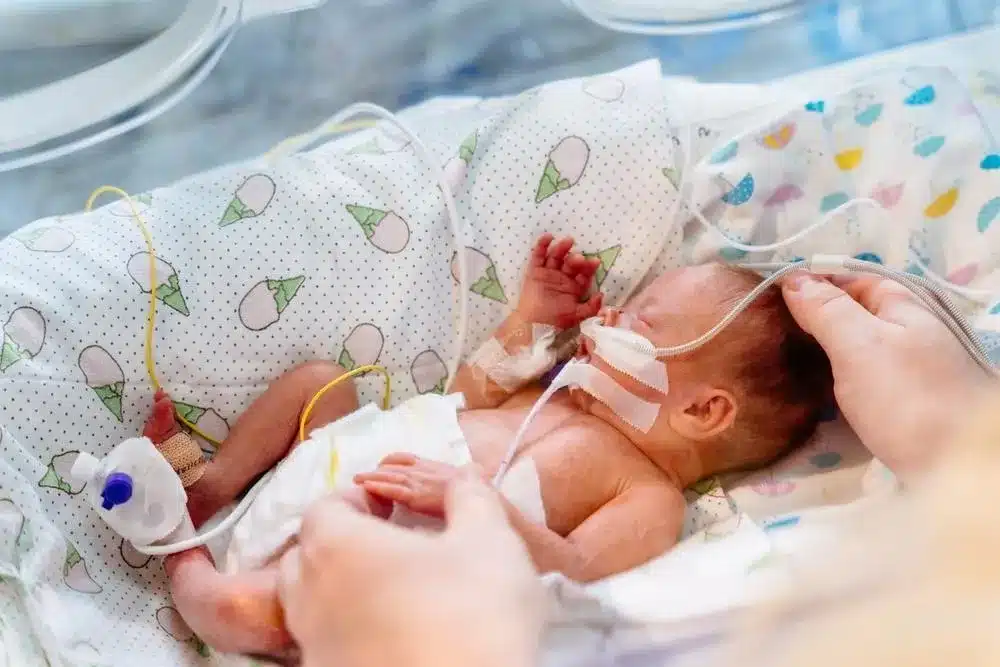
Premature and low birth weight babies grow fast and have little iron. Iron supplements are often needed to help them grow. We should watch their iron levels closely, starting at 4-6 months.
The American Academy of Pediatrics says premature babies should get iron supplements. They recommend 2-4 mg/kg/day, starting at 1-2 months. This amount changes based on the baby’s iron levels and growth.
Children with Chronic Diseases
Children with chronic diseases, like chronic kidney disease or inflammatory bowel disease, face a higher risk of iron deficiency. Chronic inflammation and frequent blood draws increase this risk. We must check their iron levels often and use intravenous iron when oral supplements don’t work.
|
Chronic Condition |
Common Causes of Iron Deficiency |
Recommended Management |
|---|---|---|
|
Chronic Kidney Disease |
Frequent blood draws, inflammation |
IV iron therapy, erythropoietin-stimulating agents |
|
Inflammatory Bowel Disease |
Malabsorption, inflammation |
Oral iron supplements, IV iron therapy |
Dietary Restrictions and Malabsorption Disorders
Children with dietary restrictions, like vegetarians or those with malabsorption disorders like celiac disease, are at higher risk of iron deficiency. Dietary counseling is key to ensure they get enough iron. We should work with a registered dietitian to create a meal plan tailored to their needs.
For children with malabsorption disorders, iron supplements might need to be adjusted. For example, children with celiac disease might need more iron because their bodies absorb it less well.
The Debate on Iron Supplementation and Cognitive Outcomes
The debate on iron supplements and their effects on kids’ brains is ongoing. It’s key for doctors to understand how iron supplements help kids with iron deficiency. This knowledge helps in giving the best care to these children.
Current Research Findings
Recent studies show mixed results on iron supplements and kids’ brains. Some studies say iron supplements can really help kids’ brains, mainly those with iron deficiency anemia.
A study in a well-known journal found iron supplements improve kids’ brain scores under 12. But, other studies found the benefits vary. They say the help is more for kids with severe iron deficiency or from poor backgrounds.
|
Study |
Population |
Intervention |
Cognitive Outcome |
|---|---|---|---|
|
Meta-analysis (2020) |
Children under 12 |
Iron supplementation |
Improved cognitive development scores |
|
Randomized Controlled Trial (2019) |
Children with iron deficiency anemia |
Iron supplementation vs. placebo |
Significant improvement in cognitive function |
|
Cohort Study (2018) |
Children from low-income families |
Iron supplementation |
Moderate improvement in cognitive development |
Balancing Benefits and Potencial Risks
Iron supplements might help kids’ brains, but we must watch out for risks. Too much iron can harm health.
We need to think about each child’s situation. This includes how bad their iron deficiency is, their age, and any health issues. Keeping an eye on iron levels and adjusting supplements is key to avoiding harm.
- Assess the severity of iron deficiency
- Consider the child’s age and health status
- Monitor iron levels during supplementation
- Adjust supplementation based on response and iron levels
Evidence-Based Recommendations
We suggest a personalized approach to iron supplements. This depends on each child’s risk factors and iron levels. For kids with iron deficiency anemia, starting supplements under a doctor’s watch is best.
For kids at risk, we recommend diet advice and regular checks. This helps find who might need supplements. Ongoing studies will help make these recommendations better.
- Screen children at risk for iron deficiency
- Initiate iron supplementation for those with confirmed deficiency
- Monitor response and adjust supplementation as needed
- Provide dietary counseling to enhance iron intake and absorption
Conclusion: Optimizing Care for Children with Iron Deficiency
Managing iron deficiency in kids needs a full plan. This includes finding the problem, treating it, and stopping it from happening again. We’ve talked about how to spot and treat iron deficiency in children.
When treating iron deficiency in kids, we give them iron by mouth or through a vein. It’s also key to make sure they eat foods full of iron. We need to teach parents how to help their kids get more iron from their food.
It’s very important to take care of kids with iron deficiency to avoid serious health problems later. By being proactive in finding and treating iron deficiency, we can make sure kids stay healthy all over the world.
FAQ
What are the common signs and symptoms of iron deficiency anemia in children?
Signs include fatigue, pale skin, and shortness of breath. Poor appetite is also common. Infants might be irritable, develop slowly, and gain weight poorly.
How is iron deficiency anemia diagnosed in children?
Doctors use a mix of clinical checks, medical history, and lab tests. These include a complete blood count (CBC) and iron tests.
What are the treatment options for iron deficiency anemia in children?
Treatment includes eating more iron-rich foods and taking iron supplements. In serious cases, intravenous iron therapy is used.
How can I enhance iron absorption in my child through dietary changes?
Eat foods high in vitamin C with iron-rich foods. Avoid tea or coffee with meals to help iron absorption.
What are the recommended iron-rich foods for children?
Foods like red meat, poultry, fish, and beans are good. Also, dark leafy greens and fortified cereals are great. Vegetarian kids need a variety of plant-based iron sources.
How do I administer oral iron supplements to my child effectively?
Give iron supplements on an empty stomach. Add vitamin C to help absorption. Always follow the dosage instructions.
What are the possible side effects of oral iron therapy in children?
Side effects include stomach upset, constipation, and black stools. Adjusting the dosage or type of supplement might help.
When is intravenous iron therapy considered for children with iron deficiency anemia?
It’s used for severe cases, when oral therapy doesn’t work, or if the body can’t absorb oral iron well.
How is the response to iron therapy monitored in children?
Doctors check regularly, watch for symptom improvements, and do lab tests. They look for iron and hemoglobin levels to return to normal.
What are the preventive strategies for iron deficiency anemia in high-risk populations?
Strategies include screening everyone, giving supplements to high-risk groups, and encouraging iron-rich diets.
Can iron supplementation improve cognitive outcomes in children with iron deficiency anemia?
Yes, research shows iron supplements can help improve thinking skills in kids with iron deficiency anemia, if started early.
Are there any special considerations for treating iron deficiency anemia in premature infants?
Premature babies need extra care because they’re at higher risk. They might need more iron supplements sooner.
References:
• Healthcare Bulletin. (n.d.). An observational study on the prevalence of iron deficiency anemia in school-aged children. https://healthcare-bulletin.co.uk/article/an-observational-study-on-the-prevalence-of-iron-deficiency-anemia-in-school-aged-children-2918/
• American Academy of Family Physicians. (2016, February 15). Anemia: A global health challenge with multifactorial implications. https://www.aafp.org/pubs/afp/issues/2016/0215/p270.html
• Kadhim, M. (2022). Time to resolution of severe anemia in young children with iron deficiency. https://pubmed.ncbi.nlm.nih.gov/39641630/
• Centers for Disease Control and Prevention. (n.d.). Iron | Infant and toddler nutrition. https://www.cdc.gov/nutrition/infantandtoddlernutrition/vitamins-minerals/iron.html
• Amato, R. (2020). Conditional Fgfr1 deletion in GnRH neurons leads to minor reproductive axis changes. https://www.ncbi.nlm.nih.gov/pmc/articles/PMC7933197/