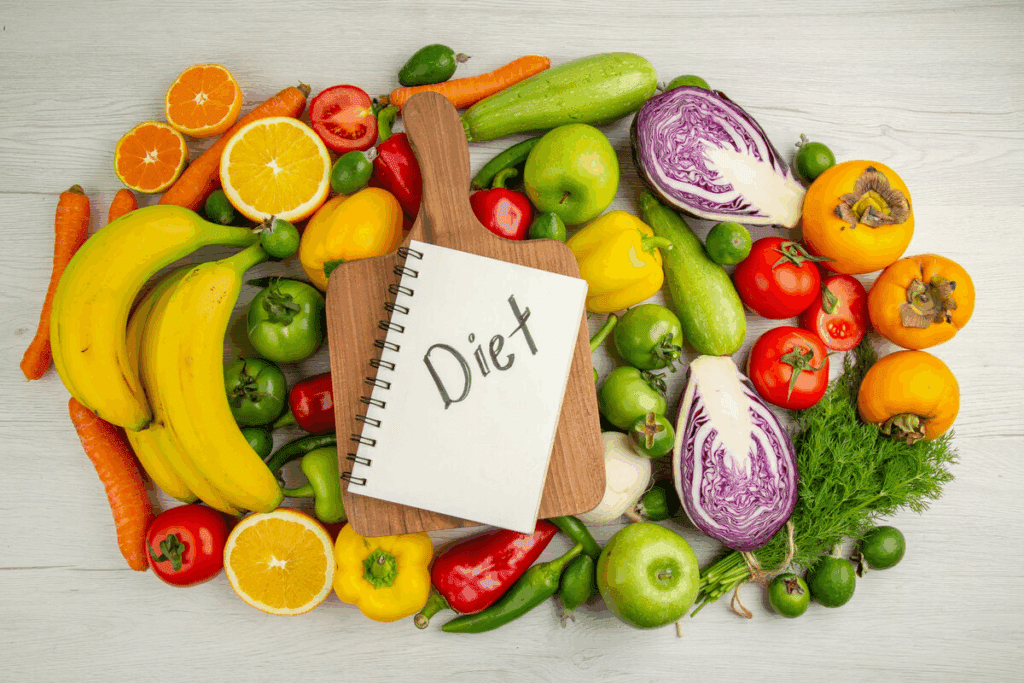
Managing phosphorus intake is key for those with chronic kidney disease (CKD). Phosphorus is important for bone health and body functions. But, diseased kidneys can’t filter out too much phosphorus, causing problems. Discover 15 of the best low phosphorus vegetables. Our simple guide makes kidney-friendly eating easy, safe, and amazing.
For CKD patients, eating a kidney-friendly diet is vital. This means picking low phosphorus vegetables and kidney-friendly proteins to stay healthy. We aim to help you make smart food choices.
By eating the right foods, CKD patients can control their phosphorus levels. It’s important to know how much phosphorus is in foods like eggs and milk. We’ll show you how to pick healthy, phosphorus-aware foods for your diet.
Key Takeaways
- Understanding phosphorus intake is key for CKD management.
- A kidney-friendly diet helps manage phosphorus levels.
- Choosing the right vegetables and proteins is vital for a healthy CKD diet.
- Knowing the phosphorus in foods like eggs and milk is important.
- Making smart food choices can greatly help manage CKD.
The Critical Role of Phosphorus Management in Kidney Disease

Managing phosphorus levels is key in kidney disease care. It affects bone health and how cells work. Phosphorus is vital for bone and tooth formation and helps with carbohydrate and fat use. It’s also needed for protein, which helps cells grow and repair.
When kidneys don’t work right, phosphorus levels get out of balance. This can cause too much phosphorus in the blood, or hyperphosphatemia. High phosphorus levels can weaken bones and harm blood vessels and organs. It also raises the risk of heart attack and stroke.
How Phosphorus Affects Bone and Cellular Health
Phosphorus is important for bones, but too much is bad. In kidney disease, high phosphorus can release parathyroid hormone, causing bone disease. It can also lead to bone loss and may increase death risk, depending on kidney function.
At the cellular level, phosphorus helps make ATP, the energy source for cells. But too much can mess with cell function, leading to various problems.
Why Kidney Disease Patients Must Monitor Phosphorus
Kidney disease patients need to watch their phosphorus intake to avoid hyperphosphatemia. They should limit foods high in phosphorus and know about hidden sources like additives. They should also use cooking methods that lower phosphorus.
Monitoring phosphorus levels is vital for managing kidney disease. Understanding phosphorus’s role and managing it can lower complication risks. This improves overall health outcomes for patients.
Understanding Hyperphosphatemia and Its Dangers
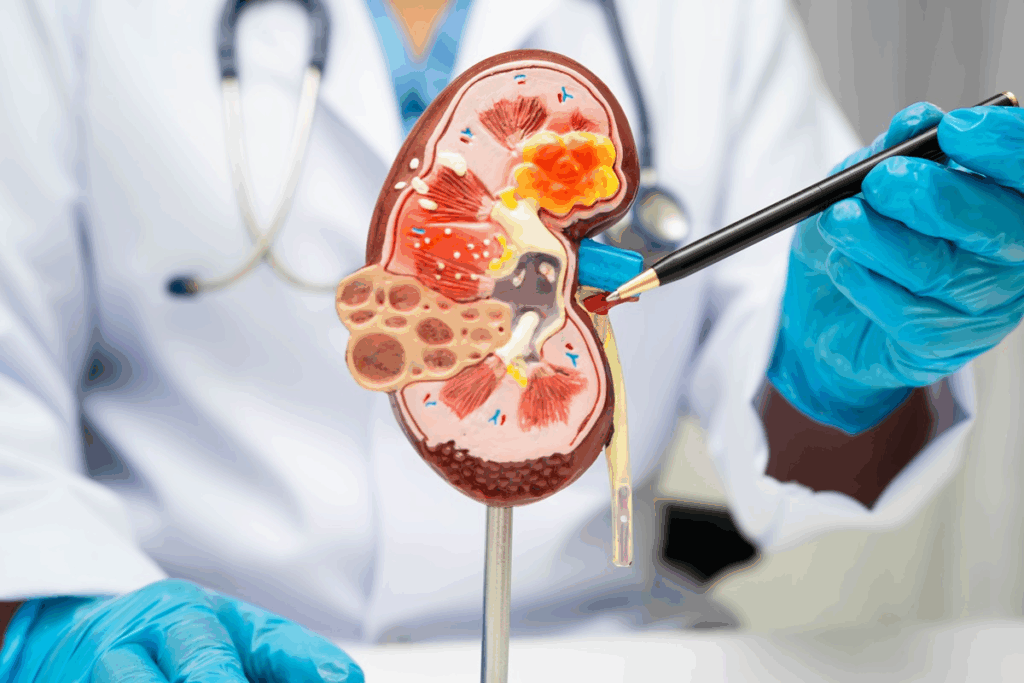
Too much phosphorus in the blood can cause serious problems. This includes heart issues and bone diseases. Hyperphosphatemia, or high phosphorus levels, needs careful management, mainly for those with kidney disease.
Phosphorus is vital for our bodies. It helps make bones and teeth and is involved in many body processes. But, too much of it can lead to serious health problems.
Signs of Elevated Phosphorus Levels
It’s important to know the signs of hyperphosphatemia early. Symptoms include:
- Itching or skin rashes
- Muscle cramps or weakness
- Joint pain or stiffness
- Fatigue or feeling weak
These symptoms can be hard to spot and might seem like other health issues. So, people with kidney disease should get regular blood tests to check their phosphorus levels.
Cardiovascular Risks and Bone Complications
High phosphorus levels can harm the heart and bones. It can cause mineral buildup in blood vessels, raising the risk of heart attacks and strokes. It can also lead to bone diseases like osteodystrophy, where bones become brittle.
Studies show that keeping phosphorus levels in check is key to avoiding these problems. A study in a well-known medical journal stresses the need to keep phosphorus levels normal to lower heart disease risk.
“Controlling phosphorus levels is critical for patients with chronic kidney disease to prevent cardiovascular complications.”
Nature Reviews Nephrology
The table below shows the possible problems caused by hyperphosphatemia:
Complication | Description | Risk Factors |
Cardiovascular Disease | Mineral deposits in blood vessels | High phosphorus levels, kidney disease |
Bone Disease | Osteodystrophy, brittle bones | Imbalance of minerals, vitamin D deficiency |
Knowing about hyperphosphatemia and its dangers is the first step to managing it well. By spotting the signs and controlling phosphorus levels, people can lower their risk of heart and bone problems.
8 Low Phosphorus Vegetables for Kidney-Friendly Meals
Vegetables low in phosphorus are key for a healthy kidney diet. They offer important nutrients and help control phosphorus intake. This is vital for those with kidney disease.
Green Beans
Green beans are a top pick, with under 30mg of phosphorus per serving. They’re also packed with vitamins and minerals. As Medical Expert, a nephrologist, notes, “Green beans are great for kidney disease patients. They’re low in phosphorus and full of nutrients.”
Lettuce and Leafy Greens
Lettuce and leafy greens have less than 20mg of phosphorus per serving. They’re flexible and can be used in many ways. A study in the Journal of Renal Nutrition found, “They’re low in phosphorus and high in antioxidants and fiber.”
Cucumber
Cucumbers have under 15mg of phosphorus per serving. They’re also hydrating. Enjoy them in salads, as a snack, or in meals.
“Cucumbers are a kidney-friendly vegetable that can be easily incorporated into daily meals,” says a registered dietitian.
Bell Peppers
Bell peppers are low in phosphorus, with under 25mg per serving. They come in different colors and add flavor and nutrients to dishes. They’re part of a balanced diet that supports kidney health.
Other low phosphorus vegetables include:
- Radishes
- Cauliflower
- Yellow squash
- Zucchini
These veggies are not only low in phosphorus but also full of vitamins and minerals. They’re perfect for planning meals that are good for the kidneys.
Starchy Vegetables with Manageable Phosphorus Content
For those watching their phosphorus, starchy veggies like white potatoes can fit into a kidney-friendly diet. They do have phosphorus, but the right cooking can keep it in check. This makes them good for people with kidney disease.
White Potatoes: Preparation Methods to Reduce Phosphorus
White potatoes are common in many diets, but they have phosphorus that’s a worry for kidney patients. But, some cooking ways can lower their phosphorus. Boiling and throwing away the water can remove some phosphorus.
Also, soaking sliced or diced potatoes in water for hours before cooking can cut down phosphorus even more.
Cauliflower as a Versatile Alternative
Cauliflower is a great, healthy swap for starchy veggies like white potatoes. It has very little phosphorus, making it perfect for kidney-friendly meals. You can use cauliflower in many ways, like as a grain substitute or adding nutrition to soups and stews.
Adding cauliflower and the right white potatoes to your meals can make your diet varied and kidney-friendly. These veggies are not only nutritious but also flexible in meal planning. This makes sticking to a kidney-friendly diet easier.
7 Protein Sources Low in Phosphorus for Kidney Health
Protein is key for everyone, but it’s even more important for those with kidney disease. They need to pick protein sources that don’t have a lot of phosphorus. We’ll look at seven options that are good for managing phosphorus levels.
Unprocessed Chicken
Unprocessed chicken is a good choice for controlling phosphorus intake. It has about 65mg of phosphorus per ounce. Picking unprocessed chicken breast or thighs without preservatives helps keep phosphorus levels down.
Fresh Turkey
Fresh turkey is similar to chicken, with about 65mg of phosphorus per ounce. Choosing fresh, unprocessed turkey breast or ground turkey is a healthy option for a kidney-friendly diet.
Lean Beef Cuts
Lean cuts of beef have about 65mg of phosphorus per ounce. Choosing lean cuts and trimming fat can help lower phosphorus intake.
Eggs
Eggs are a versatile protein source. A large egg has about 95mg of phosphorus. While eggs have a bit more phosphorus than meats, they can be part of a balanced diet if eaten in moderation.
Other low phosphorus protein sources include fish like cod and tilapia, certain beans, and low-fat dairy. It’s important to talk to a healthcare provider or dietitian to find the best protein sources for your needs.
Protein Source | Phosphorus Content |
Unprocessed Chicken | 65mg per ounce |
Fresh Turkey | 65mg per ounce |
Lean Beef Cuts | 65mg per ounce |
Eggs | Approximately 95mg per large egg |
Natural vs. Added Phosphorus: What Kidney Patients Should Know
It’s important for kidney patients to know the difference between natural and added phosphorus. Phosphorus is found in many foods, but its effect on kidneys depends on its source.
Bioavailability Differences
Natural phosphorus, found in veggies and meats, is harder for the body to absorb than added phosphorus. Bioavailability means how well the body can use a nutrient. Natural phosphorus is often tied to other substances, making it less absorbed.
Added phosphorus, found in many processed foods, is much easier for the body to absorb. This means the body can take in almost all of the phosphorus in these foods, which can raise blood phosphorus levels.
How to Identify Phosphorus Additives on Labels
Kidney patients need to learn how to read food labels to control phosphorus intake. Look for ingredients like sodium phosphate, phosphoric acid, and disodium phosphate. These are often in processed foods, including meats, cheeses, and baked goods.
Medical Expert, a nephrologist, says,
“The key to managing phosphorus levels is not just avoiding certain foods, but understanding what’s in the foods you’re eating. Reading labels carefully is critical.”
To make smart choices, patients should:
- Check the ingredient list for phosphorus-containing additives.
- Choose fresh, unprocessed foods whenever you can.
- Reduce your intake of processed and packaged foods.
By understanding the difference between natural and added phosphorus and knowing how to spot additives on labels, kidney patients can manage their phosphorus intake. This helps protect their health.
Cooking Methods That Reduce Phosphorus Content
There are ways to cook food that lower its phosphorus levels. This is good news for people with kidney problems. They can eat a wider variety of foods without harming their kidneys.
Leaching Techniques for Vegetables
Leaching is a simple way to cut down phosphorus in veggies. It involves boiling or soaking them to remove some phosphorus. Here’s how to leach vegetables:
- Boil them in water for a few minutes.
- Throw away the water used for boiling.
- Rinse the veggies with fresh water before eating.
Benefits of Leaching: Leaching can greatly lower phosphorus levels. This makes veggies like potatoes and carrots safer for those with kidney issues.
Proper Preparation of Animal Proteins
Cooking animal proteins right can also help control phosphorus intake. Here are some tips:
- Trimming and portion control: Cutting off visible fat and controlling how much you eat can lower phosphorus intake.
- Cooking methods: Grilling or baking is better than frying because it doesn’t add extra phosphorus.
- Avoiding processed meats: Processed meats often have extra phosphorus. So, it’s best to choose fresh, unprocessed meats.
By using these cooking methods and techniques, kidney patients can manage their phosphorus intake better. This helps keep their kidneys healthy and improves their overall well-being.
Creating Balanced Kidney-Friendly Meal Plans
For those with kidney disease, a well-structured meal plan is key. It helps manage the disease and keeps you healthy. A diet low in phosphorus is essential for this.
Combining Low Phosphorus Vegetables and Proteins
To make a kidney-friendly meal plan, mix low phosphorus veggies with the right proteins. Low phosphorus vegetables like green beans, lettuce, and cucumbers go well with low phosphorus proteins like unprocessed chicken, fresh turkey, and lean beef.
When planning meals, check the phosphorus in both veggies and proteins. For instance, grilled chicken (65mg of phosphorus per ounce) with steamed green beans (under 30mg per serving) and a cucumber and lettuce salad (under 20mg per serving) is a great choice.
Sample Meal Ideas and Recipes
Here are some low phosphorus meal ideas and recipes for a kidney-friendly diet:
Meal | Ingredients | Phosphorus Content |
Grilled Chicken with Vegetables | Unprocessed chicken, green beans, cucumber, lettuce | Approximately 150mg per serving |
Turkey and Avocado Salad | Fresh turkey, avocado, lettuce, cucumber | Approximately 120mg per serving |
Lean Beef with Roasted Vegetables | Lean beef, bell peppers, cauliflower | Approximately 180mg per serving |
These meal ideas show how to mix low phosphorus veggies and proteins for balanced meals. Adding these to your diet helps manage phosphorus intake and supports kidney health.
Hidden Sources of Phosphorus to Avoid
We often overlook the fact that processed foods and beverages are significant sources of hidden phosphorus. Managing kidney disease requires a complete approach to diet, including knowing these hidden sources.
Processed Foods and Beverages
Processed foods and drinks often have phosphate additives. These additives boost flavor, texture, and shelf life. Examples include processed meats, canned goods, and soft drinks.
To avoid these hidden sources, it’s key to read food labels carefully. We suggest checking the ingredient list for phosphorus-containing additives like phosphoric acid, sodium phosphate, and potassium phosphate.
Common Food Additives Containing Phosphorus
Many common food additives contain phosphorus. It’s important to know what to look for on food labels. Some of the most common additives include:
- Phosphoric acid
- Sodium phosphate
- Potassium phosphate
- Diphosphate
- Tripolyphosphate
These additives are in many products, from baked goods and cereals to processed meats and dairy. Knowing about these additives helps those with kidney disease make better dietary choices.
Food Additive | Common Products |
Phosphoric acid | Soft drinks, processed meats |
Sodium phosphate | Cereals, baked goods |
Potassium phosphate | Dairy products, processed meats |
By understanding and avoiding these hidden phosphorus sources, those with kidney disease can manage their condition better. This improves their overall health.
Working with Healthcare Providers to Monitor Phosphorus
Managing phosphorus levels is a team effort between patients and healthcare providers. Kidney disease patients need a full care plan to manage their condition well.
Healthcare providers are key in managing phosphorus levels. They assess the patient’s condition and create a treatment plan. They also make changes as needed.
The Role of Phosphate Binders
Phosphate binders are a main strategy for managing phosphorus levels. These medications stop phosphorus from being absorbed in the gut. This helps lower blood phosphorus levels.
By taking phosphate binders as directed, patients can control their phosphorus levels. This reduces the risk of problems linked to too much phosphorus.
Regular Blood Testing and Adjustments
Regular blood tests are vital to check phosphorus levels. They help see if the treatment is working. Healthcare providers can then adjust the treatment plan if needed.
By following their treatment plan closely, patients can manage their phosphorus levels. This helps keep their kidneys healthy.
Frequently Asked Questions About Low Phosphorus Foods
Knowing how much phosphorus is in our food is key for those with kidney disease. It’s important to understand the phosphorus in common foods. This helps us follow a diet that’s good for our kidneys.
Is Rice High in Phosphorus?
Rice’s phosphorus level can change based on its type and how it’s cooked. White rice usually has 60-80 mg of phosphorus per serving. Brown rice has a bit more, about 80-150 mg per serving. Here are some tips to manage phosphorus in rice:
- Opt for white rice to reduce phosphorus intake.
- Watch your rice portions to control phosphorus levels.
How Much Phosphorus is in Milk?
Milk has a lot of phosphorus, with about 230 mg per cup. If you’re watching your phosphorus, try almond or rice milk. They have less phosphorus than cow’s milk.
When picking milk or milk alternatives, always check the label. Look out for added phosphorus, which is sometimes used as a preservative.
Are All Fruits Low in Phosphorus?
Most fruits are low in phosphorus, which is good for a kidney-friendly diet. Fruits like apples, berries, and citrus fruits have little phosphorus. But, it’s smart to check the phosphorus in different fruits and watch your portions.
Some examples of low phosphorus fruits include:
- Apples (about 10-15 mg per medium-sized fruit)
- Berries (varies by type, but generally under 20 mg per 1/2 cup)
- Grapes (about 15-20 mg per 1/2 cup)
Knowing about phosphorus in foods helps those with kidney disease make better food choices. This supports their health.
Conclusion
Managing phosphorus is key for those with kidney disease. A diet rich in low phosphorus foods can greatly help. Green beans, lettuce, and lean beef are great options.
We’ve looked at how to handle phosphorus levels, from what causes high levels to finding phosphorus in processed foods. Mixing low phosphorus foods into meals helps keep phosphorus in check. Regular checks and advice from doctors are also important.
A diet low in phosphorus is more than just cutting out foods. It’s about making smart choices for your kidneys. By following these tips, you can manage phosphorus better. This improves your life and health.
FAQ
Is milk high in phosphorus?
Yes, milk has a lot of phosphorus. One cup has about 230mg. You might want to look for lower-phosphorus dairy or adjust how much you drink.
What are some protein sources that are low in phosphorus?
Good protein sources with less phosphorus are unprocessed chicken, fresh turkey, and lean beef. Eggs are also good. These foods are okay in small amounts for a kidney-friendly diet.
How much phosphorus is in an egg?
A large egg has about 95mg of phosphorus. Eggs can be good for a kidney-friendly diet if eaten carefully.
Are there any kidney-friendly meats that are low in phosphorus?
Yes, meats like unprocessed chicken, fresh turkey, and lean beef are good. They have protein but not too much phosphorus.
Is rice high in phosphorus?
White rice has less phosphorus than brown rice or whole grains. But, watch how much you eat and balance it with other foods.
How can I identify phosphorus additives on food labels?
Look for “phosphate,” “phosphoric acid,” or “phospho-” on labels. Knowing this helps you choose better foods.
Are all fruits low in phosphorus?
Most fruits have little phosphorus, which is good for a kidney-friendly diet. But, check the phosphorus in each fruit and eat them in small amounts.
What is the phosphorus content in cottage cheese?
Cottage cheese has a lot of phosphorus, about 230-300mg in one cup. Eat it in small amounts or find something with less phosphorus.
Is turkey high in phosphorus?
Fresh turkey has some phosphorus, about 65mg per ounce. It’s okay in small amounts and as part of a balanced diet.
What are some low-phosphorus vegetables?
Good vegetables with less phosphorus are green beans, lettuce, cucumber, and bell peppers. They’re good for a kidney-friendly diet and provide important nutrients.
References
World Health Organization. Low Phosphorus Diet: Vegetables and Proteins for Kidney Health. Retrieved from https://www.who.int/news-room/fact-sheets/detail/chronic-kidney-disease