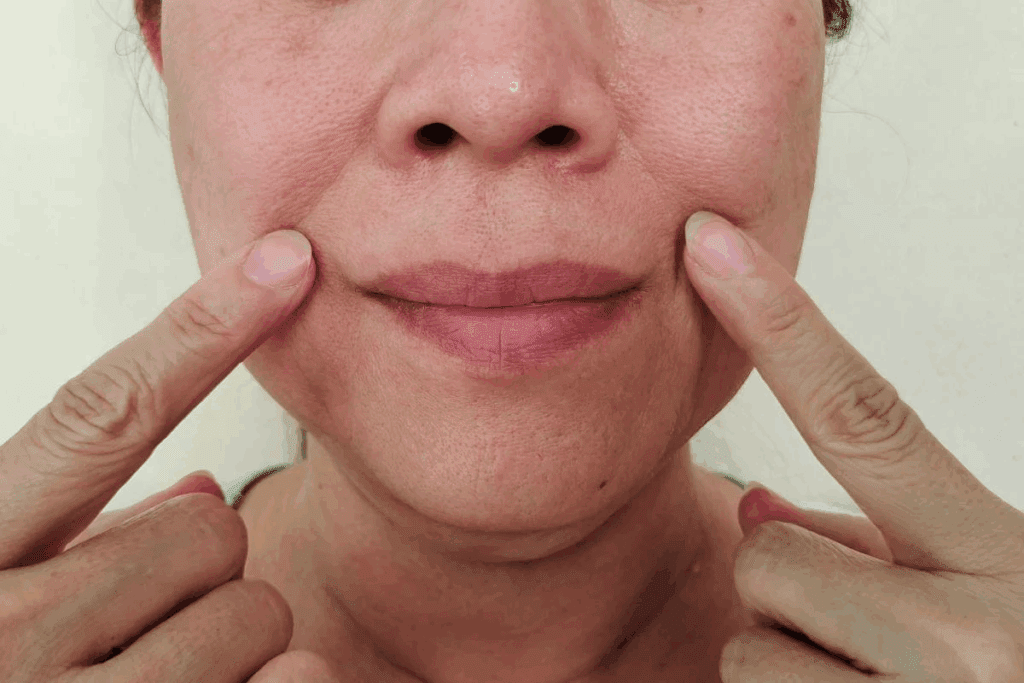
Finding a lump inside your cheek can be scary. But, most of the time, these lumps are not serious. They might be a small, painless bump or a fluid-filled cyst. It’s important to know why they happen and when to get help. Guide to the benign and malignant causes of a persistent Lump in cheek (mucocele, fibroma, or cancer).
At Liv Hospital, we mix medical knowledge with caring for our patients. We check your concerns and make you feel better. Medical News Today says cheek swelling can be from small injuries, infections, or health problems.
We’ll look at why you might have a lump inside your cheek. And we’ll tell you when it’s time to worry.
Key Takeaways
- Most oral lumps are benign and not cancerous.
- Causes can range from minor injuries to infections or serious health issues.
- Understanding when to seek medical attention is important.
- Liv Hospital offers expert evaluation and care for oral health concerns.
- Patient-centered care is our priority.
Understanding Lumps Inside the Cheek
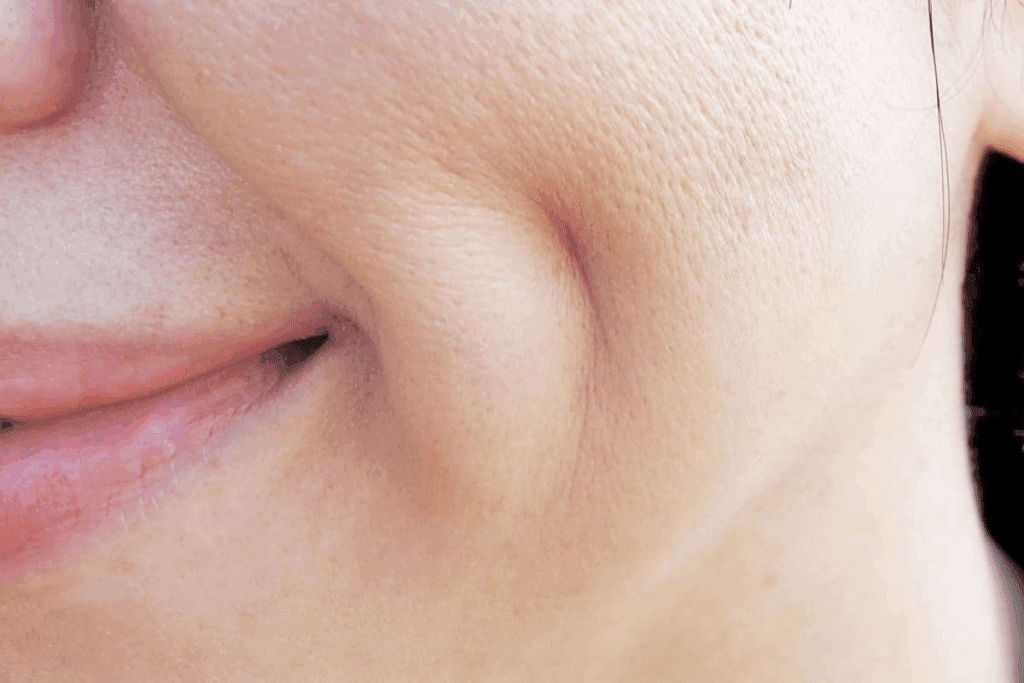
Lumps inside the cheek can be scary, but knowing about the inner cheek helps. The inner cheek, or buccal mucosa, lines the inside of our cheeks. It’s key for our oral health and function.
Anatomy of the Inner Cheek
The inner cheek has layers like the epithelium, lamina propria, and submucosa. The epithelium is the outer layer, protecting us from outside factors. Underneath is the lamina propria, full of blood vessels and nerves.
The submucosa has bigger blood vessels, nerves, and salivary glands. These help keep the cheek moist and healthy.
Normal Tissue vs. Abnormal Growths
It’s important to tell normal tissue from abnormal growths. Normal variations might be small, harmless bumps. But, abnormal growths could mean infections, cysts, or serious problems.
Knowing the difference helps us figure out if a lump is serious.
How to Self-Examine Your Mouth
Medical Expert. This includes lumps or sores that don’t heal. Here’s how to do it:
- Use a mirror and good lighting to see inside your mouth.
- Gently pull your cheek away from your teeth to check the buccal mucosa.
- Look for any unusual lumps, color changes, or texture changes.
- Check the floor of your mouth, the roof, and your tongue for anything odd.
- If you find something unusual, see a healthcare professional.
Checking your mouth regularly can help find oral health problems early. If you find a lump or notice changes, get professional help. They can tell you what it is and how to treat it.
Common Causes of a Lump in Cheek

Lumps on the inside of the cheek are quite common. They can come from trauma, infections, or problems with the salivary glands. Knowing what causes them helps figure out what to do next.
Trauma and Injury
Getting a lump in the cheek often happens because of mouth injuries. This can be from biting yourself, dental work, or other accidents. When the cheek gets hurt, it swells up and can form a lump.
Most of the time, these lumps are not serious and go away when the cheek heals. But, if the lump doesn’t get better or if you have other symptoms, you should see a doctor.
Infections and Abscesses
Infections in the mouth can also cause lumps inside the cheek. These can be from bacteria, viruses, or fungi. For example, a dental abscess can make a lump in the cheek if it’s near a tooth.
Viruses like herpes simplex can also cause painful bumps that look like lumps. Knowing what kind of infection you have is key to treating it right. This might mean antibiotics, antivirals, or other treatments.
Salivary Gland Issues
Problems with the salivary glands can also show up as lumps in the cheek. This includes things like salivary stones, sialadenitis (inflammation of the gland), and more. For instance, a blockage in a salivary gland duct can cause swelling and pain.
Sialadenitis, which is often caused by bacteria or blockages, can also make a lump. Doctors use imaging and exams to figure out what’s going on. Treatment can range from simple care to surgery, depending on the problem.
Knowing why lumps form in the cheek helps you deal with them better. If you’re worried about a lump, talking to a doctor is the first step to finding out what it is and how to treat it.
Benign Oral Growths: Fibromas
Fibromas are lumps inside the cheek that are usually harmless. They can happen for many reasons, like mouth irritation or injury.
What Are Fibromas?
Fibromas are growths made of fibrous tissue. They feel smooth and firm. You can find them in the mouth, like the cheeks, lips, and tongue.
Characteristics of Fibromas:
- Smooth surface
- Firm to the touch
- Usually painless
- Can vary in size
Causes and Risk Factors
Fibromas often come from mouth irritation or injury. This can happen for many reasons, like:
- Accidental biting of the cheek or lip
- Ill-fitting dentures or dental appliances
- Sharp edges of teeth or dental work
Knowing these causes can help prevent fibromas.
Typical Symptoms and Appearance
Fibromas look like smooth, firm bumps in the mouth. They are usually painless and can be small or big. It’s important to check any new or changing growths with a doctor.
Key symptoms to watch for:
- A smooth, firm lump inside the mouth
- No pain or discomfort
- Possible changes in size over time
Understanding fibromas helps people identify and manage these growths.
Fluid-Filled Lumps: Mucoceles and Cysts
Fluid-filled lumps, like mucoceles and cysts, are common in the mouth. They might worry you, but knowing what they are can help ease your mind.
Formation of Mucoceles
Mucoceles are harmless cysts that happen when salivary glands get blocked or damaged. This blockage causes mucus to build up, forming a mucocele. It can happen for many reasons, like mouth trauma.
Trauma to the mouth, like biting your cheek or lip, can hurt a salivary gland. This damage stops saliva from flowing right, leading to a mucocele.
Symptoms and Identification
Mucoceles look like smooth, rounded, and often clear or blue lumps. They can be small or big and might not hurt unless they get irritated or infected. To spot a mucocele, you might need a visual check and sometimes a biopsy.
Symptoms include a noticeable lump, trouble eating or speaking, and pain if it gets irritated.
Common Locations in the Mouth
Mucoceles often pop up on the lower lip, but they can also show up on the floor of the mouth, tongue, or cheeks. The lower lip is more prone to them because it’s more exposed to injury.
| Location | Frequency | Common Causes |
|---|---|---|
| Lower Lip | High | Trauma, biting |
| Floor of the Mouth | Moderate | Salivary gland obstruction |
| Tongue | Low | Trauma, unknown |
| Inside Cheeks | Moderate | Trauma, irritation |
Knowing about mucoceles and cysts can make you feel better. Even though they’re usually harmless, it’s smart to see a doctor for a check-up and advice.
Other Benign Conditions
The mouth can have many benign conditions, some of which show up as lumps. These can be from infections to growths. Knowing about them helps in getting the right treatment.
Oral Warts and HPV
Oral warts are caused by the human papillomavirus (HPV). They can pop up anywhere in the mouth, like on the cheeks, lips, and tongue. While they’re usually not harmful, they can look bad and sometimes hurt.
People with weak immune systems or who get HPV often are more likely to get oral warts. Treatment can be anything from just watching them to removing them surgically, based on size and where they are.
Torus Palatinus and Bony Growths
Torus palatinus is a bony growth on the roof of the mouth. It’s usually not a problem unless it hurts or gets in the way of dental work.
This growth is more common in some groups and might run in families. Keeping an eye on it and dealing with any issues is key to good oral health.
| Characteristics | Torus Palatinus | Oral Warts |
|---|---|---|
| Cause | Bony growth | HPV infection |
| Location | Palate | Various oral locations |
| Treatment | Usually none, unless problematic | Ranges from watchful waiting to removal |
Lipomas and Soft Tissue Tumors
Lipomas are fat tissue tumors that can show up in the mouth, like on the cheeks. They feel soft and can move around. Even though they’re not cancer, they can be uncomfortable or affect how you look.
Diagnosing lipomas involves looking at them and sometimes taking a biopsy. If they grow or cause problems, they usually need to be surgically removed.
By knowing about these conditions, we can help people with lumps or growths in their mouths. This ensures they get the right care and feel better.
When to Be Concerned: Potential Serious Causes
Most cheek lumps are harmless, but some can be serious. Knowing the warning signs is key.
Warning Signs and Red Flags
Some cheek lumps may signal a bigger problem. Look out for:
- Persistent or growing lumps
- Pain or discomfort
- Difficulty swallowing or speaking
- Unexplained bleeding
- Changes in the surface texture or color
If you see these signs, see a doctor right away.
Leukoplakia and Precancerous Conditions
Leukoplakia shows up as white patches in the mouth, including cheeks. Medical Expert. Always check white patches with a healthcare provider.
“Leukoplakia is often associated with chronic irritation, and in some cases, it can be a precursor to cancer. Regular monitoring and biopsy may be necessary.” – Medical Expert, Medical organization
Oral Cancer: Symptoms and Risk Factors
Oral cancer can look like a cheek lump. Key risks include:
| Risk Factor | Description |
|---|---|
| Tobacco Use | Smoking or chewing tobacco significantly increases the risk of oral cancer. |
| HPV Infection | Certain strains of the human papillomavirus (HPV) are linked to oral cancer. |
| Excessive Alcohol Consumption | Heavy drinking can increase the risk of developing oral cancer. |
Understanding serious cheek lump causes helps you stay healthy. If worried, get medical advice.
Diagnosis and Medical Assessment
Figuring out why you have a lump inside your cheek needs a detailed medical check-up. This step is key to finding the right treatment and easing your worries.
What to Expect at the Doctor’s Office
At your doctor’s visit, expect a careful look at your cheek lump. First, we’ll ask about your health history, symptoms, and any past health issues. We’ll also visually examine the lump to see its size, color, and texture.
Next, we might touch the lump to check for tenderness. We’ll also check your neck’s lymph nodes for swelling. This could mean an infection or another problem.
Diagnostic Tests and Procedures
To find out what’s causing the lump, we might use different tests and procedures. These include:
- Imaging Tests: X-rays, CT scans, or MRI scans can give us detailed images of the lump and nearby tissues.
- Biopsy: Sometimes, we need to take a tissue or cell sample from the lump for closer examination.
| Diagnostic Test | Purpose | When It’s Used |
|---|---|---|
| X-ray | To see the lump and the bone around it. | When we think it might be due to trauma or bone issues. |
| CT Scan | To get detailed images of the lump and tissues around it. | When we need a closer look. |
| Biopsy | To check the cells or tissue of the lump for any abnormal growth. | When we suspect cancer or serious conditions. |
Biopsy and When It’s Necessary
A biopsy takes a tissue or cell sample from the lump for a microscope check. It’s very important when we think it might be cancer or another serious issue. We decide on a biopsy based on what we find first.
While a biopsy might sound scary, it’s a key tool for us to understand the lump. It helps us figure out the best treatment for you.
Treatment Options for Cheek Lumps
There are different ways to treat cheek lumps, from simple methods to surgery. The right treatment depends on the cause, size, and symptoms of the lump.
Conservative Management Approaches
For most cheek lumps, a simple start is best. This might mean watching the lump to see if it goes away or using medications like antibiotics for infections.
“In some cases, simple changes in oral hygiene practices can help resolve minor issues,” notes a healthcare professional.
This approach is good for lumps that don’t hurt much or are likely to go away by themselves.
Surgical Removal Procedures
If a cheek lump doesn’t go away, is big, or hurts a lot, surgery might be needed. This is often true for growths like fibromas or mucoceles that don’t get better with simple care.
- Surgical excision is a common method for removing benign growths.
- The procedure is typically performed under local anesthesia.
- Recovery times can vary depending on the size of the lump and the individual’s health.
Follow-up Care and Monitoring
After treatment, keeping an eye on the lump is key. This makes sure it doesn’t come back and catches any problems early.
Regular follow-ups with a healthcare provider are vital. They help spot any new issues quickly. Knowing the signs of a lump coming back is important for those who have had them before.
“Follow-up care is not just about checking for recurrence but also about ensuring that the treatment has been effective and that there are no new issues arising.”
Conclusion
Knowing why a lump forms in the cheek is key to good oral health. We’ve looked at many reasons, from harmless growths to serious diseases like oral cancer. This includes things like fibromas and mucoceles.
It’s important to catch and treat oral health problems early. If you see a lump or any mouth changes, get medical help right away. A doctor can figure out what it is and suggest the best treatment.
Good oral health is important for your overall health. Knowing about cheek lumps and when to see a doctor helps keep your mouth healthy. Regular dental visits and self-checks can catch problems early.
In short, lumps in the cheek can have many causes, some serious. Stay alert to your oral health and see a doctor if you’re worried. This is the best way to take care of your mouth.
FAQ
What is a lump inside the cheek?
A lump inside the cheek is an abnormal growth or swelling. It happens on the inner cheek surface. It can be caused by trauma, infections, or benign growths.
What are the common causes of a lump in the cheek?
Trauma and injury, infections, and abscesses can cause a lump in the cheek. So can salivary gland issues. Also, benign oral growths like fibromas, mucoceles, and cysts can cause it. Other conditions like oral warts and lipomas can too.
How can I identify a lump inside my cheek?
To find a lump inside your cheek, do a self-exam. Gently feel the inside of your mouth with your fingers. Look for any swelling, growths, or tissue changes.
What are the symptoms of a benign tumor in the mouth?
A benign tumor in the mouth might show as a painless lump or swelling. It might change the shape or look of the area. Sometimes, it can cause discomfort or trouble speaking or eating.
Can a benign growth in the mouth become cancerous?
Most benign growths in the mouth are not cancerous. But, some conditions like leukoplakia can be precancerous. So, it’s key to get a medical check-up.
What is a mucocele, and how is it treated?
A mucocele is a fluid-filled lump, often on the lower lip or inside the cheek. It usually happens from trauma. Treatment might be surgical removal or drainage.
When should I be concerned about a lump inside my cheek?
Be worried about a lump inside your cheek if it doesn’t go away, gets bigger, hurts, or bleeds. If you have trouble swallowing or feel changes in sensation, see a doctor.
What diagnostic tests are used to evaluate a lump inside the cheek?
Tests might include a visual check, X-rays, or ultrasound. Sometimes, a biopsy is needed to figure out what the lump is.
What are the treatment options for a lump inside the cheek?
Treatment depends on the cause. For benign conditions, you might just need to watch it. For serious cases, surgery might be needed. Follow-up care is also important.
Can a pea-sized lump in the mouth be a sign of oral cancer?
A pea-sized lump can be many things, including benign. But, it could also be oral cancer. Always get a medical check for any unusual or lasting lumps.
How is oral cancer diagnosed and treated?
Oral cancer is found through a check-up, imaging, and biopsy. Treatment varies by the cancer’s stage and location. It might include surgery, radiation, or chemotherapy.
What is the importance of follow-up care for a lump inside the cheek?
Follow-up care is key. It helps make sure the lump is being managed right. It also lets you catch any changes or concerns early.
Can a lump on the side of the cheek be related to salivary gland issues?
Yes, a lump on the side of the cheek might be from salivary gland problems. This includes sialadenitis or stones. You should see a doctor for this.
Are benign oral growths common?
Yes, benign oral growths are common. They can happen from irritation, trauma, or infections.
References
National Center for Biotechnology Information. Evidence-Based Medical Guidance. Retrieved from https://www.ncbi.nlm.nih.gov/pmc/articles/PMC3952343/