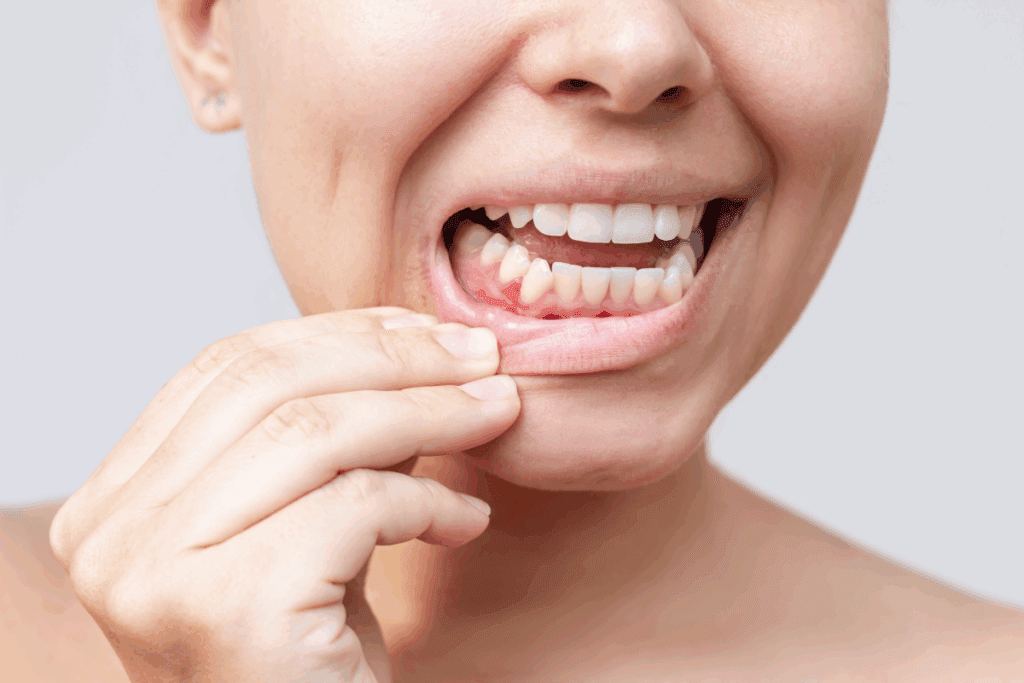
Discovering a lump inside your cheek can be scary. But, most of these growths are harmless and can be treated. Medical Expert, “Most lumps are harmless, but it’s wise to get them checked.” If you find an unusual growth, it’s important to know when to see a doctor. Guide to the benign and malignant causes of a persistent Lump in inside of cheek (mucocele, fibroma, or cancer).
Benign cheek lumps often come from mucoceles, which are fluid-filled cysts from blocked salivary glands. Or from fibromas, smooth growths from irritation or trauma. At Liv Hospital, we use the latest diagnostic tools and focus on patient care to help you.
Key Takeaways
- Most oral lumps are benign and treatable.
- Common causes include mucoceles and fibromas.
- Understanding the cause of the lump is key for the right care.
- It’s best to see a doctor for new or strange growths.
- Liv Hospital offers full support for international patients.
Understanding Oral Cheek Lumps
A lump inside the cheek can be scary, but most are harmless and simple to treat. Knowing how the cheek works and how to check it yourself can spot problems early.
Common Locations of Cheek Lumps
Cheek lumps can pop up in different spots in your mouth. They might show up on the cheek lining, near where saliva glands are, or along the gums. Knowing where they often appear can help you catch them early.
Normal Cheek Anatomy
The cheek has layers like skin, muscle, and a lining inside your mouth. Knowing this helps you spot when something’s off. Salivary and tiny mucous glands in the cheek can also cause lumps.
How to Self-Examine Your Cheek
Checking your cheek yourself is key to good oral health. Pull your cheek away from your teeth and look closely under bright light. Watch for any odd lumps, color changes, or textures. Doing this regularly can catch problems early, which is key for treatment.
Medical Expert, “Most lumps are no big deal and don’t need worry.” But, any new or changing lump should see a doctor to figure out what it is and how to fix it.
Common Causes of a Lump in Inside of Cheek

Cheek lumps can come from different things like mucoceles, fibromas, and salivary gland issues. These growths are usually not serious but can worry you. We’ll look at the main reasons for cheek lumps and how they’re handled.
Mucoceles (Mucous Cysts)
A mucocoele is a cyst filled with mucus in the mouth, often on the lower lip or inside the cheeks. It happens when a small salivary gland gets blocked. Mucoceles are usually harmless and can go away on their own, but might come back if not treated right.
Mucoceles look smooth and blue, and feel soft. They can hurt if they get irritated or infected. Doctors usually remove them to stop them from coming back.
Oral Fibromas
Oral fibromas are growths of fibrous tissue in the mouth, including the cheeks. They often happen from biting the cheek or long-term irritation. Fibromas are firm, don’t hurt, and grow slowly.
Even though they’re usually not a problem, big or lasting fibromas might need to be cut out for looks or function. It’s important to see a doctor to make sure they’re not something else.
Salivary Gland Swellings
Lumps in the salivary glands can cause cheek lumps. These can be from blocked ducts, infections, or tumors. Most salivary gland tumors are not cancerous.
Symptoms include swelling, pain, or changes in saliva. Doctors use imaging and sometimes biopsies to figure out what’s causing the swelling.
Lipomas and Other Benign Growths
Lipomas are fat tissue tumors in the cheeks. They are soft, can move, and don’t hurt. Other growths like papillomas or benign salivary gland tumors can also look like cheek lumps.
Most of these growths are not dangerous, but it’s key to check them with a doctor. Treatment depends on the growth’s type, size, and any symptoms it causes.
Trauma-Related Cheek Lumps
Trauma to the cheek can cause lumps. This often happens from biting down too hard, sharp objects, or problems with dental work. These incidents can lead to swelling and discomfort, forming lumps inside the cheek.
Accidental Biting and Cheek Injuries
Accidental biting is a common reason for cheek trauma. It can irritate and swell the cheek, forming a lump. Minor injuries might heal by themselves, but it’s important to watch the lump for any changes.
- Look for signs of infection, like more redness or pus.
- Use ice to lessen swelling if the injury is minor.
- Stay away from things that might irritate the area more.
Damage from Sharp Foods or Objects
Sharp foods or objects can cut or puncture the cheek, causing trauma-related lumps. Foods like chips or sharp utensils can accidentally hurt the cheek, leading to swelling or lumps.
- Be careful with foods that might hurt the cheek.
- Don’t use sharp objects near your mouth.
- Watch closely if an injury happens.
Dental Work Complications
Dental procedures are usually safe, but sometimes they can cause cheek lumps. Dental work complications might include irritation from dental tools, injections, or extractions.
It’s important to follow the dentist’s instructions after a procedure to avoid complications.
Healing Process After Trauma
The cheek usually heals from trauma by reducing swelling and lump size over time. Keeping good oral hygiene and avoiding irritation helps the healing process.
If the lump doesn’t go away, gets bigger, or has other symptoms, see a doctor. Knowing how to handle trauma-related cheek lumps can help manage and solve these problems.
Infection-Related Causes of Cheek Lumps
Infections are a big reason for cheek lumps. Knowing what causes them is key to treating them right. Different infections can lead to lumps inside the cheek. It’s important to find out the exact cause for the right care.
Bacterial Infections
Bacterial infections can cause cheek lumps. This happens when the body fights off the infection. Common bacterial infections include those from Staphylococcus and Streptococcus. These can cause abscesses or swollen lymph nodes that feel like lumps.
Viral Infections
Viral infections also cause cheek lumps. For example, mumps can make the cheek area swell up. Other viruses, like herpes simplex, can cause oral lesions that look like lumps.
Dental Abscesses and Infections
Dental abscesses are collections of pus that can swell the cheek. They’re usually from bacterial infections and hurt a lot. Getting dental care quickly is important to treat these and avoid more problems.
Systemic Conditions Affecting the Cheeks
Some diseases can also cause cheek lumps. For instance, sarcoidosis can cause inflammation in the cheeks. Knowing about these diseases is important for treating them fully.
| Infection Type | Causes | Symptoms |
|---|---|---|
| Bacterial | Staphylococcus, Streptococcus | Abscesses, swollen lymph nodes |
| Viral | Mumps, Herpes Simplex | Swelling, oral lesions |
| Dental Abscess | Bacterial infection | Painful swelling, lump |
| Systemic Conditions | Sarcoidosis | Granulomatous inflammation |
It’s important to know the different reasons for cheek lumps caused by infections. This helps doctors give the right treatment. By finding the cause, they can help symptoms go away and fix the problem.
Distinguishing Characteristics of Cheek Lumps
When a lump shows up inside your cheek, knowing what it looks like is key. This helps figure out if it’s something simple or if it needs serious attention. The look of a cheek lump can tell us a lot about what it might be.
Size and Growth Patterns
Lumps inside the cheek can be small or big. Watching how fast it grows is also important. A fast-growing lump might be serious, while one that grows slowly is likely less of a worry. Keeping an eye on the lump’s size and growth helps doctors understand it better.
Texture and Mobility
The feel of a cheek lump can give hints about its type. For example, a soft lump might be a mucocele, while a firm one could be a benign tumor. If the lump doesn’t move, it might be more serious than one that does. A doctor’s check-up is needed to really know about the texture and how it moves.
Color and Appearance
The color and look of a cheek lump can also help figure out what it is. Lumps can match the skin color or stand out, like being red or white. For instance, a red lump might mean it’s infected. “The way a lump looks is very important for figuring out its cause,” doctors say.
Pain vs. Painless Lumps
Whether a cheek lump hurts or doesn’t is another clue. Painful lumps might mean an infection or injury. But, painless lumps could be harmless growths or cysts. Remember, not all serious lumps hurt. Always see a doctor to find out what a cheek lump is.
Warning Signs: When to Be Concerned About Cheek Lumps
Knowing the warning signs of cheek lumps is key to your health. It’s important to know when a cheek lump might be serious.
Red Flag Symptoms
Some symptoms of cheek lumps need quick medical attention. These include:
- Persistent pain or discomfort
- Difficulty swallowing or speaking
- Unexplained bleeding or discharge
- Changes in the size or color of the lump
If you see any of these signs, see a doctor right away.
Duration and Growth Rate
The time a cheek lump lasts and how fast it grows matters a lot. A lump that doesn’t go away or grows quickly could be serious.
Medical Expert, “New or growing bumps under your skin, or if it feels hard, could be cancer.” While not all are cancer, it’s a reason to check it out.
Signs That Distinguish Benign from Potentially Malignant Lumps
Telling if a lump is harmless or could be cancer is hard without a doctor. But, some signs point to a higher risk:
| Characteristic | Benign | Potentially Malignant |
|---|---|---|
| Size | Typically small, stable | May be large, growing |
| Texture | Soft, smooth | Hard, irregular |
| Pain | Usually painless | May be painful |
Risk Factors for Oral Cancer
Knowing the risks for oral cancer helps you spot possible problems. Main risks include:
- Tobacco use
- Excessive alcohol consumption
- Human papillomavirus (HPV) infection
- Prolonged sun exposure
Knowing these risks and checking your mouth often can help catch problems early.
Diagnosis and Medical Assessment
Getting a proper diagnosis is key to figuring out why you have a cheek lump. This involves a physical check-up and some advanced tests. When you see a doctor about a cheek lump, they will do a detailed check to find out what’s causing it.
Initial Physical Examination
The first step is usually a physical check. The doctor will look at the lump and ask about your health history. They want to know if you’ve had any injuries or infections recently.
Imaging Tests
If the first check doesn’t give enough clues, you might need imaging tests. These can include:
- X-rays to check for bone or foreign object issues.
- CT scans for detailed cheek and structure images.
- MRI scans to look at soft tissue problems.
These tests help figure out what the lump is and how it might affect nearby tissues.
Biopsy Procedures
At times, a biopsy is needed to know exactly what the lump is. This means taking a small tissue sample for lab tests. There are different biopsy methods, like fine-needle aspiration and incisional biopsy.
What to Expect During a Dental or Medical Consultation
At your appointment, you’ll be asked lots of questions about your symptoms. You’ll also have a physical check-up. You might need more tests too. It’s important to share as much as you can about your symptoms and health history to help the doctor.
| Diagnostic Step | Purpose |
|---|---|
| Physical Examination | Initial assessment of the lump’s characteristics. |
| Imaging Tests (X-rays, CT, MRI) | Detailed visualization of the lump and surrounding structures. |
| Biopsy | Laboratory analysis to determine the lump’s nature. |
Knowing how doctors diagnose cheek lumps can make you feel better. It helps ensure you get the right diagnosis and treatment.
Treatment Options and Management
Dealing with a lump on your cheek inside your mouth can vary. It depends on the cause and type of lump. We’ll look at the different treatments to find the best one for you.
Conservative Management Approaches
For most lumps, watching them closely is a good start. This means monitoring the lump for changes in size, color, or texture. Also, avoiding irritants like spicy or sharp foods can help. It might make the lump smaller and less painful.
Surgical Removal Procedures
If the lump doesn’t go away or is causing trouble, surgery might be needed. This is done under local anesthesia and usually heals quickly. Surgical excision is used for lumps that could be precancerous or cancerous.
Medication Options
For lumps caused by infection or inflammation, medication can help. Antibiotics or antivirals fight infections. Anti-inflammatory drugs can reduce swelling and pain.
Follow-up Care and Monitoring
After treatment, follow-up care is key. Regular visits to your healthcare provider are important. They help check how the lump is doing and catch any new issues early. This care is vital for the best results.
| Treatment Approach | Description | Typical Use |
|---|---|---|
| Conservative Management | Monitoring and avoiding irritants | Benign lumps |
| Surgical Removal | Surgical excision under local anesthesia | Persistent or potentially serious lumps |
| Medication | Antibiotics, antivirals, or anti-inflammatory drugs | Infections or inflammatory conditions |
Knowing about the treatments for a lump on your cheek inside your mouth helps you make better choices. Whether it’s watching it, surgery, or medicine, the goal is to fix the problem and improve your mouth health.
Conclusion: Maintaining Oral Health and When to Seek Help
Keeping your mouth healthy is key to avoiding problems like a moving lump inside your cheek. Regular dental visits and good brushing habits are essential. They help keep your mouth in top shape.
We’ve talked about why you might get a lump in your cheek. It could be due to mucoceles, oral fibromas, or swollen salivary glands. It’s important to watch for changes in size, texture, or pain. If you see any unusual growths or lumps, get medical help right away.
Being proactive about your oral health is important. Knowing the reasons for cheek lumps and when to get help can help you stay healthy. Regular dental visits and a good oral hygiene routine can prevent many problems.
If you’re worried about a lump in your cheek, see a healthcare professional. They can figure out what it is and suggest the right treatment. Taking these steps will help keep your mouth and overall health in good shape.
FAQ
What is a lump inside the cheek?
A lump inside the cheek is an abnormal swelling or growth. It can happen due to trauma, infections, or benign growths.
What are the common causes of a lump inside the cheek?
Mucoceles, oral fibromas, and salivary gland swellings are common causes. So are lipomas and other benign growths. Trauma and infections also play a role.
Is a lump inside the cheek always a sign of cancer?
No, not all cheek lumps are cancer. Most are benign. But, it’s wise to have any new lumps checked by a doctor.
How can I self-examine my cheek for lumps?
To check your cheek, gently feel it with your fingers. Look for swellings or growths. You can also use a mirror to see better.
What are the warning signs that I should be concerned about a cheek lump?
Be worried if the lump grows fast, hurts, or makes swallowing or speaking hard. Also, watch for color or texture changes. Risk factors for oral cancer are a concern too.
What diagnostic tests may be used to evaluate a cheek lump?
Tests might include a physical exam, CT scans, and biopsies. These help figure out what the lump is and why it’s there.
What are the treatment options for a lump inside the cheek?
Treatment depends on the cause and nature of the lump. Options include conservative management, surgery, or medication.
Can a lump inside the cheek be a sign of an underlying infection?
Yes, a lump can signal an infection, like a bacterial or viral one, or a dental abscess.
How can I prevent cheek lumps from occurring?
Good oral health and avoiding cheek trauma help. Being careful with sharp foods or objects also reduces risk.
What is a mucocele, and how is it related to a lump inside the cheek?
Mucoceles are benign cysts in the cheek. They often result from trauma or blocked salivary gland ducts.
Are lipomas a common cause of cheek lumps?
Yes, lipomas are common cheek lumps. They are benign growths.
Can a benign tumor in the mouth cause a lump inside the cheek?
Yes, tumors like oral fibromas or lipomas can cause cheek lumps.
What is the difference between a benign and malignant lump inside the cheek?
Benign lumps are non-cancerous and usually not risky. Malignant lumps are cancerous and serious.
How can I distinguish between a benign and potentially malignant lump inside the cheek?
It’s hard to tell without a doctor’s check. A healthcare professional can give a proper diagnosis.
What are the risk factors for oral cancer that I should be aware of?
Risk factors include tobacco use, too much alcohol, HPV infection, and family history of oral cancer.
Can a small lump inside the cheek be a sign of a more serious condition?
Yes, even small lumps can signal serious issues like oral cancer. Always get them checked by a doctor.
References
National Health Service (NHS). Evidence-Based Medical Guidance. Retrieved from https://www.nhs.uk/conditions/mouth-ulcers-and-other-mouth-problems/