
Finding a lump inside your cheek can be scary. But knowing what it might be and when to see a doctor can help. At Liv Hospital, we want to help you understand and feel safe.
A lump on the inside of your cheek can come from many things. It could be a harmless growth or something more serious. Knowing what it might be helps us figure out what to do next.Guide to the benign and malignant causes of a persistent Lump inside of cheek in mouth (mucocele, fibroma, or cancer).
Key Takeaways
- Various conditions can cause a lump inside the cheek, including benign growths and serious conditions.
- Understanding the causes is key to knowing what to do next.
- Benign growths like mucoceles and oral fibromas are common causes.
- Some lumps need to be seen by a doctor right away.
- Helping you understand is part of our care at Liv Hospital.
Understanding Oral Lumps and Their Significance
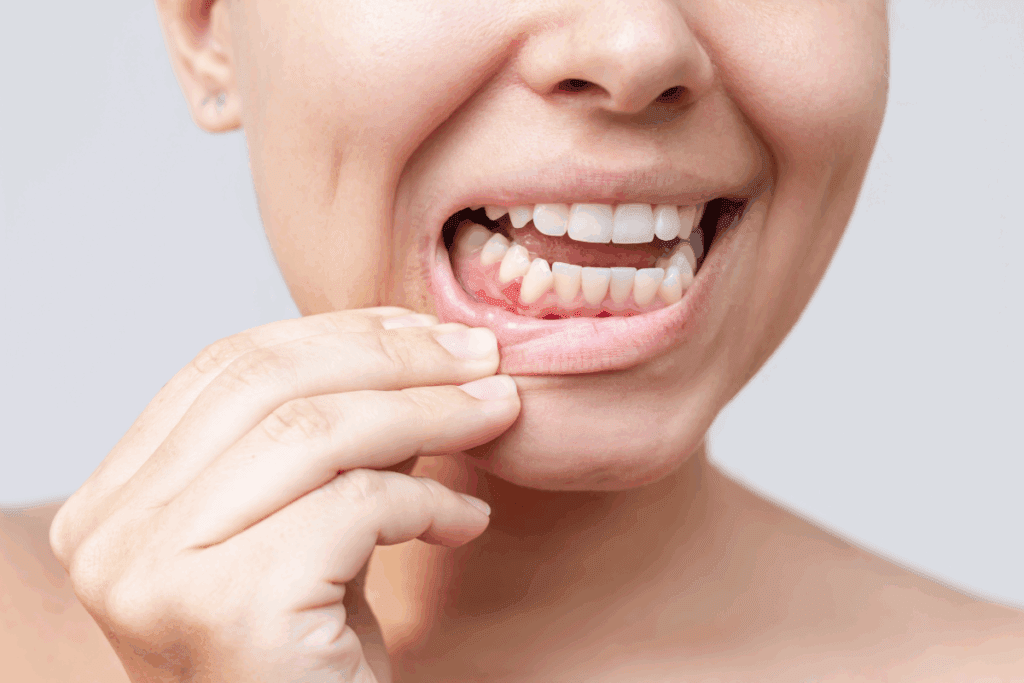
Seeing a lump in your mouth, like inside your cheek, can worry you. Knowing about oral anatomy and growths helps. Oral lumps can have different causes and meanings.
Normal Anatomy of the Inner Cheek
The inner cheek, or buccal mucosa, is a common spot for growths. It’s usually smooth. Understanding the normal anatomy helps spot oddities. The area has lots of blood vessels and small salivary glands, which can lead to problems.
Distinguishing Between Normal Tissue and Growths
Telling normal bumps from abnormal ones is key. Some lumps are just normal, while others might be a sign of something wrong. For example, a cheek lump could be harmless, a cyst, or an infection.
| Characteristics | Normal Tissue | Abnormal Growths |
|---|---|---|
| Appearance | Smooth, uniform | Irregular, varied |
| Texture | Soft, flexible | Firm, hard, or soft |
| Pain | Generally painless | May be painful or painless |
Psychological Impact of Discovering a Mouth Lump
Finding a lump in your cheek can really stress you out. It’s normal to worry about what it could be. Seeking professional advice can ease your mind by giving a clear diagnosis and treatment plan.
Knowing most oral lumps are not serious can help calm you down. But, it’s important to get any new or changing lump checked by a doctor. They can figure out what it is and how to handle it.
Common Causes of a Lump Inside of Cheek in Mouth

A lump inside the cheek can come from many sources. These include injuries, infections, and growths that are either benign or cancerous. Knowing the cause is key to figuring out what to do next.
Traumatic Injuries from Biting or Dental Work
Many lumps inside the cheek come from accidents or dental work. These injuries can cause swelling and a lump. Usually, these go away on their own. But, if the lump doesn’t go away or if you have other symptoms, you should see a doctor.
Bacterial and Viral Infections
Infections can also cause lumps inside the cheek. Bacterial infections like abscesses and viral infections like herpes simplex can show up as lumps. It’s important to treat these infections quickly to avoid bigger problems. Knowing what kind of infection you have helps your doctor choose the best treatment.
Benign Growth Development
Benign growths, like oral fibromas and mucoceles, are common too. These are usually not cancerous and can come from irritation or other reasons. Even though they’re not harmful, they can be uncomfortable. If they’re bothering you or getting in the way, your doctor might need to remove them.
Potential Malignant Conditions
Some lumps inside the cheek might be signs of something serious. It’s very important to have any unusual lump checked by a doctor to make sure it’s not cancer. Finding and treating it early is the best way to get a good outcome.
Mucoceles: Fluid-Filled Cysts in the Mouth
A lump inside the cheek or lip can be scary, but often it’s just a harmless mucocele. Mucoceles are benign cysts that happen when a salivary gland duct gets blocked or damaged. They are quite common and can affect anyone, no matter their age.
Formation Mechanism of Mucous Retention Cysts
Mucoceles form when a salivary gland duct gets blocked or damaged. This leads to mucin, a thick protective fluid, building up. The gland swells, creating a cyst. The blockage can be caused by trauma, infection, or ductal obstruction.
Key factors contributing to mucocele formation include:
- Traumatic injury to the mouth or lip
- Infection or inflammation of the salivary gland
- Obstruction of the salivary gland duct
Typical Size and Appearance
Mucoceles can be small or quite large, ranging from a few millimeters to several centimeters. They look like smooth, translucent, or bluish lumps. Their size and color can change based on where they are and how much mucin they have.
Oral pathology experts say mucoceles are soft and can change size over time.
Prevalence in 15-35 Age Group
Mucoceles are more common in people between 15 and 35 years old. This age group is more likely to get injured or experience other factors that lead to mucocele formation.
| Age Group | Prevalence of Mucoceles |
|---|---|
| 15-25 years | Higher incidence due to increased risk of trauma |
| 26-35 years | Moderate incidence, often related to other oral health issues |
| 36 years and above | Lower incidence, but can happen due to various factors |
Self-Resolving vs. Persistent Mucoceles
Some mucoceles might go away on their own, if the cause is fixed. But others can stay or come back if not treated right. The size of the mucocele, where it is, and any health issues can affect if it goes away.
Seeing a healthcare professional for the right treatment is key to avoid problems.
Oral Fibromas: Benign Growths from Chronic Irritation
Oral fibromas are benign growths in the mouth, often from chronic irritation. They are common and can be caused by cheek biting or dental appliance friction. Knowing about oral fibromas helps in diagnosing and treating them.
Sources of Chronic Irritation
Several things can cause chronic irritation leading to oral fibromas. Cheek biting is a common cause, as it can cause repeated trauma to the tissue, leading to a fibroma. Also, dental appliance friction from ill-fitting dentures or orthodontic devices can irritate the oral mucosa, resulting in these benign growths.
Characteristics of Oral Fibromas
Oral fibromas are firm and smooth. They are usually painless and can vary in size. Their surface is often the same color as the surrounding mucosa, making them less noticeable unless they become large enough to be felt or seen.
Common Locations
These benign growths are commonly found on the inner lining of the cheeks, along the buccal mucosa, and sometimes on the lower lip. Their location is often related to the source of irritation; for example, a fibroma caused by cheek biting is likely to be found on the inner cheek.
Growth Patterns and Limitations
Oral fibromas grow slowly and are limited in size. They do not typically become malignant, but their presence can be bothersome, specially if they are large or in a sensitive location. Understanding their growth patterns helps in managing expectations for treatment and recurrence.
| Characteristics | Description |
|---|---|
| Texture | Firm and Smooth |
| Common Locations | Inner cheek lining, Buccal mucosa, Lower lip |
| Causes | Cheek biting, Dental appliance friction |
| Growth Pattern | Slow-growing, Benign |
Salivary Gland Tumors and Their Characteristics
Salivary gland tumors are a wide range of growths that can happen in both big and small salivary glands. They can really affect a person’s life, based on their type and where they are.
Minor vs. Major Salivary Gland Involvement
Salivary gland tumors can happen in both small and big salivary glands. Each has its own impact. Big salivary glands are the parotid, submandibular, and sublingual. Small salivary glands are found all over the mouth.
Key differences between minor and major salivary gland tumors:
| Characteristics | Minor Salivary Gland Tumors | Major Salivary Gland Tumors |
|---|---|---|
| Location | Throughout the oral cavity | Parotid, submandibular, sublingual glands |
| Frequency | Less common than major gland tumors | More common |
| Malignancy Rate | Higher proportion of malignant tumors | Lower proportion of malignant tumors |
Benign Tumors (75-80% of Cases)
Most salivary gland tumors are not cancerous, with pleomorphic adenoma being the most common. These tumors grow slowly and don’t hurt.
Characteristics of benign salivary gland tumors include:
- Smooth, well-defined borders
- Slow growth rate
- Usually painless
Malignant Salivary Gland Tumors
Even though rare, cancerous salivary gland tumors can grow fast and need quick treatment. Mucoepidermoid carcinoma and adenoid cystic carcinoma are examples.
Features that may indicate malignancy:
- Rapid growth
- Pain or tenderness
- Ulceration or bleeding
- Nerve paralysis or weakness
Mobility and Texture as Diagnostic Clues
The way a tumor moves and feels can tell us a lot about it. Benign tumors are easy to move and feel firm. Malignant tumors are stuck in place and feel hard or uneven.
Knowing these signs is key for figuring out what a tumor is and how to treat it. Doctors use a detailed check-up, imaging, and biopsies to find out about a tumor.
Other Benign Oral Growths You Might Encounter
The mouth can have many types of benign growths, not just the usual ones. We’ve talked about common cheek lumps, but there are others. These include lipomas, papillomas, tori, exostoses, and lymphoepithelial cysts, each with its own look.
Lipomas: Soft Fatty Tissue Masses
Lipomas are soft, fatty tumors in the mouth. They feel like a lump under the mucosa. Usually, they don’t cause problems but can be removed if they do.
“Lipomas are benign growths that can occur almost anywhere in the body, including the mouth,” as noted by oral pathology experts. Their exact cause is often unclear, but they are thought to result from abnormal fat tissue growth.
Papillomas: Wart-Like Growths
Papillomas are wart-like growths caused by the human papillomavirus (HPV). They look like small, finger-like projections or cauliflower-like masses. Papillomas are usually benign and can be removed surgically or with laser therapy.
Tori and Exostoses: Bony Outgrowths
Tori and exostoses are bony growths in the jaw. Tori are found on the palate or lingual surface of the mandible, while exostoses appear on the buccal or palatal surfaces. These growths are usually harmless and may be left alone unless they cause issues with denture fit or oral hygiene.
- Tori are benign bony growths often seen on the palate.
- Exostoses can occur on various surfaces of the jaw.
- These growths are generally not harmful.
Lymphoepithelial Cysts
Lymphoepithelial cysts are benign lesions in the oral cavity, often in the floor of the mouth or on the tongue. They are lined by epithelium and contain lymphoid tissue. These cysts are typically small and can be removed surgically.
In conclusion, while these benign oral growths can be alarming, most are harmless and can be treated effectively. It’s essential to consult a healthcare professional for an accurate diagnosis and appropriate management.
Recurrence Rates and Long-Term Outcomes
It’s important to know how often benign oral growths come back. We’ll look at why they return and what affects their coming back.
Why Benign Growths Return
Benign oral growths, like mucoceles and oral fibromas, can come back. This happens if they’re not fully removed or if they keep getting irritated. Research shows that 10-40% of these growths can return.
The reason they come back often depends on the growth itself and how well it was treated. For example, mucoceles might come back if the problem that caused them isn’t fixed.
Factors Affecting Recurrence Risk
Several things can make it more likely for benign oral growths to come back. These include:
- The type and nature of the growth
- How well the growth was removed or treated
- If the area keeps getting irritated or hurt
- Things about the patient, like how well they take care of their mouth
| Factor | Influence on Recurrence |
|---|---|
| Type of Growth | Different growths have different chances of coming back |
| Completeness of Removal | If not all of the growth is removed, it’s more likely to come back |
| Continued Irritation | Keeping the area irritated or hurt can make it come back |
Monitoring Previously Treated Sites
It’s key to keep an eye on areas where growths have been treated before. Regular check-ups with a healthcare provider can help spot any signs of growths coming back.
Patients can also help by taking good care of their mouth and watching for any changes. Catching growths early can make treatment easier.
Diagnostic Process for Oral Lumps
Figuring out what an oral lump is involves several steps. When someone notices a lump in their cheek, doctors use a detailed process to find out why and how to treat it.
Initial Clinical Examination Techniques
The first step is a thorough check-up. Doctors look at the lump, noting its size, color, and feel. They also check how it moves by touch. “A careful clinical examination is key to figuring out what to do next,” say dental experts.
Imaging Studies (X-rays, CT, MRI)
Next, doctors might use imaging tests. X-rays show if bones are involved. CT scans give detailed views. MRI scans are best for soft tissues, helping tell if a growth is harmless or not. These tests help doctors understand the lump better.
Biopsy Methods and Importance
A biopsy is often the most important test. Doctors use different methods to take tissue samples. The choice depends on the lump and what it might be. Looking at the tissue under a microscope is key to making a diagnosis.
Laboratory Tests for Differential Diagnosis
Lab tests also help figure out what a lump is. Blood tests check for infections or other diseases. Special tests can find markers for certain cancers.
By using what they see, what tests show, and what biopsies reveal, doctors can accurately diagnose a lump. This detailed approach helps ensure patients get the right treatment for their specific issue.
Treatment Options for Different Types of Cheek Lumps
Different cheek lumps need different treatments. These range from simple care to complex medical steps. The right treatment depends on the lump’s type, size, and how it affects your health.
Conservative Management Approaches
For most cheek lumps, like mucoceles or small fibromas, simple care works first. This means watching the lump, avoiding things that might irritate it, and keeping your mouth clean. Sometimes, a saltwater rinse or cream can help with swelling and healing.
A leading oral pathology expert says, “Simple care is best for small, harmless lumps that don’t bother you much.” (
This method is good because it avoids big surgeries.
)
Surgical Excision Techniques
For bigger or lasting lumps, surgery might be needed. This means taking out the lump and some of the tissue around it. This helps make sure the lump is gone for good and lowers the chance it will come back. The surgery method depends on where the lump is and your health.
| Treatment Approach | Indications | Benefits |
|---|---|---|
| Surgical Excision | Large or persistent lumps, suspected malignancy | Definitive diagnosis, complete removal |
| Conservative Management | Small, benign lumps, patient preference | Avoids surgery, preserves tissue |
Medication-Based Interventions
Medicine can also treat cheek lumps, like if they’re caused by an infection or inflammation. Doctors might give you creams or pills to fight the cause. This can help without needing surgery.
Medicine can help manage symptoms and treat the cause without surgery.
Advanced Treatments for Malignant Conditions
If a cheek lump is cancer, treatments like radiation or chemotherapy might be needed. The plan depends on the cancer type, how far it has spread, and your health. Early treatment is key to fighting cancer well.
Early detection and treatment are very important for cancer. If you notice a lump, see a doctor right away.
Red Flags: When to Seek Immediate Medical Attention
Notice any red flags about a lump in your cheek? It’s time to get medical help right away. These signs might mean a serious issue that needs quick attention.
Sores or Raised Patches Lasting Over Two Weeks
Got a sore or raised patch in your mouth that won’t go away after two weeks? It’s a sign to see a doctor. Non-healing sores could mean a problem that needs fixing. Don’t hesitate to get checked out.
Persistent Bleeding or Pain
Seeing blood or feeling pain from a cheek lump? That’s a red flag. Unexplained bleeding or pain could mean something serious, like cancer. Don’t ignore these signs.
Rapid Growth or Appearance Changes
A lump that grows fast or changes shape is a worry. Rapid growth might mean cancer. Any changes need a doctor’s check-up fast.
Difficulty Speaking, Chewing, or Swallowing
Can’t speak, chew, or swallow because of a cheek lump? You need to see a doctor fast. Difficulty with these basic functions could mean a big problem that needs fixing.
Knowing these red flags and acting quickly can help a lot. If you’re seeing any of these signs, see a doctor right away. They can help figure out what’s going on and what to do next.
Self-Examination and Preventive Measures
Regular self-examination and preventive measures are key for good oral health. By being proactive, you can spot issues early and keep your mouth healthy.
Monthly Oral Self-Examination Techniques
Doing a monthly self-exam of your mouth is important. It helps find things like a lump inside your cheek or other growths. Here’s how to do it right:
- Use a mirror and good lighting to inspect your mouth thoroughly.
- Look for any changes in the color, texture, or shape of your oral tissues.
- Check for lumps, bumps, or sores that don’t heal.
- Gently feel your mouth with your fingers to detect any abnormalities.
Regular self-exams let you take control of your oral health.
Reducing Chronic Irritation Sources
Chronic irritation can cause benign growths in the mouth. To avoid this, try these tips:
- Avoid chewing on the inside of your cheeks or lips.
- Ensure proper fitting of dental appliances to prevent friction.
- Be mindful of your oral habits, such as teeth grinding or clenching.
By cutting down on chronic irritation, you can lower your risk of oral problems.
Importance of Regular Dental Check-ups
Regular dental check-ups are vital for good oral health. Your dentist can:
- Inspect your mouth for signs of oral health issues.
- Provide professional cleaning to remove plaque and tartar.
- Offer personalized advice on oral care and prevention.
Regular check-ups can catch problems early, like a lump on the inside of your cheek.
Lifestyle Factors Affecting Oral Health
Your lifestyle choices greatly affect your oral health. Consider these factors:
- Diet: A balanced diet rich in fruits, vegetables, and whole grains supports oral health.
- Smoking: Tobacco use can increase the risk of oral health issues, including cancer.
- Hydration: Drinking plenty of water helps keep your mouth moist and clean.
By making smart lifestyle choices, you can help keep your mouth healthy and reduce oral problems.
Conclusion
Knowing why a lump forms inside your cheek is key to keeping your mouth healthy. We’ve looked at different kinds of lumps and what might cause one under your lip. This includes harmless growths and other issues.
It’s important to watch for signs like bleeding, pain, or trouble speaking and swallowing. These could mean you need to see a doctor right away. Regular checks with your dentist and self-exams can help catch problems early.
Being informed and taking steps to prevent issues can help avoid bigger problems. If you notice anything odd in your mouth, don’t hesitate to talk to a healthcare expert. They can help you get the right care and support.
FAQ
What is a lump inside the cheek?
A lump inside the cheek is an abnormal growth or swelling. It happens on the inner cheek lining. It can be caused by injuries, infections, or even cancer.
What are the common causes of a lump inside the cheek?
Common causes include injuries from biting or dental work. Also, infections, benign growths, and cancer can cause lumps.
What is a mucocele, and how does it form?
A mucocele is a fluid-filled cyst. It forms when a salivary gland duct is blocked. This usually happens due to trauma, leading to mucin buildup. It often appears on the lower lip or inside the cheek.
Are mucoceles likely to resolve on their own?
Some mucoceles might go away on their own. But others can stay and might need surgery or other treatments.
What is an oral fibroma, and how does it develop?
An oral fibroma is a benign growth. It develops from chronic irritation, like cheek biting. It forms a firm, smooth mass.
Can benign oral growths recur after treatment?
Yes, benign oral growths can come back. The chance of recurrence varies. It depends on the type of growth and how well it was removed.
How are oral lumps diagnosed?
Diagnosis starts with a clinical exam. Then, imaging studies like X-rays or MRI scans might be used. Biopsy and lab tests help make a diagnosis.
What are the treatment options for cheek lumps?
Treatment depends on the diagnosis. Options include conservative management, surgery, medication, or treatments for cancer.
When should I seek immediate medical attention for a lump inside my cheek?
Seek immediate medical attention for sores or patches lasting over two weeks. Also, for persistent bleeding, pain, rapid growth, or trouble speaking, chewing, or swallowing.
How can I reduce the risk of developing oral lumps?
To reduce risk, avoid chronic irritation. Do monthly oral self-exams. Get regular dental check-ups. A healthy lifestyle helps too.
What is the significance of regular dental check-ups in oral health?
Regular dental check-ups are key for oral health. They help catch issues early, like lumps inside the cheek. This prevents bigger problems.
Can a benign tumor in the mouth become malignant?
Most benign tumors stay benign. But, some can turn cancerous. So, it’s important to get them checked by a professional.
What are the symptoms of a potentially malignant oral condition?
Symptoms include persistent sores, raised patches, or lumps. Also, bleeding, pain, or trouble with oral functions. These need prompt medical evaluation.
References
National Health Service (NHS). Evidence-Based Medical Guidance. Retrieved from https://www.nhs.uk/conditions/mouth-ulcers-and-lumps/



 Departments
 Related Videos
 Our Doctors
 News
News