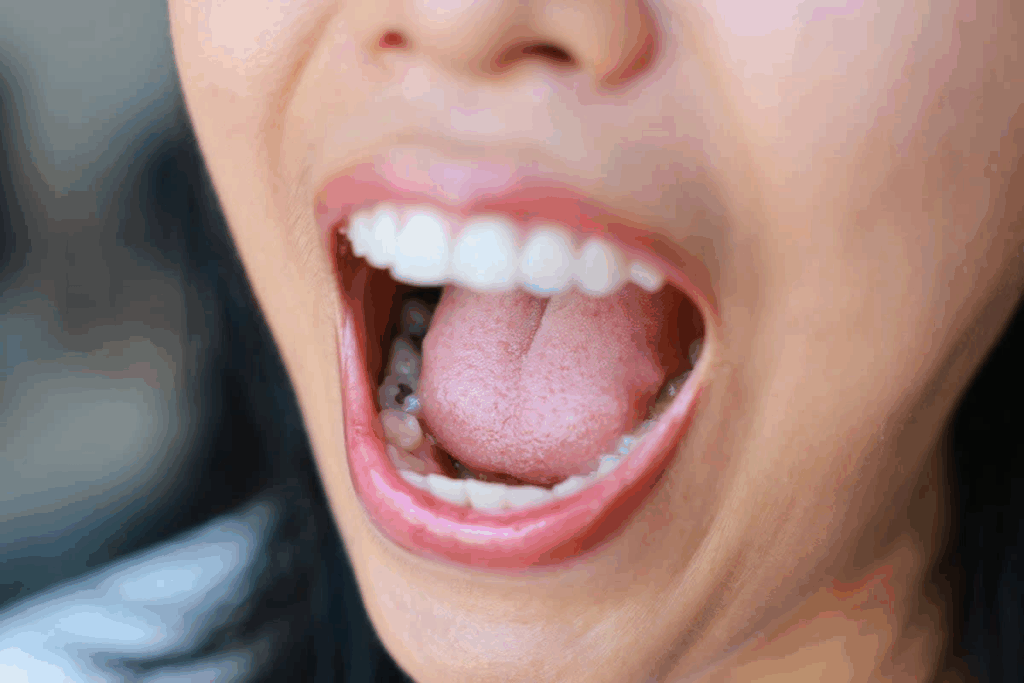
Discovering a lump under your tongue can be worrying. But knowing what causes it can help you get the right help. At Liv Hospital, we use our knowledge and advanced tools to find out what the lump is.
Most little lumps under the tongue are not serious and go away by themselves. But if a lump is big, hard, or hurts, you should see a doctor. We’ll help you understand why you might have a lump, from something harmless to something that needs treatment.
Key Takeaways
- Most lumps under the tongue are benign.
- Professional evaluation is necessary for persistent or painful lumps.
- Advanced diagnostic imaging helps identify the nature of oral lumps.
- Understanding the causes of lumps under the tongue is key for the right care.
- Liv Hospital offers a patient-centered approach to diagnosing and treating oral lumps.
Understanding Lump Under Tongue in Mouth: Common Causes

A lump under the tongue is quite common. Knowing why it happens is key to treating it. These lumps can stem from many things, like normal body parts or serious health issues.
Normal Anatomical Structures vs. Abnormal Growths
It’s important to tell normal body parts from abnormal growths. Normal parts might be the lingual frenulum or salivary gland ducts. But, abnormal growths could mean problems like cysts, tumors, or infections.
Ranulas, fluid-filled cysts from damaged salivary glands, are a common issue. They can swell under the tongue, causing pain or trouble swallowing.
Risk Factors for Developing Oral Lumps
Several things can lead to lumps under the tongue. These include:
- Trauma to the mouth or tongue
- Infections, such as viral or bacterial infections
- Blockages in the salivary glands
- Poor oral hygiene
Knowing these risk factors can help prevent some lumps under the tongue.
Cause | Description | Symptoms |
Ranulas | Fluid-filled cysts due to damaged salivary glands | Swelling under the tongue, difficulty swallowing |
Infections | Viral or bacterial infections | Pain, swelling, redness |
Trauma | Injury to the tongue or mouth | Pain, swelling, bruising |
Many bumps under the tongue are not serious and can heal by themselves. But, if a bump doesn’t get better, grows, or makes talking or swallowing hard, see a doctor. They can check it out and give the right treatment.
Types of Soft Lumps and Their Characteristics

Soft lumps under the tongue can take many forms, like ranulas, mucoceles, and lymphoepithelial cysts. Each has its own traits. Knowing these differences helps figure out what’s causing the lump and how to treat it.
Ranulas: Fluid-Filled Salivary Cysts
A ranula is a soft, swollen lump on the floor of the mouth. It can be flesh-colored or dark blue. Ranulas are usually 2 to 3 centimeters in diameter before they start to cause problems. They might go away when they burst but can come back if they get irritated by saliva.
Ranulas often happen because of blocked salivary gland secretions. They might not cause any symptoms, but big ones can make it hard to speak, eat, or swallow.
Mucoceles: Formation and Appearance
Mucoceles are soft lumps that can form under the tongue. They happen when a minor salivary gland duct bursts, causing mucin to build up. Mucoceles are usually bluish or translucent and can be any size. They’re often painless unless they get irritated or infected.
Mucoceles often start after mouth trauma, like biting the tongue or lip. They can pop up anywhere in the mouth but are common under the tongue.
Lymphoepithelial Cysts and Oral Lymphoid Tissue
Lymphoepithelial cysts are benign growths in the mouth, including under the tongue. They have a lining of epithelium and contain lymphoid tissue. These cysts are usually small and don’t cause any trouble but might be removed if they’re uncomfortable or for testing.
It’s key to know about these soft lumps to get the right diagnosis and treatment. If you see any unusual growths or lumps under your tongue, see a healthcare professional for a proper check-up and care.
White Bumps Under the Tongue: Identification Guide
Discovering a white sore bump under your tongue is common. There are many reasons for this, from simple to serious. Knowing the causes and signs is key to figuring out what it is and how to treat it.
Transient Lingual Papillitis: “Lie Bumps”
Transient lingual papillitis, or “lie bumps,” are small, painful bumps on the tongue. They can be white or red and hurt when touched. These bumps are usually harmless and go away in a few days.
Causes and Symptoms: The exact reason for “lie bumps” is not known. But stress, hormonal changes, or irritation from food or dental work might trigger them. You might feel pain or discomfort, more so when eating or drinking.
Oral Thrush and Candida Infections
Oral thrush is caused by too much Candida yeast in the mouth. It shows up as white patches or bumps on the tongue and other parts of the mouth. It’s more common in older adults, babies, and those with weak immune systems.
Identifying Oral Thrush: Oral thrush has white, creamy patches that can be wiped off, showing a red surface underneath. You might also feel soreness, have trouble swallowing, or notice cracks at the corners of your mouth.
Fibroma and Other Benign White Growths
Fibromas are non-cancerous growths that can appear in the mouth, including under the tongue. They are firm, painless, and can be white or flesh-colored. It’s important to have any new growths checked by a healthcare professional.
Characteristics of Fibroma: Fibromas grow slowly and can be different sizes. They are usually not a concern but can be removed if they cause discomfort or for looks.
Condition | Appearance | Symptoms | Treatment |
Transient Lingual Papillitis | Small, white or red bumps | Painful, tender to touch | Resolves on its own |
Oral Thrush | White, creamy patches | Soreness, difficulty swallowing | Antifungal medication |
Fibroma | Firm, painless, white or flesh-colored growth | Usually none, can be discomfort if large | Monitoring or surgical removal |
Painful Lumps: Causes and Recognition
Seeing a painful lump under your tongue can be scary. These lumps can come from many things like canker sores, injuries, or infections. Knowing what causes them is key to handling them right.
Canker Sores and Aphthous Ulcers
Canker sores, or aphthous ulcers, are small, shallow spots in your mouth. They can appear under your tongue and are not contagious. But, they can hurt a lot, making it hard to eat or talk.
Doctors don’t know for sure why canker sores happen. But they think it might be from stress, injury, or your immune system. These sores usually heal in a week or two. But sometimes, they don’t go away or keep coming back.
Trying to manage stress and avoiding foods that irritate your mouth can help. This might make the sore feel better.
Trauma-Related Swellings and Hematomas
Getting hurt in your mouth, like biting your tongue, can cause swellings or hematomas. These are painful and might show as bruises. The swelling will go down as it heals. But sometimes, it can get infected.
Watching the swelling is important. If it doesn’t go away or if you have trouble swallowing or speaking, see a doctor.
Bacterial and Viral Infection-Related Painful Lumps
Infections can also cause painful lumps under your tongue. For example, oral thrush, a fungal infection, can cause white patches and redness. Viral infections like herpes simplex virus can lead to painful blisters.
It’s important to know the signs of infection to get treatment quickly.
- Persistent pain or discomfort
- Redness or swelling
- White or yellowish patches
- Difficulty swallowing or speaking
If you notice these symptoms, see a healthcare professional. They can diagnose and treat you properly.
Hard Lumps Under the Tongue: When to Be Concerned
Seeing a hard lump under your tongue can be scary. But knowing when to get help is key. Hard lumps can come from many things, some of which need a doctor’s care. We’ll look at why these lumps happen and when you should worry.
Salivary Gland Stones (Sialoliths): Formation and Symptoms
A hard lump under the tongue might be a salivary gland stone. These stones form when saliva minerals crystallize in gland ducts. A stone in the sublingual gland can cause pain and a sore bump.
Symptoms of salivary gland stones include:
- Pain or swelling under the tongue
- Difficulty swallowing or opening the mouth
- Pain when eating or drinking
- A palpable lump under the tongue
A study in the Journal of Oral and Maxillofacial Surgery found sialolithiasis is more common in the submandibular gland. But it can also happen in the sublingual gland.
Symptoms | Possible Causes |
Pain or swelling under the tongue | Salivary gland stones |
Difficulty swallowing or opening the mouth | Infection or obstruction |
Pain when eating or drinking | Salivary gland dysfunction |
Persistent Hard Growths and Their Significance
Not all hard lumps under the tongue are from stones. Some might be benign tumors or cysts. But, some hard growths can mean a serious problem.
It’s important to watch any lump under your tongue. See a doctor if it doesn’t go away or if you have other symptoms.
“The presence of a hard lump under the tongue, specially if it’s persistent or growing, warrants a thorough examination by a healthcare professional to rule out any serious underlying conditions.” – Medical Expert, Oral Surgeon
Warning Signs That Require Immediate Medical Attention
While most lumps are harmless, some need quick medical check-up. Look out for:
- Rapid growth or change in size
- Persistent pain or discomfort
- Difficulty swallowing or speaking
- Unexplained bleeding or discharge
- Fever or other signs of infection
Discovering a hard lump under your tongue can be worrying. Some lumps are okay, but others might be serious. Knowing the causes and warning signs helps you take care of your health.
Diagnosing Lumps Under Your Tongue
Diagnosing a lump under the tongue involves self-examination, medical history, and tests. If you find a lump, it’s normal to worry. But, a careful approach helps find the cause.
Self-Examination Techniques and Tools
Start by examining yourself to learn about the lump. Use a mirror and bright light to see its size, color, and if it hurts. Touch it gently to check its feel and softness.
Also, note any changes, like growth or feeling changes. While self-checks are useful, seeing a doctor is key for a proper check-up.
What Healthcare Providers Look For During Examination
Doctors will closely look at the lump and might check other mouth and throat areas. They’ll also look at your medical history to find possible causes.
Doctors know how to tell different lumps apart, from harmless to serious ones. Their check is vital for figuring out what to do next.
Diagnostic Tests: Imaging, Biopsy, and Laboratory Analysis
Tests might be needed based on the first findings. These could be X-rays or ultrasounds to see the lump and around it. Sometimes, a biopsy is done to look at tissue closely.
Lab tests on biopsy samples can give a clear diagnosis. They help find out if it’s a simple growth or something more serious.
Knowing how to diagnose a lump under your tongue can ease worries. By doing self-checks, getting a doctor’s opinion, and doing tests, doctors can find and treat the cause.
Potential Serious Conditions: HPV and Cancerous Growths
Many lumps under the tongue are harmless, but some can signal serious issues like HPV-related oral lesions or cancer. It’s important to know the risks and when a lump might be serious.
HPV-Related Oral Lesions and Their Appearance
HPV can lead to oral cancer. Some HPV types are high-risk for cancer. HPV-related oral lesions can appear as lumps under the tongue, often without pain at first.
Key characteristics of HPV-related oral lesions include:
- Appearance as small, white or red patches
- Possible development into lumps or growths
- Location under the tongue or elsewhere in the oral cavity
Floor of Mouth Cancer: Early and Advanced Signs
Floor of mouth cancer happens under the tongue. Early signs are often small lumps or swelling. As it gets worse, symptoms like pain, trouble swallowing, or speech changes may appear.
Advanced signs that require immediate medical attention:
- Persistent lumps or swelling
- Pain or discomfort that doesn’t resolve
- Difficulty swallowing or speaking
- Unexplained bleeding or numbness
Risk Factors and Prevention of Oral Malignancies
Knowing the risk factors for oral cancer is key to prevention. These include HPV, tobacco, too much alcohol, and a poor diet. Good oral hygiene, HPV vaccination, and avoiding risk factors can lower cancer risk.
Prevention strategies include:
- Getting vaccinated against HPV
- Avoiding tobacco products
- Limiting alcohol consumption
- Maintaining a balanced diet rich in fruits and vegetables
- Regular dental check-ups for early detection
Treatment Options for Different Types of Tongue Lumps
Treating lumps under the tongue depends on the cause. There are many possible causes, from small irritations to serious health issues. This means treatment options vary a lot.
Home Remedies and Self-Care for Minor Bumps
Minor bumps, like canker sores or small mucoceles, can be treated at home. Here are some ways:
- Rinsing with warm salt water helps with healing and reduces swelling.
- Stay away from spicy or sharp foods to avoid making the bump worse.
- Use a soft-bristled toothbrush to gently clean the area.
- Don’t use tobacco products, as they can make oral health problems worse.
If you have a painful lump under the tongue, you can try over-the-counter pain relievers. But, if the lump doesn’t go away or if you have other symptoms, see a doctor.
Medical Interventions for Benign Conditions
For benign conditions like ranulas or mucoceles, you might need medical help. This could be:
- Asteroid or laser treatment to remove the bump.
- Surgery might be needed if the bump is big or bothersome.
- Watching it over time, as some bumps might go away by themselves.
Condition | Treatment Approach | Typical Outcome |
Canker Sores | Topical treatments, pain management | Healing within 1-2 weeks |
Mucoceles | Surgical removal or observation | Resolution or significant reduction |
Ranulas | Surgical intervention or marsupialization | Effective management of symptoms |
Treatment Approaches for Serious Conditions
For serious issues like oral cancer or HPV-related lesions, treatment is more complex. It often involves a team of doctors. This can include:
- Surgery to remove the tumor or affected area.
- Radiation therapy to kill cancer cells.
- Chemotherapy, used alone or with other treatments.
- Targeted therapy, focusing on specific cancer molecules.
Early treatment is key for serious conditions. Regular dental visits and self-checks can help catch problems early.
Conclusion: Maintaining Oral Health and When to Seek Professional Help
Good oral health is key to feeling your best. A lump under the tongue can worry you. Some bumps might go away on their own, but it’s smart to keep an eye on them.
If a bump under your tongue doesn’t get better, gets worse, or hurts your eating or talking, see a doctor. A healthcare expert can check the lump and figure out what it is.
Spotting and treating oral health problems early is very important. Knowing what causes lumps under the tongue and when to see a doctor helps keep your mouth healthy.
Stay alert to your mouth’s health and talk to a doctor if you notice a lump. Regular dental visits and good oral care can stop problems before they start. This keeps you healthy overall.
FAQ
What are the common causes of lumps under the tongue?
Lumps under the tongue can come from many sources. These include normal body parts, abnormal growths, and infections. Common causes include ranulas, mucoceles, lymphoepithelial cysts, canker sores, and salivary gland stones.
Are lumps under the tongue a sign of a serious condition?
Many lumps under the tongue are harmless. But, some can signal a serious issue, like HPV-related oral lesions or floor of mouth cancer. If you find a lump, see a healthcare professional for a check-up.
How can I identify a white bump under my tongue?
White bumps under the tongue can have different causes. These include transient lingual papillitis, oral thrush, and fibroma. Look at the bump’s size, shape, and texture. Also, notice any pain or discomfort.
What are the symptoms of a painful lump under the tongue?
Painful lumps can be from canker sores, trauma, or infections. Symptoms include pain, redness, swelling, and trouble swallowing or speaking.
How are lumps under the tongue diagnosed?
Diagnosing lumps involves self-examination, a healthcare provider’s check, and tests. These tests include imaging, biopsy, and lab analysis.
What are the treatment options for lumps under the tongue?
Treatment depends on the cause. Options range from home remedies to medical treatments for serious conditions. This might include surgery, radiation, or chemotherapy.
Can I treat a lump under my tongue at home?
Minor bumps might be treated with home remedies. These include saltwater rinses, topical creams, and good oral hygiene. But, if the lump doesn’t go away or gets worse, see a doctor.
How can I prevent lumps under the tongue?
To prevent lumps, keep your mouth clean. Avoid irritants like tobacco and spicy foods. Also, manage conditions like oral infections or salivary gland disorders.
What are the risk factors for developing oral lumps?
Risk factors include tobacco use, poor oral hygiene, certain medical conditions, and HPV infection.
When should I seek medical attention for a lump under my tongue?
If a lump persists, grows, or causes pain, difficulty swallowing, or bleeding, get medical help right away.
References
National Center for Biotechnology Information. Evidence-Based Medical Guidance. Retrieved from https://www.ncbi.nlm.nih.gov/books/NBK513250/



 Departments
 Related Videos
 Our Doctors
 News
News