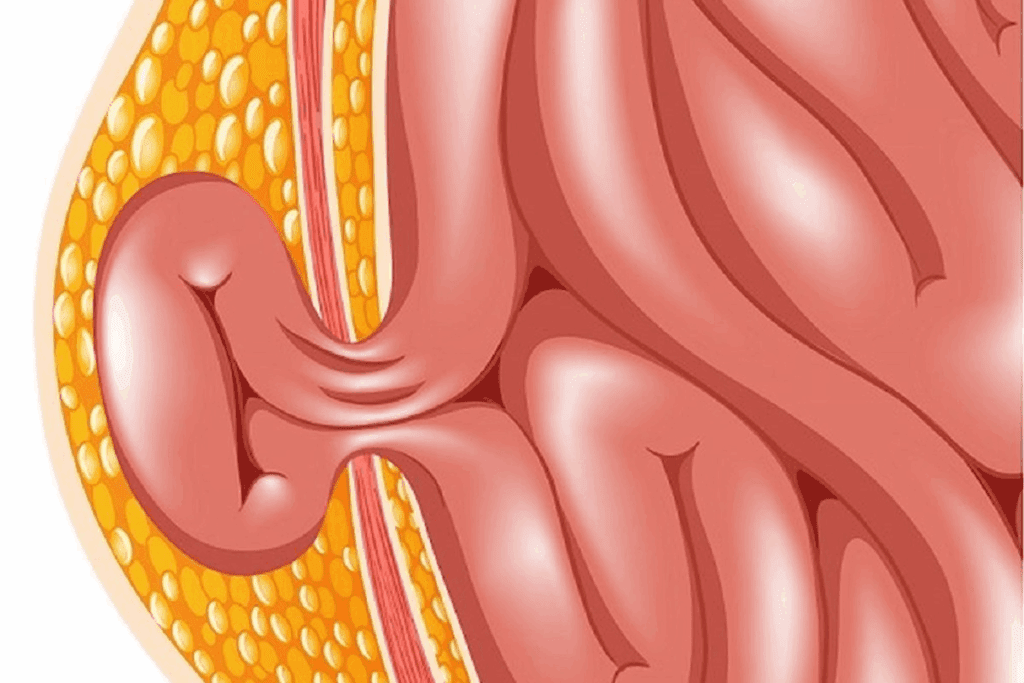
Breast cancer affects millions of women worldwide. For many, breast-conserving surgery, or lumpectomy, is a key treatment. The main worry for patients is the discomfort they might feel.Get surprising facts on lumpectomy pain. Our expert guide details what to expect and the best, proven tips for managing discomfort.
Thinking about surgery can be scary. It’s normal to worry about the pain it might cause. We’ll look at the lumpectomy discomfort you might face. We’ll talk about what to expect during and after surgery, and how to manage it.
Key Takeaways
- Understanding the level of pain associated with lumpectomy surgery
- Exploring pain management strategies for a comfortable recovery
- What to expect during and after the surgery
- The importance of post-op care in minimizing discomfort
- How breast-conserving surgery can impact overall well-being
Understanding Lumpectomy Surgery

Understanding lumpectomy surgery is key for those facing breast cancer treatment choices. Lumpectomy, or breast-conserving surgery, removes the tumor and some surrounding tissue. It aims to keep most of the breast intact.
What is a Lumpectomy?
A lumpectomy is a surgery that takes out a breast tumor and some normal tissue around it. After, radiation therapy is used to kill any cancer cells left behind. This helps lower the chance of cancer coming back.
The main goal of a lumpectomy is to remove the cancer while keeping as much of the breast as possible. This helps the breast look and feel more natural.
Why Lumpectomies Are Performed
Lumpectomies treat early-stage breast cancer. The choice to have a lumpectomy depends on the tumor’s size and location, and the patient’s health and wishes.
This surgery is usually for patients with small tumors in one area of the breast. It’s also for those who want to keep their breast’s natural look.
Lumpectomy vs. Mastectomy
Choosing between lumpectomy and mastectomy depends on several things. These include the cancer’s stage, the tumor’s size compared to the breast, and the patient’s preference.
Lumpectomy is often chosen for early-stage breast cancer. It keeps most of the breast tissue. Mastectomy is usually for bigger tumors or when there’s a higher risk of cancer coming back.
What to Expect During Lumpectomy Surgery

Lumpectomy surgery is a key step in treating breast cancer. It involves removing a breast tumor. Knowing what happens during the surgery can ease worries and prepare patients.
Types of Anesthesia Used
Anesthesia is used to reduce pain during lumpectomy surgery. The choice of anesthesia depends on the specifics of the case and the preference of the surgical team. Patients usually get local anesthesia with sedation or general anesthesia.
- Local Anesthesia with Sedation: This numbs the breast area and relaxes the patient with sedatives.
- General Anesthesia: The patient is asleep, so they won’t feel any pain.
The choice of anesthesia depends on the tumor’s size and location, the patient’s health, and the surgeon’s advice.
The Surgical Procedure
The lumpectomy procedure includes several steps:
- The patient lies on their back on the operating table.
- The area is cleaned and prepared for surgery.
- An incision is made in the breast to reach the tumor.
- The tumor and some surrounding tissue are removed carefully.
- The incision is closed with sutures or staples.
a top breast surgeon, says, “The goal is to remove the tumor while keeping as much breast tissue as possible.”
“Lumpectomy is a delicate balance between removing enough tissue to ensure clear margins and conserving the aesthetic appearance of the breast.”
Sentinel Node Biopsy and Its Impact on Pain
A sentinel node biopsy is done during lumpectomy to check if cancer has spread to lymph nodes. It involves removing the first lymph node (or nodes) to which cancer cells are likely to spread from the primary tumor.
Procedure | Description | Impact on Pain |
Sentinel Node Biopsy | Removal of the first lymph node(s) to check for cancer spread | May cause additional discomfort or numbness in the armpit area |
Lumpectomy | Removal of the tumor and surrounding tissue | Can cause breast tenderness and soreness |
Knowing about lumpectomy surgery can help patients prepare and understand what to expect about pain and recovery.
Immediate Post-Operative Lumpectomy Pain
Knowing what to expect right after lumpectomy surgery helps manage post-operative pain better. The recovery time is key, and knowing what to expect can greatly improve your comfort.
Waking Up After Surgery
When you wake up after surgery, you might feel a bit fuzzy from the anesthesia. The effects of anesthesia can differ, but most people start to feel better in a few hours. You might feel some pain as the area where you were operated on starts to react.
First 24-48 Hours Pain Levels
The first 24-48 hours are very important for managing pain after lumpectomy surgery. Pain levels can vary a lot, but most people feel some discomfort. The pain is usually a dull ache or soreness around the surgery area.
There are effective hospital pain management strategies to help lessen this discomfort. Doctors and nurses will keep a close eye on your pain and adjust your medication as needed.
Hospital Pain Management
Hospital pain management involves several steps, including medication, monitoring, and teaching patients. Pain is checked regularly using pain scales to see if the current plan is working. If not, the plan is adjusted to better manage your pain.
While you’re in the hospital, your healthcare team will also teach you how to handle lumpectomy recovery pain at home. They’ll give advice on pain medication, rest, and follow-up care.
Lumpectomy Pain: What Most Patients Experience
Understanding lumpectomy pain is key to managing it well. A lumpectomy is a surgery to remove a breast tumor. It’s less invasive than a mastectomy but can cause pain during recovery.
Pain Scale Assessment
Doctors use a pain scale from 0 to 10 to measure pain after a lumpectomy. Patients rate their pain to help doctors manage it. Most patients report pain scores between 2 and 4 during the first few days.
Factors Affecting Pain Intensity
Several things can change how much pain a patient feels after a lumpectomy. These include:
- The size of the surgery and if other procedures were done.
- The patient’s health and any other health issues.
- Genetic factors that affect pain perception.
- How the patient has felt pain before.
Knowing these factors helps doctors tailor pain management plans. This can make recovery better for each patient.
Individual Variations in Pain Experience
Everyone feels pain differently. Some recover quickly with little pain, while others may feel more. Things like anxiety, depression, and stress can also change how pain is felt. Doctors work with patients to understand their needs and adjust pain plans.
By understanding that pain varies and what affects it, we can help patients more. This ensures they get the best care during their recovery.
Types of Discomfort After Lumpectomy
After a lumpectomy, patients face different kinds of discomfort. These can be mild or severe and last for a while. Knowing what to expect can help patients manage their recovery better.
Incision Site Soreness
Soreness at the incision site is a common first symptom. It’s a normal reaction to the surgery. Proper wound care and pain management can ease this discomfort. Following your doctor’s post-op care tips is key to healing well.
Breast Tenderness and Swelling
Many people feel their breasts are tender and swollen after a lumpectomy. How bad it is can differ from person to person. Cold compresses and elevation can help with swelling. Pain meds can ease tenderness. It’s important to watch your symptoms and talk to your doctor if they worry you.
Armpit and Shoulder Discomfort
Some people feel pain in their armpit or shoulder after a lumpectomy. This might happen if a sentinel node biopsy was done. Gentle exercises and physical therapy can help. They can improve movement and lessen pain in these areas.
Nerve Pain and Numbness
Nerve pain and numbness can also occur after a lumpectomy. Damage to nerves can cause numbness, tingling, or sharp pain. Some symptoms might go away on their own, but others need medical help. If you have ongoing or severe nerve pain, talk to your doctor.
In summary, the discomforts after a lumpectomy vary among patients. Understanding these can help patients manage their recovery. Seeking the right care is important when needed.
Timeline for Lumpectomy Pain Resolution
Knowing when pain from a lumpectomy will go away is important. It helps patients plan their recovery. Most people start feeling better in a few weeks.
First Week After Surgery
The first week is usually the toughest. You might feel pain, swelling, and bruising where you had surgery. The pain can be mild or more serious, and you’ll likely take medicine for it. Always follow your doctor’s advice on managing pain and tell them if you’re in a lot of pain.
Weeks 2-4 Recovery Period
By weeks 2-4, you’ll likely start feeling better. The pain will lessen, and the swelling and bruising will go down. You might feel some discomfort with certain movements or when touching the surgical site. Gentle exercises and physical therapy can help you move better and feel less stiff.
Long-term Pain Considerations
Most people feel a lot better in 2-4 weeks. But, some might have lingering discomfort or numbness for months. It’s important to talk to your doctor if you’re in pain for a long time. Remember, everyone recovers at their own pace.
Knowing when pain from a lumpectomy usually goes away helps you prepare for recovery. It also tells you when to ask for more help if you’re in pain.
Effective Lumpectomy Pain Management Strategies
Lumpectomy pain management is a mix of different methods for a comfortable recovery. After a lumpectomy, patients may feel different levels of pain. It’s key to manage pain well for their health and recovery.
Prescription Pain Medications
Doctors often give out pain meds for moderate to severe pain after a lumpectomy. These include opioids, which work well but should be used with care. It’s important to follow the doctor’s advice and report any side effects.
Over-the-Counter Pain Relief Options
For lighter pain, OTC meds like acetaminophen or ibuprofen can help. They can ease pain and reduce swelling. But, always check with your doctor before taking any OTC meds, even if you’re already on prescription meds.
Non-Pharmaceutical Approaches
There are non-medical ways to manage pain too. Deep breathing, meditation, and guided imagery can help lower stress and pain. Gentle exercises, as advised by a doctor, can also help keep you moving and feel less sore.
Cold and Heat Therapy
Cold and heat therapy are simple but effective for pain after a lumpectomy. Cold therapy, like an ice pack, can reduce swelling and numb the area. Heat therapy, like a warm bath or heating pad, can relax muscles and improve blood flow. Always use these therapies as advised by your doctor to avoid problems.
Managing pain after a lumpectomy is a personal journey. It might involve a mix of these strategies. By teaming up with your healthcare team, you can create a pain management plan that works for you and helps you recover smoothly.
- Prescription medications for managing severe pain.
- Over-the-counter pain relief for milder pain.
- Non-pharmaceutical approaches like meditation and gentle exercises.
- Cold and heat therapy to reduce swelling and relax muscles.
Physical Therapy and Exercises for Pain Relief
Physical therapy and exercises are key to healing after a lumpectomy. They help reduce pain and improve recovery. It’s important to include them in your care plan to manage pain and get better faster.
Initiating Physical Activity
Start with gentle exercises after a lumpectomy. Always talk to your doctor before starting to exercise. They will tell you when it’s safe to begin based on your recovery and surgery details.
Begin with light exercises a few days to a week after surgery. Moving around early helps prevent stiffness and promotes healing. It also lowers the chance of complications like lymphedema.
Recommended Exercises for Recovery
A good exercise plan after a lumpectomy includes:
- Gentle stretching to keep flexibility
- Strengthening exercises for the affected area
- Range of motion exercises to avoid stiffness
- Aerobic activities for overall health
These exercises should match your condition and abilities. Working with a physical therapist to create a personalized plan is helpful.
Collaboration with a Physical Therapist
A physical therapist is essential for recovery. They guide you on safe exercises, manage pain, and improve mobility. They also help with any challenges or complications.
With a physical therapist, you can regain strength and confidence in your arm and shoulder. This reduces the chance of long-term problems.
Restoring Range of Motion
Getting back to full movement is a main goal after a lumpectomy. Gentle exercises and stretches help restore normal movement. This reduces the risk of long-term stiffness or pain.
Do these exercises often, slowly increasing the intensity and scope as you get more comfortable and mobile.
Managing Lumpectomy Scar Pain
Managing pain from a lumpectomy scar is key for a smooth recovery. After surgery, scar tissue can form, causing pain. It’s important to manage this pain well.
Scar Tissue Formation
Scar tissue forms as the body heals after surgery. For a lumpectomy, this can lead to pain. Understanding scar tissue formation helps manage pain better.
The scar tissue process includes inflammation, proliferation, and remodeling. These stages involve new tissue to repair the incision. This can sometimes cause pain.
Massage Techniques for Scar Management
Massage is a good way to manage scar tissue and pain. Gentle massage can break down adhesions in the scar. This improves tissue flexibility and reduces discomfort.
To use massage effectively, start with gentle techniques. Gradually increase intensity as the scar matures. Always consult a healthcare provider or physical therapist for proper techniques.
Topical Treatments for Incision Discomfort
Topical treatments can help with incision discomfort after a lumpectomy. There are creams, gels, and ointments that can soothe the scar area. They help reduce pain and promote healing.
- Silicone gel or sheeting can help flatten and soften the scar tissue.
- Topical creams containing capsaicin or arnica may help reduce pain and inflammation.
- Vitamin E oil is sometimes used to promote healing and improve the appearance of the scar.
Talking to a healthcare provider is important to find the right topical treatment for you.
Radiation Therapy and Its Effect on Lumpectomy Pain
After a lumpectomy, some patients need radiation therapy. This treatment aims to kill any cancer cells left in the breast. It helps lower the chance of cancer coming back.
Timing of Radiation After Surgery
Radiation therapy usually starts a few weeks after surgery. This wait lets the body heal before starting treatment. Most start radiation therapy 3 to 4 weeks after lumpectomy, but it can vary.
Waiting for radiation can be stressful for many. It’s important to stick to the recommended schedule for the best results.
Skin Reactions and Discomfort
Radiation can make the treated skin red, irritated, and dry. These reactions are usually mild to moderate but can be uncomfortable. It’s key to manage these reactions to avoid more serious problems.
“Radiation therapy can cause significant skin changes, but with proper care, most patients can manage these effects.”
To reduce skin reactions, patients should keep the treated area clean and dry. They should avoid tight clothes and use recommended creams or ointments.
Managing Combined Surgery and Radiation Pain
Dealing with pain after surgery and during radiation needs a full plan. Pain management can include medicine, physical therapy, and alternative methods like acupuncture or relaxation.
Pain Management Strategy | Description | Benefits |
Medication | Prescription pain relievers | Effective for acute pain |
Physical Therapy | Gentle exercises and stretches | Improves mobility and reduces stiffness |
Alternative Therapies | Acupuncture, relaxation techniques | Reduces stress and promotes healing |
It’s vital for patients to work with their healthcare team. They should create a pain management plan that covers both surgery and radiation therapy pain.
When to Contact Your Doctor About Lumpectomy Pain
After a lumpectomy, some pain is normal. But, there are times when you need to see a doctor right away. Knowing the difference between normal pain and signs of trouble is key.
Warning Signs of Complications
It’s important to watch how your body reacts after surgery. Some signs might mean you need to see a doctor fast. Look out for:
- Excessive Bleeding: If you’re bleeding a lot, more than one dressing or gauze pad an hour.
- Severe Pain: Pain that gets worse or doesn’t go away with medicine.
- Swelling and Bruising: If swelling or bruising gets bigger around the surgery spot.
Distinguishing Normal vs. Abnormal Pain
Knowing what your pain is like is important. Normal pain after a lumpectomy usually:
- Gets better over time.
- Can be managed with the pain meds you’re given.
- Stays in the area where you had surgery.
But, if your pain is different, like it doesn’t get better or spreads, call your doctor.
- Pain that gets worse or doesn’t go away with medicine.
- Pain with other signs like fever or redness.
Infection Symptoms to Watch For
After surgery, like a lumpectomy, infection can happen. Watch for these signs:
- Fever: A temperature over 100.4°F (38°C).
- Redness and Swelling: If the area around the cut gets red, swollen, or warm.
- Drainage: Any unusual or bad-smelling discharge from the cut.
- General Malaise: Feeling really sick or unwell.
If you see any of these, call your doctor right away. Catching problems early can help your recovery a lot.
Returning to Daily Activities While Managing Pain
Recovering from a lumpectomy means managing pain and getting back to daily life. Patients must balance healing with returning to normal routines and managing pain.
Work and Household Responsibilities
Going back to work and handling household chores are big steps in recovery. It’s key to not push too hard, as it can slow healing. Talking to your employer about your recovery plan can help make arrangements, like working from home or taking more time off.
For household tasks, focus on what’s most important and ask for help from family and friends. This way, you can concentrate on getting better.
Driving and Travel Considerations
Driving after a lumpectomy needs careful thought. It’s usually advised not to drive yourself home after surgery. Wait until you’re off narcotic pain meds and can drive safely. Review travel plans too, thinking about follow-up care and the discomfort of long trips.
Exercise and Social Activities
Slowly starting to exercise and socialize is important for a full recovery. Begin with gentle exercises as your doctor suggests to build strength and mobility. Gradually add back social activities, making sure you’re not doing too much.
Sleeping Comfortably During Recovery
Getting a good night’s sleep during recovery can be tough because of pain or discomfort. Try using supportive pillows and different sleeping positions to ease discomfort. Creating a cozy sleep space and sticking to a sleep schedule also helps.
Conclusion
Knowing how to handle lumpectomy pain is key to a smooth recovery. Being informed and using different pain management strategies helps patients get through their recovery better.
Managing pain after a lumpectomy needs a mix of medical help and lifestyle changes. This includes using pain meds, trying non-medical ways to ease pain, and doing physical therapy.
Recovering from a lumpectomy takes time and effort. By listening to doctors and using the right strategies, patients can reduce pain and recover well.
FAQ
What is a lumpectomy, and how does it differ from a mastectomy?
A lumpectomy is a surgery to remove breast cancer while keeping most of the breast. It’s different from a mastectomy, which removes the whole breast.
How painful is lumpectomy surgery?
Pain from a lumpectomy can vary. Patients usually get anesthesia to lessen pain. After surgery, some discomfort is normal but can be managed with medication.
What types of anesthesia are used during a lumpectomy?
Anesthesia for a lumpectomy can be local, sedation, or general. The choice depends on the case and the surgeon’s preference.
What can I expect during the recovery period after a lumpectomy?
Recovery from a lumpectomy includes some discomfort, such as soreness at the incision site and tenderness in the breast. Most people see improvement in a few weeks.
How is pain managed after a lumpectomy?
Pain after a lumpectomy can be managed with prescription or over-the-counter medications. Cold and heat therapy, and non-pharmaceutical methods are also options. Always follow your doctor’s advice.
What are some common issues that can occur after a lumpectomy?
Issues after a lumpectomy include soreness and tenderness, swelling, and discomfort in the armpit and shoulder. Nerve pain or numbness can also occur. These can be managed with medication and other treatments.
How long does it take to recover from a lumpectomy?
Recovery from a lumpectomy varies, but most see improvement in a few weeks. It’s important to follow your doctor’s instructions for care and pain management.
Can I undergo radiation therapy after a lumpectomy?
Yes, many patients have radiation therapy after a lumpectomy. The timing and any skin reactions or discomfort should be discussed with your doctor.
When should I contact my doctor about lumpectomy pain?
Contact your doctor if you have severe pain, signs of infection, or abnormal pain. It’s important to know the difference between normal and abnormal pain and seek help if needed.
How can I manage scar pain after a lumpectomy?
Scar pain can be managed with massage, topical treatments, and other non-pharmaceutical methods. Discuss your options with your doctor.
When can I resume daily activities after a lumpectomy?
You can start doing daily activities again after a lumpectomy. But it’s important to balance this with managing your pain. Follow your doctor’s advice on work, driving, exercise, and social activities.
What are some tips for sleeping comfortably during recovery from a lumpectomy?
Try different sleeping positions and use pillows for support. Also, follow your doctor’s advice on pain management and post-operative care.
References
The Lancet. Evidence-Based Medical Insight. Retrieved from https://www.thelancet.com/journals/lancet/article/PIIS0140-6736(05)67887-7/fulltext