Nearly 50,000 women in the United States have lumpectomy surgery every year. If you’re one of them, knowing about sutures in your recovery is key. A simple guide to lumpectomy stitches after surgery. Discover the types used, essential care tips, and what to expect as you heal.
During a lumpectomy, surgeons often use sutures to close the wound. These sutures can be dissolvable or need to be removed. Knowing what to expect can make your recovery easier.
Key Takeaways
- Most lumpectomy procedures involve sutures for wound closure.
- Dissolvable sutures are commonly used, eliminating the need for removal.
- Understanding suture types and their implications is vital for patient care.
- Proper wound care is essential for optimal healing.
- Discussing suture options with your surgeon can help manage expectations.
What Is a Lumpectomy and Why Is It Performed?

For many patients with early-stage breast cancer, a lumpectomy is a good option. It helps keep most of the breast tissue. This surgery removes the tumor and a bit of tissue around it. It aims to get rid of the cancer while keeping the breast looking natural.
Definition and Purpose of Lumpectomy
A lumpectomy, or breast-conserving surgery, removes the cancerous tumor from the breast. Its main goal is to get rid of the cancer cells. It also tries to keep the healthy tissue and the breast’s look.
The main goals of a lumpectomy include:
- Removing the cancerous tumor entirely
- Preserving as much of the breast tissue as possible
- Maintaining the natural appearance of the breast
Differences Between Lumpectomy and Mastectomy
It’s important to know the differences between lumpectomy and mastectomy for breast cancer patients. Both aim to treat cancer, but they do it differently:
Lumpectomy removes the tumor and a small area of tissue, keeping the rest of the breast.
Mastectomy removes the whole breast, sometimes including nearby tissue and lymph nodes.
The choice between these surgeries depends on several factors. These include the cancer’s stage, tumor size, and what the patient prefers.
Candidates for Lumpectomy Surgery
Not all breast cancer patients can have a lumpectomy. To be a candidate, you need:
- Early-stage breast cancer
- A single tumor that’s small compared to the breast
- No cancer spread in the breast
- Wanting to keep the breast
The decision to have a lumpectomy is made for each patient. It considers their health, cancer stage, and personal wishes.
Preparing for Your Lumpectomy Surgery

Getting ready for a lumpectomy means taking a few important steps. This includes preoperative consultations and tests to make sure you’re set for surgery. We know this time can be tough, both physically and emotionally. We’re here to help you through every step.
Preoperative Consultations and Testing
Before your lumpectomy, you’ll have preoperative consultations with your healthcare team. They’ll talk about the surgery, answer your questions, and do tests. These talks are key to checking your health and making sure you’re right for the surgery.
In these talks, we’ll look at your medical history, talk about your meds, and do tests like blood work and imaging. This detailed check helps us make the surgery fit your needs perfectly.
What to Expect on Surgery Day
On surgery day, you’ll arrive at the hospital a few hours early. Our team will help you with the paperwork, and then you’ll get ready for surgery in a special area. You’ll change into a gown and get ready.
You will meet your surgical team, who will explain your procedure and address any questions you may have. They’ll go over the surgery plan and answer any questions you have. We want to make you feel comfortable and well-informed during this time.
Items to Bring to the Hospital
To make your hospital stay comfortable, bring a few things:
- A list of your current medications and dosages
- Comfortable clothing to wear after surgery
- Any necessary insurance documents or identification
- A friend or family member to provide support
Here’s a quick list of what to bring to the hospital:
Item | Description |
Medications List | A list of your current medications and dosages |
Comfortable Clothing | Loose, comfortable clothing to wear after surgery |
Insurance Documents | Any necessary insurance documents or identification |
Support Person | A friend or family member to provide emotional support |
The Lumpectomy Procedure: Step-by-Step
A lumpectomy is a common surgery for breast cancer. It’s less invasive than mastectomy. The steps are important for treatment and recovery.
Anesthesia Options
The anesthesia choice depends on the patient’s health and the tumor’s size and location. General anesthesia is often used, making the patient sleep through it. Sometimes, local anesthesia with sedation is used, numbing the area and keeping the patient calm.
Surgical Technique
The surgery removes the tumor and some healthy tissue around it. The aim is to get rid of the cancer while keeping as much breast tissue as possible. Surgeons use oncoplastic surgery to improve the look of the breast after surgery.
Incision Placement Considerations
Surgeons plan incisions carefully to hide scars and keep the breast looking natural. They think about the tumor’s location, the breast’s shape, and if radiation therapy might be needed later. An expert says, “The skill of lumpectomy is not just removing cancer but doing it in a way that respects the patient’s body and self-image.”
Sentinel Node Biopsy and Its Impact on Incisions
A sentinel node biopsy is done during a lumpectomy to see if cancer has spread to lymph nodes. It involves removing the first node that cancer might reach. This can affect where the incisions are made. A study found, “Sentinel lymph node biopsy has become a standard procedure in early breast cancer surgery, making more extensive lymph node dissections less common.”
Types of Lumpectomy Stitches After Surgery
The way a surgeon closes a lumpectomy incision is key for healing. They have many options, based on the incision size, location, patient health, and their own experience.
Dissolvable Sutures
Dissolvable sutures are made to dissolve over time and get absorbed by the body. They’re often used for deeper layers and make recovery easier because they don’t need to be removed.
The benefits of dissolvable sutures include:
- Reduced risk of suture-related complications
- No need for a follow-up visit for suture removal
- Less risk of suture marks or scars
Non-Dissolvable Sutures
Non-dissolvable sutures are used for the skin’s outer layer or when the surgeon wants the sutures to stay longer. They must be removed once the wound heals enough.
The advantages of non-dissolvable sutures include:
- Stronger and more durable than dissolvable sutures
- Allow for more precise control over wound closure
- Can be removed when the wound is stable
Surgical Staples
Surgical staples are used for closing larger incisions. They’re chosen for their speed and effectiveness.
The benefits of surgical staples include:
- Quick application
- Strong closure
- Less risk of certain complications
Surgical Glue and Adhesive Strips
Surgical glue and adhesive strips are used with other methods or for small incisions. They offer extra support and help reduce scarring.
The advantages of surgical glue and adhesive strips include:
- Minimally invasive
- Can reduce the appearance of scars
- Easy to apply
Each method has its role in lumpectomy surgery. The right choice depends on the case and the surgeon’s skill. Knowing about these stitches helps patients prepare for their surgery and recovery.
Lumpectomy Incision Closure Techniques
After a lumpectomy, how the incision is closed can affect recovery and looks. The choice depends on the tumor’s size and location, the patient’s health, and their wishes.
Traditional Suturing Methods
Traditional suturing is a common way to close lumpectomy incisions. It uses sutures to close the incision, helping it heal and reducing risks. Sutures can be either dissolvable or non-dissolvable, based on the patient’s needs and the surgeon’s choice.
Hidden Scar Techniques
Hidden scar techniques aim to make scars less visible. They place incisions in less noticeable spots, like natural breast folds or hidden by clothes. By planning the incision site carefully, surgeons can lessen the surgery’s cosmetic impact.
Oncoplastic Approaches
Oncoplastic surgery blends oncology and plastic surgery. It removes tumors while reshaping the breast to look natural. Oncoplastic techniques are great for patients with big tumors or need more tissue removal.
Factors That Determine Closure Method
Several things decide how to close a lumpectomy incision. These include:
- The size and location of the tumor
- The patient’s breast size and shape
- The patient’s overall health and medical history
- The surgeon’s experience and preference
Considering these factors, surgeons pick the best closure method for each patient. This aims to improve both health and appearance outcomes.
Immediate Post-Operative Care for Lumpectomy Stitches
After a lumpectomy, the healing journey starts with careful care. The first days are key to ensure stitches heal right and avoid problems. We’ll cover the important steps for taking care of your stitches after a lumpectomy.
Hospital Recovery Protocol
After surgery, you go to the recovery room. There, doctors watch you closely for any issues. They check your health, manage pain, and watch the stitches for bleeding or other problems. You usually stay there a few hours.
Key aspects of hospital recovery protocol include:
- Monitoring of vital signs
- Pain management
- Observation of the surgical site
- Post-anesthesia care
First 24-48 Hours After Surgery
The first 24 to 48 hours are very important. Rest and avoid hard activities. Follow your surgeon’s advice on wound care, medicine, and follow-ups. You might feel some pain, swelling, or bruising, but it will get better with time.
“The first 48 hours post-surgery are critical. Patients should be vigilant about their recovery, monitoring for any unusual symptoms and adhering to their post-operative instructions.”Surgical Oncologist
Initial Wound Dressing Management
Managing your wound dressing is key for healing and avoiding infection. The dressing is put on in the operating room, and you’ll get instructions on changing it. You’ll learn how to keep the wound clean and dry and when to change the dressing.
Wound Care Activity | Instructions |
Keeping the wound clean | Gently wash with mild soap and water |
Changing the dressing | Follow the schedule provided by your healthcare team |
Drying the wound | Pat dry gently after washing |
Drain Care (If Applicable)
Sometimes, a drain is used to remove extra fluid. Taking care of the drain means emptying and measuring the fluid, recording it, and keeping the area clean. Your healthcare team will give you detailed instructions on how to do this.
By following these steps and your healthcare team’s advice, you can have a smooth recovery and proper healing of your stitches.
Lumpectomy Wound Care at Home
Effective care at home is key for healing well and avoiding infections. We’ll guide you through the steps to care for your wound after surgery.
Keeping the Incision Clean
Keeping the incision area clean is very important. Wash it gently with mild soap and lukewarm water. Stay away from harsh cleansers that could harm the skin or slow healing.
Showering and Bathing Guidelines
Wait for your doctor’s okay before showering or bathing. Usually, you can start within 24 to 48 hours after surgery. But always check with your doctor first. Use fragrance-free soap and avoid soaking the wound in water until it’s fully healed.
Changing Dressings Properly
Changing your dressing as your doctor says is key to wound care. Have all needed supplies ready before you start. Carefully remove the old dressing, clean the wound as told, and put on a new dressing. Follow your doctor’s advice on the dressing type.
Signs of Proper Healing
Knowing the signs of healing can ease your mind and help you stay on track. Look for:
- The incision site gradually closing
- Reduced redness and swelling over time
- Minimal to no discharge or bleeding
- A gradual return to normal skin color around the incision
Also, watch your overall health. Note any changes in pain, fever, or other symptoms that could mean trouble.
Wound Care Activity | Recommended Practice | Frequency |
Cleaning the Incision | Gently wash with mild soap and lukewarm water | Daily or as directed |
Showering/Bathing | Use gentle, fragrance-free soap; avoid submerging the wound | As advised by your doctor |
Changing Dressings | Follow doctor’s instructions for dressing type and change frequency | As directed by your healthcare provider |
By following these tips and listening to your body, you can help your recovery go smoothly after your lumpectomy surgery.
When and How Are Lumpectomy Stitches Removed?
Knowing how stitches are removed after a lumpectomy can ease worries. It helps patients get ready for their recovery.
Timeline for Stitch Removal
The time to remove stitches after a lumpectomy varies. Dissolvable sutures don’t need to be taken out because they dissolve on their own. But, non-dissolvable sutures must be removed once the wound heals enough.
Usually, stitches are taken out between 7 to 14 days post-surgery. But, this can change based on how fast you heal and your doctor’s advice.
The Removal Process
Removing stitches from a lumpectomy is simple. It happens during a follow-up visit with your surgeon.
- The area is cleaned to prevent infection.
- The surgeon carefully cuts and removes the sutures one by one.
- The wound is then checked to make sure it’s healing right.
What to Expect During and After Removal
During removal, you might feel a slight pinch or tug. But, it’s usually not painful. After, the wound might be covered with strips to help it heal.
Care After Stitch Removal
After stitches are out, it’s key to keep the wound clean for healing. This means washing it gently with mild soap and water. Also, avoid heavy lifting or hard activities. Follow any special care tips from your healthcare team.
Care Instructions | Description |
Keep the area clean | Gently wash with mild soap and water |
Avoid strenuous activities | Refrain from heavy lifting or bending |
Follow-up appointments | Attend scheduled follow-ups with your surgeon |
By knowing when and how stitches are removed, patients can better manage their recovery. This ensures the best healing results.
Managing Discomfort Around Lumpectomy Stitches
Learning how to handle discomfort from lumpectomy stitches can make recovery easier. After a lumpectomy, patients might feel different sensations around the stitches. These can range from mild discomfort to more serious pain.
Normal Sensations vs. Concerning Pain
It’s key to tell normal feelings from pain that needs attention. Normal feelings might include feeling tight or pulled at the incision site. This is usually because the area is healing.
But, if you feel sharp, severe, or pain that gets worse, tell your doctor right away.
Keep an eye on your pain and note any changes or what might make it worse. This info is very helpful when you see your doctor again.
Pain Management Strategies
Managing pain well is important for a smooth recovery. We suggest using both medicine and non-medication ways to feel better. Your doctor might give you pain medicine or suggest over-the-counter options.
Here’s a quick look at common ways to manage pain:
Strategy | Description | Benefits |
Medication | Prescribed or over-the-counter pain relievers | Helps with pain that’s not too bad or too bad |
Rest | Getting enough rest and avoiding hard activities | Helps your body heal and feel less uncomfortable |
Relaxation Techniques | Deep breathing, meditation, or guided imagery | Can help lower stress and manage pain |
Non-Medication Approaches to Comfort
There are also ways to feel better without medicine. Using cold compresses can help with swelling. Wearing loose clothes can also help avoid irritating the stitches. Eating well also supports healing.
When to Contact Your Doctor About Pain
Knowing when to call your doctor about pain is important. If your pain gets worse, doesn’t go away with medicine, or if you see signs of infection, call your doctor right away.
We’re here to help you through your recovery. We want to make sure any discomfort is taken care of so you can heal well.
Potential Complications with Lumpectomy Stitches
It’s important for patients to know about possible complications with lumpectomy stitches. While rare, knowing what to watch for can help. This way, you can get medical help quickly if needed.
Infection Signs and Symptoms
Infection is a possible issue after lumpectomy surgery. Look out for signs like increased redness, swelling, warmth, or pus around the incision. Also, watch for fever or chills.
“If you notice any of these symptoms, it’s vital to contact your healthcare provider immediately,” they say. This can prevent more serious problems.
To avoid infection, follow your healthcare team’s wound care advice. Keep the incision site clean and dry. Also, don’t miss follow-up appointments.
Wound Dehiscence (Opening)
Wound dehiscence, or the opening of the surgical wound, is another complication. It can be caused by infection, tension, or suture failure. If you see the wound opening or feel it pulling apart, call your doctor right away.
Your healthcare provider may need to re-close the wound or give you special care instructions. In some cases, you might need further surgery to fix the wound.
Seroma Formation
A seroma is a fluid collection under the skin at the surgical site. It can feel like a soft, fluid-filled lump. Some seromas go away on their own, but others might need drainage.
It’s important to keep an eye on the seroma and follow up with your doctor. They can tell if it’s going away or if you need help.
Allergic Reactions to Suture Materials
Allergic reactions to suture materials are rare but can happen. Symptoms include redness, itching, or swelling around the suture sites. If you have these symptoms, tell your healthcare provider right away.
They might need to change your care plan or remove the sutures. Using hypoallergenic suture materials can help prevent allergic reactions. Your doctor can talk about this during your preoperative consultations.
Knowing about these complications and how to spot them can make your recovery better. Always follow your healthcare provider’s advice and go to all scheduled follow-up appointments. This will help you recover smoothly.
The Healing Timeline for Lumpectomy Incisions
Knowing the healing timeline for lumpectomy incisions is key for patients. The healing process for these incisions usually follows a set timeline. We will go over the typical stages of recovery, helping patients understand what to expect.
First Week After Surgery
In the first week, the body starts healing. The incision site might be bruised, swollen, and sore. It’s important to follow the surgeon’s advice on wound care and pain management. Keeping the incision site clean and dry is very important during this time.
Patients might feel discomfort, numbness, or tightness at the incision site. These feelings are usually short-term and can be managed with pain meds. Some drainage or bleeding might happen, but it needs to be watched closely.
Weeks 2-4 of Recovery
By weeks 2-4, swelling and bruising start to go down. The incision site begins to look more like a scar. Patients can start doing normal activities again, but should avoid hard exercise and heavy lifting. Scar tissue starts to form, and the incision begins to strengthen.
During this time, patients may feel more comfortable and mobile. But, some numbness or tingling might last as nerves heal.
Complete Healing (1-3 Months)
Most patients see their lumpectomy incision heal fully in 1-3 months. The scar will keep getting better and flatter over time. It’s important to protect the scar from the sun to avoid dark spots.
By this stage, patients can usually do all their normal activities, including exercise. The scar might be a bit sensitive, but this usually gets better with time.
Long-Term Tissue Changes
Even after the incision heals, there can be long-term changes. The scar tissue may keep changing, becoming less noticeable over time. Some patients might notice changes in skin sensation or texture around the scar.
Stage | Timeline | Characteristics |
Initial Healing | First Week | Bruising, swelling, tenderness |
Early Recovery | Weeks 2-4 | Swelling subsides, scar formation begins |
Advanced Healing | 1-3 Months | Significant healing, scar maturation |
Long-Term Changes | Months to Years | Continued scar evolution, possible changes in skin sensation |
As one patient said, “Knowing the healing process made me feel more in control of my recovery. It was reassuring to know what to expect at each stage.”
“The more you know about your body’s healing process, the better equipped you’ll be to navigate your recovery with confidence.”
Radiation Therapy and Its Impact on Lumpectomy Incisions
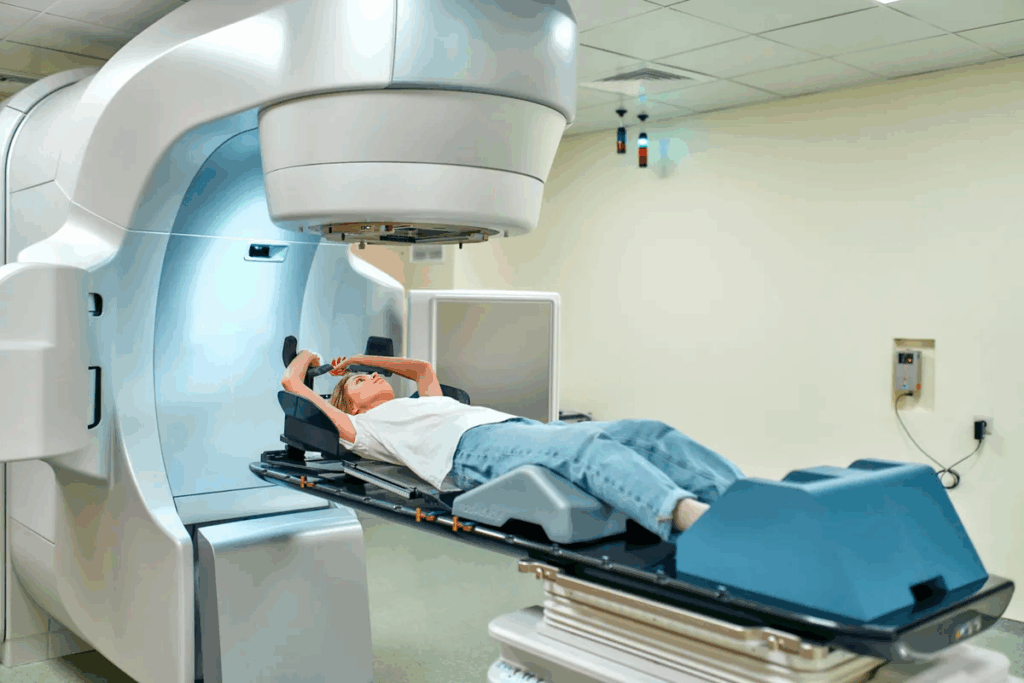
Recovering from a lumpectomy often means getting radiation therapy. This treatment can affect how well the incision heals. Radiation is key in treating breast cancer, aiming to kill any cancer cells left behind.
Timing of Radiation After Surgery
The timing of radiation therapy after a lumpectomy is planned carefully. It usually starts a few weeks after surgery. This allows the incision to heal a bit first. The exact start time depends on the patient, the surgery, and other treatments.
How Radiation Affects Wound Healing
Radiation can change how well the incision heals. It can make the skin and tissues harder to repair. This might lead to slow healing, infection, or skin texture changes. Knowing this helps manage recovery expectations and care.
Special Wound Care During Radiation
When getting radiation, the incision site needs special care. This includes keeping it clean and dry. Avoid harsh soaps or lotions and follow the healthcare team’s advice. Gentle care and following the radiation oncologist’s instructions can help avoid complications.
Managing Skin Reactions
Skin reactions are common with radiation therapy. They can range from mild redness to severe. To manage these, use recommended skin care products and avoid irritants. Protect the skin from the sun. Our healthcare team offers guidance to help manage these reactions and ensure the best outcomes.
Scar Management After Lumpectomy
Scar management is key after lumpectomy surgery. Proper care can make scars less noticeable and improve healing. It’s all about how you take care of your scar.
When to Begin Scar Treatment
Start scar treatment when the incision is fully closed. This is usually 2-4 weeks after surgery. Always listen to your doctor’s advice.
Early treatment helps avoid raised or keloid scars. Talk to your healthcare provider to find the best start time for you.
Silicone Sheets and Gels
Silicone products are great for scar care. They hydrate the scar tissue, making it flatter and softer. Wear sheets for 12-24 hours a day, and use gels as needed.
- Silicone sheets are best for raised or keloid scars.
- Gels are easier to use on hard-to-cover scars.
- Both are safe and can be used together with other treatments.
Massage Techniques
Massage can make scars look and feel better. It breaks up collagen and helps healing. Start with gentle circular motions.
- Begin with gentle circular motions.
- Slowly increase pressure as the scar heals.
- Use a lubricating cream or oil to avoid friction.
Always check with your healthcare provider before starting massage. They can guide you to avoid harming the healing tissue.
Sun Protection for Healing Scars
Keep your scar away from the sun. Sunlight can make scars darker and more noticeable. Use a broad-spectrum sunscreen with at least SPF 30 once healed.
“Protecting your scar from the sun is just as important as protecting your skin. Use a broad-spectrum sunscreen daily to keep your scar looking its best.”Breast Surgeon
Using these scar management tips can lead to the best results after lumpectomy. Always work with your healthcare provider to create a plan that fits your needs.
Follow-Up Appointments and Long-Term Care
The recovery journey doesn’t stop after lumpectomy surgery. Regular follow-up appointments are key. Patients need ongoing care to heal properly and address any issues. We’ll guide you through the follow-up schedule, what doctors check, when to consider scar revision, and where to find psychological support.
Typical Follow-Up Schedule
After a lumpectomy, follow-up appointments are set at specific times. Your healthcare provider will tailor a schedule for you. Generally, you’ll see your doctor:
- First follow-up: 1-2 weeks after surgery
- Subsequent follow-ups: Every 3-6 months for the first year
- Annual check-ups: For several years post-surgery
These visits help your doctor track your healing and address any worries.
What Doctors Check During Follow-Ups
At follow-up appointments, your doctor will:
- Examine the surgical site for proper healing
- Check for any signs of infection or complications
- Discuss and address any concerns or symptoms you’re experiencing
- Review the results of any additional tests, such as imaging studies
It’s important to share any changes or issues with your doctor for the best care.
When to Consider Scar Revision
Scar revision might be needed if the scar is uncomfortable, limits movement, or is a big cosmetic concern. The decision for scar revision is usually made during follow-up appointments after the initial healing. Your doctor will evaluate the scar and discuss options with you, like surgical revision or treatments like steroid injections or laser therapy.
Psychological Support Resources
The emotional journey after lumpectomy surgery is as important as the physical recovery. Psychological support is available to help with stress and body image changes. Resources include:
- Counseling or therapy sessions
- Support groups for cancer survivors
- Online resources and forums
‘The emotional support I received after my lumpectomy was invaluable. It helped me navigate the challenges of recovery and adjust to the changes.’ – Survivor testimonial
We encourage patients to explore these resources for their overall well-being.
Conclusion
Understanding lumpectomy stitches and the recovery process is key for patients. Proper care and follow-up appointments are important for healing well. They help avoid complications.
Managing scars is also critical. By following the advice in this article, patients can handle their recovery better. This includes the whole journey from surgery to healing.
It’s important to follow care instructions and go to follow-up appointments. This helps monitor healing and solve any issues with stitches or scars.
By sticking to these steps, patients can get the best results. This reduces the chance of problems and supports their overall health and recovery.
FAQ
What type of stitches are used after a lumpectomy?
After a lumpectomy, doctors often use dissolvable sutures. This means you won’t need to have them removed. Sometimes, non-dissolvable sutures or staples are used instead.
How long does it take for lumpectomy stitches to dissolve?
Dissolvable stitches usually take a few weeks to dissolve. But, the exact time can vary based on the suture material.
How do I care for my lumpectomy wound at home?
To care for your wound at home, keep the incision clean. Follow the right guidelines for showering and bathing. Also, change your dressings correctly. Watch for signs of healing and call your doctor if you have concerns.
When are lumpectomy stitches removed?
Non-dissolvable stitches are removed 1-2 weeks after surgery. This depends on your surgeon’s instructions and how well you’re healing.
What are the signs of infection around lumpectomy stitches?
Signs of infection include redness, swelling, warmth, or pain around the incision. Fever or discharge are also signs. If you notice these, call your doctor right away.
How can I manage discomfort around my lumpectomy stitches?
To manage discomfort, try pain management strategies and non-medication comfort methods. Always follow your doctor’s advice on post-operative care.
How does radiation therapy affect lumpectomy incisions?
Radiation therapy can slow down wound healing. You might need special wound care during treatment. Your healthcare team will guide you on managing skin reactions and caring for your incision.
When can I start scar management after lumpectomy?
Scar management usually starts once the incision is fully healed. This is usually several weeks after surgery. Using silicone sheets and gels, massage, and sun protection can help improve your scar’s appearance.
What is the typical follow-up schedule after lumpectomy surgery?
Your follow-up schedule will depend on your healthcare team. It usually includes regular check-ups to monitor healing and discuss treatment plans.
Can I consider scar revision after lumpectomy?
Scar revision might be an option if you’re concerned about your scar. Talk to your doctor during follow-up appointments to see if it’s right for you.
References
National Center for Biotechnology Information. Evidence-Based Medical Insight. Retrieved from https://www.ncbi.nlm.nih.gov/books/NBK557740/