

Knowing how to recover from major abdominal surgery is key for patients and their families. The recovery time can differ a lot from person to person. But most people need about 4 to 8 weeks to get back to doing simple things on their own What is the major abdominal surgery recovery time? Get the true facts on healing, what to expect, and how long recovery really takes..
Studies show that only around 42% of people fully recover in this time frame. Liv Hospital focuses on patient care and uses proven methods to help during the recovery journey. By knowing what affects recovery after abdominal surgery, patients can get ready for healing.
Key Takeaways
- Most patients take 4 to 8 weeks to regain basic independence after surgery.
- Only about 42% of patients achieve full multidimensional recovery within 8 weeks.
- Liv Hospital offers patient-centered care and evidence-based guidance throughout the recovery process.
- Recovery time can vary significantly among individuals.
- Understanding the factors that influence recovery can help patients prepare for the healing process.
The Reality of Abdominal Surgery Recovery
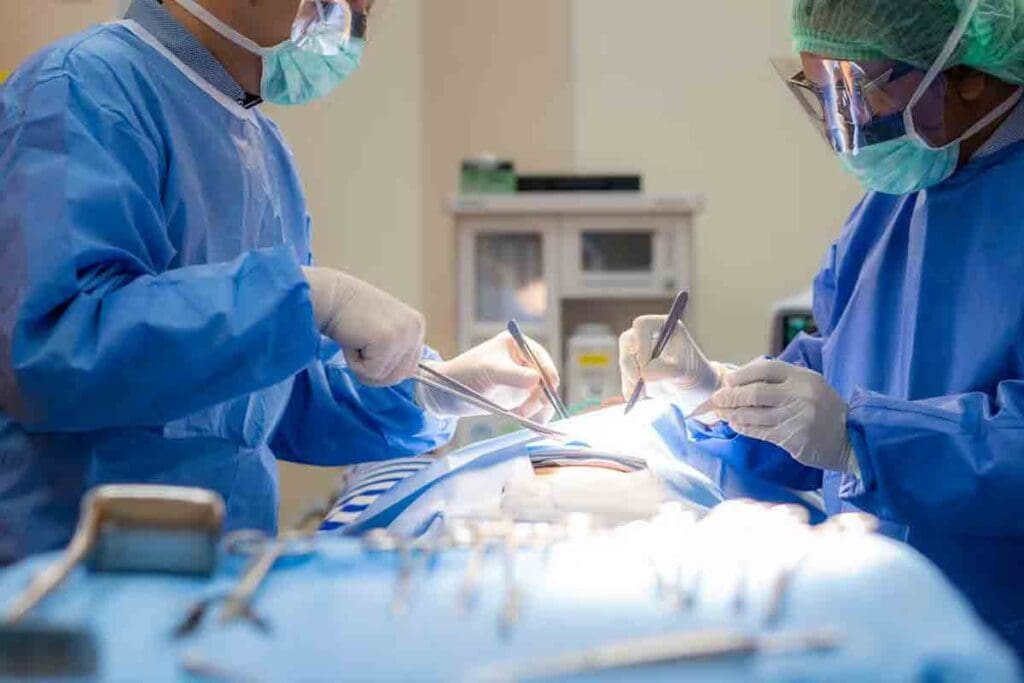
Recovering from abdominal surgery is complex. It’s not just about the wound healing. It also involves a patient’s overall health and well-being.
What Medical Professionals Consider “Recovery”
Doctors see recovery as more than just the wound healing. It’s about getting back to normal, managing pain, and doing daily tasks without pain. Recovery is complete when patients can do daily tasks without pain.
A study shows the different parts of recovery. These include pain, emotions, daily activities, and thinking. By week 4-8 after surgery, most patients showed good recovery in these areas.
The Difference Between Functional and Complete Recovery
There’s a big difference between functional and complete recovery. Functional recovery means being able to do daily tasks and go back to work. Complete recovery means being fully healthy again, without any lasting effects from surgery.
Functional recovery happens faster. Patients can start doing normal things in a few weeks. But complete recovery, with full strength and no complications, takes longer.
The 42% Recovery Rate Within the Initial Healing Period
Only 42% of patients fully recover in the first healing period. This shows how different recovery can be for each patient.
Many things affect how fast a patient recovers. These include age, health before surgery, nutrition, and following the doctor’s orders. Knowing these helps doctors and patients plan better for recovery.
Understanding the complexity of recovery helps doctors support patients better. This leads to better results and happier patients.
Major Abdominal Surgery Recovery Time: General Timeline

The journey to full recovery after major abdominal surgery is a multi-phase process. Understanding these phases can help patients and caregivers prepare for the challenges and milestones ahead.
Immediate Post-Operative Period (1-7 Days)
The first week is critical. Patients usually stay in the hospital for a few days to a week for close monitoring. Pain management is a priority during this period. As one patient guide notes, “The first few days are the most challenging, but with proper care, patients can navigate this phase effectively.”
Early Recovery Phase (1-4 Weeks)
After discharge, patients enter the early recovery phase, where they begin to resume light activities. Gradual improvement is expected, though the pace can vary. According to a study, most patients start feeling significantly better within 1-4 weeks post-surgery.
“Recovery is a gradual process; patience and adherence to post-operative instructions are key.”
Intermediate Recovery (4-8 Weeks)
By this stage, many patients have regained considerable strength and can perform most daily tasks. Full recovery is not yet complete. As indicated by patient information guides, it can take up to 6 to 8 weeks to heal sufficiently from certain abdominal surgeries, such as a gastrectomy, to return to usual activities.
Long-Term Healing (2-12 Months)
Complete recovery, including the healing of internal organs and full restoration of abdominal wall strength, can take several months to a year. Long-term healing involves not just physical recovery but also psychological adjustment. Patients need to maintain a positive outlook and comply with follow-up care instructions.
As highlighted by recovery data, while the initial healing period may be a few weeks, the full recovery process can extend up to a year. This timeline shows the importance of a supportive environment and following medical guidance throughout the recovery journey.
Factors That Influence How Long It Takes to Heal from Abdominal Surgery
Recovery from abdominal surgery varies based on many factors. Knowing these can help both patients and doctors improve recovery times.
Patient Age and Physical Condition
Age and physical health greatly affect recovery from abdominal surgery. Older or less fit patients might need more time to heal. This is because they have less muscle, weaker immune systems, and wounds heal more slowly.
Physical condition before surgery matters a lot. Active and healthy patients usually recover faster than those who are less active or overweight.
Pre-existing Health Conditions
Health issues before surgery can slow down recovery. Problems like diabetes, heart disease, and COPD can make healing harder and take longer.
Patients with these conditions need extra care during recovery. This helps avoid serious complications.
Nutritional Status Before and After Surgery
Good nutrition is key to healing after abdominal surgery. Eating well before and after surgery helps wounds heal faster and reduces risks.
Doctors often suggest a balanced diet full of proteins, vitamins, and minerals. Sometimes, nutritional supplements are also recommended to ensure patients get enough nutrients.
Compliance with Post-Operative Instructions
Following the doctor’s orders is essential for a quick recovery. This includes taking medications as directed, going to follow-up visits, and avoiding heavy lifting or hard work.
Patients who stick to their doctor’s advice usually face fewer problems and heal faster.
Recovery Timelines for Specific Abdominal Procedures
Different abdominal procedures have their own recovery times. The surgery type, body area, and patient factors all play a role. Knowing this helps plan the recovery better.
Gastrointestinal Surgeries (Colon, Small Intestine, Stomach)
Gastrointestinal surgeries need a lot of recovery time. For example, a gastrectomy might take 4 to 6 weeks to get back to normal. Full recovery can take months.
Hepatobiliary Procedures (Liver, Gallbladder, Pancreas)
Hepatobiliary surgeries vary in recovery time. A cholecystectomy (gallbladder removal) usually takes 1 to 2 weeks. But more complex liver surgeries may take longer.
| Surgery Type | Immediate Recovery | Full Recovery |
| Gastrectomy | 2-4 weeks | Several months |
| Cholecystectomy | 1-2 weeks | 4-6 weeks |
| Hernia Repair | 1-3 weeks | 6-12 weeks |
Gynecological and Urological Operations
Gynecological and urological surgeries have their own recovery times. These can range from a few weeks to a couple of months. This depends on the surgery’s complexity and method.
Hernia Repairs and Abdominal Wall Reconstructions
Hernia repairs and abdominal wall reconstructions have varying recovery times. The size of the hernia and the surgery method affect this. Patients usually need 6 to 12 weeks to get back to normal. Avoiding strenuous activities for longer is often necessary.
Knowing these recovery times helps plan post-operative care better. This ensures the best outcomes for patients.
Open vs. Minimally Invasive Approaches: Effect on Recovery Time
The type of surgery – open or minimally invasive – greatly affects how long it takes to recover. These methods differ not just in technique but also in how they impact recovery. This is a key factor in patient outcomes.
Open Abdominal Surgery Recovery Time
Open abdominal surgery involves a big cut to reach inside the belly. This usually means a longer recovery time. Patients often need 2-3 months to get back to normal. This is because the damage is more severe and the wound is bigger.
Laparoscopic and Robotic Surgery Recovery Benefits
Minimally invasive surgeries, like laparoscopic and robotic, have big advantages. They use smaller cuts, cause less damage, and are gentler on the body. This leads to quicker healing times. Patients usually feel less pain, face fewer problems, and can get back to their lives sooner, often in 1-2 months.
Conversion Cases: When Minimally Invasive Becomes Open
Sometimes, a minimally invasive operation turns into an open surgery due to unexpected issues. This change can make recovery longer. But it’s often better than a planned open surgery.
Factors That Determine Surgical Approach Selection
Choosing between open and minimally invasive surgery depends on several things. These include the patient’s health, the nature of the condition, and the surgeon’s skills. Each case is unique, and the choice is made carefully, weighing the pros and cons of each method.
The Physical Healing Process After Abdominal Surgery
Knowing how the body heals after abdominal surgery is key. It helps patients understand what to expect and how to recover well. The healing process includes fixing the outside wound, getting internal organs back to normal, strengthening the abdominal wall, and managing pain.
External Wound Healing (6-8 Weeks)
Healing the outside wound takes about 6-8 weeks. The body goes through stages like inflammation, growth, and repair. Keeping the wound clean and following the doctor’s advice is vital for healing without problems.
Factors that affect wound healing include the wound size, where it is, the patient’s health, and following instructions. It’s important to keep the wound dry, avoid heavy lifting, and watch for signs.
Internal Organ Recovery Timelines
How long it takes for internal organs to recover varies. It depends on the surgery type and the organs involved. For example, surgeries on the digestive tract might take longer for the body to get back to normal.
Recovery of internal organs is slow, taking weeks to months. Patients might feel tired, have changes in bowel habits, and other symptoms. Regular check-ups with doctors are important to track healing and address any issues.
Abdominal Wall Strength Restoration
Getting the abdominal wall strong again is a big part of recovery. It involves building muscle and improving physical function. Doctors often suggest starting with gentle exercises and gradually increasing activity.
Pain management is key in recovery. Uncontrolled pain can slow healing and make it hard to move. Using the right pain management, like medication and other therapies, helps patients get through this tough time.
Pain Evolution Throughout the Recovery Journey
Pain changes over time in recovery, influenced by surgery type, pain tolerance, and pain management. At first, pain is managed with drugs. As healing progresses, pain often gets less intense and happens less often.
Understanding pain changes helps tailor pain management plans. This ensures a smoother recovery for everyone involved.
Returning to Daily Activities: Milestone-Based Recovery
Patients often ask when they can go back to their usual routines after abdominal surgery. The recovery has key milestones that show how well they’re doing. These milestones help them get back to living their lives fully.
Self-Care and Household Tasks
Patients can start doing simple tasks like bathing and cooking in 2-4 weeks. This slow return helps them build strength and confidence.
- Start with easy tasks like bathing and dressing.
- Slowly add more activities, but avoid heavy lifting.
- Make sure to rest enough to avoid getting too tired.
Driving and Travel Considerations
Driving and traveling are big steps in getting better. Most people can drive again in 3-6 weeks, depending on their surgery and how they feel.
- Start with short drives and then go longer.
- Think about how you’ll get there and if you’ll have access to medical help.
- Talk to your doctor before going on long trips.
Sexual Activity Resumption Guidelines
When to start having sex again is also important. Usually, doctors say wait 4-8 weeks, based on how you’re healing.
- Talk to your partner about when you’re ready.
- Avoid positions that might hurt your stomach area.
- Focus on your health and comfort during this time.
Social Engagement and Quality of Life Restoration
Getting back to social activities and hobbies is key to feeling better. As you get stronger, you can start doing more things you enjoy.
It’s important to find a balance between doing things and resting. This way, you can recover smoothly and effectively from your surgery.
Work and Physical Activity After Abdominal Surgery
Knowing when to go back to work and start physical activities again is key after abdominal surgery. The time it takes to return to work varies a lot. It depends on the job and the surgery type.
Returning to Sedentary Work
People with sedentary jobs can usually go back to work in 4-6 weeks after surgery. This gives the body time to heal and lowers the chance of problems. But always listen to your doctor’s advice, as everyone heals differently.
Physical Labor Considerations
Those with physical labor jobs need more time, usually 8-12 weeks, to get back to full work. This longer time is needed for the body to fully heal, especially if the surgery was complex.
Exercise Progression Timeline
Starting to exercise again after surgery should be slow. At first, avoid hard activities and heavy lifting. Around 6-8 weeks later, you can start doing more intense exercises. But always do this with your doctor’s okay.
It’s important to listen to your body and not rush back too soon. Slowly getting back into physical activities helps avoid problems and ensures a better recovery.
Understanding the rules for going back to work and physical activities helps patients recover better. It reduces risks and improves outcomes.
Complications That May Extend Recovery from Abdominal Surgery
After abdominal surgery, some patients face complications that can slow down their recovery. While many heal well, some issues can affect how long it takes to get better.
Infection and Wound Healing Complications
Infection is a common problem after abdominal surgery. It can cause wounds to heal slowly, increase pain, and keep patients in the hospital longer. Poor wound care and health issues can lead to infections.
Prevention and management strategies include antibiotics, proper wound care, and watching for signs. Catching infections early is key to avoiding serious problems.
Adhesions and Bowel Obstructions
Adhesions are fibrous bands that can form after surgery. They can block the bowel, causing severe pain, nausea, and vomiting.
To lower the risk of adhesions and bowel obstructions, use meticulous surgical techniques and good post-operative care. Sometimes, surgery is needed to treat these issues.
Incisional Hernias
Incisional hernias happen when tissue bulges through a scar or incision. They can be painful and cause other problems. Infections and poor wound closure increase the risk.
Fixing incisional hernias usually means surgery. To prevent them, focus on good wound closure and post-operative care.
Psychological Factors: Depression and Anxiety
Depression and anxiety can slow down recovery. They can make it hard for patients to follow post-operative instructions, leading to longer recovery times.
| Psychological Factor | Impact on Recovery | Management Strategies |
| Depression | Reduced motivation, adherence to post-operative care | Counseling, antidepressant medication |
| Anxiety | Increased stress, possible complications | Relaxation techniques, anxiolytic medication |
It’s important to address psychological issues early. Support and treatment can help patients recover faster and better.
Conclusion: The Individualized Nature of Surgical Recovery
Recovering from major abdominal surgery is complex and unique for each person. A study showed that recovery outcomes vary among patients. This highlights the need for personalized care and realistic expectations.
Many factors affect how quickly someone recovers. These include the patient’s age, any health issues they had before surgery, and how well they follow post-operative instructions. So, the recovery time can differ greatly from one person to another.
It’s important to understand that everyone recovers differently. This knowledge helps manage patient expectations and improve post-operative care. Healthcare providers can offer more tailored support by considering each patient’s unique situation. This approach can make the recovery process better for everyone.
When recovering from abdominal surgery, it’s key to focus on each person’s unique situation. Adjusting care to fit individual needs can lead to a more effective and lasting recovery.
FAQ
How long does it take to recover from major abdominal surgery?
Recovery from major abdominal surgery can take 2 to 12 months. This depends on the surgery type, patient age, and health.
What is the difference between functional and complete recovery?
Functional recovery means you can do daily tasks. Complete recovery means you’re fully physically and emotionally strong again.
How long does it take for external wounds to heal after abdominal surgery?
External wounds usually heal in 6-8 weeks after surgery. But healing time can vary based on the surgery and the individual.
What factors influence the recovery time from abdominal surgery?
Recovery time is influenced by age, health, nutrition, and following post-op instructions.
How long does it take to recover from gastrointestinal surgeries?
Recovery from gastrointestinal surgeries can take 4-12 weeks. It depends on the surgery’s complexity and individual factors.
What is the typical recovery time for laparoscopic and robotic surgeries?
Laparoscopic and robotic surgeries have shorter recovery times. They usually take 2-6 weeks due to smaller incisions.
When can I return to work after abdominal surgery?
Work return time varies. Sedentary jobs can be resumed in 4-6 weeks. Physical jobs may need 8-12 weeks or more.
How long does it take to restore abdominal wall strength after surgery?
Abdominal wall strength takes 3-6 months to restore. It depends on the surgery type and individual factors.
What are the possible complications that can extend recovery from abdominal surgery?
Complications like infection, adhesions, and bowel obstructions can extend recovery. Psychological issues like depression and anxiety also play a role.
How long does it take to heal from abdominal surgery if there are complications?
Complications can make recovery longer. They may require extra treatment and extend recovery by weeks or months.
Can I drive after abdominal surgery?
You can drive in 3-6 weeks after surgery. It depends on your comfort, reaction time, and surgery type.
When can I resume sexual activity after abdominal surgery?
You can start sexual activity in 4-8 weeks after surgery. It depends on the surgery type and your recovery.
How long does it take for internal organs to recover after abdominal surgery?
Recovery time for internal organs varies. It depends on the organs involved and the type. It can take weeks to months.
References
Udomkhwamsuk, W., et al. (2020). Situational analysis of the recovery of patients who have undergone abdominal surgery. Nursing Open, 7(5), 1368–1377.