Işıl Yetişkin is a versatile Content Writer with 9 years of professional…
View author profile →We review our content at regular intervals and update it whenever new research or a change in clinical guidelines requires it.



Orthopedic surgery is a big deal in medicine. It’s done a lot, with over 250,000 hip replacements in the U.S. every year.
This surgical operation helps fix bones and joints. It makes patients move better and feel less pain.
Orthopedic surgery is a medical procedure that uses advanced methods. It’s key in today’s healthcare.
Key Takeaways
- Orthopedic surgery is a significant medical intervention.
- It is used to treat musculoskeletal disorders and injuries.
- The complexity of orthopedic surgery often categorizes it as a major medical procedure.
- Annual statistics show a high volume of orthopedic surgeries.
- Restoring mobility and alleviating pain are primary goals.
What Defines Major Surgery in Medical Practice

Doctors and patients need to know what a major surgery is. Major surgery means complex operations that need a lot of medical help and carry a high risks.
These surgeries are complex, risky, and require a lot of care after. They often take a long time to recover from and can change a patient’s life a lot.
Clinical Criteria for Major Surgery Classification
Doctors use certain rules to decide if a surgery is major. These rules include:
- The complexity of the procedure
- The level of risk associated with the surgery
- The need for specialized surgical techniques or equipment
- The expected recovery time and possible complications after surgery
| Criteria | Description | Examples |
| Complexity | Involves detailed surgical methods or many steps | Organ transplants, complex neurosurgery |
| Risk Level | High chance of problems or death | Cardiac surgery, major cancer surgeries |
| Specialized Techniques or Equipment | Needs advanced or special tools and methods | Microsurgery, robotic-assisted surgery |
Distinguishing Between Major and Minor Surgical Procedures
It’s key to tell major from minor surgeries for patient care and managing hopes. Minor surgeries are simpler, safer, and require less time to recover.
Key differences between major and minor surgeries are the complexity, risk, and recovery time. Knowing these differences helps doctors and patients get the right care and management.
The Scope and Variety of Orthopedic Surgery
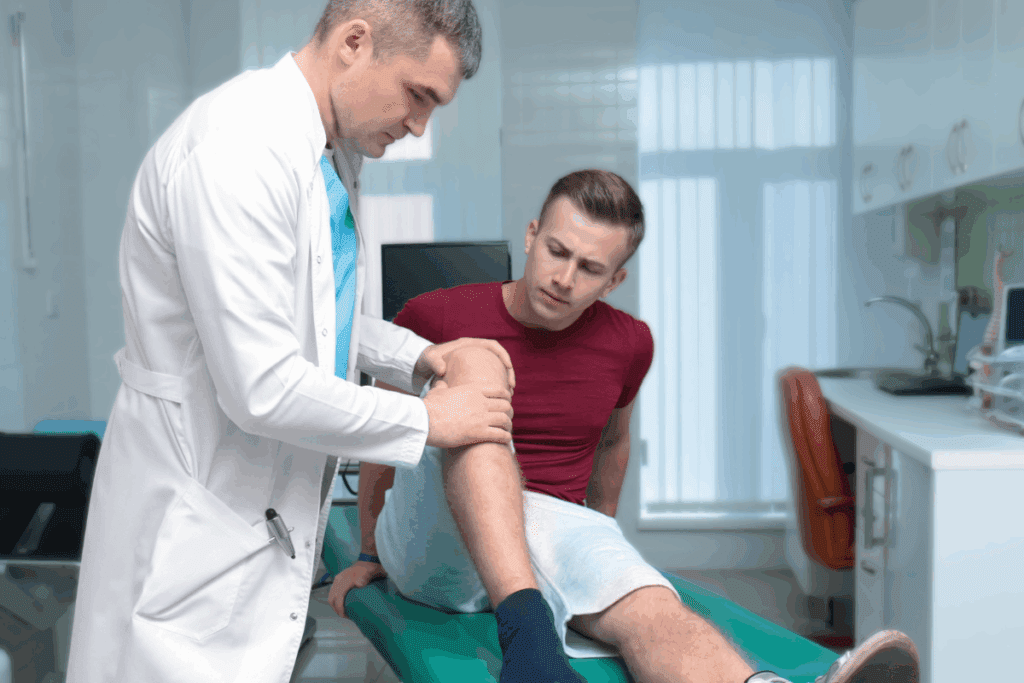
Orthopedic surgery is a wide field that deals with many musculoskeletal conditions. It covers a range of procedures and specializations.
Orthopedic surgeons do many surgeries, from joint replacements to spinal surgeries. Each one needs precision and a good understanding of the body’s structure.
Common Orthopedic Procedures
Some common surgeries include joint replacements, like hip and knee replacements. Spinal surgeries like spinal fusion and laminectomy are also common. These surgeries help relieve pain and improve function in those with severe conditions.
| Procedure | Description | Typical Recovery Time |
| Hip Replacement | Surgical procedure to replace a damaged hip joint with an artificial one. | 6-12 weeks |
| Knee Replacement | Surgery to replace a damaged knee joint with an artificial one. | 6-12 weeks |
| Spinal Fusion | A procedure where two or more vertebrae are fused together. | 3-6 months |
Specializations Within Orthopedic Surgery
Orthopedic surgeons often focus on specific areas. These include sports medicine, orthopedic trauma, and reconstructive surgery. This allows them to become experts in certain procedures and patient groups.
For example, sports medicine surgeons work with athletes and those injured in sports. They often do arthroscopy procedures.
Key Factors That Classify Orthopedic Procedures as Major Surgery
To understand why some orthopedic surgeries are major, we look at complexity, anesthesia, and recovery. These elements help decide if a surgery is major.
Surgical Complexity and Duration
The complexity of an orthopedic surgery is key in deciding if it’s major. Surgeries that need precise techniques and skill are complex. For example, hip or knee replacements require exact alignment and fixing of prosthetics.
What makes a surgery complex includes:
- The amount of tissue involved and the need for careful handling.
- The use of advanced techniques and technology, like computer-assisted navigation.
- The surgery’s length, with longer ones being more complex.
Anesthesia Requirements
The type and amount of anesthesia needed can show if a surgery is major. Surgeries needing general or significant regional anesthesia are major. This is because they carry risks and need close monitoring.
“The choice of anesthesia is critical in orthopedic surgery, as it directly impacts patient comfort and surgical outcomes.” –
Orthopedic Surgery Expert
Recovery Time and Rehabilitation Needs
Recovery time and rehab needs are key in deciding if a surgery is major. Surgeries causing a lot of pain, swelling, or mobility issues need long-term rehab.
Rehab needs vary by surgery type. Some surgeries need months of physical therapy to get back to normal. For example, spinal fusion surgery requires strict rehab to heal well and avoid complications.
Here are some rehab considerations for major orthopedic surgeries:
- Immediate care after surgery, like pain management and wound care.
- Starting to move and do physical therapy early to avoid stiffness and promote healing.
- Long-term rehab to build strength, flexibility, and function back.
Joint Replacement: The Quintessential Major Orthopedic Surgery
Orthopedic surgery covers many areas, but joint replacement is a key one. It involves swapping a damaged or arthritic joint with an artificial one. This surgery is complex and greatly improves life for those with severe joint pain or damage.
Hip Replacement Surgery
Hip replacement surgery, or hip arthroplasty, replaces a damaged or arthritic hip with a prosthetic. It’s for those with severe hip arthritis or fractures. The prosthetic hip helps mimic a healthy hip, reducing pain and boosting mobility.
Key aspects of hip replacement surgery include:
- Relief from chronic hip pain
- Improved joint mobility and function
- Enhanced quality of life
Knee Replacement Surgery
Knee replacement surgery, or knee arthroplasty, replaces a damaged knee with an artificial one. It’s for those with severe knee arthritis or injuries. The prosthetic knee aims to restore natural knee function, easing pain and improving daily activities.
The benefits of knee replacement surgery include:
- Significant reduction in knee pain
- Improved knee function and mobility
- Better overall quality of life
Shoulder and Other Joint Replacements
While hip and knee replacements are common, other joints like the shoulder, elbow, and ankle can also be replaced. Shoulder replacement surgery, for example, helps those with severe shoulder arthritis or fractures. It aims to ease pain and restore function.
| Joint | Common Indications | Surgical Benefits |
| Hip | Severe arthritis, hip fractures | Pain relief, improved mobility |
| Knee | Severe arthritis, significant knee injuries | Reduced pain, improved function |
| Shoulder | Severe arthritis, fractures | Pain alleviation, restored function |
Orthopedic experts say joint replacement surgeries have changed how we treat joint diseases. They give patients a chance to regain independence and enjoy a better life. These surgeries highlight the vital role of orthopedic surgery in healthcare today.
Spinal Surgery: Complex Major Orthopedic Interventions
Spinal surgery includes many complex procedures. They are major operations in the orthopedic field. These surgeries treat various spinal issues, like degenerative disc diseases and spinal deformities.
Spinal Fusion Procedures
Spinal fusion joins two or more vertebrae together. It stabilizes the spine and relieves pain. This is needed for conditions like spondylolisthesis or severe spinal instability.
The process uses bone grafts, which can come from the patient or a donor. Metal implants may also be used to support the spine during healing.
The success of spinal fusion depends on several factors. These include the patient’s health, the severity of the condition, and the surgeon’s skill. Advances in surgery and technology have greatly improved spinal fusion outcomes. This makes it a reliable choice for those with severe spinal conditions.
Laminectomy and Discectomy
Laminectomy and discectomy relieve pressure on the spinal cord or nerves. A laminectomy removes part or all of the lamina to decompress the spinal cord or nerves. Discectomy removes a herniated or damaged disc that’s pressing on a nerve.
These surgeries treat conditions like spinal stenosis or herniated discs. The choice between laminectomy and discectomy, or both, depends on the diagnosis and symptoms. Modern techniques have made these procedures safer and more effective. Many patients see significant symptom relief.
Scoliosis Correction Surgery
Scoliosis correction surgery corrects abnormal spine curvatures. It’s recommended for severe scoliosis that hasn’t improved with other treatments. The surgery uses spinal instrumentation, like rods and screws, to realign the spine and fuse the vertebrae.
Scoliosis correction surgery needs careful planning and execution. It aims to correct the curvature and ensure the spine’s stability and flexibility post-surgery. Advances in techniques and instrumentation have improved outcomes. Patients can achieve a more normal spinal alignment and lower the risk of future complications.
Trauma-Related Orthopedic Surgeries and Their Classification
Complex orthopedic surgeries often come from traumatic incidents. They need detailed classification and quick action. These surgeries are key in orthopedic care, covering repairs of complex fractures to handling multiple traumas.
Complex Fracture Repairs
Complex fracture repairs are a big part of trauma-related surgeries. These surgeries fix bones that have been badly broken due to trauma. The surgery’s complexity depends on the fracture’s location and how severe it is.
Key aspects of complex fracture repairs include:
- Use of advanced imaging techniques to assess the fracture
- Employment of surgical techniques such as open reduction and internal fixation (ORIF)
- Utilization of bone grafts in cases where bone loss has occurred
Multiple Trauma Orthopedic Interventions
Multiple trauma orthopedic interventions are surgeries for patients with many injuries. These surgeries need a team effort from orthopedic surgeons and other healthcare experts.
| Type of Intervention | Description | Complexity Level |
| Complex Fracture Repair | Surgical stabilization and reconstruction of severely fractured bones | High |
| Multiple Trauma Surgery | Surgical interventions for patients with multiple orthopedic traumas | Very High |
| Soft Tissue Repair | Repair of damaged soft tissues such as muscles, tendons, and ligaments | Moderate to High |
These surgeries are major because of their complexity and the need for extensive surgery. They also require a long recovery time. Knowing about trauma-related orthopedic surgeries is important for doctors and patients alike.
Minimally Invasive Orthopedic Procedures: When Are They Considered Major Surgery?
Minimally invasive orthopedic procedures have changed surgery a lot. But whether they are major surgery is debated. These procedures are less invasive than old surgeries but can be complex and risky.
Whether a procedure is major surgery depends on its complexity. Arthroscopic surgeries are a type of minimally invasive surgery. They use a small camera and tools to fix joint problems.
Arthroscopic Surgeries
Arthroscopic surgeries are done on joints like the knee, shoulder, and elbow. They are less invasive than open surgery but need precise technique. They also require a lot of recovery time. The complexity of these surgeries can vary a lot.
Endoscopic Spinal Procedures
Endoscopic spinal procedures are another type of minimally invasive surgery. They use an endoscope to see the spine and perform surgery. Endoscopic spinal surgery treats conditions like herniated discs and spinal stenosis.
Complexity Factors in Minimally Invasive Approaches
Many things make minimally invasive surgeries complex. These include the patient’s overall health, the condition being treated, and the surgeon’s experience. The technology and equipment used also play a big role.
In conclusion, even though minimally invasive surgeries are less invasive, they can be major surgery. This is because of their complexity and risks. Surgeons and patients need to understand this to make good decisions.
Why Most Orthopedic Surgeries Fall Under the Category of Major Surgery
Most orthopedic surgeries are major because they deeply affect the body’s musculoskeletal function. They can also lead to serious complications. These surgeries often disrupt a lot of tissue, which means a long recovery time.
The way these surgeries impact the musculoskeletal system is key. Procedures like joint replacements and spinal surgeries change the body’s structure and function. This is why they are considered major.
Impact on Musculoskeletal System Function
Orthopedic surgeries change or repair the musculoskeletal system. This includes joint replacements and spinal fusions. These surgeries affect not just the immediate area but also the patient’s overall health and mobility.
For example, a hip replacement can change how the lower body moves. It might affect the patient’s walk and need for physical therapy changes.
Potential for Serious Complications
Orthopedic surgeries also carry a risk of serious complications. These can include infection, nerve damage, and blood clots. Because of this, careful planning before and after surgery is essential.
Spinal fusions, for instance, can damage nerves because of their close location. Joint replacements also risk infection, which can be severe and might need more surgery.
In summary, orthopedic surgeries are major due to their big impact on the musculoskeletal system and the risk of serious problems. Both doctors and patients need to understand this to handle the challenges of these surgeries.
Hospital Requirements for Major Orthopedic Surgical Procedures
Major orthopedic surgeries need a detailed plan for care before, during, and after surgery. These surgeries are complex and require specific hospital rules to keep patients safe and ensure the best results.
Choosing between inpatient or outpatient surgery depends on the surgery’s complexity and the patient’s health. Inpatient surgeries are often chosen for more complex cases or patients with serious health issues.
Inpatient vs. Outpatient Orthopedic Surgeries
Inpatient surgeries mean staying in the hospital for at least one night. This is needed for surgeries that will cause a lot of pain afterward or for patients with health problems that need close watching.
Outpatient surgeries, on the other hand, don’t require a hospital stay. These are usually simpler and for patients who are generally healthy.
| Surgery Type | Inpatient/Outpatient | Typical Hospital Stay |
| Joint Replacement | Inpatient | 2-4 days |
| Arthroscopic Surgery | Outpatient | Same-day discharge |
| Spinal Fusion | Inpatient | 3-5 days |
Length of Hospitalization for Different Procedures
The time spent in the hospital changes based on the surgery type. More complex surgeries like spinal fusions or joint replacements need longer stays. Less invasive surgeries, like arthroscopic surgeries, usually don’t require a hospital stay.
Knowing these hospital needs is key to managing patient hopes and making sure they get the right care. By matching the hospital stay to the patient’s and surgery’s needs, doctors can improve results and lower the chance of problems.
Recovery and Rehabilitation Following Major Orthopedic Surgery
The path to full recovery after major orthopedic surgery is complex. It includes rehabilitation and physical therapy. These steps are key to getting back to normal, reducing pain, and improving life quality.
Typical Recovery Timelines by Procedure Type
Recovery times vary based on the surgery type. Joint replacement surgeries usually need 6 to 12 weeks to start recovering. More complex surgeries, like spinal fusion, can take 3 to 6 months or more to fully recover.
Joint Replacement Surgeries: Patients see big improvements in the first 6 weeks. They continue to get better over the next 6 to 12 months.
Spinal Surgeries: Recovery is longer, often taking 3 to 6 months to start healing. Rehabilitation goes on beyond this initial healing time.
Physical Therapy Protocols and Requirements
Physical therapy is key in recovery. It helps patients regain strength, mobility, and function. Each therapy plan is customized based on the surgery and patient needs.
- Early mobilization to prevent stiffness and promote healing
- Strengthening exercises to restore muscle function
- Range of motion exercises to improve flexibility
- Functional training to return to daily activities
Following a structured physical therapy program is vital. It helps achieve the best results and lowers the risk of complications.
Long-term Rehabilitation Considerations
Long-term rehabilitation is essential. It focuses on keeping up the progress made in early therapy and improving further. Key areas include:
| Rehabilitation Aspect | Description | Timeline |
| Maintenance Exercises | Continuing exercises to maintain strength and flexibility | Ongoing, lifelong |
| Activity Modification | Adjusting daily activities to accommodate surgical changes | Long-term, often permanent |
| Follow-up Care | Regular check-ups with healthcare providers to monitor progress | As recommended by healthcare provider |
Understanding the recovery and rehabilitation process helps patients prepare. This preparation leads to a more successful outcome from major orthopedic surgery.
Patient Experiences and Perspectives on Orthopedic Surgery as Major Surgery
Going through major orthopedic surgery is a big deal. It involves complex medical steps and personal recovery paths. Patients face many emotions and physical hurdles as they get ready for and heal from their surgeries.
Patient Reported Outcomes
Research shows that orthopedic surgery helps a lot. For example, joint replacements cut down pain and boost mobility in those with severe arthritis.
Patient-reported outcomes are key to seeing if surgery works. These include pain, function, and life quality. By looking at these, doctors can improve care and make better choices for patients.
Quality of Life Improvements After Major Orthopedic Procedures
Big orthopedic surgeries can really change lives. For instance, spinal surgery for scoliosis or spinal stenosis can lessen pain and make moving easier. This lets patients do things they couldn’t before.
The rehabilitation process is vital for these improvements. Good physical therapy helps patients get strong and move well again after surgery. This way, doctors help patients get the best results from their surgeries.
It’s important to understand what patients go through with orthopedic surgery. By looking at how patients feel and live after surgery, doctors can give better care. This helps meet the complex needs of patients.
Risks and Complications Associated with Major Orthopedic Surgeries
Major orthopedic surgeries are complex and carry risks. These include common surgical risks and orthopedic-specific issues. It’s important for patients to know these risks to make informed decisions.
Common Surgical Risks
Orthopedic procedures have risks like infection, blood clots, and reactions to anesthesia. Infection can cause long recovery times and more surgeries. Deep Vein Thrombosis (DVT) is another risk, where blood clots form in the deep veins, usually in the legs.
| Risk | Description | Prevention Measures |
| Infection | Bacterial infection at the surgical site | Antibiotics, sterile surgical techniques |
| DVT | Blood clots in the deep veins | Anticoagulant medications, compression stockings |
| Adverse Reaction to Anesthesia | Allergic reactions or respiratory issues | Careful patient screening, monitoring during surgery |
Orthopedic-Specific Complications
Orthopedic surgeries have unique complications. For example, joint replacement surgeries can fail or loosen over time. Spinal surgeries may cause nerve damage or hardware failure.
Long-term Implications and Secondary Surgeries
Some patients need secondary surgeries due to complications or failed implants. Knowing the long-term implications is key for managing expectations and making informed decisions.
By understanding these risks, patients can prepare for the challenges of major orthopedic surgeries. They can work closely with their healthcare providers to reduce these risks.
Preparing for a Major Orthopedic Surgical Intervention
Getting ready for major orthopedic surgery is very important. It affects how well you recover and how well the surgery works. Patients need to prepare in many ways to get the best results.
Medical Preparation and Pre-operative Testing
Medical prep is a big part of getting ready for surgery. It includes tests and checks to see how healthy you are and if there are any risks. Pre-operative testing might include blood tests, imaging, and other checks to understand your health fully.
It’s also important to tell your doctor about your medical history and any medicines you take. This helps anesthesiologists and surgeons plan your surgery and reduce risks.
Home Environment Modifications
Changing your home to make it safe for recovery is key. You should remove things that could cause you to trip, put in grab bars where needed, and set up a comfy place to rest.
You might also need to plan for help after surgery. This could mean having someone to help with daily tasks and getting to doctor’s appointments.
Mental and Emotional Readiness
Being mentally and emotionally ready is just as important. You should be ready for the challenges of recovery, like pain and not being able to move as much. Counseling or support groups can help some people deal with anxiety or worries about the surgery.
Knowing what to expect during recovery and having realistic hopes can help a lot. Doctors and healthcare teams can offer advice and resources to help you get ready mentally and emotionally.
Conclusion: Understanding the Significance of Orthopedic Surgery as Major Surgery
Orthopedic surgery covers many procedures that are seen as major surgery. This is because they are complex and affect the musculoskeletal system. These surgeries help restore function, reduce pain, and improve life quality for those with orthopedic issues.
What makes orthopedic surgery major is its complexity, the need for strong anesthesia, and the time it takes to recover. Surgeries like joint replacements, spinal operations, and trauma treatments are major. They are invasive and require a lot of recovery time.
Patients need to understand the nature of orthopedic surgery. This helps them prepare for their surgery. They need to get ready medically, make their home safe, and mentally prepare. Knowing the complexity of these surgeries helps patients and doctors work together for the best results.
In summary, orthopedic surgery is key in treating many musculoskeletal problems. Its major surgery status highlights the need for careful planning and preparation. By understanding the importance of these surgeries, patients and healthcare teams can achieve the best outcomes together.
FAQ
What is considered major surgery in orthopedic procedures?
Major surgery in orthopedics includes complex operations. This includes joint replacements, spinal surgeries, and complex fracture repairs. These surgeries need a lot of recovery time and come with big risks.
Is joint replacement surgery considered a major orthopedic surgery?
Yes, joint replacement surgeries like hip and knee replacements are major. They are complex, require a lot of recovery, and have risks.
What factors determine if an orthopedic surgery is major?
Several factors decide if a surgery is major. These include how complex the surgery is, the anesthesia needed, recovery time, and risks.
Are minimally invasive orthopedic procedures considered major surgery?
Minimally invasive surgeries can be major if they are complex. They require a lot of recovery or have big risks, even if they’re less invasive.
How long is the typical recovery time for major orthopedic surgeries?
Recovery times for major surgeries vary. But, they often take weeks to months of recovery and rehab.
What are the common risks associated with major orthopedic surgeries?
Risks include infection, nerve damage, blood clots, and anesthesia complications. These are common with major surgeries.
How can patients prepare for major orthopedic surgery?
Patients should prepare by getting medical tests and making their home safe. They should also get mentally ready for the surgery.
What is the difference between inpatient and outpatient orthopedic surgeries?
Inpatient surgeries require hospital stay for recovery. Outpatient surgeries let patients go home the same day. The choice depends on the surgery and patient’s health.
Can orthopedic surgery significantly improve quality of life?
Yes, surgery can greatly improve life. It reduces pain, restores function, and lets patients do normal activities again.
What role does physical therapy play in recovery from major orthopedic surgery?
Physical therapy is key in recovery. It helps restore function, improve mobility, and lowers complication risks.
Are there long-term implications or secondary surgeries associated with major orthopedic surgeries?
Yes, surgeries can have long-term effects. Sometimes, they need secondary surgeries due to prosthetic wear or complications.
References
- American Society of Anesthesiologists (ASA). (2020). ASA physical status classification system.https://www.asahq.org/standards-and-guidelines/asa-physical-status-classification-system