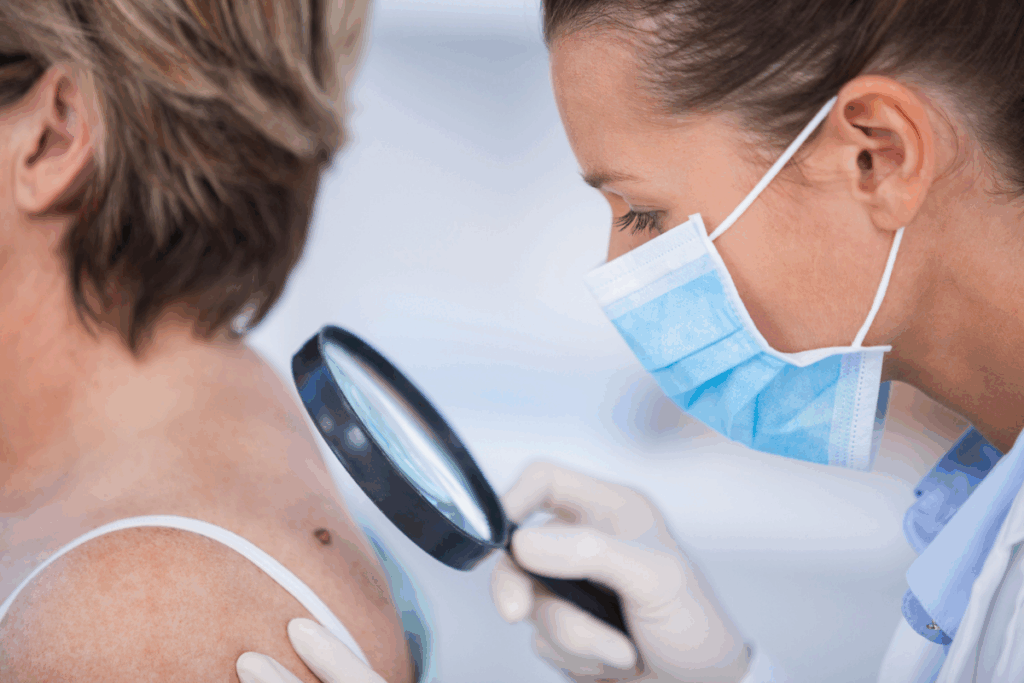
Learn the 5 alarming malignant melanoma mouth symptoms. This guide covers the critical early signs of this dangerous oral cancer. Oral malignant melanoma is a rare and aggressive cancer. It makes up less than 1% of all melanomas and 0.5% of all oral cancers. It starts when cells on the lips or in the mouth change, often in the thin cells lining the lips and mouth.
Knowing the melanoma in mouth symptoms is key for early detection and treatment. Unlike common skin melanomas, oral malignant melanoma can appear in the palate, gums, tongue, and other parts of the mouth with few signs.
Key Takeaways
- Oral malignant melanoma is a rare and aggressive form of cancer.
- Early detection of melanoma in mouth symptoms is critical for effective treatment.
- Oral cancer forms when cells on the lips or in the mouth mutate.
- Most oral melanomas begin in the flat, thin cells lining the lips and mouth.
- Understanding the risks and signs of oral malignant melanoma can save lives.
Understanding Oral Malignant Melanoma

It’s important to know about oral malignant melanoma for early detection and treatment. This rare and aggressive cancer starts in the mouth’s mucous membranes. It’s a malignant melanoma in mouth that’s hard to diagnose at first.
Definition and Characteristics
Oral malignant melanoma is a cancer that starts from the melanocytes in the mouth. It grows fast and is hard to treat because it’s often diagnosed late. The characteristics of oral melanoma include its ability to appear anywhere in the mouth, but some spots are more common.
The average age for being diagnosed is between 56 to 60 years. Men are more likely to get it than women, with a 2:1 ratio. Knowing this helps doctors find people at higher risk.
Prevalence and Demographics
Mucosal melanoma, which includes melanoma mouth cancer, makes up less than 2% of all melanoma cases. Oral malignant melanoma is rare but very aggressive. It’s more common in some groups, which helps in early detection.
Unlike skin melanoma, oral melanoma isn’t caused by sun exposure. This means it has different risk factors and causes. Knowing this helps in creating better prevention and screening plans.
Difference from Cutaneous Melanoma
Oral malignant melanoma is different from skin melanoma in many ways. Skin melanoma is often caused by UV radiation, but oral melanoma’s causes are not as clear. Genetics and oral health issues might play a role.
The symptoms of oral melanoma can vary, making it hard to tell it apart from other mouth problems. Understanding these differences is key for correct diagnosis and treatment.
Common Locations of Oral Melanoma

Knowing where oral melanoma often shows up is key for catching it early. It can pop up in different spots in the mouth. Spotting these areas can help people find symptoms early and get help fast.
Hard Palate and Maxillary Gingiva (80-90% of Cases)
The hard palate and maxillary gingiva are where most oral melanomas happen. They make up about 80 to 90% of cases. These spots, the bony roof of the mouth and the gums around the upper teeth, can get melanoma. It often looks like a pigmented lesion.
Gums, Tongue, and Buccal Mucosa
Other parts of the mouth can also get melanoma, though less often. This includes the gums around the lower teeth, the tongue, and the lining of the cheeks. Melanoma here might be harder to spot because it’s not as common.
Floor of the Mouth
The floor of the mouth is a less common spot for melanoma. It’s under the tongue and has lots of blood vessels and lymphatic tissue. Any strange spots or colors here need a doctor’s check right away.
Here’s a quick rundown of where oral melanoma often shows up:
Location | Frequency | Characteristics |
Hard Palate and Maxillary Gingiva | 80-90% | Pigmented lesions, often asymptomatic initially |
Gums, Tongue, and Buccal Mucosa | Less common | Variable presentation, potentially more challenging to detect |
Floor of the Mouth | Less common | Rich in blood vessels and lymphatic tissue, possible melanoma site |
Knowing where melanoma often appears can help people watch their mouth more closely. If they see anything odd, they should get it checked out.
Risk Factors for Developing Oral Melanoma
Several factors can increase the risk of oral melanoma. Knowing these can help prevent it. It’s important to understand these risks to spot problems early.
Age and Gender Considerations
Oral melanoma can happen at any age, but it’s more common after 50. Age is a big factor, with most cases found in older adults. Some studies show men might be at higher risk than women.
Genetic Predisposition
A family history of melanoma or other cancers may point to a genetic risk. Genetic predisposition is key in many cancers, including oral melanoma. People with a family history should watch their health closely.
Some genetic conditions and mutations can raise the risk of oral melanoma. For example, conditions affecting the skin and mucous membranes are linked to mucosal melanomas.
Pre-existing Oral Conditions
Oral conditions like melanotic macules or oral melanosis can lead to oral melanoma. It’s vital to have these checked regularly by a doctor.
Viruses like human papillomavirus (HPV) are linked to oral cancers. HPV infection is a known risk for head and neck cancers. Its role in oral melanoma is being studied.
Understanding these risk factors helps prevent and detect oral melanoma early. Regular dental visits and staying aware of oral health changes are key for those at risk.
Recognizing Melanoma in Mouth Symptoms
It’s key to spot melanoma in the mouth early for quick treatment. We’ll show you how to recognize symptoms from the start to the worst cases. This will help you get medical help fast.
Early Asymptomatic Presentation
About one-third of people with oral malignant melanoma don’t show symptoms at first. This makes it hard to catch the disease early. Regular dental visits and self-checks are vital to find any odd changes in your mouth.
Initial Visual Changes
The first signs of oral melanoma are often pigmented spots or patches in the mouth. These spots can be black, brown, or not pigmented at all. It’s important to watch for any new or changing spots in your mouth.
Progressive Symptom Development
As oral melanoma gets worse, symptoms get clearer. Symptoms like sores, lumps, or bleeding that won’t stop can happen. Knowing these signs can help you get diagnosed and treated early.
Remember, keep an eye on any changes in your mouth. If you see something odd, see a doctor right away.
Visual Identification of Oral Melanoma
Oral melanoma looks different in everyone, making it key to know what to look for. Dentists are often the first to spot these signs during regular visits. They help by checking for any unusual growths.
Color variations are a big clue for oral melanoma. These growths can be black, brown, gray, red, or purple. Sometimes, they can even show more than one color.
Color Variations (Black, Brown, Gray, Red, Purple)
Oral melanoma can show up as a colored spot. Black and brown are common, but gray, red, or purple can also appear. Seeing more than one color in a spot is a big sign.
Macule vs. Nodular Presentation
Oral melanoma can look like a flat spot or a raised bump. A macule is flat, while a nodule sticks out. Both can be colored and show different shades. Knowing the difference is important for treatment.
Areas of Depigmentation
Oral melanoma can also have areas of depigmentation. This means parts of the spot lose color. Spotting these changes is key to diagnosing correctly.
Spotting oral melanoma involves looking for various signs. This includes color changes and different types of spots. Healthcare teams need to know these signs to catch it early.
Advanced Symptoms of Oral Melanoma
Oral melanoma can lead to severe symptoms that harm a person’s quality of life. These symptoms can make daily activities hard and affect overall health.
Swelling and Tissue Changes
Swelling and tissue changes are common in advanced oral melanoma. This can cause swelling in the gums, tongue, or mouth. It can make eating, speaking, and swallowing hard.
These changes also make dental care tough, adding to the patient’s problems.
Bleeding and Ulceration
Bleeding and ulceration are serious symptoms of oral melanoma. Patients might see spontaneous bleeding from the gums or lesions. This is scary and needs quick medical help.
Ulcers can cause painful sores in the mouth. They also raise the chance of infection. Watching these symptoms closely is key.
Symptom | Description | Impact on Patient |
Bleeding | Spontaneous bleeding from gums or lesions | Alarming, requires immediate medical attention |
Ulceration | Open sores in the mouth | Painful, increased risk of infection |
Pain and Dental Mobility
Pain and dental mobility are signs of advanced oral melanoma. Patients might feel pain in the affected area. This pain can be mild or very bad.
Dental mobility, or loose teeth, happens when the tumor affects the bone and tissue. These symptoms can really hurt a patient’s life and daily tasks.
Knowing these symptoms is vital for helping patients with oral melanoma. We must watch these signs closely and act fast to help them.
How to Perform a Self-Examination for Oral Melanoma
To spot melanoma in the mouth, doing a self-exam is key. It’s important to know what your mouth looks like normally. This helps you notice any odd changes.
Step-by-Step Inspection Technique
When you do a self-exam, check your mouth carefully. Use a methodical way to make sure you don’t miss any spots.
- Begin by looking at your lips, both the outside and inside.
- Then, examine your gums, on both the top and bottom.
- Next, look at your tongue, covering the top, bottom, and sides.
- Don’t forget to check the roof of your mouth and the inside of your cheeks.
- Lastly, inspect the floor of your mouth.
Tools and Lighting Requirements
You’ll need a good mirror and enough light for a thorough check. A bright LED light or a well-lit spot works best.
Good lighting helps spot small changes in color or texture.
Documentation of Suspicious Areas
If you find something odd, take pictures of it. Clear, well-lit photos are best.
Date | Description of Lesion | Location |
2023-03-01 | Black macule | Hard palate |
2023-03-15 | Increase in size | Hard palate |
Regular self-exams can help find oral melanoma early. By following these steps and staying alert, you can help keep your mouth healthy.
Differentiating Oral Melanoma from Other Conditions
Getting a correct diagnosis for oral melanoma means knowing its unique signs. We need to look closely at different oral conditions to make sure we’re right.
Benign Pigmented Lesions
It’s easy to confuse benign pigmented lesions with oral melanoma. This is why getting a professional check-up is key. Lesions like oral melanotic macule, melanocytic nevi, and amalgam tattoos can look similar.
- Oral melanotic macule: A benign lesion that appears as a flat, pigmented area, often due to melanocyte accumulation.
- Melanocytic nevi: Benign growths of melanocytes that can occur in the oral cavity.
- Amalgam tattoos: Discoloration caused by the embedding of amalgam particles in the mucosa.
We must tell these benign conditions apart from oral melanoma with a detailed check and, if needed, a biopsy.
Other Types of Oral Cancer
Squamous cell carcinoma is another type of oral cancer. It can look like oral melanoma because it can cause ulcers or swelling.
“The diagnosis of oral melanoma requires a high index of suspicion and a thorough diagnostic workup to distinguish it from other oral cancers.”
Knowing about all types of oral cancer helps us make the right diagnosis and plan the best treatment.
Normal Anatomical Variations
Normal variations like Fordyce granules or pigmentation from race or ethnicity can look like disease. It’s important to know these to avoid mistakes.
By understanding these points, we can better tell oral melanoma apart from other conditions. This ensures patients get the right care.
Diagnosis and Staging Process
Diagnosing and staging oral melanoma involves several steps. We use clinical exams, histopathology, and imaging. This detailed approach helps us find the disease and plan the best treatment.
Professional Examination Procedures
When we think there might be oral melanoma, we do a thorough check. We look closely at the mouth, tongue, and gums for any unusual spots or color changes. We use special lights and tools to see small details that might be hard to spot.
Key steps in the professional examination include:
- Visual inspection of the oral mucosa, tongue, and gums
- Palpation to detect any induration or swelling
- Assessment of lymph nodes for possible metastasis
Biopsy and Histopathology
A biopsy is the best way to confirm mucosal melanoma. We take a tissue sample from the area we’re worried about. Then, we study it under a microscope to see if it’s melanoma and how deep it is.
The histopathological examination looks at the tissue for signs of melanoma, like abnormal cells and growth patterns.
Imaging and Staging Methods
Imaging like CT scans and MRIs is key for figuring out how far the disease has spread. These tests show us how big the tumor is and if it’s moved to other parts of the body.
Common imaging techniques used include:
- Computed Tomography (CT) scans
- Magnetic Resonance Imaging (MRI)
- Positron Emission Tomography (PET) scans
Getting the disease stage right is important for treatment planning and knowing what to expect. We use the TNM system to stage the cancer. It looks at the tumor size, if nearby lymph nodes are affected, and if there are distant metastases.
Conclusion: Prognosis and Importance of Early Detection
It’s key to know the signs and risks of melanoma in the mouth. This helps in catching oral malignant melanoma early and treating it effectively.
Oral malignant melanoma in its early stages might not show symptoms. So, it’s vital to watch for any mouth changes. Knowing what to look for and being aware of risk factors can really help.
Oral melanoma is aggressive, leading to a poor prognosis for many. But, catching it early and treating it can greatly improve survival chances and quality of life.
We stress the need for regular self-checks and dental visits. This way, we can spot any mouth issues early. Together, we can better the outlook for those with this condition.
FAQ
What are the common symptoms of melanoma in the mouth?
Symptoms include unusual colors, swelling, bleeding, and pain. You might also notice changes in the mouth, gums, or tongue.
How is oral malignant melanoma different from cutaneous melanoma?
Oral malignant melanoma is unique. It has different risk factors and needs a special approach to diagnosis and treatment.
Where does oral melanoma most commonly occur?
It often happens on the hard palate and maxillary gingiva. But, it can also appear on the gums, tongue, and floor of the mouth.
What are the risk factors for developing oral melanoma?
Risk factors include age, gender, and genetic predisposition. Pre-existing oral conditions also increase the risk.
How can I identify oral melanoma during a self-examination?
Look for unusual colors or lesions during a thorough check. Use good lighting and tools. Document any suspicious areas.
What are the visual characteristics of oral melanoma?
It can show different colors like black, brown, gray, red, or purple. It might look like a macule or nodular lesion, sometimes with depigmentation.
How is oral melanoma diagnosed and staged?
Diagnosis involves a professional check, biopsy, and histopathology. Staging uses CT or MRI scans to see how far the disease has spread.
Can oral melanoma be differentiated from other oral conditions?
Yes, it can be told apart from other conditions through a detailed examination and tests.
What are the advanced symptoms of oral melanoma?
Advanced symptoms include big swelling, bleeding, and pain. Dental mobility can also occur, affecting quality of life.
Why is early detection of oral melanoma important?
Early detection is key for effective treatment and better outcomes. Oral melanoma can be aggressive if caught late.
What is the role of genetic predisposition in oral melanoma?
Genetic predisposition can increase the risk of oral melanoma. People with a family history of melanoma or other cancers are at higher risk.
How does age and gender affect the risk of oral melanoma?
Age and gender are risk factors. Certain groups are more susceptible, making targeted screening and prevention important.
References
https://www.ncbi.nlm.nih.gov/books/NBK513276