
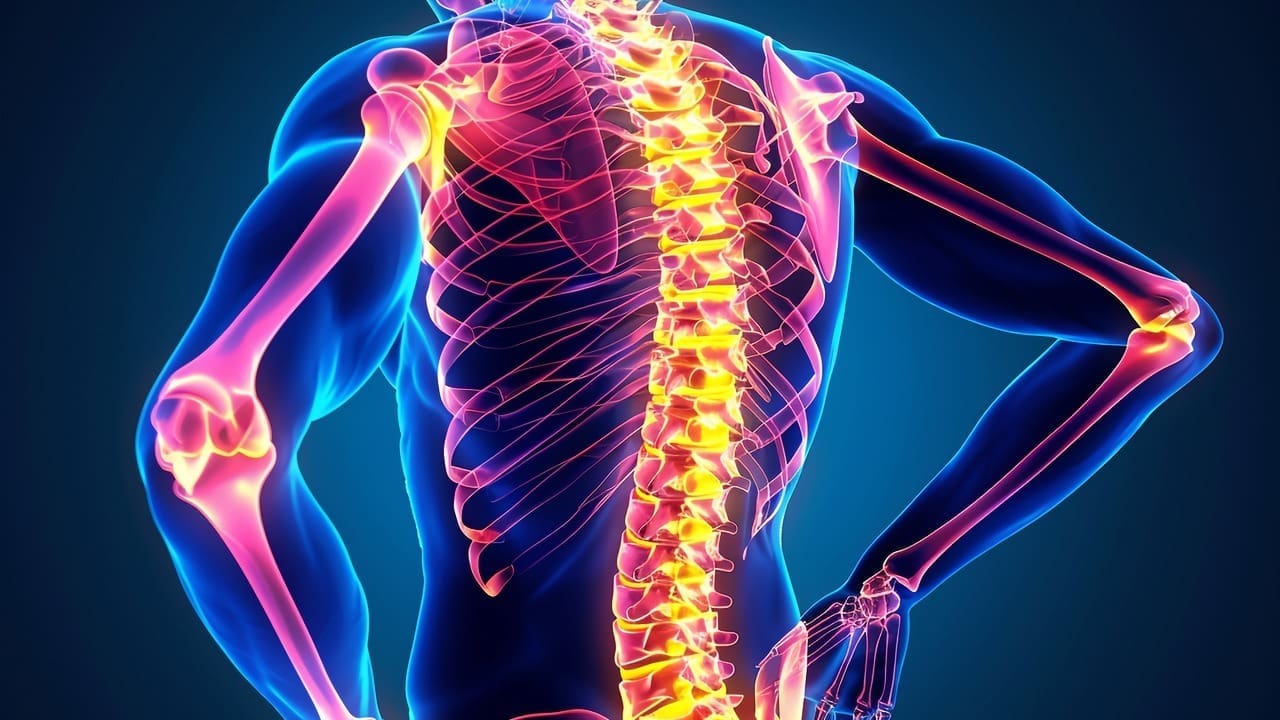
At Liv Hospital, we get it. A malignant spinal tumor diagnosis raises many questions. Knowing about the prognosis and life expectancy is key for patients and their families.
Recent studies show the 5-year survival rate for spinal tumors varies a lot. It can be from 25% to over 85%. This depends on the tumor type and the patient’s health.
We know how important it is to offer full care and support. Our team is here to help you understand cancer of the spine prognosis. We aim to guide you in making the best treatment choices.
Key Takeaways
- Knowing the type of spinal tumor is key to understanding prognosis.
- Patient age and overall health greatly affect survival rates.
- How well the treatment works is a big factor in life expectancy.
- New medical technologies have improved treatment options.
- Custom care plans are vital for effective treatment.
- Support from a team of experts is essential for patient well-being.
Understanding Spinal Cancer: Types and Diagnosis
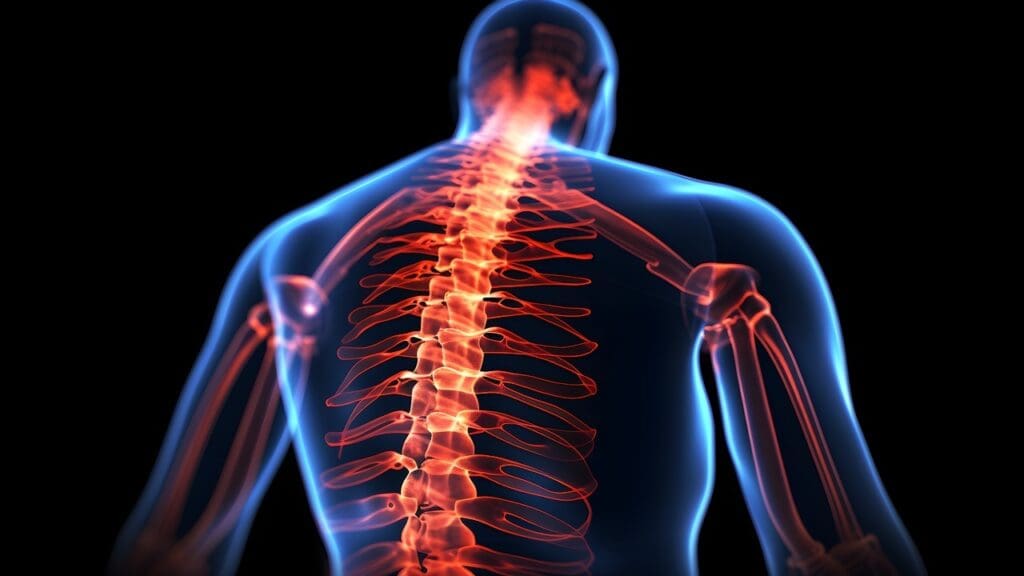
Spinal cancer comes in different forms and is diagnosed in various ways. It can be primary or metastatic, each with its own traits and treatment needs.
Primary vs. Metastatic Spinal Tumors
Primary tumors start in the spine. Metastatic tumors spread to the spine from other cancers. Primary tumors are rare, making up a small part of spinal tumors. Metastatic tumors, though, are more common and often come from cancers like breast, prostate, or lung.
Common Symptoms and Warning Signs
Spotting spinal cancer symptoms early is key. Look out for back pain, numbness or weakness in limbs, and loss of bladder or bowel control. Seek medical help if these symptoms don’t go away or get worse.
Diagnostic Process and Staging
Diagnosing spinal cancer involves imaging like MRI or CT scans and a biopsy. Accurate staging helps plan treatment and predict outcomes.
| Diagnostic Tool | Purpose | Benefits |
|---|---|---|
| MRI | Detailed imaging of soft tissues | High resolution for tumor assessment |
| CT Scan | Imaging of bone structures | Quick and accurate for bone involvement |
| Biopsy | Tissue sampling for diagnosis | Definitive diagnosis of tumor type |
A leading oncologist says, “Early and accurate diagnosis is key to improving outcomes for patients with spinal cancer.”
“The complexity of spinal cancer requires a multidisciplinary approach to diagnosis and treatment, involving specialists from oncology, neurosurgery, and radiology.”
Malignant Spinal Tumor Prognosis: Survival Rate Overview
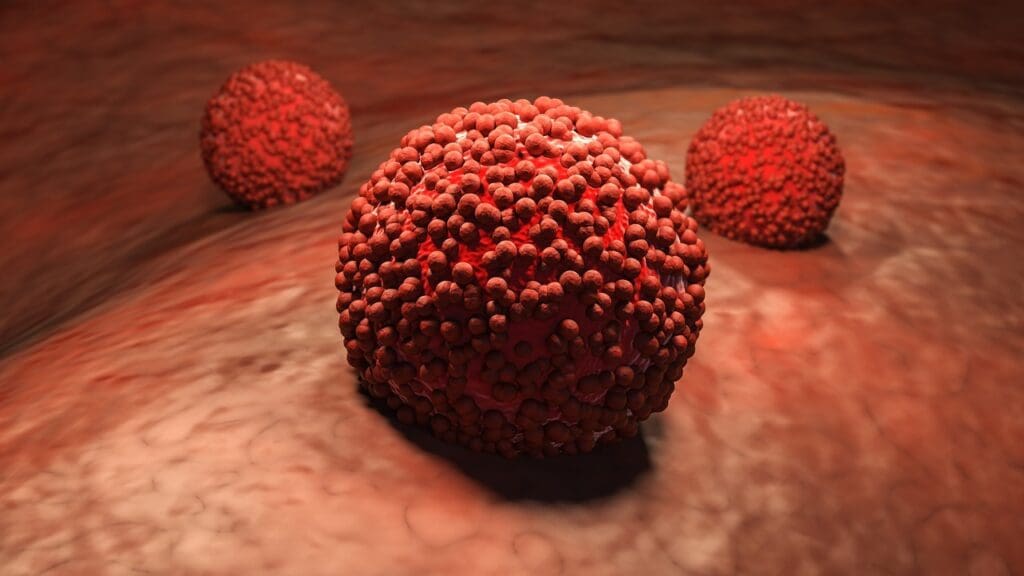
Knowing the prognosis for malignant spinal tumors is key for patients and doctors. The prognosis depends on many factors that affect survival rates.
How Prognosis is Determined for Spine Cancer
The prognosis for spine cancer depends on several things. These include the tumor type, its location, and the patient’s health. Accurate diagnosis and staging are very important. We use MRI and CT scans, along with biopsy results, to stage the cancer correctly.
5-Year Survival Statistics Explained
Survival stats for spine cancer are often shown as 5-year survival rates. These rates show the percentage of patients alive 5 years after diagnosis. It’s important to remember that survival rates are based on past data. They don’t always predict what will happen to an individual. The 5-year survival rate for spinal cancer varies a lot, depending on the tumor type and location.
Differences Between Cancer Types and Locations
The type and location of the tumor greatly affect the prognosis. For example, primary spinal tumors have different survival rates than metastatic tumors. Tumors in different parts of the spine also have different prognoses. This is because of differences in surgery access and how they affect the nervous system. We take these factors into account when talking about prognosis with our patients.
Understanding these factors helps patients and doctors make better treatment choices. Our team is dedicated to giving full support and guidance during treatment.
Fact 1: Survival Rates Range from 25% to 85% Based on Tumor Type
Spinal cancer survival rates vary a lot, from 25% to 85%. This wide range is due to different tumor types. We will look into these factors to see how they affect patient outcomes.
Primary Spinal Tumor Survival Rates
Primary spinal tumors start in the spine and can be either benign or malignant. Their survival rates depend on their type. Benign tumors usually have a better outlook than malignant ones.
Benign primary spinal tumors, like schwannomas and meningiomas, often have high survival rates. This is because they grow slowly and can be removed surgically. On the other hand, malignant primary spinal tumors, such as chordomas and osteosarcomas, are aggressive and have lower survival rates.
Metastatic Cancer to the Spine Prognosis
Metastatic cancer to the spine happens when cancer from another part of the body spreads to the spine. The outlook for metastatic spinal cancer is generally worse than for primary tumors. The survival rate depends on the type and stage of the original cancer.
For example, metastatic breast or prostate cancer to the spine might have a better prognosis because of effective treatments. But, metastatic lung cancer to the spine usually has a worse prognosis due to its aggressive nature.
Histological Factors Affecting Survival
The histological characteristics of a spinal tumor are key in determining survival. Tumors can be classified based on their aggressiveness and growth patterns.
Aggressive vs. Slow-Growing Tumors
Aggressive tumors grow fast and are more likely to spread. They usually have a poorer prognosis. On the other hand, slow-growing tumors are less aggressive and may have a better outcome, depending on treatment.
Knowing the specific histological features of a spinal tumor is vital. It helps determine the best treatment and estimate survival chances.
Fact 2: Patient-Specific Factors Significantly Impact Vertebral Tumor Prognosis
When it comes to vertebral tumor prognosis, patient-specific factors play a big role. We know that each patient’s situation is different. Various individual factors can greatly affect their prognosis.
Age and Overall Health Considerations
A patient’s age and overall health are key in determining their vertebral tumor prognosis. Younger patients with fewer health issues usually have better outcomes. Comorbidities are other health conditions a patient may have. For example, patients with diabetes or heart disease may face more challenges during treatment.
- Younger patients typically have stronger immune systems, helping them recover faster.
- Older patients may have more health issues, making treatment harder.
Tumor Location and Neurological Involvement
The location of the tumor and its effect on neurological function are also important. Tumors in areas that affect critical neurological functions may need more urgent and aggressive treatment.
- Tumors affecting the spinal cord can cause significant neurological problems.
- The tumor’s closeness to vital structures affects how complex surgery will be.
Genetic and Molecular Markers
Genetic and molecular markers are becoming more important in understanding vertebral tumor prognosis. Certain genetic mutations can show if a tumor is more aggressive or how it will respond to treatments.
“The use of genetic and molecular profiling in clinical practice has changed how we treat cancer. It allows for more personalized and effective care.”
We are dedicated to using the latest in genetic and molecular analysis. We want to give our patients the most accurate prognosis and tailored treatment plans.
Fact 3: Early Detection Dramatically Improves Cancer of the Spine Prognosis
Early detection is key in fighting cancer of the spine. It makes a huge difference in how well a patient does. Finding cancer early means doctors can start treatment sooner.
Survival Differences Between Early and Late Detection
Spotting spinal cancer early can greatly increase survival chances. Research shows early diagnosis leads to better treatment results and a better life quality.
| Detection Stage | 5-Year Survival Rate |
|---|---|
| Early Stage | 65-80% |
| Late Stage | 20-40% |
Screening Recommendations for High-Risk Individuals
People with a family history of cancer or past cancer diagnoses are at higher risk. They should get regular screenings to catch cancer early.
- Annual MRI scans for those with a known history of spinal tumors
- Regular check-ups with a healthcare provider for high-risk individuals
- Genetic counseling for families with a history of cancer
Advances in Diagnostic Technology
New diagnostic tools have made finding spinal cancer early easier. High-resolution MRI and PET scans give doctors clear images for accurate diagnosis.
Using these advanced tools, doctors can spot spinal cancer early. This leads to better treatment and a better outlook for patients.
Fact 4: Treatment Response Directly Affects Life Expectancy with Spinal Cancer
The way a patient responds to treatment is key in spinal cancer. Different treatments have different outcomes. A mix of treatments is best for patient care.
Surgical Intervention Outcomes
Surgery is a big part of treating spinal cancer. Success in surgery can greatly improve a patient’s life. Research shows that successful surgery can lead to better survival rates and less pain.
Radiation Therapy Effectiveness
Radiation therapy is also vital for spinal cancer. It can be used alone or with surgery. The success of radiation therapy depends on the cancer type and stage. It helps control tumors and ease symptoms.
Systemic Treatment Results
Chemotherapy and targeted therapy are key in managing spinal cancer. These treatments help when cancer spreads or with local treatments.
Chemotherapy Response Rates
Chemotherapy works differently for each cancer type. For some spinal cancers, chemotherapy can stop tumor growth and improve results.
Targeted Therapy Breakthroughs
Targeted therapy is a big step forward in spinal cancer treatment. It targets specific tumor growth mechanisms. Targeted therapies are more effective and have fewer side effects than traditional chemotherapy. New research is finding more targets and therapies, giving hope for better patient outcomes.
In summary, how well a patient responds to treatment is very important for spinal cancer. Knowing the outcomes of different treatments helps patients and doctors make better choices.
Fact 5: Modern Therapies Are Improving Backbone Cancer Survival Rates
The treatment for backbone cancer is getting better, thanks to new therapies. These advances in medical tech and treatment plans are helping patients live longer. They offer hope for those facing this serious condition.
Minimally Invasive Surgical Techniques
We’re seeing a move towards minimally invasive surgical techniques. These methods are making recovery faster and reducing complications. They use smaller cuts and cause less damage, leading to less pain and quicker healing.
Precision Radiation Approaches
Precision radiation therapy has seen big improvements. Techniques like SBRT allow for targeted treatment. This means the radiation goes straight to the tumor, protecting healthy tissue.
Immunotherapy and Novel Drug Treatments
New treatments like immunotherapy and drugs are changing how we fight backbone cancer. Immunotherapies boost the immune system to attack cancer cells. New drugs target cancer’s growth mechanisms.
Multidisciplinary Care Benefits
A multidisciplinary care approach is key in treating backbone cancer. It brings together doctors, surgeons, and specialists. They work as a team to create treatment plans that fit each patient’s needs.
| Therapy Type | Benefits | Outcomes |
|---|---|---|
| Minimally Invasive Surgery | Less tissue damage, reduced recovery time | Improved patient comfort, faster rehabilitation |
| Precision Radiation | Highly targeted, spares healthy tissue | Effective tumor control, reduced side effects |
| Immunotherapy | Boosts immune system to fight cancer | Potential for long-term cancer control |
By using these advanced treatments in care plans, we can improve patient outcomes and quality of life.
Fact 6: Life Expectancy with Cancer in the Vertebrae Varies by Treatment Stage
Knowing how treatment stage affects life expectancy is key for those with cancer in the vertebrae. The stage at which treatment starts greatly impacts outcomes and survival rates.
Newly Diagnosed Patient Outlook
Patients newly diagnosed with cancer in the vertebrae face varying prognoses. Early-stage diagnosis often leads to better survival chances. We create a treatment plan tailored to each patient’s needs and situation.
Recurrent Disease Prognosis
When cancer comes back, the outlook is tougher. Recurrent disease means looking at new treatment options and possibly more aggressive therapies. Our team aims to improve life quality and survival for those with recurrent spinal cancer.
Advanced Stage Management and Expectations
For advanced-stage cancer in the vertebrae, managing symptoms and quality of life is key. We use treatments like palliative care to support patients fully.
Palliative Care Considerations
Palliative care is essential for advanced cancer, focusing on symptom relief, pain management, and quality of life. Our team works together to offer the best care at every stage.
Fact 7: Quality of Life Factors in Cancer in Spine Prognosis
Cancer in the spine is not just about living longer. It’s also about keeping a good quality of life during treatment. We know that how well a patient feels affects their outcome and happiness.
Pain Management and Functional Outcomes
Managing pain well is key for patients with spinal tumors. We use a team effort to tackle pain. This includes medicines, physical therapy, and other help to keep patients comfortable and moving.
Neurological Function Preservation
Keeping the nervous system working is important. We use the latest tools and treatments to protect it. This helps patients stay independent.
Rehabilitation Strategies and Support
Rehab is key for recovery after spinal tumor treatment. We offer programs that fit each patient’s needs. This includes physical, occupational therapy, and mental support.
Psychological Well-being and Survivorship
Being mentally strong is key for surviving spinal cancer. We offer counseling and support groups. These help patients deal with the emotional and mental challenges of their illness and treatment.
| Quality of Life Factor | Importance in Cancer in Spine Prognosis | Interventions |
|---|---|---|
| Pain Management | High | Pharmacological, Physical Therapy |
| Neurological Function | High | Advanced Diagnostics, Surgical Techniques |
| Rehabilitation | Medium | Physical, Occupational Therapy |
| Psychological Well-being | High | Counseling, Support Groups |
By focusing on these quality of life factors, we can improve cancer in spine prognosis and enhance patient outcomes.
Conclusion: Navigating Your Journey with Spinal Cancer
Understanding spinal cancer is key for patients and their families. It’s important to know the type of tumor and how early detection helps. This knowledge is vital for making care decisions.
We’ve looked at what affects spinal tumor prognosis. This includes the type of tumor and how it’s treated. Knowing these details helps patients make informed choices about their care.
Our institution is dedicated to top-notch healthcare for international patients. We offer personalized care for those with spinal cancer. Our team works together to improve outcomes and quality of life for our patients.
What is the prognosis for a malignant spinal tumor?
The outlook for a malignant spinal tumor varies. It depends on the tumor type, the patient’s age and health, and how well they respond to treatment. We consider these factors to plan the best treatment.
How is spinal cancer diagnosed?
Doctors use imaging studies like MRI or CT scans to find spinal cancer. They also do staging tests to see how far the disease has spread. These tools help us understand the tumor’s type and location.
What are the survival rates for malignant spinal tumors?
Survival rates for malignant spinal tumors differ. They depend on the tumor’s type, location, and the patient’s health. We give personalized survival rate information based on each case.
How does the type of spinal tumor affect prognosis?
The type of spinal tumor greatly impacts the prognosis. Primary spinal tumors and metastatic cancer to the spine have different survival rates. We look at the tumor’s characteristics to determine the prognosis.
Can cancer of the spine be cured?
Whether cancer of the spine can be cured depends on several factors. These include the disease’s type and stage, and the patient’s health. We aim to develop a treatment plan that offers the best chance for a positive outcome.
How does early detection impact cancer of the spine prognosis?
Early detection greatly improves the prognosis for cancer of the spine. We recommend screenings for those at high risk. We also use advanced diagnostic technology to catch spinal cancer early.
What is the role of treatment response in life expectancy with spinal cancer?
The response to treatment is key in determining life expectancy with spinal cancer. We consider the outcomes of surgery, radiation, and systemic treatment. This helps us plan the best treatment approach.
How do modern therapies improve backbone cancer survival rates?
Modern treatments like minimally invasive surgery and precision radiation are boosting backbone cancer survival rates. We offer a range of innovative treatments as part of our multidisciplinary care.
How does life expectancy with cancer in the vertebrae vary by treatment stage?
Life expectancy with cancer in the vertebrae changes with treatment stage. We offer personalized guidance for patients at all stages. This includes those newly diagnosed, with recurrent disease, or with advanced disease.
What quality of life factors influence cancer in spine prognosis?
Quality of life factors like pain management and preserving neurological function are important. We also consider rehabilitation strategies and psychological well-being. These factors help us plan a treatment that improves quality of life.
What is the life expectancy for someone with a spinal tumor?
Life expectancy for someone with a spinal tumor varies. It depends on the tumor type, location, the patient’s age and health, and treatment response. We work with patients to understand their prognosis and develop a personalized treatment plan.
Is backbone cancer curable?
Whether backbone cancer is curable depends on several factors. These include the disease’s type and stage, and the patient’s health. We provide guidance on treatment options and prognosis based on individual circumstances.
What are the survival rates for spinal cancer?
Survival rates for spinal cancer vary. They depend on the tumor type, location, and the patient’s health. We provide information on survival rates and prognosis based on individual circumstances.