
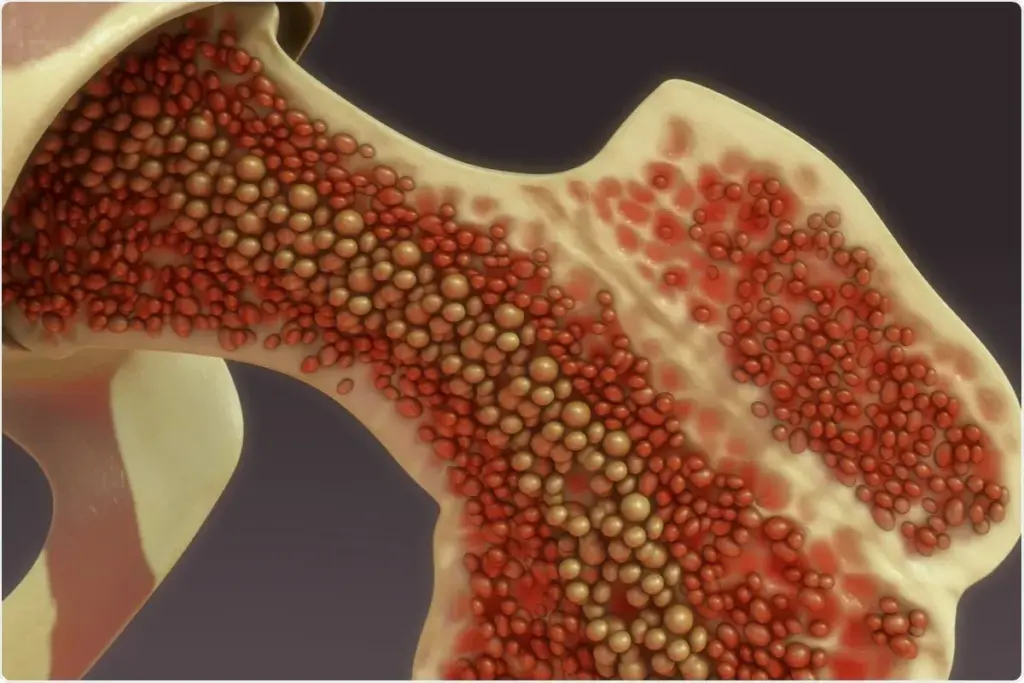
Bone marrow infiltration happens when abnormal cells get into the marrow. This impairs its ability to produce healthy blood cells. It can come from different places, like blood cancers and tumors that spread.
Knowing why marrow infiltration happens is key to finding it early and treating it right. At Liv Hospital, we focus on finding the root cause. This helps us give better care.
Key Takeaways
- Hematologic malignancies are a primary cause of bone marrow infiltrate.
- Metastatic solid tumors can also lead to infiltrative marrow disease.
- Early detection is critical for managing marrow infiltration effectively.
- Comprehensive diagnosis involves understanding the underlying causes.
- Treatment plans are tailored based on the specific cause and patient needs.
Understanding Bone Marrow Structure and Function
To understand marrow infiltration, we must first know how bone marrow works. Bone marrow is a spongy tissue in bones like hips and thighbones. It makes blood cells through a process called hematopoiesis.
Normal Bone Marrow Composition
Bone marrow has different cells, including stem cells that turn into blood cells. It also has adipocytes (fat cells), osteoblasts, and osteoclasts. These cells help form and break down bone. Keeping these cells in balance is key for marrow to work right.
|
Cell Type |
Function |
|---|---|
|
Hematopoietic Stem Cells |
Differentiate into all blood cell types |
|
Adipocytes (Fat Cells) |
Store energy in the form of fat |
|
Osteoblasts |
Form bone tissue |
|
Osteoclasts |
Resorb bone tissue |
Hematopoiesis: The Blood Cell Production Process
Hematopoiesis is how bone marrow turns stem cells into blood cells. This includes red blood cells, white blood cells, and platelets. It’s controlled by growth factors and cytokines.
The stages of hematopoiesis are:
- Proliferation of stem cells
- Differentiation into lineage-specific progenitor cells
- Maturation into functional blood cells
The Bone Marrow Microenvironment
The bone marrow microenvironment is vital for blood cell production. It has cells like stromal cells, endothelial cells, and immune cells. It also has proteins and signaling molecules. This environment helps control stem cells and progenitor cells, affecting their survival and development.
Defining Marrow Infiltration
Marrow infiltration happens when abnormal cells invade the bone marrow. This invasion disrupts its normal function. The bone marrow is key in making blood cells. Knowing about marrow infiltration helps in diagnosing and treating it.
What Constitutes Abnormal Marrow Infiltration
Abnormal cells that shouldn’t be in the bone marrow invade and build up. These can be cancer cells or come from other diseases. This buildup can mess up blood cell production, causing anemia, infections, or bleeding problems.
It’s important to figure out what kind of cells are causing the problem. Tools like bone marrow biopsy and aspiration help us do this.
Patterns of Infiltration
The way marrow infiltration happens can vary. Some conditions spread the abnormal cells all over the marrow. Others cause them to gather in specific spots.
Knowing how the cells spread helps us figure out what’s causing the problem. For example, leukemia spreads all over, while some cancers form in specific spots.
Distinguishing Between Benign and Malignant Infiltration
Telling benign from malignant marrow infiltration is key. Benign conditions can look like cancer, but aren’t. Malignant conditions, like leukemia, need strong treatment.
We use tests and exams to tell them apart. Advanced tests help us give the right treatment and diagnosis.
Hematologic Malignancies as Primary Causes of Marrow Infiltration

Hematologic malignancies are a major reason for marrow infiltration. They affect the bone marrow’s ability to make healthy blood cells. These cancers, found in the blood, bone marrow, and lymph nodes, disrupt normal blood cell production.
Leukemia and Bone Marrow Invasion
Leukemia is a cancer where abnormal white blood cells grow too much. These cells take over the bone marrow, pushing out healthy cells. This can cause anemia, infections, and bleeding problems.
Leukemia cells invade the bone marrow through complex interactions. Knowing how this happens helps doctors find better treatments.
Lymphoma’s Impact on Bone Marrow
Lymphoma, another cancer, can also harm the bone marrow. Lymphoma cells can fill the marrow, leading to blood cell production problems. This makes diagnosing and treating lymphoma harder.
The effect of lymphoma on the bone marrow depends on the type and how much it’s involved. Advanced tests are needed to see how much marrow is affected.
Multiple Myeloma and Plasma Cell Disorders
Multiple myeloma is a cancer of plasma cells in the bone marrow. It causes marrow infiltration, leading to bone damage, anemia, and infections.
- Diagnosing multiple myeloma involves checking marrow infiltration and organ damage.
- Treatment for multiple myeloma is getting better, focusing on targeted therapies and support.
In summary, cancers like leukemia, lymphoma, and multiple myeloma are main causes of marrow infiltration. Knowing how these cancers affect the bone marrow is key to good patient care.
Waldenström Macroglobulinemia and Marrow Infiltration

Marrow infiltration is a key feature of Waldenström macroglobulinemia. This rare disease is caused by too many IgM antibodies. It affects bone marrow function, leading to serious health issues.
Pathophysiology of Waldenström Macroglobulinemia
Waldenström macroglobulinemia is a type of non-Hodgkin lymphoma. It happens when lymphoplasmacytic cells grow in the bone marrow. These cells make IgM monoclonal protein, causing problems like hyperviscosity syndrome.
The disease starts slowly but can get worse. The bone marrow environment helps the cancer cells grow and survive. This leads to more cells in the marrow.
The 70% Threshold: Clinical Significance
Research shows that how much marrow is involved matters a lot. If more than 70% of the marrow is affected, the risk of the disease getting worse increases. This is a critical point for doctors to watch.
|
Marrow Infiltration Percentage |
Clinical Implication |
|---|---|
|
Generally associated with a more indolent course | |
|
≥ 70% |
Higher risk of disease progression and complications |
Disease Progression Correlation
The amount of marrow involved is very important. It tells doctors how fast the disease might progress. Patients with more marrow involvement face a higher risk of symptoms and complications.
“The degree of marrow infiltration is a key prognostic factor in Waldenström macroglobulinemia, influencing both treatment decisions and patient outcomes.”
– International Myeloma Society Guidelines
Knowing how marrow infiltration affects the disease is key. Doctors must look at each patient’s situation carefully. This helps in making the best treatment plan.
Solitary Bone Plasmacytoma: A Focused Cause
We look into solitary bone plasmacytoma, a rare condition with a single tumor in the bone. It can cause marrow infiltration. Knowing about it is key for diagnosis and treatment.
Demographic Patterns: Prevalence in Men Aged 55-60
Solitary bone plasmacytoma mostly affects men aged 55-60. Research shows this age group is at higher risk. It’s often found when looking into bone pain or other symptoms.
The average age of diagnosis is 55, with more men getting it. Doctors should keep this in mind when checking patients with symptoms.
Local Marrow Infiltration Mechanisms
The condition happens when plasma cells grow in the bone marrow. This can mess up blood-making and cause pain, fractures, and high calcium levels.
For more on plasma cell disorders, check out. It offers insights into how these conditions work.
Progression to Multiple Myeloma
A big worry with solitary bone plasmacytoma is it might turn into multiple myeloma. This is a more serious condition. Watching patients closely is important.
Who might get worse depends on biomarkers and how much marrow is affected. Knowing this helps doctors plan treatment and talk to patients.
Metastatic Solid Tumors Infiltrating Bone Marrow
Bone marrow infiltration by metastatic solid tumors is a key part of cancer growth. When cancer reaches the bone marrow, it can cause problems like anemia, bone pain, and infections. These issues can affect a person’s health greatly.
Common Primary Cancers That Metastasize to Marrow
Several solid tumors can spread to the bone marrow. These include:
- Breast Cancer: A common cancer to spread to the bone marrow, causing a lot of suffering.
- Prostate Cancer: Prostate cancer cells often go to the bone, affecting the marrow and causing pain and fractures.
- Lung Cancer: Lung cancer, mainly non-small cell lung cancer, can also spread to the bone marrow, helping the disease grow.
Mechanisms of Metastatic Spread to Bone Marrow
The spread of cancer to the bone marrow is complex. It involves tumor cells and the marrow environment. Key steps include:
- Cell Adhesion: Tumor cells stick to the bone marrow stroma, helping them survive and grow.
- Angiogenesis: New blood vessels form, supporting the growth of tumor cells in the marrow.
- Immune Evasion: Tumor cells can avoid the immune system, letting them grow in the bone marrow.
Clinical Implications of Solid Tumor Marrow Infiltration
Bone marrow infiltration by metastatic solid tumors has big implications. These include:
- Hematologic Complications: Anemia, low platelets, and low white blood cells can happen, affecting health.
- Bone-Related Symptoms: Bone pain, fractures, and high calcium levels can occur due to disrupted bone metabolism.
- Impact on Treatment: Marrow infiltration can change treatment plans, needing a team effort to manage the disease.
Severe Chronic Anemias and Their Role in Marrow Infiltration
It’s important to understand how severe chronic anemias affect the bone marrow. These conditions can change the marrow’s function. This can lead to different complications.
Sickle Cell Disease: Pathophysiology and Marrow Changes
Sickle cell disease is a genetic disorder that affects hemoglobin production. It causes chronic anemia and changes in the bone marrow. The marrow expands to try to make more red blood cells, altering its structure.
Beta-Thalassemia and Marrow Expansion
Beta-thalassemia is a genetic disorder that affects hemoglobin production. It causes severe anemia and makes the marrow expand. This expansion can cause bone deformities and other issues.
Other Hemoglobinopathies Affecting Marrow Architecture
Other hemoglobinopathies, like certain thalassemia variants, can also affect the marrow. These conditions can cause marrow infiltration and changes in the marrow environment. This can impact patient outcomes.
Managing these conditions needs a detailed approach. We must consider the disease, marrow changes, and overall health.
Infectious Causes of Marrow Infiltration
Marrow infiltration can be caused by various infections. These include bacterial, viral, fungal, and parasitic infections. These infections can harm the bone marrow, leading to different symptoms. Knowing the causes is key for correct diagnosis and treatment.
Bacterial Infections
Bacterial infections can harm the bone marrow in several ways. For example, tuberculosis and brucellosis can disrupt blood cell production. This can lead to granulomas, fibrosis, and problems with blood cell creation.
Symptoms may include fever, weight loss, and tiredness. Blood tests can show issues like anemia and low white blood cell count. Diagnosing these infections often requires a bone marrow biopsy and culture.
Viral Pathogens
Viral infections are another major cause of marrow problems. Viruses like HIV, hepatitis, and parvovirus B19 can harm blood-making cells or the marrow environment. For instance, HIV can cause many blood-related issues due to direct and indirect effects.
These infections can lead to mild or severe blood problems. Doctors use blood tests and molecular diagnostics to find the virus.
Fungal and Parasitic Infiltration
Fungal infections, like histoplasmosis and candidiasis, can harm the bone marrow, mainly in those with weakened immune systems. These infections can severely affect marrow function.
Parasitic infections, such as Leishmaniasis, can also affect the bone marrow, causing blood issues. Finding these infections often involves imaging, blood tests, and bone marrow exams.
Benign Conditions Mimicking Malignant Marrow Infiltration
It’s important to know about benign conditions that look like cancer in the marrow. This helps avoid wrong diagnoses and ensures patients get the right care. These conditions can look like cancer, making it hard to tell them apart.
Benign Bone Tumors: The 35.7% Statistic
Benign bone tumors are a big part of diagnosing marrow issues. About 35.7% of bone tumors are benign but can look like cancer on scans.
Some common benign bone tumors include:
- Osteoid osteomas
- Osteoblastomas
- Giant cell tumors
These tumors can make the marrow look like it’s been invaded by cancer. To get the right diagnosis, doctors use scans and look at tissue samples.
Reactive Marrow Changes
Reactive marrow changes can also look like cancer. They happen when the body reacts to things like infections or injuries.
To tell reactive changes from cancer, doctors look at the cause and match it with what they see and hear. For example:
- They look at the patient’s history and physical check-up
- They use scans like MRI or CT
- They do lab tests to check for infections or inflammation
The 45.8% Misdiagnosis Challenge
It’s hard to tell benign conditions from cancer, with up to 45.8% of cases being misdiagnosed. This shows we need to be careful and do a thorough check.
To avoid wrong diagnoses, doctors should:
- Think of many possible causes
- Use different tests, like scans and biopsies
- Get a second opinion when it’s hard
By knowing about these conditions and being thorough, we can help patients better and avoid wrong treatments.
Pathophysiology of Marrow Infiltration
To understand marrow infiltration, we need to see how abnormal cells affect the bone marrow. This process changes how the marrow works and affects our health. Let’s dive into how this happens.
Cellular Mechanisms of Invasion
Abnormal cells can enter the bone marrow in different ways. Abnormal cells come from diseases like blood cancers and tumors. They change the marrow’s structure and function.
Disruption of Normal Hematopoiesis
Hematopoiesis is key for making blood cells. But, when marrow is invaded, it messes with this process. This leads to symptoms like anemia and low blood counts.
Microenvironmental Changes
The bone marrow’s environment is vital for blood cell production. When it’s invaded, this environment changes. It starts producing different growth factors, helping the abnormal cells grow.
Clinical Manifestations of Marrow Infiltration
Clinical signs of marrow infiltration vary a lot. They depend on the cause and how much the marrow is affected. Symptoms can be related to blood, the whole body, or bones. This shows how complex the condition is.
Hematologic Symptoms
Hematologic symptoms happen when marrow production is disrupted. Anemia is common, leading to tiredness, weakness, and shortness of breath. Thrombocytopenia and leukopenia can also occur, raising the risk of bleeding and infections.
The severity of these symptoms depends on how much marrow is affected. Severe marrow replacement by cancer cells can cause severe blood problems. This often needs quick medical help.
Systemic Symptoms
Systemic symptoms are common in marrow infiltration. These include weight loss, fever, and night sweats, often seen in lymphoma or cancer. These symptoms can really affect a patient’s life and may lead to more tests.
Some systemic symptoms are not specific, making diagnosis hard. It’s important to think of marrow infiltration when diagnosing.
Bone-Related Manifestations
Bone-related symptoms are key in marrow infiltration. Bone pain is common, caused by marrow expansion or bone destruction. This pain can be in one area or all over and may include hypercalcemia in multiple myeloma.
Bone symptoms can help find the underlying cause. For example, lytic bone lesions on scans are often seen in multiple myeloma or cancer spread.
In summary, marrow infiltration symptoms are varied and can greatly affect health. Knowing these symptoms is key for correct diagnosis and treatment. By recognizing symptoms related to blood, the whole body, and bones, doctors can better help patients.
Diagnostic Approaches to Marrow Infiltration
Diagnosing marrow infiltration requires a detailed look at lab tests, imaging, and bone marrow exams. Knowing the tools used is key for accurate diagnosis and treatment.
Laboratory Evaluations
Laboratory tests are essential in diagnosing marrow infiltration. They include:
- Complete Blood Count (CBC) to check blood cell counts and spot issues
- Blood chemistry tests to see how the liver and kidneys are doing
- Erythrocyte Sedimentation Rate (ESR) to measure inflammation
- Serum protein electrophoresis (SPEP) to find abnormal proteins
These tests help find signs of marrow infiltration.
Imaging Techniques
Imaging studies are vital for seeing how much marrow is affected. Common methods include:
- Magnetic Resonance Imaging (MRI) to see marrow involvement and find lesions
- Computed Tomography (CT) scans to check bone structure and find issues
- Positron Emission Tomography (PET) scans to look at marrow’s metabolic activity
These tools give important details on marrow infiltration.
Bone Marrow Biopsy and Aspiration
Bone marrow biopsy and aspiration are key for diagnosing marrow infiltration. They involve:
- Removing a bone marrow sample for histological study
- Aspirating marrow cells for cytological analysis
These procedures confirm marrow infiltration’s presence and extent.
Molecular and Genetic Testing
Molecular and genetic testing offer more insight into marrow infiltration’s causes. These tests include:
- Fluorescence In Situ Hybridization (FISH) to spot genetic issues
- Polymerase Chain Reaction (PCR) to find specific genetic mutations
- Next-generation sequencing to examine genetic changes
These advanced tests help find the root cause and guide treatment.
Treatment Strategies for Marrow Infiltration
Creating a treatment plan that fits each patient is key to managing marrow infiltration. This condition has many causes, so a detailed and custom plan is needed.
Targeting the Underlying Cause
Finding and treating the root cause of marrow infiltration is the first step. This might involve fighting cancer, managing tumors, or treating other conditions.
For example, leukemia often requires chemotherapy. Lymphoma might need a mix of chemotherapy, radiation, and immunotherapy.
Supportive Care Measures
Supportive care is essential for managing symptoms and complications. This includes giving blood transfusions for anemia, using antibiotics to prevent infections, and managing pain.
Key supportive care measures include:
- Blood transfusions
- Antibiotics and antifungal medications
- Pain management through medication
- Nutritional support
Novel Therapeutic Approaches
New treatments like targeted therapies and immunotherapies are being researched. These offer hope for patients, even those with tough-to-treat conditions.
Examples include:
- Targeted therapies that focus on specific molecular abnormalities
- Immunotherapies such as CAR-T cell therapy
International Treatment Standards
Treatment standards for marrow infiltration differ worldwide. They are based on local health needs and research. Following these standards helps ensure patients get the best care.
|
Region |
Common Treatment Approaches |
Guideline Recommendations |
|---|---|---|
|
North America |
Chemotherapy, targeted therapy |
NCCN guidelines |
|
Europe |
Immunotherapy, chemotherapy |
ESMO guidelines |
|
Asia |
Combination therapies, including traditional medicine |
Varying national guidelines |
Prognosis and Long-term Outcomes
The outlook for marrow infiltration changes a lot depending on the cause. Knowing the long-term effects helps manage patient hopes and guide treatment plans.
Prognostic Factors
Many factors affect the outcome for patients with marrow infiltration. These include:
- The underlying cause of the infiltration
- The extent of marrow involvement
- The patient’s overall health and comorbidities
- Response to initial treatment
Prognostic indicators help doctors guess how the disease might progress and how long a patient might live. For example, some biomarkers and genetic mutations can greatly change the outlook.
Survival Rates by Underlying Cause
Survival rates for marrow infiltration vary a lot based on the cause. For example:
- Patients with hematologic malignancies have different survival rates compared to those with metastatic solid tumors.
- Infections and benign conditions generally have better outcomes than malignant causes.
A study found that patients with lymphoma in the bone marrow had a 5-year survival rate of about 60%. On the other hand, those with metastatic carcinoma had a rate of around 30%.
Quality of Life Considerations
Quality of life is key when dealing with marrow infiltration. Patients often face symptoms like fatigue, bone pain, and anemia. These can really affect their daily lives.
“The management of marrow infiltration should not only focus on treating the underlying cause but also on improving the patient’s quality of life through supportive care measures.” – Expert Opinion
Supportive care includes:
- Pain management
- Blood transfusions for anemia
- Growth factor support
- Psychological support
By tackling both the cause and quality of life issues, healthcare providers can give full care to patients with marrow infiltration.
Conclusion: The Importance of Early Detection and Accurate Diagnosis
Early detection and accurate diagnosis are key to managing marrow infiltration well. We’ve looked at the causes, symptoms, and how to diagnose this complex issue. Knowing how marrow infiltration works is vital for the best care.
Getting the diagnosis right helps doctors create specific treatment plans. This leads to better results for patients. It’s also important to catch marrow infiltration early. Early action can really change how the condition progresses.
By focusing on early detection and accurate diagnosis, we can better handle marrow infiltration. Our talk shows the need for a full approach to diagnosing and treating it. This leads to better health for everyone.
FAQ
What is marrow infiltration?
Marrow infiltration happens when abnormal cells get into the bone marrow. This makes it hard for the marrow to make healthy blood cells.
What are the causes of marrow infiltration?
Several things can cause marrow infiltration. These include cancers of the blood, tumors spreading to the bone marrow, severe anemia, and infections.
What are hematologic malignancies, and how do they affect the bone marrow?
Hematologic malignancies are cancers that affect the blood and bone marrow. Examples include leukemia, lymphoma, and multiple myeloma. These cancers can fill the marrow with abnormal cells.
How does Waldenström macroglobulinemia affect the bone marrow?
Waldenström macroglobulinemia is a rare condition. It causes the body to make too many IgM antibodies. This can fill the marrow and is linked to the disease getting worse.
What is the significance of solitary bone plasmacytoma in marrow infiltration?
Solitary bone plasmacytoma is a rare condition. It’s when a single tumor forms in the bone. This can fill the marrow and might turn into multiple myeloma.
How do metastatic solid tumors affect the bone marrow?
Metastatic solid tumors can fill the bone marrow. This can cause anemia and bone pain. Knowing where these tumors come from is key to managing this.
Can benign conditions mimic malignant marrow infiltration?
Yes, some benign conditions can look like cancer on tests. It’s important to know about these to avoid mistakes in diagnosis.
How is marrow infiltration diagnosed?
Diagnosing marrow infiltration needs a detailed approach. This includes lab tests, imaging, and examining the bone marrow.
What are the treatment options for marrow infiltration?
Treating marrow infiltration needs a plan that fits the patient. It aims to treat the cause, manage symptoms, and improve quality of life. Knowing the treatment options is key to good care.
What is the prognosis for patients with marrow infiltration?
Knowing the prognosis is important for managing patient expectations and making treatment plans. Factors like survival rates and quality of life are important in this assessment.
What is infiltrative marrow disease?
Infiltrative marrow disease is when abnormal cells invade the bone marrow. This can be due to cancer or other conditions.
What are the symptoms of marrow infiltration?
Symptoms of marrow infiltration vary. They depend on the cause and how much the marrow is affected. Symptoms can include blood problems, general symptoms, and bone issues.
References
- Saifuddin, A., Tyler, P., & Rajakulasingam, R. (2023). Imaging of bone marrow pitfalls with emphasis on MRI. British Journal of Radiology, 96(1142), 20220063. https://doi.org/10.1259/bjr.20220063 PubMed+1
- Gertz, M. A. (2025). Waldenström macroglobulinemia: 2025 update on diagnosis, risk stratification, and management. American Journal of Hematology. Advance online publication. https://doi.org/10.1002/ajh.27666 Wiley Online Library+2Wiley Online Library+2
- Hatipoğlu, U., et al. (2025). Solitary plasmacytomas: current status in 2025. PMC. Retrieved from https://pmc.ncbi.nlm.nih.gov/articles/PMC12286265/ PMC
- Al Hamed, R., Bazarbachi, A. H., Malard, F., Harousseau, J.-L., & Mohty, M. (2019). Current status of autologous stem cell transplantation for multiple myeloma. Blood Cancer Journal, 9(4), 44. https://doi.org/10.1038/s41408-019-0205-9 Nature+1
- American Cancer Society. (n.d.). Signs & symptoms of bone cancer. Retrieved from https://www.cancer.org/cancer/bone-cancer/detection-diagnosis-staging/signs-symptoms.html
- NCBI Bookshelf. (n.d.). Bone marrow transplantation: hematopoietic cell transplantation. In Hematology / Oncology Clinics of North America. Retrieved from https://www.ncbi.nlm.nih.gov/books/NBK526121/
- Al Hamed, R., Bazarbachi, A. H., Malard, F., Harousseau, J.-L., & Mohty, M. (2019). Current status of autologous stem cell transplantation for multiple myeloma. Blood Cancer Journal, 9(4), 44. https://doi.org/10.1038/s41408-019-0205-9 Nature