After a mastectomy, patients often wonder when they can safely shower. Surprisingly, advice on post-mastectomy showering varies significantly between hospitals. This leaves many patients relying on their healthcare team’s specific guidance.mastectomy shower timelineMastectomy Care After Surgery: 17 Vital Must-Haves
We know how important it is to follow personalized instructions for a smooth recovery. Our aim is to give detailed guidance on post-mastectomy showering and bathing practices. We want to make sure patients feel supported during their healing journey.
We focus on the importance of healthcare team guidance. We provide detailed information on post-surgery care. Our goal is to empower patients with the knowledge they need to navigate their recovery confidently.
Key Takeaways
- Always follow the specific instructions provided by your healthcare team regarding post-mastectomy showering.
- The timing for showering after a mastectomy can vary based on individual recovery and hospital guidelines.
- Understanding the proper techniques for post-mastectomy showering can aid in a smoother recovery.
- Patients should be aware of the signs of complications and know when to seek medical help.
- Personalized care and support are key during the recovery period.
What to Expect After a Mastectomy

After a mastectomy, patients face a tough recovery. This includes both physical healing and emotional adjustment. Each person’s journey is unique, based on their health, the surgery’s extent, and their support system.
Emotional and Physical Recovery
Emotional recovery after a mastectomy can be tough. Patients might feel worried, angry, or sad. It’s normal to feel overwhelmed as you get used to body changes and how they affect your identity. We’re here to support you through these feelings.
Physically, recovery takes weeks. Following your healthcare team’s advice is essential for healing and preventing complications. This means managing pain, watching for infection signs, and slowly getting back to normal activities.
Importance of Support Systems
A strong support system is essential for recovery. Family, friends, or support groups offer emotional comfort, help, and a sense of belonging. We encourage patients to reach out to their loved ones and healthcare providers for support.
Support systems can also include professional counseling or therapy for emotional recovery. By focusing on both physical and emotional care, we can help make the recovery smoother.
When Can You Shower Post-Surgery?
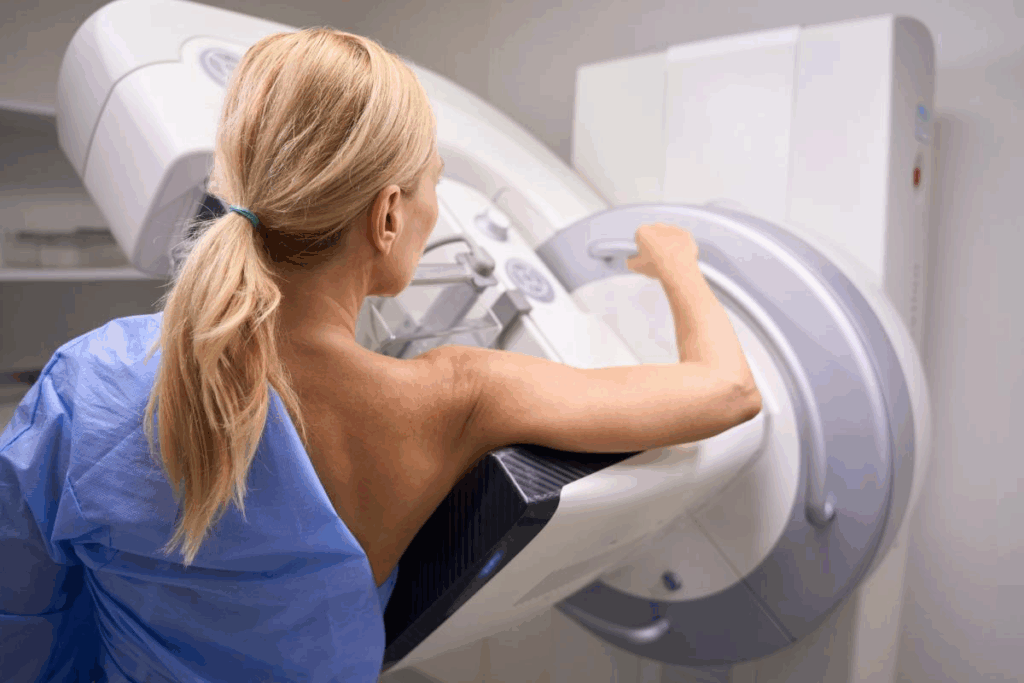
After a mastectomy, many patients wonder when they can shower safely. Staying clean is crucial for ensuring proper wound healing.
General Timeline
When you can shower after a mastectomy depends on your situation. Usually, you can shower after 48 hours if you have a waterproof dressing. Always listen to your surgeon’s advice on caring for yourself after surgery.
Key Points to Remember:
- Typically, patients are allowed to shower 48 hours post-surgery with a waterproof dressing.
- Always follow your surgeon’s advice, as they may have specific recommendations based on your condition.
- Keep the surgical site clean to promote healing, but avoid submerging it in water.
Factors Affecting Showering Timing
Several things can change when you can shower after a mastectomy. These include if you have drains or dressings, the surgery type, and your health. We’ll look at these factors to help you know what to expect.
Keeping your incisions dry is essential to prevent infections and promote healing.
- The presence of surgical drains may require special care when showering.
- The type of dressing used can affect whether you can shower and how to care for the surgical site.
- Your surgeon’s instructions will be tailored to your specific needs and the details of your surgery.
By understanding these factors and following your healthcare provider’s guidance, you can safely resume showering and maintain good hygiene during your recovery.
Preparing for Your First Shower
Getting ready for your first shower after mastectomy is important. It’s a big moment, both a relief and a challenge. Being prepared can greatly help your recovery.
Gathering Supplies
Before you shower, make sure you have everything you need. This will make your experience safe and smooth. Here are some things you should have:
- Non-slip mats to prevent slipping and falling
- Gentle soap that is fragrance-free and hypoallergenic
- Soft towels for drying
- Waterproof dressings if advised by your healthcare provider
Having these items ready can reduce stress. It makes your first shower easier to handle.
Setting the Right Temperature
Choosing the right water temperature is key for a good shower. Here’s what to do:
- Make sure the water is not too hot or too cold
- Test the water with your unaffected side or ask for help
- Avoid water that’s too hot or cold to prevent discomfort or dizziness
A comfortable water temperature helps you relax. It makes your shower a positive part of your recovery.
Showering Techniques After Mastectomy
Choosing the right showering techniques after a mastectomy is key for a smooth recovery. Showering is important for keeping clean during this time. We’ll show you how to shower to reduce pain and help your body heal.
Standing vs. Sitting Showers
Patients can shower standing or sitting after a mastectomy. Standing showers are good for those with less pain, making it easier to wash. But, sitting showers are better for those with more pain or tiredness, as they put less strain on the surgery area.
For sitting showers, a shower stool or bench can help. It makes sitting in the shower easier and less tiring. Talk to your doctor to find out the best way for you to shower based on your recovery.
Using a Handheld Showerhead
A handheld showerhead is a top pick for showering after mastectomy. It lets you control the water flow, making it easier to clean your surgery area without straining. This way, you can wash gently without discomfort.
Make sure the water is not too hot or cold. Start with soft water pressure and increase it as you feel comfortable. Using a handheld showerhead can make showering more comfortable and help your recovery.
By following these showering tips, you can make your recovery more comfortable. Always listen to your healthcare team’s advice. They can give you personalized tips based on your situation.
Caring for Surgical Sites in the Shower
Keeping your surgical site clean and dry is very important after a mastectomy. Showering after surgery might seem scary, but with the right steps, you can keep your site healthy. This helps your healing process.
Keeping your incisions dry is essential to prevent infections and promote healing.
Keeping your incisions dry is essential to prevent infections and promote healing. When you shower, gently pat the area around the incision with a clean towel. Don’t soak the incision in water until your doctor says it’s okay.
Tips for Keeping Incisions Dry:
- Gently pat the area around the incision dry after showering.
- Avoid direct water pressure on the incision site.
- Use a clean towel to pat dry; avoid rubbing or scrubbing.
Using Waterproof Dressings
Waterproof dressings can add extra protection for your surgical site while showering. They are made to keep the area dry, which lowers infection risk. Talk to your healthcare team to find the best dressing for you.
Benefits of Waterproof Dressings:
- Protects the incision site from water.
- Reduces the risk of infection.
- Promotes a dry environment conducive to healing.
Following your healthcare team’s advice is essential for healing and preventing complications.guidance based on your surgery and health. By taking these steps and using the right methods, you can have a smooth recovery.
Managing Pain and Discomfort
Managing pain after breast surgery is key. We recommend using both medication and relaxation techniques. This helps to reduce discomfort.
Pain Management Strategies
Pain management is vital after surgery. Here are some strategies:
- Use pain medication as your doctor advises.
- Try relaxation techniques like deep breathing or yoga.
- Keep a comfortable position with pillows if needed.
Following your healthcare team’s advice is essential for healing and preventing complications.
Gradual Shower Introductions
Starting with short showers can ease discomfort. Begin by:
- Adjusting the water temperature to a comfortable level.
- Starting with short showers and gradually increasing the time.
- Using a handheld showerhead to control the water flow and reduce strain on your surgical site.
Remember, listen to your body and don’t rush. Slowly introducing showers can greatly improve your comfort.
Keeping a journal or log to track your pain can be helpful. It helps you communicate with your healthcare team.
Alternative Bathing Methods Pre-Shower
Keeping clean after surgery is key. After a mastectomy, showering might be off-limits due to surgical drains or dressings. We know how important it is to stay clean during this time. Luckily, there are other ways to stay fresh without a shower.
Sponge Baths
A sponge bath is a soft and effective way to clean your body. You’ll need warm water, mild soap, and a soft sponge or washcloth. Clean the areas around the surgery site carefully, making sure not to touch the incision or drains.
It’s important to be gentle and comfortable when taking a sponge bath. Having someone help can make it easier and less tiring.
Using a Face Cloth
Using a damp face cloth is another good way to stay clean. Soak the cloth in warm water, add a bit of mild soap, and gently wipe your body. This method is great for cleaning specific areas, like those near the surgery site.
| Bathing Method | Benefits | Precautions |
| Sponge Baths | Gentle on the skin, avoids direct contact with surgical sites | Ensure the sponge is soft, avoid vigorous rubbing |
| Using a Face Cloth | Targeted cleaning, can be less straining | Be gentle, avoid the surgical site, use mild soap |
Sponge baths and using a face cloth are great for staying clean after a mastectomy. Always follow your healthcare provider’s advice on post-surgery care. These methods help patients stay clean and comfortable until they can shower again.
Tips for Post-Mastectomy Showering
Having a good shower routine is key for those recovering from mastectomy surgery. It’s important to make sure the shower is safe and comfortable. This can greatly improve your recovery.
Utilizing Non-Slip Mats
Using non-slip mats is a simple yet effective way to stay safe in the shower. Place these mats at the bottom of your shower or bathtub. They help prevent slipping and falling.
- Choose the right material: Pick mats that grip well, even when they’re wet.
- Ensure proper installation: Follow the instructions to make sure the mat stays in place.
- Regularly clean the mat: Soap scum and mildew can make the mat less effective. Clean it often.
Adjusting Your Shower Routine
Changing your shower routine can make it safer and more comfortable after a mastectomy.
- Water Temperature: Make sure the water isn’t too hot or cold. Lukewarm water is best.
- Showering Technique: Using a handheld showerhead can help control the water flow. It also reduces strain on your body.
- Support: Having someone help you during your first showers can be very helpful. It adds safety and support.
By following these tips, patients can lower the risks of showering after a mastectomy. It can also make their recovery better.
Understanding Drains and Tubing
It’s key for mastectomy patients to know about drains and tubing. After a mastectomy, drains help remove extra fluid. This helps the area heal and lowers the chance of problems.
Showering with Drains
Showering with drains needs careful steps to avoid infection and keep the drains working right. Patients should follow their healthcare team’s advice on showering and drain care. They usually tell patients to:
- Keep the drain site clean and dry when not showering
- Use a waterproof dressing or bag to cover the drain site during showering
- Avoid submerging the drain site in water
After showering, it’s important to check the drains and tubing for damage or blockages. Patients should gently look over the area and tell their healthcare provider if they see any issues.
When to Remove Drains
When to take out drains depends on how much fluid is drained in 24 hours. Drains usually come out when the fluid is less than 30-50 ml a day. This shows the body is healing well. Taking out the drains is simple and done in a clinic.
| Drainage Volume (ml/day) | Action |
| More than 50 | Drains remain in place |
| 30-50 | Potential for drain removal |
| Less than 30 | Drains are typically removed |
One patient said, “Following the drain care instructions was simpler than I thought, and it really helped my recovery.” We stress the need to follow the post-operative care advice from the healthcare team for a smooth recovery.
Keeping your incisions dry is essential to prevent infections and promote healing.
Listening to your body is key to a smooth recovery after a mastectomy. As you go through the post-operative period, it’s important to know how you’re feeling. We stress the need for self-care and watching out for any early signs of trouble.
Recognizing Signs of Overexertion
Overexertion can show up in many ways, like more pain, swelling, or tiredness. It’s important to notice these signs and change your activities. If you see unusual symptoms like severe pain, redness, or swelling around the surgery area, or if you have a fever, call your healthcare provider right away.
Some common signs of overexertion include:
- Increased pain or discomfort
- Swelling or bruising around the surgical site
- Fatigue or feeling unusually tired
- Difficulty performing daily activities
Knowing When to Seek Help
Knowing when to ask for help is key during your recovery. If you’re worried about your symptoms or unsure about your progress, don’t hesitate to contact your healthcare team. “It’s always better to err on the side of caution when it comes to your health,” many doctors say.
Some times when you should seek help include:
- Experiencing severe pain that doesn’t respond to medication
- Noticing signs of infection, such as redness, swelling, or pus around the surgical site
- Having a fever or chills
- Feeling overwhelmed or struggling with emotional distress
By paying attention to your body and knowing when to ask for help, you can make your recovery smoother and more comfortable. Remember, your healthcare team is there to support you every step of the way.
Resources for Post-Surgery Care
Recovering from a mastectomy needs a lot of care and support. We know how important it is to have good resources during this time. Patients can find many post operative resources that help with both physical and emotional needs.
Support Networks
Support groups and online networks are key in recovery. They let patients share their stories, get advice, and meet others who’ve had similar surgeries. Groups focused on mastectomy support help patients deal with the challenges of breast surgery care.
It’s a good idea to check out these resources for a smooth and supportive recovery. Using these networks, patients can learn a lot and feel more connected on their journey.
FAQ
When can I shower after a mastectomy?
Your healthcare team will tell you when it’s okay to shower after a mastectomy. Usually, it’s a few days after surgery. But, it depends on if you have drains or dressings.
How do I prepare for my first shower after mastectomy?
Get ready by gathering mild soap and a washcloth. Make sure the water is not too hot. A handheld showerhead can also help.
What are some tips for showering after a mastectomy?
Use a non-slip mat to avoid slipping. Adjust your shower to be comfortable. A sitting shower or handheld showerhead can help.
Can I shower with drains after a mastectomy?
Yes, but follow your healthcare team’s advice. You’ll need to keep the drains and dressing dry.
How do I care for my surgical site in the shower?
Keep the incision dry. Use waterproof dressings if advised. Clean the area gently with mild soap and water, then pat dry.
What are some alternative bathing methods if I can’t shower immediately after surgery?
Try sponge baths or face cloths if you can’t shower right away. They help keep you clean and comfortable while you heal.
How can I manage pain and discomfort during showering?
Use pain meds before showering. Start with short showers and gradually increase time as you feel more comfortable.
What are some signs of overexertion during recovery, and when should I seek help?
Watch for increased pain, swelling, or redness. If you see these signs, or have concerns, contact your healthcare team.
Are there any resources available for post-surgery care and support?
Yes, there are many resources like support groups. We can guide you on how to find them for your recovery.
How can I prioritize self-care during my recovery?
Listen to your body and rest when needed. Follow your healthcare team’s advice. Taking care of yourself helps your recovery.
What is the best way to adjust my shower routine after a mastectomy?
Use a handheld showerhead, sit or stand showers, and non-slip mats. These make your shower safe and comfortable.
References
Centers for Disease Control and Prevention. Evidence-Based Medical Insight. Retrieved from https://www.cdc.gov/handhygiene/patients/wound-care.html