Pregnancy is a time of significant change, and for many women, it can bring about the appearance of melasma, often referred to as the “mask of pregnancy.” This common skin condition is characterized by brown or gray patches on the face, which can be challenging to manage.
Treating melasma during pregnancy requires a gentle and cautious approach to ensure the health and safety of both mother and baby. In this article, we will explore safe and effective ways to manage this condition, promoting a healthy and radiant complexion throughout pregnancy.
How to treat it during pregnancy? Learn the crucial melasma treatment tips and powerful ways to manage this serious skin condition now.
Key Takeaways
- Understanding the causes of melasma during pregnancy
- Safe treatment options for managing melasma
- The importance of gentle skincare routines
- Nutritional advice to support skin health
- Prevention strategies to minimize melasma’s appearance
Understanding Melasma: What’s Happening to Your Skin?
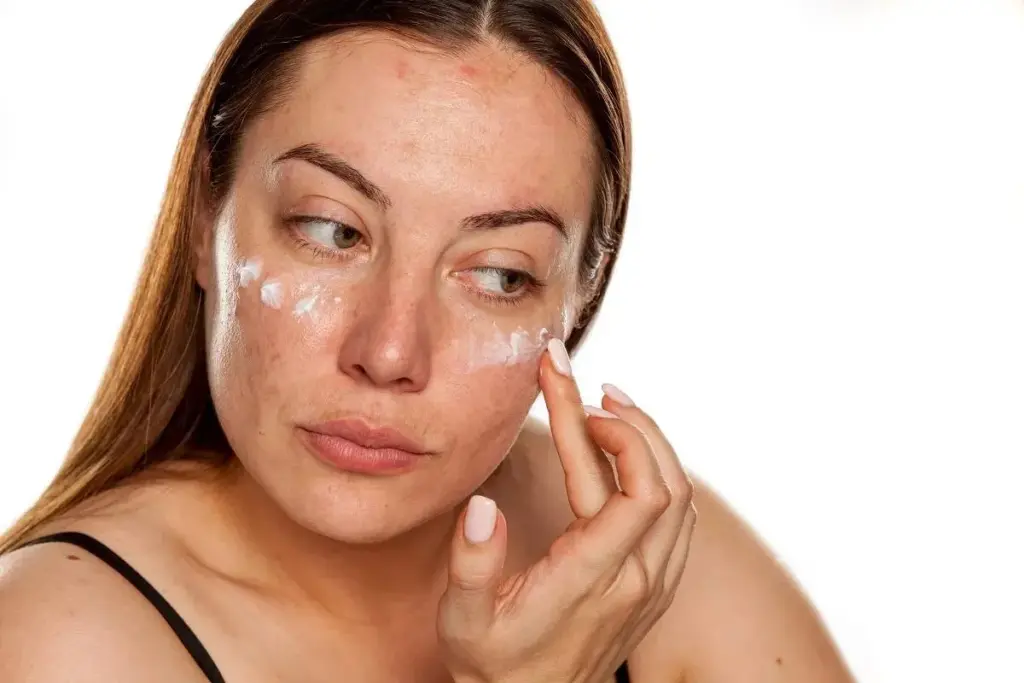
Melasma, often referred to as the “pregnancy mask,” is a condition that affects many women during pregnancy, causing brown or gray patches to appear on the face. Understanding the underlying causes and factors that contribute to melasma is essential for managing the condition effectively.
The Science Behind Melasma
Melasma occurs due to the increased production of melanin, the pigment responsible for skin color. Hormonal changes during pregnancy trigger this increase in melanin production, leading to the formation of brown or gray patches. The condition is more pronounced in areas exposed to the sun, as UV radiation stimulates melanin production further.
Factors Contributing to Melasma During Pregnancy
Several factors contribute to the development of melasma during pregnancy. Hormonal fluctuations are a primary cause, as they affect melanin production. Additionally, sun exposure plays a significant role, as UV rays can stimulate the production of melanin, exacerbating the condition. Genetic predisposition is another factor; women with a family history of melasma are more likely to experience it during pregnancy.
By understanding these factors and the science behind melasma, pregnant women can take proactive steps to manage the condition and reduce its impact on their skin.
Recognizing the Symptoms of Melasma
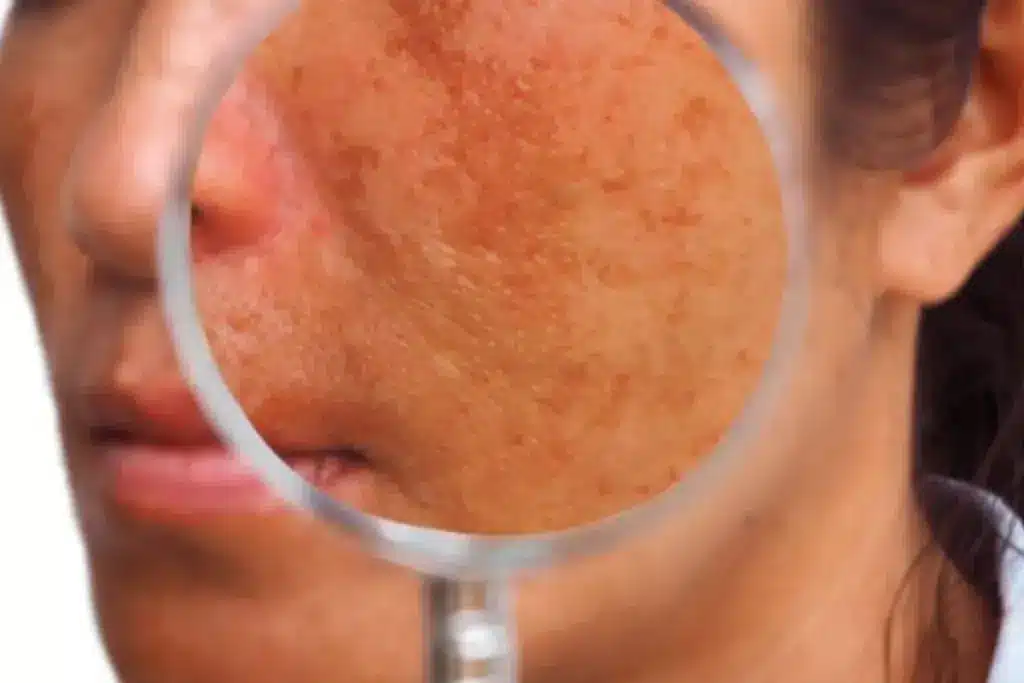
The appearance of melasma can be alarming, but knowing its symptoms can guide expectant mothers towards the right care. Melasma is characterized by patches of discoloration, typically on the face.
Common Signs to Look For
Common signs of melasma include brown or gray patches, particularly on the cheeks, nose, and forehead. These patches can be symmetrical and may darken over time if not addressed.
- Discoloration: The primary symptom is the appearance of patches that are darker than the surrounding skin.
- Symmetry: Melasma often occurs on both sides of the face, making it a distinctive characteristic.
- Facial Areas Affected: Common areas include the cheeks, nose, forehead, and sometimes the upper lip.
Differentiating Melasma from Other Skin Conditions
Differentiating melasma from other skin conditions is crucial for proper diagnosis and treatment. Conditions like freckles, sun damage, or post-inflammatory hyperpigmentation can resemble melasma.
To distinguish melasma, look for the following:
- The pattern and distribution of the discoloration.
- The presence of other symptoms such as itching or redness, which are typically absent in melasma.
- The history of sun exposure and hormonal changes.
Understanding these factors can help in identifying melasma accurately and seeking the appropriate treatment.
Why Pregnant Women are Prone to Melasma
Expectant mothers often notice changes in their skin, with melasma being a prevalent concern. This condition, commonly referred to as the “maternity mask,” manifests as patches or discoloration on the face.
Understanding what’s melasma and its causes is crucial for managing its impact during pregnancy. So, let’s delve into the factors that make pregnant women more susceptible to this condition.
Hormonal Changes and Their Impact
The significant hormonal fluctuations during pregnancy play a crucial role in the development of melasma. The surge in estrogen and progesterone levels can stimulate melanin production, leading to the characteristic skin discoloration associated with melasma pregnancy mask.
These hormonal changes can affect skin pigmentation, making some areas darker. It’s essential for pregnant women to be aware of these changes and take preventive measures.
The Role of Sun Exposure
Sun exposure is another critical factor that contributes to the development of melasma during pregnancy. UV rays can exacerbate the condition, making the skin more sensitive and prone to pigmentation changes.
Using sunscreen with a high SPF and wearing protective clothing can help mitigate the effects of sun exposure. Pregnant women should be diligent about sun protection to prevent the worsening of melasma.
By understanding the role of hormonal changes and sun exposure, expectant mothers can take proactive steps to manage and potentially reduce the appearance of melasma during pregnancy.
Safe Treatments for Melasma During Pregnancy
Melasma, often referred to as chloasma or ‘the mask of pregnancy,’ can be challenging to treat during pregnancy. It’s a condition characterized by patches of discoloration, typically on the face, and is influenced by hormonal changes and sun exposure.
When considering treatment options, it’s crucial to prioritize the safety of both the mother and the fetus. The following sections outline some of the safe and effective treatments for melasma during pregnancy.
Topical Treatments to Consider
Topical creams are often the first line of treatment for melasma. During pregnancy, it’s essential to choose creams that are safe and gentle on the skin.
- Hydroquinone-free creams are recommended as hydroquinone is generally advised against during pregnancy due to potential risks.
- Creams containing azelaic acid or kojic acid can be considered, as they are often deemed safe and can help reduce melanin production.
Natural Remedies You Can Try
In addition to topical treatments, several natural remedies can help alleviate melasma symptoms.
“Some natural ingredients have been found to have a beneficial effect on melasma, including turmeric, aloe vera, and cucumber.”
A Dermatologist
|
Natural Remedy |
Benefits |
|---|---|
|
Turmeric |
Contains curcumin, which has antioxidant and anti-inflammatory properties. |
|
Aloe Vera |
Soothes the skin and can help reduce inflammation. |
|
Cucumber |
Cooling effect and can help reduce puffiness and discoloration. |
Importance of Professional Guidance
While the above treatments and remedies can be beneficial, it’s paramount to consult with a healthcare professional before starting any new treatments during pregnancy. They can provide personalized advice and ensure that any chosen treatment is safe for both the mother and the baby.
The Role of Sunscreen in Melasma Prevention
The importance of sunscreen in preventing melasma cannot be overstated, particularly during pregnancy when skin is more sensitive. Melasma, often referred to as the “mask of pregnancy,” is a condition characterized by patches of discoloration on the skin, typically on the face. Sunscreen plays a vital role in preventing this condition by protecting the skin from harmful UV rays that can trigger melanin production, thereby reducing the appearance of melasma.
Choosing the Right SPF
Selecting a sunscreen with the appropriate Sun Protection Factor (SPF) is crucial. For pregnant women, it’s recommended to use a broad-spectrum sunscreen with an SPF of at least 30. This provides adequate protection against both UVA and UVB rays, which can contribute to melasma. Look for sunscreens labeled as “safe for pregnancy” or “non-comedogenic” to minimize the risk of skin irritation.
Application Tips for Effective Protection
Applying sunscreen correctly is just as important as choosing the right one. To ensure effective protection, apply sunscreen liberally 15-30 minutes before going outdoors and reapply every two hours or immediately after swimming or sweating. Don’t forget to apply it to often-overlooked areas such as the tops of the ears, nose, and the back of the neck.
Dietary Considerations for Melasma Management
A nutrient-rich diet is essential for minimizing the effects of melasma during pregnancy. The food you eat plays a significant role in promoting healthy skin, which can, in turn, reduce the appearance of melasma.
Foods That Promote Healthy Skin
Incorporating foods rich in antioxidants, vitamins, and minerals into your diet can help. Fruits and vegetables are packed with antioxidants that combat free radicals, potentially reducing skin discoloration. Omega-3 fatty acids, found in fish and nuts, support skin health by reducing inflammation.
Foods high in vitamin C, such as citrus fruits and berries, are particularly beneficial as they help in brightening the skin and enhancing collagen production. Additionally, consuming foods rich in vitamin E, like nuts and seeds, can provide antioxidant benefits that protect the skin.
Hydration and Its Benefits
Adequate hydration is crucial for maintaining skin health. Drinking plenty of water helps to keep your skin hydrated from the inside out, reducing the risk of dryness and irritation that can exacerbate melasma. Hydration also aids in flushing out toxins from the body, which can improve overall skin tone.
It’s recommended to drink at least eight glasses of water a day. You can also consume hydrating foods like watermelon and cucumbers to supplement your fluid intake. Maintaining proper hydration levels can make your skin look more radiant and resilient, potentially diminishing the appearance of melasma.
Lifestyle Changes to Help Reduce Melasma
Simple changes in daily habits can help alleviate the symptoms of melasma during pregnancy. By incorporating a few straightforward lifestyle adjustments, expectant mothers can better manage the appearance of melasma.
Managing Stress for Better Skin
Stress can trigger hormonal fluctuations, which may exacerbate melasma. Practicing stress-reducing techniques is essential. Methods such as meditation and yoga not only help in managing stress but also contribute to overall well-being.
- Meditation: Regular practice can reduce stress levels and improve mental health.
- Yoga: Combines physical postures, breathing techniques, and meditation to reduce stress.
- Deep Breathing Exercises: Simple yet effective in calming the mind and body.
The Importance of Adequate Sleep
Getting enough sleep is crucial for overall health, including skin health. Adequate sleep helps regulate hormones, which can, in turn, help manage melasma. Establishing a consistent sleep schedule and creating a restful sleep environment are key strategies.
|
Sleep Strategies |
Benefits |
|---|---|
|
Establishing a bedtime routine |
Signals the body that it’s time to sleep |
|
Creating a dark, quiet sleep environment |
Improves sleep quality |
|
Avoiding caffeine before bedtime |
Enhances the ability to fall asleep |
Makeup Tips for Concealing Melasma
Pregnant women dealing with melasma can find solace in effective makeup strategies that help conceal this condition. Melasma, characterized by patches of discoloration, can be challenging to manage, but with the right makeup techniques, it’s possible to achieve a more even skin tone.
Recommended Products for Women During Pregnancy
When it comes to choosing makeup products during pregnancy, it’s crucial to opt for products that are safe and gentle on the skin. Mineral-based and non-comedogenic products are highly recommended as they are less likely to clog pores or cause skin irritation.
- Look for products labeled as “pregnancy-safe” or “hypoallergenic.”
- Consider products with natural ingredients that soothe the skin.
- Avoid products with harsh chemicals, artificial fragrances, or dyes.
Application Techniques for a Natural Look
Applying makeup correctly is just as important as choosing the right products. Techniques such as layering and blending can help achieve a natural look that conceals melasma without looking cakey or obvious.
- Start with a primer to create an even base.
- Apply a lightweight foundation that matches your skin tone.
- Use concealer to target specific areas of discoloration.
As noted by makeup artist,
“The key to concealing melasma is to build coverage gradually, allowing each layer to blend seamlessly into the skin.”
Jane Doe, Professional Makeup Artist
|
Product Type |
Benefits |
Examples |
|---|---|---|
|
Mineral-based foundation |
Natural ingredients, gentle on skin |
BareMinerals, MAC Mineralize |
|
Non-comedogenic concealer |
Won’t clog pores, reduces risk of acne |
NARS Radiant Creamy Concealer, Tarte Shape Tape |
When to Consult a Dermatologist
Pregnant women dealing with persistent or severe melasma should consider seeking professional help. While many cases can be managed with self-care, some instances require the expertise of a dermatologist.
Signs That You Need Professional Help
If you’re experiencing any of the following, it’s time to consult a dermatologist: persistent melasma that doesn’t respond to self-care, severe skin discoloration, or skin irritation that causes discomfort.
Additionally, if you’re concerned about the impact of melasma on your skin health or overall well-being, seeking professional advice can provide peace of mind and guidance.
What to Expect During Your Appointment
During your visit to a dermatologist, you can expect a thorough examination of your skin to determine the best course of treatment.
The dermatologist may discuss various treatment options with you, including topical creams, chemical peels, or other therapies that are safe during pregnancy.
It’s essential to be open about your pregnancy and any concerns you have, ensuring the dermatologist can tailor their recommendations to your specific needs.
Managing Expectations: Melasma Recovery Timeline
The recovery timeline for melasma can vary significantly from one woman to another during pregnancy. Understanding this variability and the factors that influence it can help manage expectations and guide treatment decisions.
Factors Influencing Healing
Several factors can influence the healing process of melasma, including skin type, hormonal fluctuations, and sun exposure. Women with lighter skin types may notice improvements sooner than those with darker skin tones, where melasma can be more pronounced.
Hormonal changes during and after pregnancy play a significant role in the persistence or resolution of melasma. Sun exposure, without adequate protection, can exacerbate the condition, making sun protection crucial.
Post-Pregnancy Treatment Options
For some women, melasma may fade on its own after pregnancy. However, for those where it persists, various post-pregnancy treatment options are available. These can include topical creams, chemical peels, and laser therapy, among others.
It’s essential to consult a dermatologist to determine the best course of treatment based on individual skin types and the severity of melasma. They can provide personalized advice and treatment plans.
Staying Positive: Embracing Change During Pregnancy
Pregnancy is a time of significant change, and embracing these changes can help women stay positive. As you navigate the challenges of melasma, it’s essential to focus on your overall well-being.
Building a Network of Loved Ones
Having a strong support system in place can make a significant difference. Surround yourself with loved ones who can offer emotional support and help you cope with the stress of melasma.
Nurturing Your Mind and Body
Practicing self-care is vital during this period. Engage in activities that promote relaxation and stress relief, such as meditation or yoga, to help you stay centered and focused on your well-being.
By prioritizing self-care and building a support system, you can better manage the challenges of melasma and maintain a positive outlook throughout your pregnancy.
FAQ
What is melasma, and how does it occur during pregnancy?
Melasma, often referred to as the “mask of pregnancy,” is a skin condition characterized by brown or gray patches on the face. It occurs due to hormonal fluctuations during pregnancy, which stimulate melanin production, leading to the appearance of these patches.
Is melasma a sign of a complicated pregnancy?
No, melasma is not a sign of a complicated pregnancy. It’s a common condition that many pregnant women experience due to hormonal changes.
Can I use any skincare products to treat melasma during pregnancy?
No, it’s essential to choose skincare products that are safe for use during pregnancy. Opt for gentle, non-comedogenic products, and consult a healthcare professional before starting any new skincare regimen.
How can I prevent melasma from getting worse during pregnancy?
Preventing melasma from getting worse involves protecting your skin from the sun, using sunscreen with a suitable SPF, and maintaining a healthy diet rich in fruits, vegetables, and omega-3 fatty acids.
Can stress make melasma worse during pregnancy?
Yes, stress can trigger hormonal fluctuations, which can exacerbate melasma. Practicing stress-reducing techniques, such as meditation or yoga, can help alleviate symptoms.
Will melasma fade away after pregnancy?
In many cases, melasma fades away after pregnancy, but it can take time. Factors such as skin type, hormonal fluctuations, and sun exposure can influence healing.
Can I use makeup to conceal melasma during pregnancy?
Yes, makeup can be an effective way to conceal melasma. Opt for mineral-based or non-comedogenic makeup products that are safe for use during pregnancy, and apply them correctly to achieve a natural look.
When should I consult a dermatologist for melasma during pregnancy?
If you experience persistent or severe melasma, skin irritation, or other concerning symptoms, consult a dermatologist for further guidance and support.
Are there any natural remedies for treating melasma during pregnancy?
Yes, some natural remedies, such as turmeric, aloe vera, and cucumber, may help alleviate melasma symptoms. However, it’s essential to consult a healthcare professional before trying any new remedies.
Can I prevent melasma from occurring in the first place?
While it’s not possible to completely prevent melasma, taking preventive measures such as protecting your skin from the sun, maintaining a healthy diet, and managing stress can help reduce the risk of developing melasma.