
Mesotherapy is a non-surgical treatment that uses injections. But, it’s not for everyone. Some groups should stay away because of health risks.
We’ll look at who should not get mesotherapy because of health dangers. Knowing who should avoid it is key for safe treatment. Places like Liv Hospital make sure patients are safe.
People with diabetes or serious heart problems might face more risks. To find out more about and who should avoid it, we can check out recent studies and guidelines.
Key Takeaways
- Certain medical conditions may increase the risk of complications from mesotherapy.
- Understanding contraindications is key for safe and effective treatment.
- International medical centers set high standards for patient safety.
- Mesotherapy is not suitable for everyone, including pregnant or lactating women.
- Individuals with severe cardiac disease or renal disease should avoid mesotherapy.
What You Need to Know About Mesotherapy
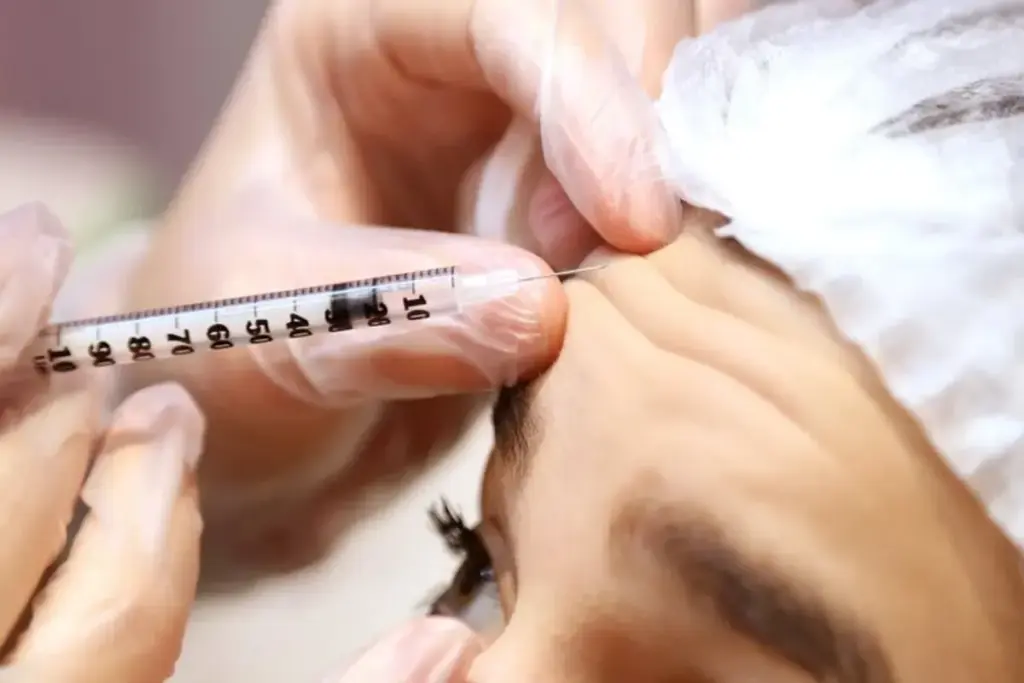
Mesotherapy is a treatment that involves injecting substances into the fat under the skin. It’s a minimally invasive method that’s popular for many reasons. Knowing how it works, what it’s used for, and its safety is key.
Definition and Basic Principles
Mesotherapy means injecting medicines, vitamins, or other substances into the fat under the skin. It’s based on getting the treatment right where it’s needed, avoiding the whole body. This makes it effective and reduces side effects.
Experts say mesotherapy is a big step forward in beauty and health treatments. It offers a custom way to tackle different skin problems.
Common Applications in Aesthetics and Medicine
In beauty, mesotherapy is used for fat reduction, skin rejuvenation, and hair restoration. It’s also used for medical issues like pain and swelling. For more details, check out.
Mesotherapy is known for being quick, easy, and precise. But, it’s not for everyone. It depends on your specific needs.
General Safety Profile
Mesotherapy is safe when done by a skilled professional. But, like any treatment, it can have risks and side effects. These might include bruising, swelling, and redness at the site.
Though rare, serious problems can happen. It’s important to know these risks and talk to your doctor about them.
In summary, mesotherapy is a promising option for many beauty and health issues. By understanding its basics, uses, and safety, you can decide if it’s right for you.
Understanding Medical Contraindications
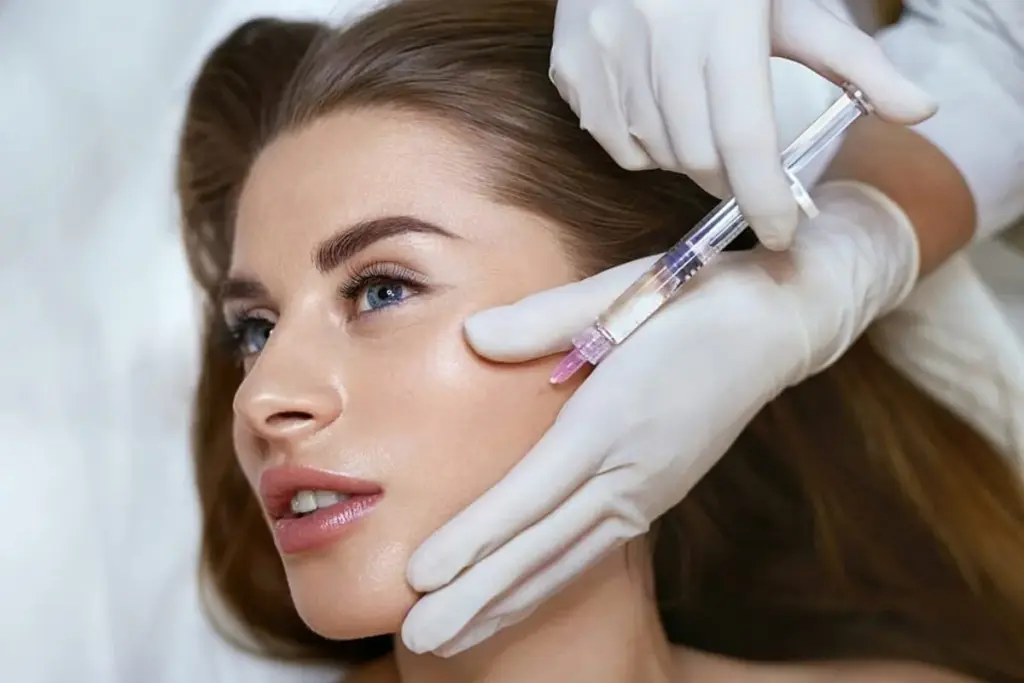
Before getting mesotherapy, knowing the medical conditions that make it unsafe is key. Mesotherapy is safe for many, but not for everyone. There are several medical reasons why it’s not right for some.
Absolute vs. Relative Contraindications
There are two types of medical reasons to avoid mesotherapy. Absolute contraindications are serious health issues that make treatment a bad idea. These include severe health problems or chronic diseases that could get worse with mesotherapy.
Relative contraindications are conditions that need careful thought before mesotherapy. Even with these, treatment might be okay after a detailed check-up and talk with a doctor.
Why Proper Screening Matters
Checking for both types of contraindications is vital. This means looking at the patient’s health history, current health, and any medicines they take. Good screening reduces risks and makes sure the treatment fits the person’s health needs.
We stress the need for honesty about medical history for a safe and effective treatment plan.
“A thorough pre-treatment assessment is key to safe mesotherapy practice.” – Expert in Aesthetic Medicine
Risk Assessment Process
The risk check for mesotherapy looks at the patient’s health, any contraindications, and the treatment’s benefits. This step is essential to decide if mesotherapy is safe and to plan the treatment.
By knowing the medical reasons to avoid mesotherapy and doing detailed checks, we can make treatments safer and more effective.
Active Infections and Mesotherapy
Before starting mesotherapy, it’s important to check for active infections. Mesotherapy involves injecting substances into the fat layer under the skin. This can cause problems if done while an infection is present.
Local and Systemic Infections
There are two types of infections: local and systemic. Local infections are in one area, like a skin abscess. Systemic infections affect the whole body, caused by bacteria, viruses, or fungi in the blood.
- Local infections can get worse with mesotherapy, spreading or causing abscesses.
- Systemic infections can get worse with more substances in the body, stressing the immune system.
Increased Risk of Infection Spread
The main worry with mesotherapy and infections is the increased risk of spreading the infection. This can happen through the blood or directly through the injections.
- Injections can spread local infections to other areas.
- Systemic infections can get worse, leading to serious conditions like sepsis.
Required Waiting Periods After Recovery
After an infection, waiting before mesotherapy is key. The wait time depends on the infection’s type and severity.
- For minor infections, wait at least 2 weeks.
- Severe infections may need a longer wait, sometimes up to several months.
Always talk to a healthcare professional to figure out the right wait time. This depends on your health and the infection details.
Autoimmune Disease Patients
Mesotherapy is not always safe for people with autoimmune diseases like lupus and scleroderma. These diseases happen when the body attacks itself. Mesotherapy, which injects medicine under the skin, might make things worse.
Lupus and Related Conditions
Systemic Lupus Erythematosus (SLE) is a chronic disease that can harm many parts of the body. Patients with lupus should be careful about mesotherapy. It might cause more problems or make the disease worse.
Scleroderma Contraindications
Scleroderma makes the skin and organs harden. Mesotherapy is not recommended for those with scleroderma. It could make the skin problems worse or cause other serious issues.
Immune Response Concerns
The biggest worry with mesotherapy for autoimmune patients is how their immune system might react. Injecting substances can make the immune system overactive. It’s important to carefully check and watch these patients. Doctors need to think about the benefits and risks before using mesotherapy.
Blood Disorders and Coagulation Issues
Blood disorders and coagulation issues are key when checking if mesotherapy is right for a patient. People with bleeding disorders or on anticoagulant therapy face higher risks.
Hemophilia and Other Bleeding Disorders
Those with hemophilia or other bleeding disorders are at a higher risk of bleeding during and after mesotherapy. “The risk of uncontrolled bleeding is a significant concern,” say medical experts. “It needs careful management to avoid serious issues.”
We must look at how severe the bleeding disorder is. Then, we might choose another treatment or change the mesotherapy plan.
Patients on Anticoagulant Therapy
Patients on anticoagulant therapy also face a higher risk of bruising and bleeding. Anticoagulants help prevent blood clots but can make mesotherapy riskier by increasing the chance of bleeding.
Talking to the patient’s healthcare provider is key. They can help decide the best course of action. This might include changing the anticoagulant medication or closely watching the patient’s blood.
Bruising and Bleeding Complications
Bruising and bleeding are common side effects of mesotherapy, more so for those with blood disorders or on anticoagulants. To manage, we use gentle pressure, cold compresses, and sometimes clotting factors or other treatments to stop bleeding.
As medical professionals, we stress the need for thorough checks before mesotherapy. This helps us spot risks and plan to avoid them. It ensures the best results for our patients.
Skin Conditions That Prevent Mesotherapy
Certain skin conditions can make mesotherapy unsafe or ineffective. It’s important to know these contraindications to avoid complications.
Keloid-Prone Individuals
People who easily get keloids should not get mesotherapy. Keloids are thick scars that can grow bigger than the original wound. Mesotherapy’s micro-injections might trigger keloids in these individuals.
We suggest keloid-prone patients talk to their healthcare provider. They might find better treatments.
Moderate to Severe Dermatitis
Those with moderate to severe dermatitis should not get mesotherapy until their skin improves. Dermatitis can make the skin inflamed and weak, leading to problems with mesotherapy like infections or bad reactions.
It’s key to treat the dermatitis first. We advise working with a dermatologist to manage it.
|
Skin Condition |
Risk with Mesotherapy |
Pre-Treatment Recommendation |
|---|---|---|
|
Keloid-Prone |
High risk of keloid formation |
Avoid mesotherapy or consider alternative treatments |
|
Moderate to Severe Dermatitis |
Increased risk of infection or adverse reaction |
Treat dermatitis before considering mesotherapy |
|
Psoriasis |
Potential for flare-ups or complications |
Manage psoriasis before treatment; consider alternative therapies |
Psoriasis and Other Inflammatory Skin Disorders
Psoriasis and other inflammatory skin disorders can be a no-go for mesotherapy. It might make these conditions worse or have unpredictable results.
We advise patients with these conditions to talk to their dermatologist. They might need to manage their condition before mesotherapy.
Knowing about these skin conditions helps us provide safer and more effective treatments for our patients.
Pregnancy and Breastfeeding Restrictions
Pregnant or breastfeeding women should know about mesotherapy risks. It’s usually safe for many, but it’s not without concerns during these times.
Fetal Development Concerns
During pregnancy, mesotherapy might affect the fetus. Some ingredients could pass through the placenta. The exact risk is unclear. We advise pregnant women to avoid mesotherapy for these reasons.
Lactation and Ingredient Transfer
For breastfeeding moms, the worry is about mesotherapy ingredients in breast milk. Even small amounts could affect the baby. We suggest breastfeeding women wait until they’ve stopped nursing before getting mesotherapy.
Recommended Waiting Periods
Deciding when to get mesotherapy requires careful thought. For breastfeeding moms, waiting two to three months after stopping is common. This reduces the risk of ingredient transfer to the baby.
|
Condition |
Recommended Waiting Period |
Rationale |
|---|---|---|
|
Pregnancy |
Avoid during pregnancy |
Potential risk to fetal development |
|
Breastfeeding |
Wait until breastfeeding is stopped |
Minimize risk of ingredient transfer to infant |
|
Post-Breastfeeding |
2-3 months after stopping breastfeeding |
Ensure safety and minimize possible risks |
Understanding these guidelines helps women make safe choices for their health and their child’s, whether pregnant or breastfeeding.
Age-Related Mesotherapy Contraindications
It’s important to know about age-related issues with mesotherapy. This is because both young and old people have different needs. This makes mesotherapy safe for some but not for others.
Why Under-18s Should Avoid Treatment
Mesotherapy is not for people under 18. This is because it can be risky. Teenagers and kids are always growing and changing. Mesotherapy could mess with their natural growth.
Also, we don’t know how mesotherapy affects growing bodies. So, it’s best to avoid it in young people.
Special Considerations for Elderly Patients
Mesotherapy might be okay for older adults, but only in some cases. This depends on their health, skin, and what they need. Older people’s skin is often less elastic and changes with age. This can affect how well mesotherapy works.
Doctors need to think carefully before using mesotherapy on seniors. They must make sure it’s safe and will work well.
Age-Appropriate Alternatives
If mesotherapy isn’t right for someone because of their age, there are other choices. Younger people might get advice on skincare. Older adults might find laser therapy or chemical peels better for them.
Knowing about these age-related issues helps doctors give better care. They can find the right treatment for people of all ages.
Chronic Disease Management and Mesotherapy
Mesotherapy is generally safe but poses risks for those with chronic health issues. We must carefully assess these risks to ensure safe treatment.
Uncontrolled Diabetes Complications
Those with uncontrolled diabetes face higher risks from mesotherapy. High blood sugar can slow healing, increase infection risk, and worsen other complications.
Key concerns include: delayed wound healing, increased susceptibility to infections, and possible interactions with diabetes medications and mesotherapy agents.
Cardiac Disease Risk Factors
People with cardiac disease are at higher risk during mesotherapy due to cardiovascular stress. We must check cardiac function before starting treatment.
Risk factors to consider: history of heart failure, coronary artery disease, and arrhythmias. These may need special precautions or different treatments.
Renal and Liver Disease Concerns
Renal and liver diseases can make it hard for the body to process mesotherapy substances. This can lead to toxicity or other bad effects. We need to check liver and kidney function before treatment.
Having renal or liver disease may mean we need to adjust the mesotherapy plan. This could include changing the dosage or using different agents.
Understanding how chronic diseases affect mesotherapy helps us manage risks. This way, we can provide safer treatments for our patients.
Allergies and Hypersensitivity to Mesotherapy
It’s key to know about allergic reactions when doing mesotherapy safely. We must talk about the dangers of allergic reactions and hypersensitivity. These can happen with mesotherapy, and knowing about them is important for everyone involved.
Common Allergens in Injectable Solutions
Mesotherapy uses different substances like vitamins and medicines. These can cause allergic reactions. Knowing which substances might cause problems is important before starting treatment.
Documented Reaction Rates
A 2022 study found that up to 14% of people had allergic reactions to mesotherapy. This shows how important it is to watch out for these reactions. The severity can range from mild to very serious.
Pre-Treatment Allergy Testing Protocols
Testing for allergies before treatment is a must. This can include skin tests or patch tests. We should also look at the patient’s medical history and any allergies they have. This helps lower the chance of a bad reaction.
Following these steps makes treatments safer and more successful. As we learn more about mesotherapy, keeping allergies and hypersensitivity in mind is essential.
Medication Interactions and Contraindications
It’s important to know how mesotherapy works with other medicines. Some drugs can make mesotherapy work better or worse. This can lead to more side effects.
High-Risk Medication Categories
Some medicines interact more with mesotherapy than others. These include:
- Anticoagulants and Antiplatelet Agents: These drugs can make it harder for blood to clot. This might cause more bruising and bleeding during and after treatment.
- Immunosuppressants: People taking these drugs might heal slower or get more infections after mesotherapy.
- Certain Antibiotics: Some antibiotics can react with mesotherapy ingredients. This might make them work too well or cause bad side effects.
Required Disclosure Before Treatment
Patients must tell us about all their medicines before mesotherapy. This includes prescription drugs, over-the-counter medicines, and supplements. It’s very important to review your medical history carefully.
Telling us about your medicines helps us see any risks. We might change your treatment plan to keep you safe. This could mean changing your medicine dosage or stopping some medicines for a while.
Medication Adjustment Protocols
For people on risky medicines, we have special plans. This might include:
|
Medication Category |
Adjustment Protocol |
|---|---|
|
Anticoagulants |
Temporarily stop or reduce dosage before mesotherapy |
|
Immunosuppressants |
Monitor patient’s immune response closely; consider delaying mesotherapy if immune system is compromised |
|
Certain Antibiotics |
Assess interaction risks; consider alternative antibiotics if necessary |
By managing medicine interactions carefully, we can make mesotherapy safer and more effective.
Documented Complications of Mesotherapy Treatments
Mesotherapy is generally safe but can have complications. It’s important to know about these issues. This knowledge helps patients understand the risks and how they might affect their health.
Common Side Effects and Their Frequency
Side effects of mesotherapy include redness, swelling, and bruising. These usually go away in a few days. Knowing how often and for how long these side effects last helps manage patient expectations and care after treatment.
- Redness and swelling: Common, usually resolving within 2-3 days
- Bruising: Moderate risk, more common in those on blood thinners
- Pain at injection site: Frequent, usually mild to moderate
Mycobacterial Skin Infections
Mycobacterial skin infections are rare but serious. They are caused by fast-growing bacteria and can be hard to diagnose and treat. These infections show up as persistent nodules or abscesses at the injection site and need special antibiotics.
Key characteristics of mycobacterial skin infections:
- Hard to diagnose at first
- Can lead to long treatment times if not caught early
- Requires special tests for accurate diagnosis
Ulcerations and Tissue Damage Reports
Ulcerations and tissue damage are severe complications of mesotherapy. They can happen due to bad technique, wrong substances, or too much pressure. These issues can harm patient outcomes and cause lasting scarring and aesthetic problems.
Severe Hypersensitivity Reactions
Severe hypersensitivity reactions are rare but serious. They can be from local allergic reactions to full-body reactions. Quick action is key to avoid serious problems.
It’s vital for doctors to know about these risks and have plans to handle them. Understanding mesotherapy’s risks helps doctors inform patients and reduce these risks for better results.
Psychological Contraindications
Exploring mesotherapy’s contraindications, we see the psychological side is key. Mesotherapy helps with many issues but isn’t for everyone, mainly those with certain mental health problems.
Body Dysmorphic Disorder Screening
Body Dysmorphic Disorder (BDD) is a big no-go for mesotherapy. People with BDD see their body in a very wrong way, focusing on small or made-up flaws. Screening for BDD is critical before mesotherapy to make sure patients know what to expect.
For more on what treatments you can’t have, like for acne scars, check out.
Unrealistic Expectations Management
Managing high hopes is also key. Some patients think mesotherapy can do more than it can. Clear communication about what mesotherapy can and can’t do is essential. This helps match what patients hope for with what’s possible.
Mental Health Considerations
Mental health is a big factor in who can get mesotherapy. Issues like anxiety or depression can make it hard for someone to handle the treatment. A thorough assessment of a patient’s mental health is needed to see if mesotherapy is right for them.
Research Gaps in Mesotherapy Safety
Mesotherapy is becoming more popular, but we don’t know much about its long-term safety. This is true for people with complex health issues. We need to fill these gaps to keep patients safe and ensure the best results.
Limited Long-Term Safety Data
One big worry is the lack of long-term safety data for mesotherapy. Most studies only look at short-term effects. This means we don’t know how it works over time.
- Insufficient follow-up: Many studies don’t track patients for long enough. This makes it hard to see long-term risks.
- Lack of standardized protocols: Different treatment methods make it hard to compare safety data.
Complex Health Profiles and Unknown Risks
People with complex health issues face special challenges. We don’t know how mesotherapy interacts with these conditions.
Key concerns include:
- The risk of unexpected drug interactions
- The effect on underlying health conditions
- The chance of making existing health problems worse
Ongoing Studies and Emerging Concerns
But, there are studies underway to learn more. Researchers are working to understand mesotherapy’s safety better. They want to know about its long-term effects and how it interacts with other health issues.
As we get more research, we’ll know more about mesotherapy’s risks and benefits. This will help doctors and patients make better choices.
Pre-Treatment Screening Essentials
Before starting mesotherapy, a detailed screening is key. It ensures safety and effectiveness. This step helps to identify any potential risks and tailor the treatment to each individual’s health needs.
Comprehensive Medical History Review
Reviewing a patient’s medical history is vital. We look at past health issues, allergies, and treatments. This helps us understand risks and decide if mesotherapy is safe.
Key elements of the medical history review include:
- Previous allergic reactions or hypersensitivity
- Chronic medical conditions (e.g., diabetes, autoimmune diseases)
- Bleeding disorders or anticoagulant therapy
- Previous surgeries or significant medical procedures
- Current medications and supplements
Physical Examination Requirements
A detailed physical exam is also essential. It checks the patient’s overall health and finds any physical reasons why mesotherapy might not be right.
The physical examination may include:
- Visual inspection of the treatment area
- Assessment of skin condition and integrity
- Evaluation of circulation and lymphatic drainage
- Checking for signs of infection or inflammation
Laboratory Testing When Indicated
Sometimes, lab tests are needed to check if mesotherapy is right. These tests find hidden health issues that might not show up in history or physical exams.
Examples of relevant laboratory tests include:
- Complete blood count (CBC) to assess overall health and detect infections
- Coagulation studies for patients on anticoagulant therapy
- Blood glucose testing for diabetic patients
- Liver function tests for certain conditions
By reviewing medical history, doing physical exams, and running lab tests, we make sure mesotherapy is safe and works well. This careful screening is key to avoiding risks and getting the best results for our patients.
Choosing a Qualified Mesotherapy Provider
Choosing the right mesotherapy provider is key to getting good results and avoiding risks. It’s important to know that your provider’s skills greatly affect your treatment’s success.
To make sure you’re in good hands, check your provider’s credentials. Look at their qualifications, training, and experience with mesotherapy.
Credential Verification
Verifying your provider’s credentials is a must. You should find a provider who is:
- Board-certified in a relevant medical specialty
- Trained in mesotherapy techniques
- Experienced in treating conditions similar to yours
A study in the Journal of Clinical and Aesthetic Dermatology says, “proper training and experience are key to avoiding mesotherapy complications.”
Experience with Contraindication Management
A good provider knows how to handle contraindications. They should be able to assess your health, spot risks, and take the right precautions.
|
Contraindication |
Management Strategy |
|---|---|
|
Active infections |
Delay treatment until infection is resolved |
|
Blood disorders |
Assess bleeding risk and take necessary precautions |
Safety Protocol Assessment
It’s also important to check the safety protocols at your provider’s clinic. Look at:
- Sanitation and hygiene practices
- Equipment sterilization procedures
- Emergency preparedness plans
an expert in aesthetic medicine, says, “A safe and clean environment is essential for mesotherapy safety.”
“Aesthetic practitioners must prioritize patient safety above all else.”
By carefully looking at these factors, you can choose a mesotherapy provider wisely. This ensures a safe and effective treatment for you.
Conclusion: Making Informed Decisions About Mesotherapy
We’ve looked into mesotherapy, its uses, risks, and when it’s not safe. To make smart choices about mesotherapy, you need to know all these details. This ensures your treatment is both safe and effective.
Knowing the risks and when it’s not safe helps you take steps to stay safe. Choosing the right provider is key to avoiding problems with mesotherapy.
It’s important to focus on safety when thinking about mesotherapy. Pick a qualified provider who knows your health and can handle any risks. This way, you can make choices that fit your health goals and needs, leading to better results.
FAQ
What is mesotherapy, and how does it work?
Mesotherapy is a treatment where medications or vitamins are injected into the fat layer. It helps with fat reduction and skin rejuvenation.
Who is not a good candidate for mesotherapy?
People with active infections, autoimmune diseases, or bleeding disorders should avoid mesotherapy. Also, pregnant or breastfeeding women, those under 18, and those with uncontrolled chronic diseases are not good candidates.
What are the absolute contraindications for mesotherapy?
You should not get mesotherapy if you have active infections or severe allergies to the substances used. Certain medical conditions can also be worsened by the treatment.
Can individuals with autoimmune diseases undergo mesotherapy?
People with autoimmune diseases like lupus or scleroderma should be careful. Mesotherapy might trigger or make their immune responses worse.
How do bleeding disorders affect mesotherapy?
If you have bleeding disorders or are on blood thinners, mesotherapy can lead to more bruising and bleeding.
Is mesotherapy safe during pregnancy and breastfeeding?
Pregnant or breastfeeding women are usually advised against mesotherapy. It could pose risks to the fetus or baby.
What are the risks associated with mesotherapy for individuals with chronic diseases?
If you have uncontrolled diabetes, heart disease, or serious kidney and liver problems, mesotherapy can be risky. These conditions might make the treatment more complicated or increase the risk of side effects.
How can allergic reactions to mesotherapy be minimized?
Doing an allergy test before treatment is key. It helps avoid allergic reactions to the substances used in mesotherapy.
What medication interactions can occur with mesotherapy?
Some medications can react with mesotherapy substances, leading to complications. It’s important to tell your doctor about all medications you’re taking before the treatment.
What are the common side effects of mesotherapy?
Side effects like bruising, swelling, and redness at the injection site are common. But, rare but serious issues like mycobacterial skin infections and severe allergic reactions can also happen.
How can psychological factors impact the suitability of mesotherapy?
Psychological issues, like body dysmorphic disorder and unrealistic expectations, can make mesotherapy unsuitable. It’s important to screen for these before treatment.
What is the importance of pre-treatment screening for mesotherapy?
A thorough medical history review, physical exam, and lab tests are essential before mesotherapy. They help identify any risks and ensure your safety.
How can one choose a qualified mesotherapy provider?
Look for a qualified provider by checking their credentials and experience with managing risks. Also, make sure they follow strict safety protocols.
What are the age-related considerations for mesotherapy?
Mesotherapy is not recommended for those under 18 due to safety concerns. For older patients, other treatments might be safer and more suitable.
Reference List:
PubMed Central (PMC). Mesotherapy in clinical practice.https://pmc.ncbi.nlm.nih.gov/articles/PMC8814845/
Indian Journal of Dermatology, Venereology and Leprology (IJDVL). Mesotherapy: What is new?https://ijdvl.com/mesotherapy-what-is-new/
PubMed Central (PMC). Mesotherapy-induced complications: A review.https://www.ncbi.nlm.nih.gov/pmc/articles/PMC6117691/
PubMed Central (PMC). Efficacy and safety of mesotherapy for skin rejuvenation: Evidence review.https://www.ncbi.nlm.nih.gov/pmc/articles/PMC6691938/