
Found a mole inside the mouth? This guide covers 5 alarming causes, from simple nevi to melanoma, and when you must see a doctor. Seeing a black spot or brown mole in your mouth can be scary. But knowing what causes them can make you feel better. Most dark spots are not serious and just need watching.
At Liv Hospital, we offer caring, science-backed care for oral pigmentation. We’ll look into why black spots happen, like melanotic macules and oral nevi.
Learning about these issues can calm your worries. Our team is dedicated to top-notch healthcare and support.
Key Takeaways
- Most black spots in the mouth are caused by benign conditions.
- Melanotic macules are a common cause of dark spots.
- Oral nevi are another benign condition that can cause moles.
- Professional evaluation is key to rule out serious conditions.
- Liv Hospital provides expert care for managing oral pigmentation.
Understanding Oral Pigmentation
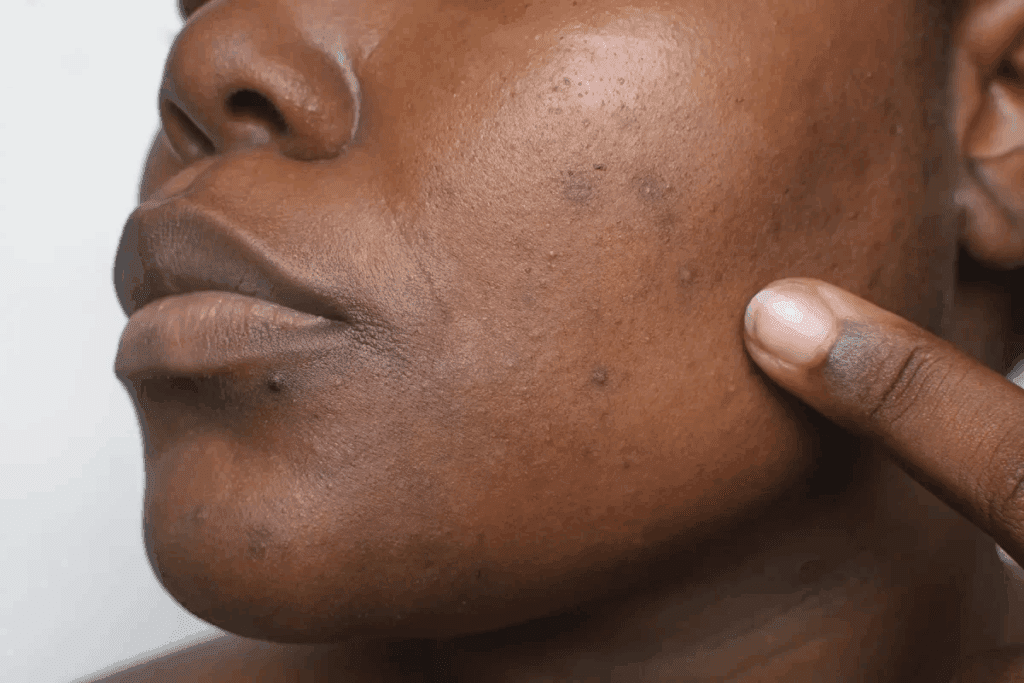
It’s important to know about oral pigmentation to tell normal from abnormal. Oral pigmentation is when the inside of your mouth turns different colors. This can happen because of melanin.
Melanin is what makes your skin and mouth tissues their colors. When melanin levels change, you can see different colors in your mouth.
Normal vs. Abnormal Pigmentation
Some people naturally have more melanin, which can make their mouth look darker. But, if your mouth changes color in a way that’s not normal, it could mean you have a health problem.
Telling normal from abnormal pigmentation is key. Doctors look at the size, color, and where the pigmentation is to decide what it means.
Common Locations for Oral Pigmentation
Oral pigmentation can show up in many places in your mouth. This includes your lips, gums, tongue, and cheeks. These areas often get more wear and tear.
Location | Common Causes | Characteristics |
Lips | Melanin deposits, sun exposure | Dark spots or discoloration |
Gums | Melanin, amalgam tattoos | Blue or black discoloration |
Tongue | Melanin, medications | Patchy discoloration |
Inside Cheeks | Trauma, melanin | Dark spots or patches |
Ethnic and Racial Variations in Oral Pigmentation
Oral pigmentation can vary by ethnicity and race. People with darker skin often have more melanin. This can make their mouth look darker too.
Dentists need to understand these differences. It helps them tell what’s normal and what’s not. This way, they can give the right care and ease patients’ worries.
Melanotic Macules: The Most Common Cause

Melanotic macules are the most common cause of oral pigmentation. They are often found during dental exams and look like brown or black spots. Knowing about them helps dental experts and patients to not worry too much and manage them right.
Identifying Characteristics and Appearance
Melanotic macules are small, usually under 7 mm, and flat. They can show up anywhere in the mouth, like on the lips or inside the cheeks. Their color can range from brown to black, depending on the melanin level. It’s important to know these spots are harmless and won’t turn into cancer.
Prevalence and Statistical Data
Research shows melanotic macules make up 86.1% of solitary melanocytic lesions in the mouth. This makes them a key factor in diagnosing oral pigmentation. They are more common in some groups and can be linked to things like ethnicity and certain exposures.
Distinguishing Melanotic Macules from Other Conditions
Even though melanotic macules are harmless, it’s important to tell them apart from serious conditions like melanoma. A detailed check-up and sometimes a biopsy are needed for a correct diagnosis. Dentists look at the size, color, and where the spot is, along with the patient’s health history, to make the right call.
Oral Nevi: Moles Inside the Mouth Explained
Oral nevi, also known as moles inside the mouth, are harmless growths. They can show up in different shapes and spots in the mouth. These spots are usually small and can be brown, bluish-gray, or nearly black. It’s important to know about oral nevi to tell them apart from more serious conditions.
Types of Oral Nevi
Oral nevi can be divided into several types based on their structure. The main types include:
- Junctional nevi: These are flat and occur at the junction of the epithelium and connective tissue.
- Intramucosal nevi: These are the most common type and are found within the connective tissue.
- Compound nevi: These have characteristics of both junctional and intramucosal nevi.
- Blue nevi: These appear blue or blue-black due to the presence of melanin deep in the tissue.
Typical Appearance and Common Locations
Oral nevi can pop up anywhere in the mouth but are most often seen on the hard palate and the buccal mucosa. They are usually small, ranging from 1 to several millimeters in diameter. Their color can vary from brown to blue or black, depending on the type and depth of the melanin.
Type of Nevi | Typical Appearance | Common Locations |
Junctional Nevi | Flat, brown | Palate, buccal mucosa |
Intramucosal Nevi | Dome-shaped, brown to black | Buccal mucosa, lips |
Compound Nevi | Variable, often pigmented | Palate, buccal mucosa |
Blue Nevi | Blue or blue-black | Palate, dorsum of the tongue |
Natural Evolution Over Time
Oral nevi are generally stable but can change over time. Some may stay the same for years, while others may darken or lighten. It’s important to watch these lesions for any big changes that could mean a problem. Regular dental check-ups help catch any changes in oral nevi early.
Smoker’s Melanosis: Tobacco-Induced Pigmentation
Many smokers don’t know their habit can cause smoker’s melanosis. This condition leads to dark spots inside the cheek and other parts of the mouth. It’s a common issue for tobacco users, caused by the body’s reaction to tobacco.
Effects on Melanin Production
Tobacco makes the body produce more melanin. Melanin is what gives skin and mouth color. This increase is the body’s way of fighting off tobacco’s harmful effects. As a result, the mouth, including cheeks and gums, can darken or change color.
Key factors influencing melanin production include:
- The duration and intensity of tobacco use
- The type of tobacco products used
- Individual susceptibility to tobacco’s effects
Prevalence Among Smokers
About 22% of smokers get smoker’s melanosis. This number can change based on who is studied and how they are diagnosed. The condition is more common in heavy and long-term tobacco users.
It’s important to remember that smoker’s melanosis isn’t just for cigarette smokers. Users of cigars and chewing tobacco can also get it.
Reversibility After Smoking Cessation
The good news is that smoker’s melanosis can go away. Studies show that the dark spots can lessen or disappear after quitting smoking. Stopping tobacco use not only makes the dark spots fade but also improves your overall health.
Steps to manage smoker’s melanosis include:
- Quitting tobacco use
- Maintaining good oral hygiene
- Regular dental check-ups to monitor oral health
Amalgam Tattoos From Dental Procedures
During dental work, amalgam material can get stuck in the mouth’s tissues. This leads to the formation of amalgam tattoos. These tattoos happen when amalgam particles accidentally get implanted during dental procedures. About 3.3% of people in the US have them.
Formation Mechanism During Dental Work
Amalgam tattoos form when dental amalgam fragments get stuck in the mouth’s tissues during dental work. This can happen when placing or removing amalgam fillings. The particles can embed in the mucosa or even bone.
The process of making amalgam tattoos is linked to using amalgam fillings. When these fillings are put in or taken out, there’s a chance of particles spreading into the tissues.
Distinguishing Features and Appearance
Amalgam tattoos look like blue-gray or black spots on the mouth’s lining. They can be different sizes and often appear on the gums or cheek. Their look is quite distinct, making them easy to spot during a dental check-up.
Key characteristics include:
- Blue-gray or black discoloration
- Variable size
- Common locations: gingiva, alveolar ridge, buccal mucosa
Long-term Prognosis and Safety Concerns
Amalgam tattoos are usually harmless. They don’t usually need treatment unless they bother you or if there’s a need to check for other conditions like melanoma.
Safety concerns are minimal, as amalgam tattoos don’t release mercury. But, if there’s any doubt, a biopsy might be suggested to confirm the lesion’s nature.
Medication-Induced Oral Hyperpigmentation
Some drugs can cause discoloration inside the mouth. This is known as medication-induced oral hyperpigmentation. It’s not rare and can happen with many types of medications.
Common Medications That Cause Oral Pigmentation
Many medications can lead to oral hyperpigmentation. Here are some examples:
- Antimalarial drugs: These can cause blue-black or brown spots in the mouth.
- Antihypertensive medications: Some blood pressure medicines can also cause oral pigmentation.
- Chemotherapy agents: Some cancer treatments can change the color of the mouth as a side effect.
- Antibiotics and antivirals: Some medicines for infections can also lead to oral hyperpigmentation.
The risk and how bad the pigmentation is can differ. It depends on the drug, how much you take, and your health.
Mechanism of Drug-Induced Hyperpigmentation
How drugs cause oral hyperpigmentation can vary. But it often involves changes in how melanin is made or how the drug builds up in the mouth.
Some drugs can make melanocytes work more, leading to more pigmentation. Others might deposit drug particles in the mouth, causing discoloration.
Management and Reversibility
Managing this condition usually means talking to a doctor. They can check if you really need the drug and find other options.
Stopping the drug might make the pigmentation go away. But sometimes, it stays forever.
It’s a good idea to see a dentist regularly. They can watch for changes in your mouth’s color. Sometimes, cosmetic treatments can help make your mouth look better.
Systemic Conditions Causing Oral Pigmentation
Oral pigmentation can signal various systemic conditions affecting the body. These conditions can show up in the mouth, leading to changes in color. These changes might indicate a health issue.
Addison’s Disease and Hormonal Disorders
Addison’s disease is a rare condition where the body doesn’t make enough cortisol and aldosterone. A symptom is hyperpigmentation, which can show up in the mouth. This pigmentation is usually spread out and can be seen on the inside of the cheeks, lips, and tongue.
Hormonal issues, like Addison’s disease, can cause more melanin to be made. This leads to oral pigmentation. Finding the cause of this pigmentation is key to treating it right.
Peutz-Jeghers Syndrome
Peutz-Jeghers syndrome is a genetic disorder that causes polyps in the gut and raises cancer risk. It’s known for melanin spots in the mouth, which look like dark or blue marks on the lips, inside cheeks, and tongue.
These spots are often seen in kids and can help doctors diagnose Peutz-Jeghers syndrome.
Other Systemic Conditions With Oral Manifestations
Other conditions can also cause oral pigmentation, including:
- Hemochromatosis: A condition where too much iron builds up, causing color changes.
- Alkaptonuria: A rare genetic disorder that affects amino acid metabolism, leading to color changes.
- Melanoma: Though rare, melanoma can appear as a pigmented lesion inside the mouth.
Knowing about these conditions and their mouth symptoms is important for early detection and treatment. If you see unusual color changes in your mouth, see a doctor for a check-up.
Warning Signs: When to Be Concerned
Spotting warning signs in oral lesions is vital for early treatment. Many are harmless, but some could be serious. We’ll show you the signs that mean you need to see a doctor.
The ABCDE Rule Applied to Oral Lesions
The ABCDE rule is a handy tool for checking out odd-looking spots in your mouth. It helps spot serious issues by looking at a few key things:
- Asymmetry: Look for spots that aren’t even.
- Border: Spots with jagged or fuzzy edges.
- Color: Spots with different colors or uneven color.
- Diameter: Spots bigger than a pencil eraser.
- Evolving: Spots that change size, shape, or color over time.
Using the ABCDE rule can catch serious mouth spots early.
Changes That Require Immediate Medical Attention
Some changes in mouth spots need you to see a doctor right away. These include:
Change | Description |
Rapid Growth | Spots that grow fast or change a lot. |
Ulceration | Spots that turn into sores or bleed. |
Pain | Spots that hurt or feel sore. |
If you see any of these, get to a doctor fast.
Differentiating Benign vs. Potentially Malignant Lesions
Telling apart harmless spots from serious ones is hard without a doctor. But knowing the ABCDE rule can help.
Being careful and seeing your doctor regularly is key to keeping your mouth healthy.
Oral Melanoma: Understanding the Risks
It’s vital to know about oral melanoma because it’s a serious condition. Its chances and survival rates change based on when it’s found. Oral melanoma, or mucosal melanoma, is a rare mouth cancer. It looks like a dark spot or patch, often on the palate or gums. It can be mistaken for something harmless.
Risk Factors and High-Risk Populations
There are several things that make you more likely to get oral melanoma. These include:
- Age: It’s more common in older adults, usually between 40 and 70.
- Ethnicity: Some ethnic groups might be at higher risk.
- Genetic Predisposition: If you have a family history of melanoma or other cancers, you might be at higher risk.
- Pre-existing Conditions: Certain conditions, like dysplastic nevi syndrome, can raise your risk.
Early Detection and Importance of Screening
Finding oral melanoma early can greatly improve your chances of survival. Screening means a detailed check of your mouth for unusual spots or changes in moles. The ABCDE rule, used for skin melanoma, also works for mouth lesions:
- A: Asymmetry
- B: Border irregularity
- C: Color variation
- D: Diameter increase
- E: Evolving
Going to the dentist regularly is key for catching it early. Dentists know how to spot suspicious spots and can take biopsies if needed. Knowing about oral melanoma risks and symptoms is important for better outcomes.
Diagnosis and Professional Assessment
Diagnosing oral pigmentation starts with a detailed dental check-up. If a patient has a black spot inside their cheek or mouth, we need to assess it carefully. This helps us find the cause and the right treatment.
Initial Dental Examination Procedures
At first, we visually check the mouth for any unusual spots or growths. We look at:
- The size, shape, color, and texture of the spot
- The patient’s medical and dental history
- Any symptoms like pain or bleeding
This initial check helps us figure out what might be causing the problem. It guides us on what steps to take next.
Advanced Diagnostic Techniques
Sometimes, we need more tests to understand the spot better. These might include:
- Imaging studies like X-rays to see how deep the spot is
- Dermoscopy to look closely at the spot’s surface
These advanced tests give us important details for making a diagnosis.
Biopsy Procedures and Pathological Evaluation
If we can’t diagnose it just by looking, we might do a biopsy. This means taking a tissue sample from the spot for further study.
The sample is then looked at under a microscope. This helps us see if the cells are normal or if there’s something wrong. It tells us if the spot is harmless or if it could be cancerous.
By combining what we see and what the lab finds, we can give a clear diagnosis. Then, we can plan the best treatment.
Treatment Approaches for Oral Pigmentation
Treatment for oral pigmentation varies based on the diagnosis. It can range from simple observation to surgery. The choice depends on the cause, type of pigmentation, and its health impact.
Observation and Monitoring Protocols
For harmless lesions, watching them closely is often enough. Regular visits to a healthcare provider are key. They help track any changes in size, color, or shape.
Watching is good for conditions like melanotic macules or oral nevi. But, knowing when to seek more action is important. Look out for size, color, or texture changes.
Surgical Removal Options
When pigmentation might be cancerous or is painful, surgery is needed. Removing the lesion is a common solution. We make sure the process is as painless as possible, often using local anesthesia.
Choosing surgery depends on several factors. These include the lesion’s location, size, and the patient’s health. After surgery, follow-ups are essential to check healing and for any signs of return.
Treatment Option | Indications | Benefits |
Surgical Removal | Suspected malignancy, symptomatic lesions | Definitive diagnosis, removal of potentially harmful lesions |
Laser Treatment | Cosmetic concerns, certain benign lesions | Minimally invasive, quick recovery |
Observation | Benign lesions, no symptoms | Avoids unnecessary intervention, monitors for change |
Laser and Other Modern Treatment Approaches
Laser therapy is popular for cosmetic reasons. It can remove or lessen pigmented spots with little discomfort and fast healing. We use advanced lasers for effective treatment.
Other modern methods include topical treatments or medications. The right treatment depends on the patient’s condition, preferences, and health.
In conclusion, treating oral pigmentation needs a personalized approach. We consider the cause, type, and health impact. Our goal is to find the best treatment for each patient.
Conclusion
It’s important to know why black spots and moles appear in the mouth. This knowledge helps in managing them properly. We’ve looked at different reasons, like melanotic macules and smoker’s melanosis.
Spotting the signs of these conditions early is key. This way, people can get the right help when they need it. Oral pigmentation might show a bigger health issue that needs a doctor’s check.
Seeing a healthcare expert is a must for a proper look and diagnosis. With the right care, people can feel better and keep their mouth healthy.
FAQ
What are the common causes of black spots inside the mouth?
Black spots inside the mouth can come from different things. These include melanotic macules, oral nevi, and smoker’s melanosis. Amalgam tattoos and some medicines can also cause them. These spots are usually harmless but can be signs of something more serious.
Are black spots inside the mouth a sign of cancer?
Not all black spots in the mouth are cancer. But, some can be a warning sign for oral melanoma. It’s very important to see a doctor to find out what they are.
What is a melanotic macule, and how is it different from other oral lesions?
A melanotic macule is a harmless, flat spot that can be brown or black. It shows up inside the mouth. It’s different from other spots because of its look and size.
Can smoking cause pigmentation inside the mouth?
Yes, smoking can lead to smoker’s melanosis. This is when the mouth gets darker because of more melanin. Quitting smoking can make this go away.
What is an amalgam tattoo, and how is it formed?
An amalgam tattoo is a harmless spot that happens when dental filling material gets stuck in the mouth. It looks gray or blue-gray. It’s not harmful.
Can certain medications cause oral hyperpigmentation?
Yes, some medicines can make the mouth darker as a side effect. This happens because of how the medicine affects melanin. Stopping the medicine might make it go away.
How are oral nevi (moles inside the mouth) typically managed?
Oral nevi are usually okay and just need watching. Sometimes, they might need to be removed if they look suspicious or hurt.
What is the ABCDE rule, and how is it applied to oral lesions?
The ABCDE rule helps figure out if a mouth spot could be cancer. It looks at if the spot is Asymmetrical, has an irregular Border, is a weird Color, is too big, or is changing. It’s a way to check if something might be serious.
How is oral melanoma diagnosed and treated?
Doctors use exams, pictures, and biopsies to find oral melanoma. Treatment usually means surgery. Finding it early is key to surviving.
What is the importance of a professional dental examination in evaluating oral pigmentation?
A dentist’s check-up is key for looking at mouth spots. They can tell a lot about the spot, like its size and if it’s serious. This helps decide what to do next.
Can oral pigmentation be a sign of an underlying systemic condition?
Yes, mouth spots can mean there’s something wrong inside the body. Like Addison’s disease or Peutz-Jeghers syndrome. A doctor needs to check to find and treat the problem.
References
World Health Organization. Evidence-Based Medical Guidance. Retrieved from https://www.who.int/publications/i/item/9789240020307