
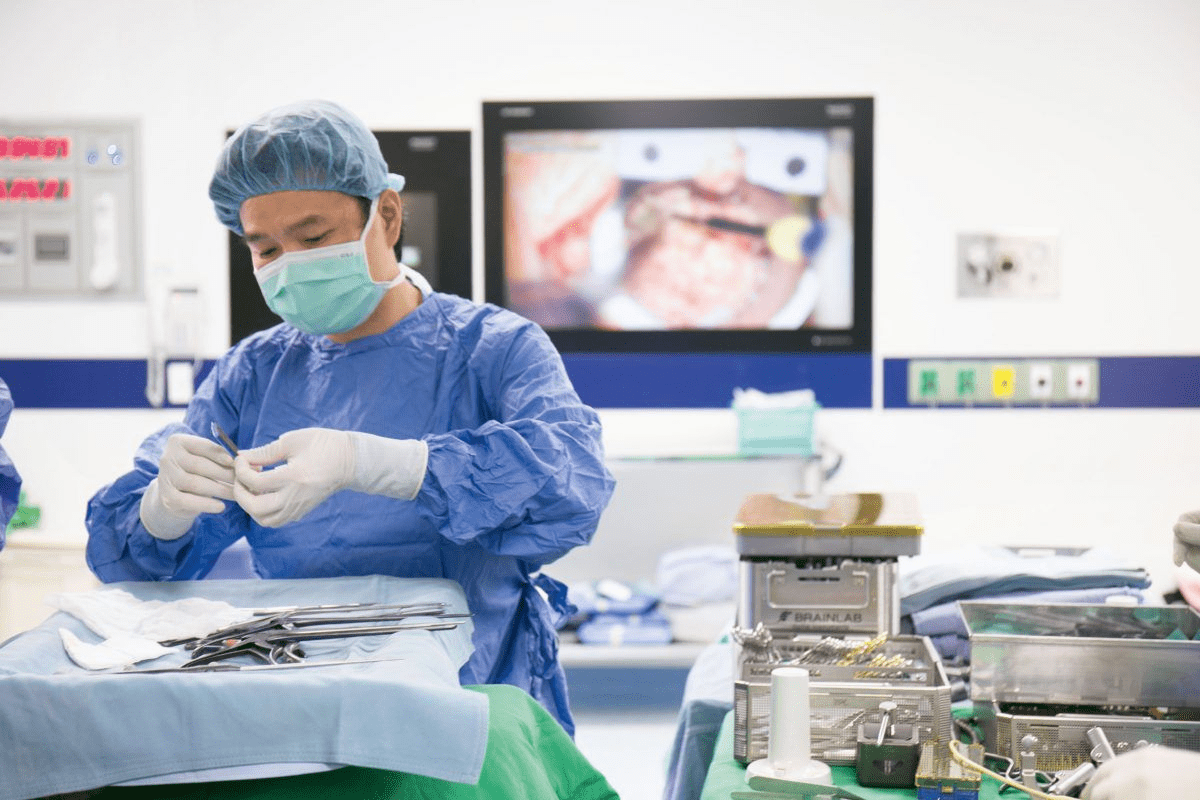
Bile duct injuries during gallbladder surgery are serious and can change a person’s life. These injuries happen in many surgeries, causing long-term health problems for patients most feared complication cholecystectomy.
It’s important to know about the risks and complications of cholecystectomy. This knowledge helps patients and doctors make better choices. It ensures care and treatment options are well-informed.
Key Takeaways
- Bile duct injuries are a significant risk during gallbladder surgery.
- Understanding complications is key to informed decision-making.
- Patients and healthcare providers must be aware of the possible risks.
- Gallbladder surgery complications can have long-term health implications.
- Awareness of risks can lead to better patient outcomes.
Understanding Cholecystectomy: An Overview

Cholecystectomy, or gallbladder removal, is a common surgery that has changed a lot over time. It’s mainly done to treat gallstones and other gallbladder problems.
There are different ways to do this surgery, each with its own benefits. Knowing about these is important for doctors and patients to make good choices.
Types of Cholecystectomy Procedures
There are two main types of cholecystectomy: laparoscopic and open.
- Laparoscopic Cholecystectomy: This is a less invasive surgery where the gallbladder is removed through small cuts. It’s popular because it causes less pain, heals faster, and looks better.
- Open Cholecystectomy: This traditional method uses a bigger cut to remove the gallbladder. It’s used when laparoscopic surgery can’t be done, like if the area is too inflamed or has had surgery before.
Indications for Gallbladder Removal
There are several reasons to remove the gallbladder, including:
- Gallstones: The main reason, causing symptoms like pain or inflammation.
- Cholecystitis: Inflammation of the gallbladder, often from gallstones, which can be sudden or long-term.
- Gallbladder Polyps: Large polyps, over 1 cm, may need to be removed because they could turn cancerous.
- Biliary Dyskinesia: A condition where the gallbladder doesn’t work right, leading to ongoing pain.
Evolution of Surgical Techniques
The approach to cholecystectomy has evolved significantly over the years. Moving from open to laparoscopic surgery was a big step forward. It made recovery faster and reduced complications. Now, there are even newer methods like robotic-assisted and single-incision laparoscopic surgery, aiming to make the procedure safer and better.
It’s important to understand how cholecystectomy has evolved. Knowing about the risks and benefits, including cholecystectomy risks dangers and laparoscopic surgery complications, helps manage surgical complications gallbladder better.
Laparoscopic vs. Open Cholecystectomy: Risk Profiles

Choosing between laparoscopic and open cholecystectomy affects recovery and risk of complications. Laparoscopic surgery is preferred because it’s less invasive. This leads to less damage to tissues and the abdominal wall.
Advantages of Laparoscopic Approach
Laparoscopic surgery has many benefits. It causes less pain, shorter hospital stays, and quicker recovery. This is because it uses smaller incisions, reducing tissue damage and wound risks.
It also allows for precise gallbladder removal, lowering the risk of laparoscopic surgery complications.
Also, laparoscopic surgery is linked to fewer surgical risk factors. This includes less chance of respiratory problems and deep vein thrombosis. This is because it requires less immobilization and is less invasive.
When Open Surgery is Preferred
Open cholecystectomy is sometimes the better choice. It’s used for complicated gallbladder diseases like gangrenous cholecystitis or perforation. It’s also preferred for patients with anatomical variations or previous abdominal surgeries.
Open surgery is considered when there’s a high risk of cholecystectomy adverse events, like bile duct injuries. The decision to use open surgery depends on the patient’s risk factors and the surgeon’s judgment.
Conversion Rates and Reasons
Conversion from laparoscopic to open surgery is sometimes needed. The rate of conversion depends on the surgeon’s experience, the case’s complexity, and the presence of inflammation or adhesions. Common reasons include difficulty in finding anatomy, significant bleeding, or equipment failure.
Knowing why conversions happen and being ready for them is key. It helps in reducing surgical risk factors and ensuring the best outcomes for patients.
Common Complications of Gallbladder Surgery
It’s important to know about the possible problems after gallbladder surgery. This surgery, or cholecystectomy, is done to fix gallstones and other issues with the gallbladder.
Minor Complications
Minor issues after gallbladder surgery include wound infections, small bile leaks, and changes in bowel habits. These problems are usually treated with simple care and don’t often lead to lasting issues. A study on shows that the chance of these minor problems depends on the surgery method.
“Most patients have a quick recovery from cholecystectomy,” say surgeons. “But knowing about these minor issues is key for the best care,” they add.
Major Complications
Major problems, though rarer, can greatly affect patients. These include bile duct injuries, big vascular injuries, and serious infections. Bile duct injuries are very serious because they can lead to long-term health issues and need complex treatments.
- Bile duct injuries
- Major vascular injuries
- Severe infections
Frequency of Adverse Events
The chance of problems after gallbladder surgery changes based on several things. These include the surgery type (laparoscopic vs. open), the patient’s health, and the surgeon’s skill. Research shows laparoscopic surgery usually has fewer complications than open surgery. But, the risk of some issues like bile duct injury might be the same or a bit higher.
It’s vital for doctors and healthcare teams to talk about these possible issues with patients. This ensures patients understand the risks and get the best care before and after surgery.
The Most Feared Complication of Cholecystectomy: Bile Duct Injury
Cholecystectomy is usually safe, but it can lead to bile duct injury. This is a serious issue because it can harm your quality of life for a long time.
Definition and Classification Systems
Bile duct injuries are classified using systems like the Bismuth classification. This helps doctors decide how to treat them. It sorts injuries by how bad they are and where they are.
Knowing how bad an injury is helps doctors choose the right treatment. Injuries can range from small tears to big problems that need a lot of fixing.
Incidence Rates in Modern Practice
Bile duct injuries happen in about 0.3% to 0.5% of laparoscopic cholecystectomies. This number can change based on the surgeon’s skill and the case’s complexity. Even with better technology, these injuries are a big worry.
Research shows that the number of these injuries hasn’t changed much. Some changes might be because of learning to do laparoscopic surgeries better.
Why It’s Considered Most Feared
Bile duct injuries are feared because they can cause big problems. These include needing more surgeries, risk of liver damage, and a big impact on your life. Fixing these injuries often takes a team effort from doctors, radiologists, and surgeons.
The hard work and challenges in treating these injuries make them a big concern for doctors and healthcare workers.
Anatomy of the Biliary System and Surgical Challenges
For surgeons, knowing the biliary system’s anatomy is key. It involves the liver, gallbladder, and bile ducts. These parts work together to help digest food.
Normal Biliary Anatomy
The biliary system’s normal setup includes the right and left hepatic ducts. They merge to form the common hepatic duct. This duct then connects with the cystic duct from the gallbladder, forming the common bile duct. It empties into the duodenum.
Understanding this anatomy is vital for surgeons to identify possible injury sites during cholecystectomy.
Common Anatomical Variations
Anatomical variations in the biliary system are common. They can affect surgery outcomes. Issues like aberrant hepatic ducts or cystic duct anomalies can make surgery harder if not spotted before or during surgery.
Preoperative imaging and a keen eye are key to spotting these variations.
Critical View of Safety Concept
The Critical View of Safety (CVS) is a method used in laparoscopic cholecystectomy. It ensures the cystic duct and artery are safely identified before they are cut. CVS involves clearing the hepatocystic triangle of fat and fibrous tissue.
It also means identifying the cystic duct and artery and making sure only two structures connect to the gallbladder. This technique is vital for reducing the risk of bile duct injury.
Mechanisms of Bile Duct Injury During Surgery
It’s key to understand how bile duct injuries happen during surgery. These injuries can lead to serious problems, like long-term health issues and more surgeries.
Misidentification of Structures
Misidentifying structures during surgery is a big reason for bile duct injuries. The critical view of safety technique helps reduce this risk. But, different biliary anatomy can cause confusion.
“The most common injury is a mix-up of the common bile duct with the cystic duct,” says surgical literature. This mistake leads to wrong cuts.
Technical and Operative Errors
Technical mistakes and errors in surgery also cause bile duct injuries. These include pulling too hard on the gallbladder, using surgical tools wrong, and not seeing the area well enough.
- Inadequate exposure of the operative field
- Incorrect application of clips or ligatures
- Insufficient experience of the surgeon
Thermal Injury Mechanisms
Thermal injuries can happen when using electrocautery or other energy tools near the bile duct. The bile duct’s close location to the surgery area makes it prone to heat damage.
A study found that “thermal injury to the bile duct can show up late, sometimes weeks after the surgery started.”
Risk Factors for Bile Duct Damage Surgery
It’s important to know the risks of bile duct damage during surgery. This is to improve patient care. Bile duct injury is a serious problem after gallbladder removal. Knowing what increases this risk helps doctors and healthcare teams prevent it.
Patient-Related Risk Factors
Some things about the patient can make bile duct injury more likely. These include:
- Age: Older people face a higher risk because of possible anatomical changes and weaker health.
- Obesity: Being overweight makes surgery harder because of extra fat around the gallbladder.
- Previous Abdominal Surgery: Scars from past surgeries can make it harder to see the bile ducts, raising the risk of injury.
Disease-Related Factors
Some diseases also increase the risk of bile duct damage. These include:
- Acute Cholecystitis: Inflammation of the gallbladder makes surgery more complicated, raising the risk of injury.
- Chronic Gallbladder Disease: Long-term gallbladder disease can cause scarring and change the anatomy, making surgery harder.
- Biliary Anomalies: Unusual biliary anatomy can increase the risk of injury if not spotted during surgery.
Surgeon Experience and Training Impact
The skill and training of the surgeon are key to avoiding bile duct injury. Surgeons with lots of experience and training can handle complex cases better. Important points include:
- Familiarity with Anatomical Variations: Experienced surgeons are better at dealing with unusual anatomy.
- Technical Skill: Being good at surgical techniques, like using intraoperative cholangiography, can lower the risk of injury.
- Decision Making: Seasoned surgeons make quicker, better decisions during surgery, like choosing to do an open procedure when needed.
Understanding these risk factors helps surgeons and healthcare teams reduce the chance of bile duct injury during gallbladder surgery.
Immediate Recognition of Bile Duct Injuries
Spotting bile duct injuries right away is key in cholecystectomy. It greatly affects how well a patient does. Finding and fixing these issues early can prevent serious problems later on.
Intraoperative Warning Signs
Surgeons need to watch for signs of bile duct injury during surgery. Look out for unusual bleeding, abnormal anatomy, and equipment failure. Catching these signs early means quick action to avoid more harm.
Being aware during surgery means using careful surgical techniques and paying close attention to the body’s layout. Surgeons must be ready to change their plan if needed to keep the surgery safe.
Role of Intraoperative Cholangiography
Intraoperative cholangiography (IOC) is a big help in seeing the biliary system during cholecystectomy. It spots bile duct injuries early, leading to quick action. IOC can catch problems that aren’t seen by the eye alone.
IOC is very useful when there’s a chance of unusual anatomy or when the surgeon is unsure. It gives a clear view of the biliary system, helping in safe gallbladder removal.
Immediate Management Protocols
If a bile duct injury is found during surgery, having a clear plan is vital. This might mean getting advice from a specialist, doing a repair, or stopping the surgery to check again. The goal is to act fast and right to lessen harm.
Good immediate care needs a team effort from surgeons, radiologists, and others. It’s key for the best patient results and to avoid long-term issues.
Post-Operative Complications: Delayed Presentation of Bile Duct Injuries
Bile duct injuries after gallbladder surgery can be tricky to diagnose and treat. These injuries are serious and can be hard to spot if they show up late.
Clinical Manifestations and Symptoms
People with bile duct injuries might have jaundice, belly pain, and cholangitis signs. The symptoms depend on how bad the injury is and where it is.
- Jaundice due to bile duct obstruction
- Abdominal pain resulting from bile leakage
- Cholangitis, an infection of the bile duct
Spotting these symptoms early is key to acting fast.
Comprehensive Diagnostic Workup
It’s important to do a thorough check to find out how bad the injury is. This includes blood tests and scans like MRCP or CT.
Laboratory Tests:
- Liver function tests to assess liver damage
- Bilirubin levels to evaluate jaundice
Imaging Techniques:
- MRCP to visualize the bile ducts
- CT scans to identify any fluid collections or abscesses
Time Course and Progression
The way bile duct injuries progress can differ a lot between people. Knowing how these injuries usually go is important for treatment plans.
- Initial presentation with non-specific symptoms
- Progression to more severe symptoms like jaundice or cholangitis
- Potential for complications like secondary biliary cirrhosis if left untreated
Acting quickly to diagnose and treat is vital to avoid lasting damage.
Diagnostic Approaches for Suspected Bile Leak Surgery
Managing bile leaks starts with accurate diagnosis. We use many tools like lab tests and imaging. Finding out if someone has a bile leak is key to helping them get better.
Laboratory Tests and Markers
Laboratory tests are important in the first steps of checking for bile leaks. Key tests include:
- Bilirubin levels: High bilirubin in fluid or drain output means a bile leak is likely.
- Liver function tests: If liver enzymes and bilirubin are off, it might mean a bile leak or blockage.
- Complete blood count (CBC): A high white blood cell count could mean infection or inflammation from a bile leak.
These tests help doctors think a bile leak might be there and what to do next.
Advanced Imaging Techniques
Advanced imaging is key to confirming a bile leak and seeing how big it is. Common tools include:
- Ultrasound: Good for finding fluid and helping with drainage.
- Computed Tomography (CT) scan: Shows detailed pictures of the biliary system and nearby areas, helping find the leak’s location and size.
- Hepatobiliary Iminodiacetic Acid (HIDA) scan: A nuclear test that shows where a bile leak is.
- Endoscopic Retrograde Cholangiopancreatography (ERCP): Can both diagnose and treat bile leaks by stenting or making a cut in the sphincter.
By using lab tests and advanced imaging, doctors can accurately find and treat bile leaks. This helps patients get better faster.
Management Strategies for Bile Duct Stricture and Injury
Managing bile duct strictures and injuries requires different strategies. These depend on the injury’s severity, the patient’s health, and other important factors. Treatment plans are made to fit each case carefully.
Non-Surgical Management Options
For mild bile duct injuries or strictures, non-surgical methods might work. Endoscopic retrograde cholangiopancreatography (ERCP) with balloon dilation or stenting can help. These methods relieve blockages and aid in healing.
Endoscopic approaches are less invasive than surgery. They can reduce recovery time and lower the risk of complications. But, their success depends on the stricture’s or injury’s location and severity.
Surgical Repair Techniques
When non-surgical methods don’t work or aren’t possible, surgery is needed. Roux-en-Y hepaticojejunostomy is a common surgery for bile duct injuries. It creates a new bile drainage pathway.
The right surgery depends on the injury type. Surgeon experience is key in choosing the best method. Sometimes, end-to-end repair is considered, but it’s complex and rare.
Optimal Timing of Intervention
When to treat bile duct stricture or injury is very important. Early treatment can prevent serious problems like chronic liver disease or the need for more surgery.
Some injuries need immediate repair, while others might wait. The decision depends on the patient’s condition and the multidisciplinary team input.
Bile Duct Reconstruction: Surgical Approaches
Bile duct injuries are serious after cholecystectomy. They need special surgery to fix. The goal is to make bile flow right again to avoid problems like jaundice and cirrhosis.
There are many ways to fix bile duct injuries. Two main methods are Roux-en-Y hepaticojejunostomy and end-to-end repair. Each method is chosen based on the injury’s type and size.
Roux-en-Y Hepaticojejunostomy Technique
The Roux-en-Y hepaticojejunostomy is often used for serious injuries. It uses a piece of jejunum to connect to the bile duct. This helps bile flow smoothly.
- This method helps avoid blockages in the bile duct.
- It’s good for complex injuries or when other repairs failed.
- The success depends on the surgeon and the patient’s health.
End-to-End Repair Considerations
End-to-end repair is for clean injuries with little damage. It reconnects the bile duct ends directly.
But, it has its risks. There’s a chance of blockages, mainly if the join is tight.
Key considerations for end-to-end repair include:
- The join must be free of tension.
- Using fine stitches and careful technique is key.
- Watch for signs of blockages after surgery.
Importance of Specialized Centers
Fixing bile duct injuries needs experts. Specialized centers have the right tools and teams. They handle complex cases well.
These centers offer care from many experts. This includes gastroenterologists and radiologists. It ensures patients get the best care.
Long-Term Outcomes and Cholecystectomy Morbidity
It’s important to study the long-term effects of cholecystectomy to improve patient care. This surgery removes the gallbladder to treat gallstones and other diseases.
Quality of Life Impact Assessment
How cholecystectomy affects a patient’s life is a big deal. Most people feel better after the surgery, with less pain and discomfort. But, some might face changes in bowel habits or diarrhea.
Managing Postcholecystectomy Syndrome often means changing what you eat and sometimes taking medicine. Knowing these effects helps doctors and patients plan better.
Long-Term Complications and Management
Cholecystectomy is usually safe, but there are risks. Rare bile duct injuries can happen and need careful treatment. Doctors use different methods to fix these problems.
Regular follow-up with doctors is key to catch and treat any issues early.
Survival Rates and Prognosis
Most patients do well after cholecystectomy, thanks to modern medicine. Those with benign conditions usually have a good outlook. The success of surgery greatly affects how well a patient does long-term.
Things like the patient’s health, other health issues, and why they had surgery matter a lot. For those with gallbladder cancer, the outlook depends on how early it’s caught.
In summary, knowing the long-term effects and risks of cholecystectomy is key to better care. By looking at quality of life, managing complications, and survival rates, doctors can give patients the best care possible.
Surgical Safety Concerns: Prevention Strategies
Improving surgical safety is key to better patient care. Bile duct injury, a major risk of cholecystectomy, can lead to serious problems. So, it’s vital to have strategies to prevent these issues.
“Surgical safety is not just about the technical skills of the surgeon, but also about the systems and processes in place to prevent errors,” as emphasized by experts in the field.
Surgical Technique Modifications
Changing surgical techniques is a major prevention strategy. This includes using the critical view of safety method. It helps identify the cystic duct and artery before removing the gallbladder.
Surgeons must also know about common anatomical variations. This knowledge helps avoid mistakes. Intraoperative imaging can be very helpful in this area.
Intraoperative Imaging Utilization
Intraoperative imaging, like cholangiography, is very useful. It shows the biliary anatomy and can spot injuries during surgery. This lets surgeons fix problems right away.
- Intraoperative cholangiography can help identify bile duct injuries.
- It provides real-time feedback to the surgeon.
- Corrective action can be taken immediately if an injury is detected.
Training Programs and Education
Good training and education are essential for surgeons. They need to know how to do cholecystectomy safely. This includes learning laparoscopic techniques and using intraoperative imaging.
“Education and training are key components of surgical safety. By improving surgeons’ skills, we can lower the risk of complications,” saida leading expert in surgical education.
By using these prevention strategies, we can greatly reduce the risk of bile duct injury during cholecystectomy. This leads to better outcomes for patients.
Emerging Technologies to Reduce Surgical Injury Prevention
The world of surgery is changing fast. New technologies are key in making cholecystectomy safer. These innovations help surgeons work more accurately and safely.
Fluorescence Cholangiography
Fluorescence cholangiography is a new way to see biliary structures during surgery. It uses a special dye to help surgeons see better. This makes it easier to avoid injuries to the bile ducts.
Key Benefits:
- Improved visualization of bile ducts
- Enhanced safety during laparoscopic procedures
- Reduced risk of bile duct injuries
Robotic-Assisted Approaches
Robotic surgery is a big step forward. It gives surgeons more control and precision. This is great for complex surgeries, where small, careful movements are needed.
Advantages of Robotic-Assisted Surgery:
- Enhanced precision and control
- Improved visualization through high-definition imaging
- Better outcomes in complex surgical procedures
Virtual Reality Training Systems
Virtual reality (VR) training is becoming important for surgeons. It lets them practice in a real-like setting. This can help them get better at surgery and reduce mistakes.
Benefits of VR Training:
- Realistic simulation of surgical procedures
- Enhanced training for complex surgeries
- Reduced risk of complications through improved skill acquisition
Conclusion
Cholecystectomy, a common surgery, can have risks and complications. Bile duct injury is the biggest concern. It’s important to know the causes, risk factors, and how to manage these issues for the best results.
The anatomy of the bile ducts can vary, making injuries more likely. The skill of the surgeon and following safety rules are key to reducing these risks.
New surgical methods, like laparoscopic and robotic-assisted, have made things better. New tools like fluorescence cholangiography and virtual reality training might help even more.
Handling complications from cholecystectomy well means acting fast and choosing the right treatment. A team of skilled surgeons and specialized centers is needed for the best results.
FAQ
What is the most feared complication of cholecystectomy?
Bile duct injury is the most feared complication of cholecystectomy. It can lead to severe consequences, including long-term health issues and even death.
What are the different types of cholecystectomy procedures?
There are two main types of cholecystectomy procedures. Laparoscopic cholecystectomy is the most common. It is less invasive and has a quicker recovery time compared to open cholecystectomy.
What are the indications for gallbladder removal?
Gallbladder removal is needed for several reasons. These include symptomatic gallstones, cholecystitis, gallbladder polyps, and certain cases of biliary dyskinesia.
How has the technique of cholecystectomy evolved over time?
Cholecystectomy has changed from open surgery to laparoscopic surgery. This change has greatly reduced recovery time and scarring. Advances in techniques and technology continue to help minimize complications.
What are the advantages of the laparoscopic approach to cholecystectomy?
The laparoscopic approach offers many benefits. These include smaller incisions, less pain, shorter hospital stays, and a quicker return to normal activities.
When is open cholecystectomy preferred over laparoscopic cholecystectomy?
Open cholecystectomy is preferred in certain situations. This includes when laparoscopic surgery is not possible due to extensive adhesions or anatomical variations. It is also used when the patient’s condition does not allow for laparoscopic surgery.
What are the common complications associated with gallbladder surgery?
Common complications include minor issues like wound infections and major problems like bile duct injuries. The latter is serious and can have long-lasting effects.
How are bile duct injuries classified?
Bile duct injuries are classified using systems like the Strasberg classification. This system categorizes injuries based on their severity and location.
What are the risk factors for bile duct damage during cholecystectomy?
Several factors increase the risk of bile duct damage. These include patient-related factors like anatomical variations, disease-related factors like inflammation or scarring, and surgeon-related factors such as experience and training.
How can bile duct injuries be recognized immediately during surgery?
Immediate recognition of bile duct injuries is possible. This can be done through intraoperative warning signs, the use of intraoperative cholangiography, and following immediate management protocols.
What are the clinical manifestations of post-operative bile duct injuries?
Symptoms of post-operative bile duct injuries include jaundice, abdominal pain, and signs of infection. These symptoms can appear immediately after surgery or later.
How are suspected bile leaks diagnosed?
Diagnosing suspected bile leaks involves laboratory tests and advanced imaging techniques. Techniques like MRCP or CT scans are used to visualize the biliary system.
What are the management strategies for bile duct stricture and injury?
Management strategies vary. They range from non-surgical options like endoscopic stenting to surgical repair techniques. The choice depends on the nature and severity of the injury.
What is the Roux-en-Y hepaticojejunostomy technique used for?
The Roux-en-Y hepaticojejunostomy is a surgical technique. It is used for bile duct reconstruction, mainly for complex injuries or strictures.
Why is it important to have specialized centers for bile duct reconstruction?
Specialized centers are important for bile duct reconstruction. They have the expertise and experience to manage complex injuries and reconstructions, improving patient outcomes.
What are the long-term outcomes following cholecystectomy?
Long-term outcomes after cholecystectomy are generally positive. Most patients see a significant improvement in their quality of life. Some may experience long-term complications, though.
How can surgical safety concerns be addressed during cholecystectomy?
Surgical safety can be improved. This can be done through technique modifications, the use of intraoperative imaging, and training programs for surgeons.
What emerging technologies are being used to reduce surgical injuries during cholecystectomy?
New technologies are being used to reduce injuries during cholecystectomy. These include fluorescence cholangiography, robotic-assisted surgery, and virtual reality training systems. They aim to improve surgical precision and reduce complications.
References
National Center for Biotechnology Information. Evidence-Based Medical Insight. Retrieved from https://pubmed.ncbi.nlm.nih.gov/36462050/