

Nearly 1 in 5 patients who undergo a surgical procedure later express regret about their decision.What is the most regretted surgery? We reveal the shocking top 5 list. The answer will surprise you.
This alarming statistic highlights the importance of understanding the risks and outcomes of various surgeries.
Some of the most common procedures that people wish they hadn’t undergone include cosmetic surgeries and elective operations.
Exploring surgical regret rates shows that certain factors increase the chance of regret after surgery.
Key Takeaways
- Nearly 20% of patients express regret about their surgical decision.
- Cosmetic surgeries and elective operations are among the most common regretted procedures.
- Understanding risks and outcomes is key before surgery.
- Certain factors contribute to a patient’s likelihood of experiencing regret.
- Patient education is key to minimizing surgical regret rates.
The Psychology Behind Surgical Regret
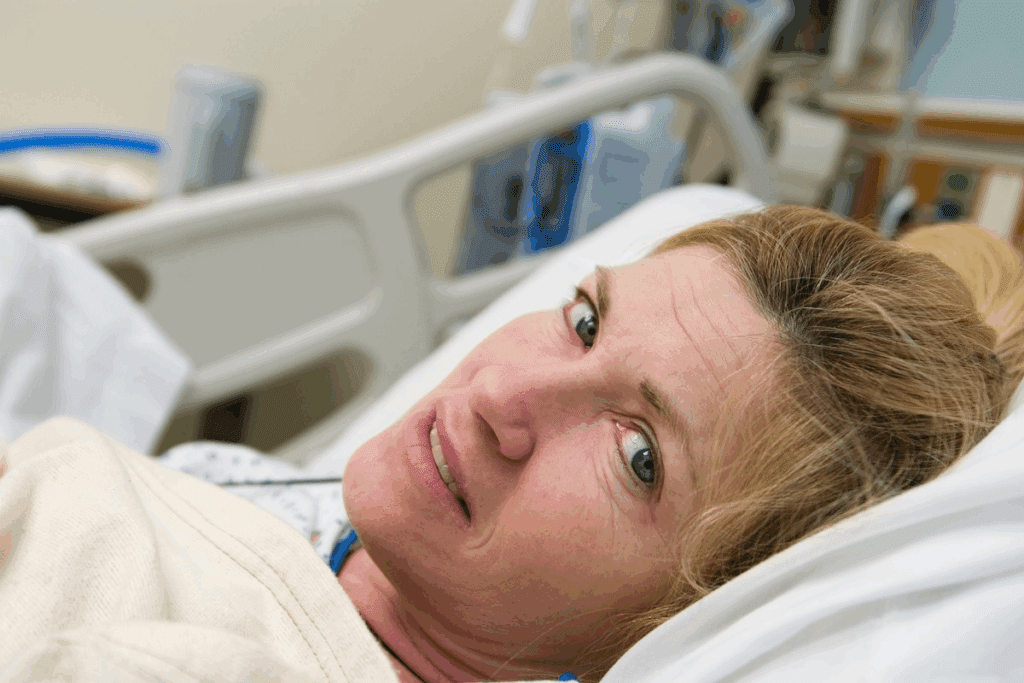
It’s important to understand the psychological impact of surgical regret. This is key for both patients and healthcare providers. It helps in making better decisions. Surgical regret can affect a patient’s life in many ways.
How Patients Experience Post-Surgical Regret
Patients feel regret after surgery in different ways. This often comes from not meeting their pre-surgery hopes. Decision regret can happen due to unexpected problems or not seeing the expected improvements.
Feeling regret can lead to sadness, anger, and even depression. Healthcare providers need to grasp this to offer the right support and care.
Measuring Regret: Decision Regret Scale
The Decision Regret Scale helps measure how much regret patients feel after surgery. It looks at the decision-making process and the results. This gives insights into what causes regret.
It is crucial to understand the psychological aspects of surgical regret. Using tools like the Decision Regret Scale helps healthcare providers. They can then help patients at risk of regret and work to lessen these risks.
What’s the Most Regretted Surgery? Current Statistics
Recent studies have shown which surgeries people often regret. Knowing this helps both patients and doctors make better choices.
Highest Regret Rates by Procedure Type
Some surgeries are more regretted than others. For example:
- Elective Surgeries: Cosmetic and LASIK eye surgeries often lead to regret. This is because of unmet hopes or unexpected problems.
- Orthopedic Surgeries: Joint replacements are usually successful but can cause regret. This is if patients face ongoing pain or limited movement after surgery.
- Bariatric Surgeries: Weight loss surgeries, like gastric bypass, can result in regret. This is due to complications or not losing enough weight.
These surgeries show how key it is to carefully check if a surgery is right for you. Also, educating patients well can help avoid regret.
Demographic Patterns in Surgical Regret
Who you are can also affect if you’ll regret a surgery. Studies reveal:
- Age: Younger people might have different reasons for regret. This is because of their life stage and goals.
- Gender: Men and women might regret surgeries at different rates. This is because of hormonal and psychological differences.
- Socioeconomic Status: People from different backgrounds might feel differently about their surgeries. This is because of access to care and support.
Knowing these patterns helps doctors and hospitals tailor care. This can make patients happier and reduce regret.
LASIK Eye Surgery: Vision Correction Remorse

LASIK procedures have become more common, but so has regret among patients. This surgery aims to reduce or eliminate the need for glasses or contact lenses. Yet, not everyone gets the results they hope for, leading to complications and regret.
Dry Eye Syndrome and Chronic Pain
Dry eye syndrome is a common issue after LASIK. It happens when the eyes can’t make enough tears. This causes discomfort, blurry vision, and a gritty feeling in the eyes. For some, it’s a long-term problem that affects their daily life. Chronic pain is another complication, though rarer, it can be very hard to deal with.
“Dry eye syndrome is a prevalent issue post-LASIK, affecting a significant portion of patients to varying degrees,”
Night Vision Problems and Light Sensitivity
After LASIK, some people have trouble with night vision and light sensitivity. They might see glare, halos, or starbursts around lights at night. This can make driving or other nighttime activities hard. While these symptoms may lessen over time, for some, they persist.
LASIK Complications Regret Statistics
Research shows that some patients regret getting LASIK. This regret comes from various complications, including dry eye syndrome and night vision problems. Understanding the risks and possible complications before LASIK is key to making a good choice.
For those who regret LASIK, it can affect their vision and overall life quality. It’s vital for those considering LASIK to talk fully with their eye doctor about their suitability, risks, and other options.
Cosmetic Surgery Regret Rates
Regret after cosmetic surgery is a big issue for many. While some are happy with their results, others are not. This is due to different reasons.
Breast Augmentation and Implant Removal Trends
Breast augmentation is a common surgery, but it comes with risks. Some people choose to have their implants removed. Studies show that 10% to 20% of people do this within 10 years.
People remove implants for many reasons. These include problems like capsular contracture and rupture, or not liking how they look. It’s important for those thinking about this surgery to know these risks.
Rhinoplasty Dissatisfaction Factors
Rhinoplasty, or nose surgery, is also popular but can lead to disappointment. Issues like breathing problems, scarring, and unevenness are common.
This can happen if their hopes aren’t met or if they didn’t talk enough with their doctor before the surgery.
Body Contouring and Liposuction Remorse
Body contouring, like liposuction, aims to shape the body. But, it has risks like scarring, infection, and uneven fat.
| Procedure | Regret Rate | Common Complications |
| Breast Augmentation | 10%-20% | Capsular contracture, implant rupture |
| Rhinoplasty | Up to 15% | Breathing difficulties, scarring, asymmetry |
| Liposuction | Variable | Scarring, infection, uneven fat distribution |
It’s key to know the risks and possible regrets of cosmetic surgeries. Talking openly with your surgeon about what you hope for and the possible risks can help avoid disappointment.
Orthopedic Procedures: Joint Replacement Regret
Some patients feel regret after getting knee or hip replacements. These surgeries aim to ease pain and boost mobility in those with damaged joints. But, results can differ a lot from person to person.
Regret can come from ongoing pain, limited movement, or not meeting surgery hopes. Knowing these reasons helps both patients and doctors make better choices.
Knee Replacement Regret: Pain and Mobility Issues
Knee replacement surgery aims to reduce pain and improve knee function. Yet, some face ongoing pain or mobility issues. Studies highlight how pre-existing conditions, surgery method, and aftercare affect outcomes.
It’s key to study patient results to spot trends and ways to improve knee replacement surgeries.
| Reason for Regret | Percentage of Patients | Common Solutions |
| Persistent Pain | 15% | Pain management therapy, revision surgery |
| Limited Mobility | 20% | Physical therapy, rehabilitation programs |
| Unmet Expectations | 10% | Pre-surgical counseling, realistic outcome setting |
Hip Replacement: When Outcomes Don’t Meet Expectations
Hip replacement surgery can greatly improve life quality. Yet, some feel regret due to complications or unmet hopes.
Regret can stem from surgery issues, implant failure, or ongoing pain. Choosing the right patient, using the right surgical method, and proper care after surgery are key to avoiding these problems.
- Surgical Complications: Infection, nerve damage, and dislocation are possible issues leading to regret.
- Implant Failure: When the hip replacement implant fails, it may need to be replaced again, leading to dissatisfaction.
- Persistent Pain: Some patients might keep feeling pain or discomfort after surgery, affecting their happiness.
Understanding why regret happens and how to prevent it helps doctors support patients better during hip replacement surgery.
Bariatric Surgery Regret and Complications
Choosing bariatric surgery is a big decision. For some, it leads to unexpected problems and regret. These surgeries, like gastric bypass and sleeve, aim to help with weight loss. But, results can differ greatly, with some feeling deep regret.
Gastric Bypass Long-Term Regret Factors
Gastric bypass surgery is a common choice. It helps with weight loss but can cause long-term issues and regret. Several factors contribute to this.
- Malabsorption Issues: This surgery can make it hard for the body to absorb important nutrients, leading to deficiencies if not managed well.
- Chronic Complications: Patients might face ongoing problems like dumping syndrome, bowel obstruction, or ulcers.
- Weight Regain: Some may regain weight over time, causing disappointment and regret.
Gastric Sleeve and Banding: Nutritional Concerns
Gastric sleeve and banding are less invasive than gastric bypass but also raise nutritional worries.
| Procedure | Nutritional Concerns | Potential Complications |
| Gastric Sleeve | Vitamin B12 deficiency, protein malnutrition | Narrowing of the stomach, leaks |
| Gastric Banding | Malabsorption of nutrients, esophageal dilation | Band slippage, erosion |
It’s key for patients to know about these risks and nutritional issues before surgery. Good pre-surgery advice and follow-up care can help avoid regret and ensure better results.
Gender-Affirming Surgeries: Understanding Regret Contexts
Gender-affirming surgeries are a big part of gender transition. They help many people feel more comfortable in their bodies. But, like any surgery, they can also lead to regret.
Detransition Rates: Data and Misinterpretations
Detransition means stopping or reversing gender transition. It’s important to know how common it is. This helps us understand why some people might regret their surgeries.
Research shows detransition happens, but for many reasons. It’s not just one thing. We need good data to clear up misunderstandings.
Social vs. Medical Factors in Transition Regret
Regret after surgery can come from many places. Social support from family and friends matters a lot. It can make a big difference in how happy someone is with their surgery.
Medical care is also key. The quality of care and how well a surgeon does their job can affect regret. Healthcare providers need to know how to reduce regret and make sure surgeries go well.
Looking at detransition rates and what causes regret helps us understand more. This knowledge is important for better care and support for those considering or who have had surgery.
Spinal Surgeries: High-Risk for Patient Dissatisfaction
Spinal surgeries are complex and carry a higher risk of regret for patients. These surgeries are often needed to relieve severe back pain or fix spinal issues. But, if the results don’t meet what patients hope for, they can feel unhappy.
Failed Back Surgery Syndrome Prevalence
Failed Back Surgery Syndrome (FBSS) is when patients keep feeling pain after spinal surgery. It’s a big worry, affecting many who have these surgeries.
FBSS can happen for many reasons. It might be because the patient wasn’t a good fit for the surgery, or because of problems during the operation. Knowing these reasons helps doctors try to avoid it.
Spinal Fusion: When Pain Persists Post-Surgery
Spinal fusion is a surgery that tries to fix the spine by joining vertebrae together. But, some people keep feeling pain after this surgery, which makes them unhappy.
There are many reasons why pain might not go away after spinal fusion. It could be because the vertebrae didn’t fuse right, or because the hardware used in the surgery failed. Or, it could be because other parts of the spine started to hurt. Looking closely at these problems helps doctors do better surgeries.
| Complication | Description | Prevalence |
| Incomplete Fusion | Failure of the vertebrae to fuse properly | Up to 15% |
| Hardware Failure | Failure of surgical hardware (e.g., rods, screws) | Approximately 5% |
| Adjacent Segment Disease | Deterioration of the spine adjacent to the fusion site | Up to 30% over 5 years |
Doctors can help patients by knowing the risks and problems of spinal surgeries. This way, they can talk to patients better and try to make surgeries more successful.
Reproductive and Gynecological Surgery Regret
Gynecological and reproductive surgeries can be life-changing but also lead to regret. These surgeries, like hysterectomies and sterilization, are big medical steps. They deeply affect women’s health and happiness.
Hormonal and Psychological Impacts of Hysterectomy Regret
A hysterectomy removes the uterus and is common for many gynecological issues. But, it can cause big hormonal and emotional changes. Women might regret it due to sudden menopause or loss of fertility.
Choosing a hysterectomy is often after other treatments fail. But, the emotional impact can be huge. Research shows women may feel everything from relief to deep regret after a hysterectomy.
Factors Contributing to Hysterectomy Regret:
- Premature menopause
- Loss of fertility
- Changes in sexual function
- Emotional and psychological impacts
Sterilization Procedures and Decision Remorse
Sterilization, like tubal ligation, is a permanent birth control choice. Yet, some women later regret their decision.
| Reasons for Sterilization Regret | Percentage of Women |
| Change in marital status | 20% |
| Desire for more children | 40% |
| Emotional response to the procedure | 30% |
Getting informed consent is key in these surgeries. It makes sure patients know about possible regret. Knowing what leads to regret helps doctors support their patients better.
Looking into the regret from reproductive and gynecological surgeries helps us. We see the need for detailed pre-surgery talks and support after surgery.
Factors That Increase Risk of Surgical Regret
It’s important to know what can lead to regret after surgery. This knowledge helps both patients and doctors make better choices. It can also lower the chance of feeling regretful after surgery.
Unrealistic Expectations and Marketing
Having wrong ideas about what surgery can do can lead to regret. Aggressive marketing of surgeries often makes promises that aren’t true. For example, some cosmetic surgery ads might show fake before-and-after photos.
Patient education is key. Doctors should make sure patients know what surgery can and can’t do. They should talk about the chances of success, possible problems, and what recovery will be like.
Inadequate Informed Consent Processes
Getting informed consent right is very important. But if it’s not done well, it can lead to regret. If patients don’t know all the risks, benefits, and other options, they might feel misled.
| Aspect of Informed Consent | Description | Impact on Regret |
| Risks and Complications | Disclosure of possible risks and problems with the surgery. | Reduces surprise and shock, potentially lowering regret. |
| Alternatives to Surgery | Talking about other ways to solve the problem without surgery. | Helps patients make informed choices, potentially reducing regret. |
| Expected Outcomes | Clear explanation of what to expect from the surgery, including recovery time. | Manages patient expectations, potentially reducing regret. |
Psychological Vulnerability Pre-Surgery
Being mentally vulnerable before surgery can also lead to regret. People with mental health issues like depression or anxiety might be more likely to regret their decision.
Psychological screening before surgery can help find these risks. This way, doctors can offer extra support or counseling. This helps prepare patients for what might happen after surgery.
By understanding and tackling these issues, doctors can lower the chance of regret. This improves outcomes for patients.
The Psychological Impact of Regretted Surgeries
Surgical regret goes beyond physical issues. It can deeply affect a person’s mental health. The psychological effects of regretted surgeries are complex and can impact many areas of life.
Post-Surgical Depression and Anxiety
Patients who regret their surgery are more likely to face mental health problems. These include depression and anxiety. The stress and disappointment from a bad surgery outcome can make these conditions worse.
A study showed that nearly 40% of patients felt depressed, and about 30% felt anxious. These numbers show how much regretted surgeries can weigh on the mind.
| Psychological Impact | Percentage of Patients |
| Depression | 40% |
| Anxiety | 30% |
| Body Image Disturbance | 25% |
Body Image Disturbance After Regretted Procedures
Regretted surgeries, like cosmetic ones, can harm body image. Patients might feel bad about how they look. This can be hard to overcome.
The emotional pain from body image issues can be deep. It can hurt a person’s self-esteem and life quality. Doctors should talk about these risks when discussing surgery.
Key factors contributing to body image disturbance include:
- Unrealistic expectations about surgical outcomes
- Lack of adequate pre-surgical counseling
- Pre-existing body dysmorphic tendencies
Understanding these factors helps doctors support patients. This way, they can make better choices and avoid mental health problems after surgery.
Addressing Regret: Options After an Unwanted Outcome
When surgery doesn’t meet expectations, patients have many options. Regret can come from unexpected problems, unsatisfying results, or unmet hopes. Knowing what’s available is key for those looking to fix their situation.
Revision Surgeries: Success Rates and Considerations
Revision surgeries are a common fix for those unhappy with their first surgery. They aim to fix or enhance the first surgery’s results. Success depends on why the patient regrets it, the surgery type, and their health.
Success Rates of Revision Surgeries
| Surgery Type | Success Rate | Common Complications |
| LASIK Revision | 70-80% | Dry Eye, Infection |
| Cosmetic Revision | 60-75% | Scarring, Asymmetry |
| Orthopedic Revision | 80-90% | Infection, Implant Failure |
Patients should talk to their doctor about the risks and benefits of revision surgery. This helps them make a well-informed choice.
Non-Surgical Management of Regretted Procedures
Not every case of regret needs more surgery. Some patients find relief through non-surgical methods. These methods aim to improve life quality without more surgery.
Non-Surgical Approaches
- Physical therapy for orthopedic issues
- Medication management for chronic pain or other symptoms
- Counseling or psychological support to address emotional or mental health concerns
For example, those unhappy with cosmetic surgery might benefit from counseling. Others with pain after orthopedic surgery could find help through physical therapy or pain management.
Finding the right way to address regret depends on the patient’s situation. Talking to healthcare professionals is a key step in figuring out the best approach.
Preventing Surgical Regret: Patient Strategies
To avoid surgical regret, patients need to take a proactive approach. They should make informed choices. This can greatly lower the chance of regret after surgery.
Comprehensive Research and Multiple Consultations
Doing thorough research is a key step in avoiding regret. This means:
- Learning about the surgery and its effects
- Looking at success rates and possible problems
- Checking out other treatment options
Also, getting advice from several doctors can help. It gives a clearer view of what’s best. This can lead to a more informed choice and less chance of regret.
Psychological Screening and Preparation
Checking a patient’s mental health is important. It helps find those at risk of regret. This includes:
- Looking into why the patient wants surgery
- Checking if they understand the surgery and its results
- Offering support to deal with worries or fears
By preparing patients mentally, doctors can lower the chance of regret after surgery.
Setting Realistic Recovery and Outcome Expectations
It’s key to have realistic hopes about recovery and results. Patients should know:
- What the recovery time will be like
- The chances of getting the desired results
- Any possible issues and how to handle them
Knowing what to expect helps patients make better choices. They are less likely to feel regret.
In summary, to prevent surgical regret, patients should research well, get mental checks, and have clear hopes. These steps help patients make smart choices and lower regret risks.
Healthcare Provider Responsibilities in Reducing Regret
Healthcare providers play a big role in making sure patients don’t regret their surgeries. They must prepare and inform patients well before, during, and after surgery.
Ethical Patient Selection and Screening
Choosing the right patients is key to avoiding surgical regret. Doctors need to check if patients are mentally ready and have the right expectations. They do this by screening and evaluating patients to spot any risks.
Key factors in patient selection include:
- Psychological stability and mental health history
- Realistic expectations about surgical outcomes
- Understanding of the risks and benefits associated with the procedure
Thorough Informed Consent and Education
Informed consent is vital in the doctor-patient relationship. It helps lower the chance of regret after surgery. Doctors must tell patients everything about their surgery, including possible problems and other options.
| Elements of Informed Consent | Description | Importance |
| Procedure Details | Clear explanation of the surgery, including steps and expected outcomes | High |
| Risks and Complications | Discussion of possible risks, complications, and how to handle them | High |
| Alternative Treatments | Info on other treatments or procedures | Medium |
By choosing patients wisely and giving them all the facts, doctors can lower the chance of regret. This makes patients happier and improves the care they get.
Conclusion: Making Informed Surgical Decisions
It’s key for patients to know about the chance of surgical regret before they decide on a procedure. Studies show that making informed choices can lower the risk of regret.
Surgeries like LASIK, cosmetic procedures, and orthopedic operations can lead to regret. This is often because of complications or not meeting expectations. Research points out that unrealistic hopes, not fully understanding the surgery, and being emotionally vulnerable are big factors in regret after surgery.
Patients need to know the risks and benefits of their surgery. This means understanding which surgeries are often regretted and why. Being well-informed and ready can help patients avoid regret and get better results from their surgery.
FAQ
What is the most regretted surgery?
Many surgeries are regretted, but some top ones are LASIK eye surgery. Also, cosmetic surgeries like breast augmentation and rhinoplasty are often regretted. Orthopedic surgeries, such as knee and hip replacements, also have high regret rates.
How is surgical regret measured?
Surgical regret is measured with the Decision Regret Scale. This tool checks how much patients regret their surgery choice.
What are the common complications of LASIK surgery that lead to regret?
LASIK surgery can lead to regret due to dry eye syndrome, chronic pain, and vision problems at night. Light sensitivity is another issue.
What are the regret rates for cosmetic surgeries?
Cosmetic surgery regret rates vary. But, breast augmentation, rhinoplasty, and body contouring like liposuction often have high regret rates. This is due to unrealistic hopes and not meeting expectations.
Why do patients regret orthopedic surgeries like knee and hip replacements?
Patients might regret these surgeries if they don’t get rid of pain or improve mobility. This shows the surgery didn’t improve their life quality as hoped.
What are the long-term regret factors for bariatric surgery?
Bariatric surgery regret can come from serious complications, nutrition issues, and the surgery’s psychological effects. These can lead to regret if not managed well.
How common is regret after gender-affirming surgeries?
Regret after these surgeries is rare but can happen. It’s caused by detransition rates and the mix of social and medical factors.
What are the risks associated with spinal surgeries?
Spinal surgeries often lead to dissatisfaction. This is often due to failed back surgery syndrome or ongoing pain after spinal fusion.
Can reproductive and gynecological surgeries lead to regret?
Yes, surgeries like hysterectomies and sterilization can lead to regret. This is due to hormonal, psychological, and decision-related factors.
How can unrealistic expectations contribute to surgical regret?
Unrealistic hopes about surgery outcomes can lead to regret. Patients might be disappointed when reality doesn’t meet their expectations.
What role does informed consent play in preventing surgical regret?
Informed consent is key to avoiding regret. It makes sure patients know the risks, benefits, and alternatives to surgery. This helps them make better choices.
How can patients prevent surgical regret?
To avoid regret, patients should research well, get multiple opinions, and undergo psychological checks. They should also have realistic expectations about recovery and outcomes.
What are the options for addressing regret after an unwanted surgical outcome?
To deal with regret, patients can try revision surgeries, which work for some. Others might find relief in non-surgical ways to lessen the negative effects of regretted surgeries.
What is the psychological impact of regretted surgeries?
Regretted surgeries can deeply affect a person’s mind. They might experience depression, anxiety, and body image issues. These need careful attention and management.
References
JAMA Network. Postoperative Regret Prevalence Following Common Elective Surgeries. Retrieved from https://jamanetwork.com/journals/jamasurgery/fullarticle/2813212