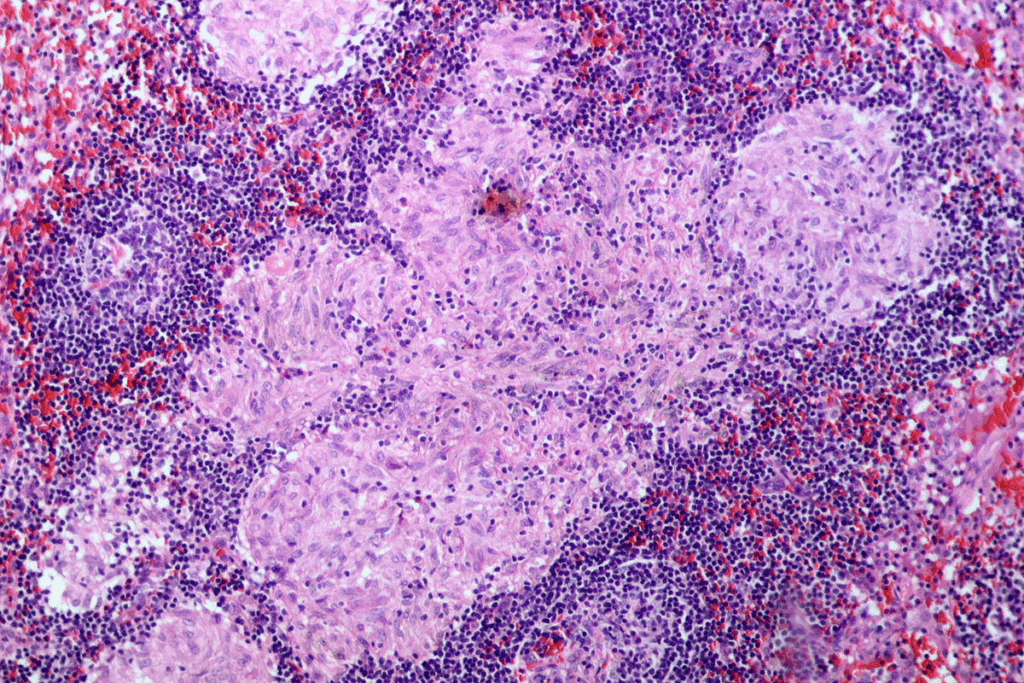
Oral cancer is a serious disease that can be deadly. Every hour, someone dies from it, often because it’s found too late. At Liv Hospital, we know how important early detection and full care are for better survival chances.mouth cancer prognosisLymph Nodes Head: Cancer & Anatomy
The 5-year survival rate for oral cancer is 68%. But, this number drops a lot for more advanced cases. Early detection is key in fighting this disease. We aim to offer the latest treatments and care that focuses on our patients.
Key Takeaways
- Oral cancer can be fatal if not detected early.
- The overall 5-year survival rate for oral cancer is 68%.
- Early detection significantly improves survival outcomes.
- Advanced stages of oral cancer have lower survival rates.
- Comprehensive care is essential for improving prognosis.
The Reality of Mouth Cancer Mortality
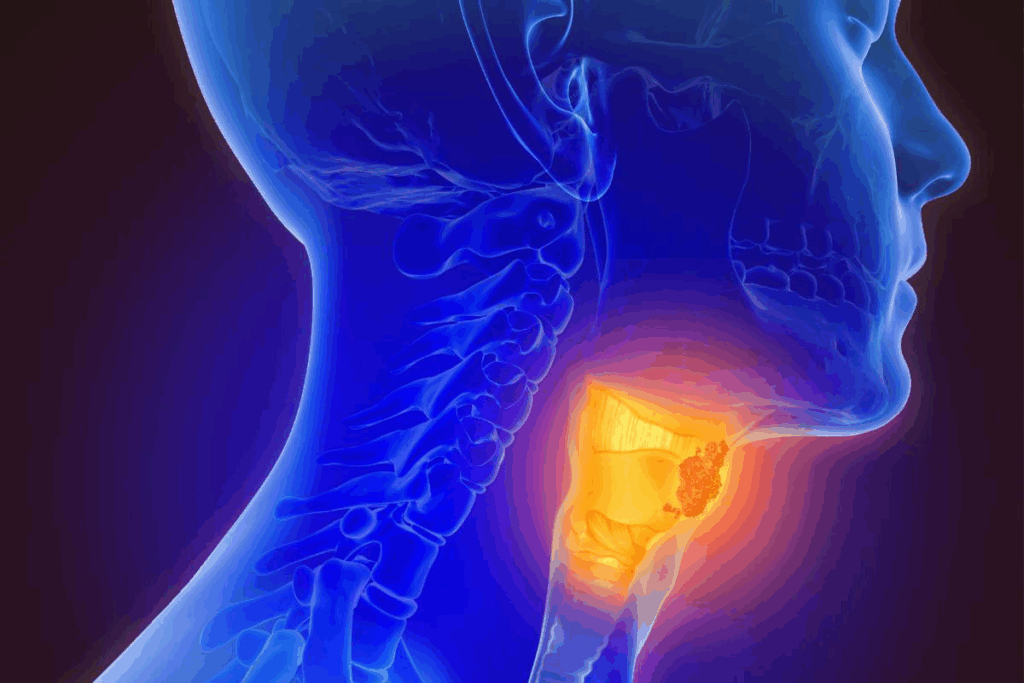
Mouth cancer is a serious condition that can be deadly. It affects thousands of people worldwide. Knowing how deadly it is is key to understanding its severity.
In the United States, about 12,770 people die each year from mouth cancer. This shows how big of a problem it is. Awareness and early detection are vital in fighting mouth cancer.
Current Statistics on Oral Cancer Deaths
Oral cancer death rates are alarming. It’s one of the top killers of cancer worldwide. In the U.S., the death rate from mouth and throat cancer is high.
| Year | Estimated Deaths | Mortality Rate |
|---|---|---|
| 2022 | 12,770 | 2.7 per 100,000 |
| 2021 | 12,410 | 2.6 per 100,000 |
| 2020 | 11,970 | 2.5 per 100,000 |
The table shows the steady number of deaths from oral cancer over the years.
How Oral Cancer Causes Death
Oral cancer can lead to death in several ways. It can spread to nearby tissues and structures, causing a lot of harm. If it spreads to other parts of the body, treatment becomes harder, and the chances of survival drop.
Key factors contributing to mortality in oral cancer include:
- Delayed diagnosis, leading to late-stage presentation
- Aggressive tumor biology
- Presence of comorbidities
- Limited treatment options for advanced disease
Knowing these factors helps us find ways to lower mouth cancer death rates.
Overview of Oral Cancer
Oral cancer is a group of cancers found in the mouth and nearby areas. It’s a big health issue worldwide. There are different types and risk factors for it.
Types of Mouth and Oral Cancers
Oral cancer isn’t just one disease. It’s several types that can hit different parts of the mouth. The most common ones are:
- Squamous Cell Carcinoma: This is the most common type, making up about 90% of oral cancers. It starts in the squamous cells, which are thin, flat cells lining the mouth.
- Verrucous Carcinoma: A rare type of squamous cell carcinoma that grows slowly and rarely spreads.
- Minor Salivary Gland Carcinoma: These cancers happen in the minor salivary glands all over the mouth.
- Lymphoma: Lymphomas can show up in the mouth, often in the tonsils and the base of the tongue.
| Type of Oral Cancer | Description | Prevalence |
|---|---|---|
| Squamous Cell Carcinoma | Originates in squamous cells lining the mouth | About 90% |
| Verrucous Carcinoma | A rare, slow-growing type of squamous cell carcinoma | Rare |
| Minor Salivary Gland Carcinoma | Occurs in minor salivary glands throughout the oral cavity | Less common |
Common Sites of Occurrence
Oral cancer can pop up in many parts of the mouth and oral cavity. The most common spots are:
- The tongue
- The floor of the mouth
- The lips
- The gums and other areas of the oral cavity
Knowing where oral cancer often shows up helps with early detection and prevention. Regular dental visits and self-checks are key to spotting any oddities or changes in the mouth.
Oral cancer can be deadly if not caught and treated early. The chance of survival depends on the cancer type, stage, location, and the patient’s overall health.
Survival Rates and Mouth Cancer Prognosis
Knowing the survival rates for mouth cancer is key for patients and their families. It helps them understand their diagnosis and treatment options. Thanks to new medical tech and treatment methods, mouth cancer survival rates have improved.
Overall 5-Year Survival Rate
The 5-year survival rate for oral cancer is 68%. This means 68 out of 100 people diagnosed with oral cancer can live for at least 5 years after diagnosis. This is a big step forward, thanks to better early detection and treatment.
Factors Affecting Survival Chances
Many things can change a mouth cancer patient’s survival chances. These include:
- The stage of cancer at diagnosis
- The patient’s overall health and lifestyle
- The effectiveness of the chosen treatment protocol
- The presence of other health conditions
Early detection is key. If oral cancer is caught early, the 5-year survival rate is much higher. This is compared to cases diagnosed later.
| Stage at Diagnosis | 5-Year Survival Rate |
|---|---|
| Localized (Stage 1 & 2) | 83% |
| Regional (Stage 3) | 64% |
| Distant (Stage 4) | 39% |
Quality of Life Considerations
Survival rates are important, but so is quality of life for mouth cancer patients. Treatment can affect eating, speaking, and swallowing. It’s vital to talk about these with healthcare providers to make the best choices.
Getting a mouth cancer diagnosis can be tough. But with the right info and support, patients can face this challenge better.
Understanding Oral Cancer Stages
Knowing the stages of oral cancer is key to understanding treatment options. Staging is based on the tumor’s size, lymph node involvement, and if it has spread.
Stage 1 and 2 Prognosis
Oral cancers in stages 1 and 2 are considered early. The tumor is small and hasn’t spread far. The 5-year survival rate for stage 1 is often over 80%. For stage 2, it’s a bit lower but remains good.
Treatment usually involves surgery or radiation. Sometimes, both are used together.
Stage 3 Prognosis
Stage 3 oral cancer is more serious. The tumor is bigger or has reached lymph nodes. The survival rate is lower than in stages 1 and 2.
It depends on the tumor’s location, the patient’s health, and treatment success. Treatment may include surgery, radiation, and chemotherapy.
Stage 4 Prognosis and Life Expectancy
Stage 4 oral cancer is the most severe. The cancer has spread or is very large. The 5-year survival rate without treatment is about 12.6%.
But, with treatment, some patients live longer and better. Treatment aims to ease symptoms and improve life quality.
An advanced diagnosis can feel overwhelming. But, talking to a healthcare provider about treatment options is vital. Even at stage 4, treatments can help manage symptoms and extend life.
The Critical Importance of Early Detection
Early detection is key in fighting mouth cancer. It greatly improves survival rates and treatment success. Finding mouth cancer early means we can stop it before it gets worse. This leads to more effective treatments and better outcomes for patients.
Warning Signs and Symptoms
It’s important to know the warning signs and symptoms of mouth cancer. This knowledge helps in early detection. Some common signs include:
- A persistent sore or ulcer in the mouth that doesn’t heal
- Unusual patches or discoloration on the tongue, lips, or inside the mouth
- A lump or thickening in the cheek or on the tongue
- Difficulty swallowing or chewing
- Numbness or pain in the mouth or tongue
Knowing these symptoms can help people get medical help quickly. This can greatly improve their chances of survival.
Screening Methods and Recommendations
Regular screenings are vital for catching mouth cancer early. Doctors usually do visual checks of the mouth, tongue, and throat for any oddities. Sometimes, they might suggest more tests like biopsies.
People at high risk, like those who use tobacco or alcohol, should get regular screenings. The American Cancer Society advises adults over 20 to have an oral cancer screening during their dental check-ups.
Key screening recommendations include:
- Annual screenings for high-risk individuals
- Regular dental check-ups that include an oral cancer examination
- Being vigilant about changes in the mouth and reporting them to a healthcare provider
By following these guidelines and staying alert to changes in the mouth, we can detect mouth cancer early. This increases our chances of surviving the disease.
Risk Factors That Impact Survival
It’s important to know what affects mouth cancer survival rates. This knowledge helps both patients and doctors. Several factors can change how well someone might do after being diagnosed with mouth cancer.
Tobacco and Alcohol Use
Tobacco and alcohol are big risks for mouth cancer. They can also change how long someone might live after being diagnosed. Using both tobacco and alcohol can raise the risk of oral cancer by up to 50% compared to those who don’t use them.
- Tobacco use is linked to a higher chance of the cancer coming back and worse survival chances.
- Drinking alcohol can increase the risk of getting secondary cancers.
HPV-Related Oral Cancers and Prognosis
Human Papillomavirus (HPV) infection, like HPV-16, raises the risk of oropharyngeal cancers. HPV-related oral cancers usually have a better outlook than those not linked to HPV.
- HPV-positive oral cancers are more likely to respond well to treatment.
- People with HPV-related oral cancers might have a lower chance of the cancer coming back.
Age, Gender, and Other Demographic Factors
Age, gender, and overall health also play a role in mouth cancer survival rates. Older adults and those with other health issues may face worse survival chances.
- Age: Older patients might face more complications and have poorer survival rates.
- Gender: Some studies show men might be at higher risk of getting and dying from mouth cancer.
Treatment Options and Their Effect on Survival
Mouth cancer treatment has many options, each affecting survival rates differently. Knowing these treatments is key for informed care decisions.
Surgery and Its Impact on Prognosis
Surgery is a main treatment for mouth cancer, mainly for early stages. It aims to remove the tumor and some healthy tissue around it. Success in surgery greatly affects the patient’s future.
Key factors affecting surgical outcomes include:
- The stage of cancer at diagnosis
- The location and size of the tumor
- The patient’s overall health
For many, surgery can cure the cancer if caught early. But, more advanced cases might need more treatments.
Radiation Therapy Outcomes
Radiation therapy is a key treatment for mouth cancer, often paired with surgery or chemotherapy. It kills or slows cancer cells.
The effectiveness of radiation therapy depends on several factors:
- The type and stage of the cancer
- The dose and delivery method of radiation
- The patient’s response to treatment
Radiation therapy is great for hard-to-reach areas or for those not suited for surgery.
Chemotherapy and Targeted Therapies
Chemotherapy and targeted therapies are also options for mouth cancer. Chemotherapy kills cancer cells, while targeted therapies target specific cancer molecules.
Benefits of these treatments include:
- Potential to shrink tumors before surgery
- Control of cancer spread
- Symptom relief
These treatments are often used with surgery and/or radiation to help patients with advanced cancer.
In conclusion, the treatment choice for mouth cancer greatly impacts survival. A mix of surgery, radiation, chemotherapy, and targeted therapies offers the best chance for success.
Living With Advanced Oral Cancer
The journey with advanced oral cancer is complex. Palliative care is key to improving the patient’s quality of life. Understanding the care options is essential.
Palliative Care Approaches
Palliative care aims to ease symptoms, pain, and stress of advanced oral cancer. It’s not just for end-of-life care but is part of the treatment plan from the start.
We offer palliative care to manage symptoms like pain, swallowing issues, and emotional distress. A team of healthcare professionals works together to meet the patient’s needs.
Managing Symptoms and Complications
Managing symptoms and complications is vital for living with advanced oral cancer. Our team creates a personalized plan for each patient.
Common symptoms include pain, eating and swallowing difficulties, and infections. We use treatments like medication, radiation therapy, and supportive care to help.
| Symptom/Complication | Management Approach |
|---|---|
| Pain | Medication, palliative radiation therapy |
| Difficulty Swallowing | Nutritional counseling, feeding tubes |
| Infection | Antibiotics, wound care |
By focusing on palliative care and symptom management, we improve patients’ quality of life. It’s a vital part of care that meets physical, emotional, and social needs.
Improving Survival Chances After Diagnosis
When you get an oral cancer diagnosis, you might wonder how to improve your chances of survival. Recovery is not just about medical treatment. It also involves making lifestyle changes and using support systems.
Lifestyle Changes That May Help
After an oral cancer diagnosis, making certain lifestyle changes can greatly improve your survival chances. Quitting tobacco and alcohol is key because using them can make treatment less effective and increase the chance of cancer coming back. Eating a balanced diet full of fruits, vegetables, and whole grains helps keep you strong during treatment.
Staying active, as allowed by your healthcare team, also helps your overall health. It’s important to talk to your healthcare team about your plans. This ensures your lifestyle changes work well with your treatment.
The Role of Support Systems and Mental Health
Support systems are very important in recovering from oral cancer. Family, friends, and support groups offer emotional support, practical help, and a sense of community. Mental health is also key; seeking professional help is okay if you’re feeling anxious, depressed, or have other mental health issues.
Keeping a positive outlook and doing things that make you happy can help too. We suggest looking into different support options to find what suits you best.
Conclusion: Hope and Progress in Oral Cancer Treatment
Oral cancer is a serious disease, but there’s hope for those affected. Thanks to new treatments, more people are surviving. This is because of advances in medical technology and treatment options.
While mouth cancer can be deadly, catching it early makes a big difference. The stage of cancer, overall health, and lifestyle choices all play a role. By understanding these, people can lower their risk and improve their chances of beating the disease.
The fight against oral cancer is making progress. Researchers, healthcare workers, and support groups are all playing a part. New treatments like surgery, radiation, and targeted therapies are making life better for patients. We must keep supporting oral cancer research to keep moving forward.
FAQ
How deadly is mouth cancer?
Mouth cancer can be deadly if not caught early. The chances of survival drop as the disease advances.
Can you die from oral cancer?
Yes, oral cancer can be deadly. But, catching it early and treating it can greatly improve your chances of living.
How long can you live with cancer of the mouth?
Life expectancy for mouth cancer patients varies. It depends on the disease’s stage, your health, and how well you respond to treatment. Early stages have a better 5-year survival rate.
What is the oral cancer outlook?
Oral cancer’s outlook depends on several factors. These include the disease’s stage, how well you respond to treatment, and your overall health. Early detection and treatment usually lead to a better outcome.
Is mouth cancer fatal?
Mouth cancer can be fatal if not treated quickly. But, thanks to better treatments and early detection, survival rates have improved a lot.
Can you die from mouth cancer if it’s stage 4?
Stage 4 mouth cancer has a lower survival rate. While some may survive with treatment, the outlook is generally less hopeful.
What is the life expectancy of mouth cancer patients?
Life expectancy for mouth cancer patients varies. It depends on the disease’s stage, treatment response, and overall health. Patients with early-stage cancer tend to have a better prognosis and longer life expectancy.
What is the 4th stage mouth cancer survival rate?
The 5-year survival rate for stage 4 mouth cancer is lower than earlier stages. Yet, with proper treatment and care, some patients can survive and manage their symptoms.
Can mouth cancer kill you?
Yes, mouth cancer can be life-threatening if not treated early. But, with early detection, proper treatment, and care, many patients can survive and manage their symptoms.
Is oropharyngeal cancer deadly?
Oropharyngeal cancer, a type of mouth cancer, can be deadly if not treated quickly. The prognosis varies based on the disease’s stage, HPV status, and treatment response.
Can you survive oral cancer?
Yes, many people survive oral cancer with the right treatment and care. Early detection and treatment greatly improve survival chances.
What is the stage 3 oral cancer survival rate?
The survival rate for stage 3 oral cancer varies. It depends on treatment response and overall health. Generally, the 5-year survival rate is lower than earlier stages.
How can I improve my survival chances after being diagnosed with mouth cancer?
Improving survival chances involves proper treatment, lifestyle changes, and support systems. Quitting tobacco and alcohol, eating healthy, and managing stress can help.
References
World Health Organization. Oral Cancer: Prognosis, Early Detection, and Survival. Retrieved from https://www.who.int/news-room/fact-sheets/detail/cancer