Most wounds leave scars, but the oral cavity can heal itself with little to no scarring. Knowing what causes scar tissue formation in the mouth is key for good oral health and treatment choices.
Studies reveal that mouth injuries heal with little scarring because of the mouth’s unique biology. The mouth’s tissues come from the neural crest, which helps in less scarring in areas like the gums and roof of the mouth. At Liv Hospital, we use the latest science and proven methods to treat oral scarring concerns with care based on solid evidence.
Key Takeaways
- The oral cavity has a unique ability to heal with minimal scarring.
- Factors such as mechanical trauma, burns, and dental procedures can contribute to mouth scarring.
- The oral tissue’s developmental origin promotes scarless healing.
- Understanding the science behind mouth scarring is key for informed oral health decisions.
- Liv Hospital offers complete, evidence-based care for oral scarring concerns.
The Science Behind Mouth Scarring
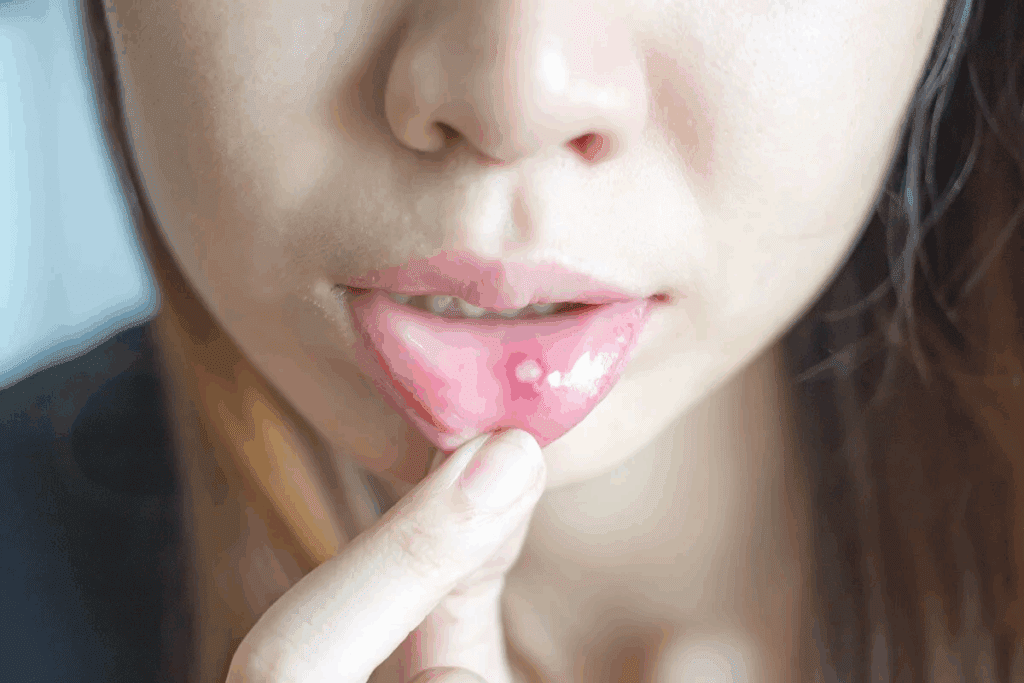
Scarring in the mouth works differently than on the skin. This is because of unique biological processes. Knowing these differences helps us understand why mouth wounds often leave little to no scar.
Definition and Types of Oral Scarring
Oral scarring happens when scar tissue forms in the mouth. It can come from injuries or certain conditions. There are a few types of oral scarring, including:
- Hypertrophic scarring: This is when the scar tissue is raised.
- Atrophic scarring: This is when the scar tissue is sunken.
- Keloid scarring: This is when too much scar tissue forms.
Each type of scarring looks different and needs its own treatment plan.
How Oral Tissue Differs from Skin
Oral tissue, or the lining of the mouth, is very different from skin. One big difference is in their cellular composition. Also, the growth factors in saliva are key to healing.
The oral mucosa has:
- A lot of blood flow to help it heal.
- Special cells that help with healing.
- Saliva, which has growth factors and fights off germs.
These differences make oral tissue heal better than skin. This leads to less scarring.
Common Causes of Mouth Scarring
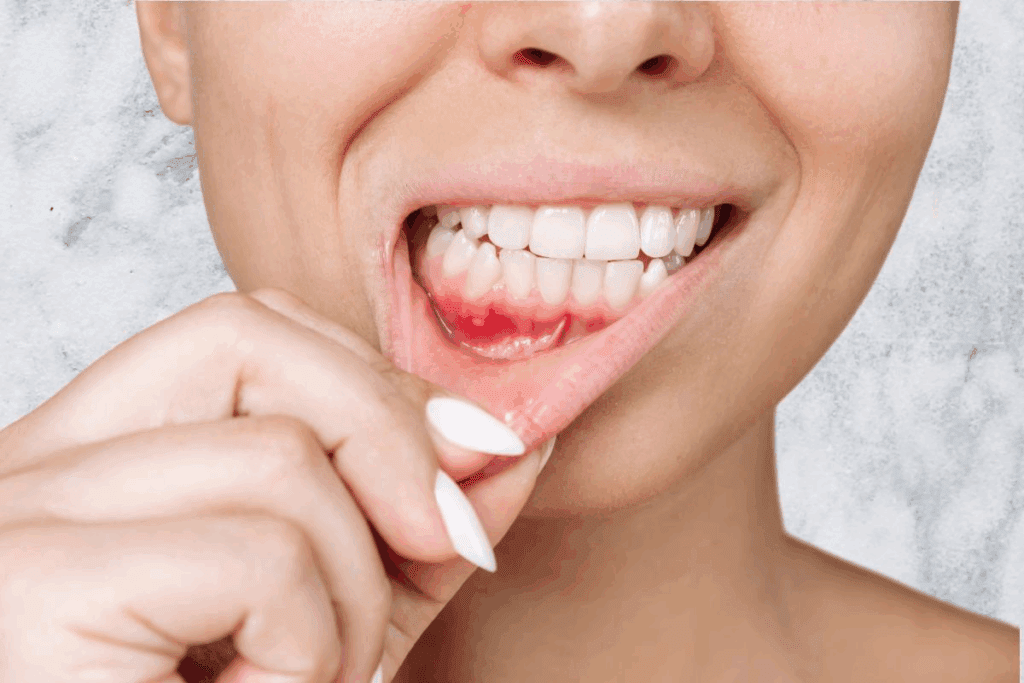
It’s important to know why mouth scarring happens. This knowledge helps us prevent and treat it. Mouth scarring can come from many incidents and conditions that harm the oral mucosa.
Mechanical Trauma and Injuries
Mechanical trauma is a big reason for mouth scarring. It can happen from accidents, sports injuries, or wrong dental procedures. When the mouth gets hurt, the body tries to heal it, which can lead to scars. Common sources of mechanical trauma include:
- Bitten tongue or cheek
- Dental appliance irritation
- Sports-related injuries
- Accidental bites or trauma during eating
Thermal and Chemical Burns
Thermal and chemical burns can badly damage the mouth, causing scars. Drinking very hot foods or drinks can burn the mouth, and so can chemicals. These burns can cause painful sores and scars.
Repeated Irritation or Injury
Scarring can also happen from repeated mouth injuries. This might be from biting the cheek or from dental appliances that don’t fit right. These repeated injuries can lead to scar tissue as the body tries to heal.
Knowing why mouth scarring happens helps us take steps to prevent it. We can also find better ways to treat it and reduce its effects.
Dental Procedures That May Result in Mouth Scarring
Several dental procedures, like tooth extraction and oral surgery, can lead to mouth scarring. These procedures are key to keeping our mouths healthy. But knowing the risks can help us better understand what to expect.
Tooth Extraction Complications
Tooth extraction is a common dental procedure. But, it can sometimes cause scarring. Complications during or after the extraction, like bad wound closure or infection, can lead to scars. It’s important to follow the care instructions after the extraction to lower these risks.
Not all extraction sites heal without scarring. The complexity of the extraction, your health, and how well you follow post-op instructions all matter. These factors can affect how likely you are to get a scar.
Oral Surgery Effects
Oral surgery includes everything from simple extractions to complex surgeries. The extent and location of the surgery can greatly affect the risk of scarring. More complex surgeries are more likely to cause scars.
Thinking about oral surgery can be scary. But knowing about the risk of scarring can help you prepare. Surgeons use special techniques to reduce scarring, like making precise cuts and closing wounds carefully.
Orthodontic Treatment Considerations
Orthodontic treatment is mainly for straightening teeth. But it can sometimes irritate or injure the mouth, leading to scarring. Proper fitting of orthodontic appliances and regular check-ups with the orthodontist can help avoid these problems.
Regular visits during orthodontic treatment are key. They help catch and fix any issues early on. This can prevent scarring and other complications.
Understanding the Unique Biology of Oral Tissue
Exploring the biology of oral tissue shows why it heals so well. The oral mucosa, which covers the inside of the mouth, is special. It’s different from other body tissues.
Neural Crest Developmental Origin
The oral mucosa comes from the neural crest. This group of cells moves from the neural tube during early development. This origin helps the oral tissue heal fast and well.
Neural crest cells turn into many types of cells in the oral mucosa. These include fibroblasts, endothelial cells, and immune cells. This mix of cells helps the tissue heal quickly and with little scarring.
Structural and Functional Differences from Skin
Oral mucosa is very different from skin. Skin is keratinized and acts as a barrier. But the oral mucosa is not keratinized. It’s made to handle saliva, food, and more.
The oral mucosa is also full of blood vessels. This helps it get the oxygen and nutrients it needs. This supports its fast healing.
Cellular Composition of Oral Mucosa
The oral mucosa has many cell types working together. These cells keep the tissue healthy. The main cells are:
| Cell Type | Function |
|---|---|
| Fibroblasts | Produce extracellular matrix components and play a key role in wound healing |
| Endothelial Cells | Line blood vessels and regulate vascular function |
| Immune Cells | Provide immune surveillance and respond to pathogens |
Knowing about the oral tissue’s biology is key. It tells us about its healing powers. This includes its origin, how it’s different from skin, and its cell types.
Why Mouth Wounds Heal With Minimal Scarring
Mouth wounds have a special way of healing with little to no scarring. This has caught the eye of many in the medical field. It shows us how wounds heal differently in various parts of the body.
There are a few main reasons why mouth wounds heal with less scarring. We’ll look at three important ones: less inflammation, less activity from myofibroblasts, and special types of fibroblasts.
Reduced Inflammatory Response
The skin inside our mouth doesn’t get as inflamed as skin on the rest of our body. This is key to avoiding scars. Research shows that the mouth has a special mix of chemicals that helps control healing.
Key differences in inflammatory response:
| Characteristics | Oral Mucosa | Skin |
|---|---|---|
| Inflammatory Response | Reduced | More pronounced |
| Cytokine Balance | Anti-inflammatory dominant | Pro-inflammatory dominant |
| Healing Outcome | Minimal scarring | More likely to scar |
Suppressed Myofibroblast Activity
Myofibroblasts are important for pulling wounds together and scarring. But in the mouth, they don’t work as much. This is because the mouth’s cells and chemicals are different.
The less work myofibroblasts do is a big reason why mouth wounds don’t scar much.
Distinct Fibroblast Phenotypes
Fibroblasts in the mouth are different from those in the skin. They can’t turn into myofibroblasts as easily. This helps prevent scarring.
Learning about these factors helps us understand why mouth wounds heal with less scarring. The mouth’s unique environment, including less inflammation, less myofibroblast activity, and special fibroblasts, all play a part.
The Role of Saliva and Oral Environment in Healing
The mouth’s unique environment, including saliva, plays a big role in healing. We’ll look at how saliva and the mouth help with healing.
Growth Factors Present in Saliva
Saliva has growth factors that help heal. These include:
- EGF (Epidermal Growth Factor): It helps cells grow and change.
- VEGF (Vascular Endothelial Growth Factor): It boosts blood vessel growth, key for healing.
- PDGF (Platelet-Derived Growth Factor): It encourages cell growth and division.
Benefits of the Moist Environment
The moist environment from saliva is key for healing in the mouth. It:
- Helps cells move and heal.
- Boosts growth factor action.
- Lessens the chance of wound drying out and helps new tissue grow.
Antimicrobial Properties
Saliva also has antimicrobial properties to fight off infections in oral wounds. This is thanks to:
- Lactoferrin and lysozyme, which fight off microbes.
- Histatins, which are against fungi and bacteria.
These parts work together to keep the wound infection-free, helping it heal better.
Variations in Mouth Scarring Across Different Oral Regions
Mouth scarring changes a lot in different parts of the mouth. This is because of the different types of tissue and their roles. The gingiva, palatal mucosa, buccal mucosa, tongue, and floor of the mouth all heal and scar differently.
Gingiva and Palatal Mucosa Healing
The gingiva and palatal mucosa heal quickly with little scarring. They stick well to the bone and have lots of blood vessels. This helps them get the nutrients and growth factors they need to repair.
Key factors contributing to minimal scarring in these regions include:
- A robust blood supply
- A dense network of collagen fibers
- A relatively low risk of infection due to their anatomical location
Buccal Mucosa Scarring Tendencies
The buccal mucosa scars more because it moves a lot and has elastic fibers. It also gets hurt more easily because of the forces it faces.
The buccal mucosa’s scarring tendencies can be influenced by:
- The extent of tissue injury
- The presence of underlying conditions that may affect healing
- The individual’s overall health status
Tongue and Floor of Mouth Characteristics
The tongue and floor of the mouth heal in their own way. The tongue heals well because of its blood supply and muscles. The floor of the mouth, being thin and close to other parts, scars differently.
Notable characteristics of these regions include:
- A high degree of mobility and flexibility
- A complex interplay of various tissue types
- A significant impact on function from scarring
Knowing how scarring varies in the mouth helps doctors plan better. They can use this knowledge to reduce scarring and help healing.
Will Scar Tissue in the Mouth Go Away?
Many people wonder if scar tissue in the mouth will heal by itself. The answer depends on several things. These include the wound’s size and depth, and how fast each person heals.
Typical Healing Timeline Expectations
The time it takes for mouth scars to heal varies a lot. In the first few weeks, the wound starts to close and repair. But, it can take months for the scar tissue to fully resolve.
Factors influencing the healing timeline include:
- The extent of the injury or surgery
- The presence of any underlying health conditions
- The effectiveness of post-injury care
Factors Affecting Complete Resolution
Many things can impact if scar tissue in the mouth will fully heal. These include the nature of the injury, presence of infection, and individual healing capabilities. For example, bigger or deeper wounds are more likely to leave scars.
When Scarring May Be Permanent
In some cases, mouth scarring can last forever. This is more common with large, deep wounds or infections. Some people might also be more likely to scar due to their genes or health issues.
Knowing these factors can help set realistic expectations about mouth scar healing. While many scars heal naturally, some might need professional help to look better.
Clinical Significance of Mouth Scarring
Understanding mouth scarring is key for good patient care. It’s not just a small issue. It can affect your health and happiness.
Relationship to Systemic Fibrosis
Studies link mouth scarring to systemic fibrosis. Systemic fibrosis makes too much fibrous tissue in the body. People with this disease might have more mouth scarring.
Systemic fibrosis can harm many organs. This connection could help us understand and treat these conditions better.
Impact on Oral Function
Mouth scarring can change how you eat, speak, and keep your mouth clean. How much it affects you depends on the scarring’s size and where it is.
- Scarring on the tongue or floor of the mouth can make it hard to speak or swallow.
- Scarring in the buccal mucosa can hurt when you chew or eat.
- Scarring on the gingiva or palate can make dental prosthetics uncomfortable.
It’s important to check and fix the impact of mouth scarring on oral function. This helps keep your quality of life good.
Psychological Effects of Visible Scarring
Visible scarring in the mouth can hurt your self-esteem and confidence. How noticeable it is depends on where it is.
The emotional impact of visible scarring is big. It can make you anxious or self-conscious. This can change how you act in social situations and your overall happiness.
Dealing with the emotional side of visible scarring needs care and understanding. This includes counseling and referrals to support services when needed.
Treatment Options and Management of Mouth Scarring
There are many ways to treat mouth scarring, from doctor visits to home care. Knowing the scar, your health, and the best treatments is key.
Professional Medical Interventions
Doctors are vital in treating mouth scarring, mainly for serious cases. Surgical revision might be needed to fix the scar. Other treatments include:
- Laser therapy to make scars less visible
- Corticosteroid injections to reduce swelling and scar tissue
- Dermabrasion or other methods to smooth out the skin
Self-Care Strategies
Home care is also important in managing mouth scarring. Patients can do several things to help:
- Keep your mouth clean to avoid infections
- Stay away from spicy or acidic foods
- Use soft, gentle oral care products
Also, using topical treatments as advised by doctors can help with healing.
Emerging Therapies and Research
New research is finding better ways to treat mouth scarring. Some promising areas include:
- Stem cell therapy to help skin heal
- Growth factor treatments to speed up healing
- Advanced materials for better wound healing
Keeping up with new research helps both patients and doctors choose the best treatments.
Conclusion
Understanding mouth scarring and how it heals is key to managing it well. The special biology of oral mucosa helps reduce scars. We’ve looked at why mouth scarring happens, like from injuries, burns, and dental work.
Saliva helps heal by adding growth factors and keeping the area moist. Scarring can vary in different parts of the mouth, showing how complex it is. There are many ways to treat it, from doctor visits to home care and new treatments.
In short, mouth scarring can happen for many reasons. But, the special nature of oral tissue and treatments help scars heal. Knowing the causes and using the unique biology of oral mucosa can improve how we handle mouth scarring and help patients get better.
FAQ
What causes scarring in the mouth?
Scarring in the mouth can happen from many things. This includes injuries, burns, and irritation. Dental work like tooth extractions and orthodontics can also cause scars.
Is it normal to have scars in your mouth?
Yes, some scarring in the mouth is normal. This is often after injuries or dental work. But, the mouth heals differently than skin, usually with less scarring.
Will scar tissue in the mouth go away?
Whether scar tissue goes away depends on several things. This includes how bad the scarring is, where it is, and how you heal. Some scars may fade over time, but others might stay.
How long does it take for mouth wounds to heal?
Healing time for mouth wounds varies. It depends on the wound’s size and location, and how you heal. The mouth heals fast because of its blood supply and special biology.
What role does saliva play in healing mouth wounds?
Saliva helps a lot in healing mouth wounds. It has growth factors for healing, keeps the area moist, and fights off infections. All these help the mouth heal quickly and well.
Can dental procedures cause permanent scarring in the mouth?
Some dental work can lead to scarring. But, how likely it is to be permanent depends on the procedure, your healing, and the dentist’s skill. Knowing the risks and how to reduce them can help.
Are there treatment options available for mouth scarring?
Yes, there are many ways to deal with mouth scarring. This includes medical treatments, self-care, and new therapies that might help reduce scars.
How does the biology of oral tissue contribute to minimal scarring?
The mouth’s tissue heals with less scarring because of its biology. This includes its development, special cells, and how it responds to injury. All these help it heal with less scarring.
Can scarring on the tongue or inside the cheeks be permanent?
Scarring on the tongue or cheeks can last if the injury is deep or if there’s ongoing irritation. But, how long it lasts depends on the injury and your healing.
What are the clinical implications of mouth scarring?
Mouth scarring can mean more than just a cosmetic issue. It might be linked to systemic fibrosis, affect how you eat, and have psychological effects because of visible scars.
How can I manage and prevent mouth scarring?
To avoid mouth scarring, know what causes it, keep your mouth clean, avoid irritants, and get professional advice when needed. These steps can help prevent scarring.
References
National Center for Biotechnology Information. Understanding Scarring in the Oral Mucosa. Retrieved from https://pmc.ncbi.nlm.nih.gov/articles/PMC9347381/