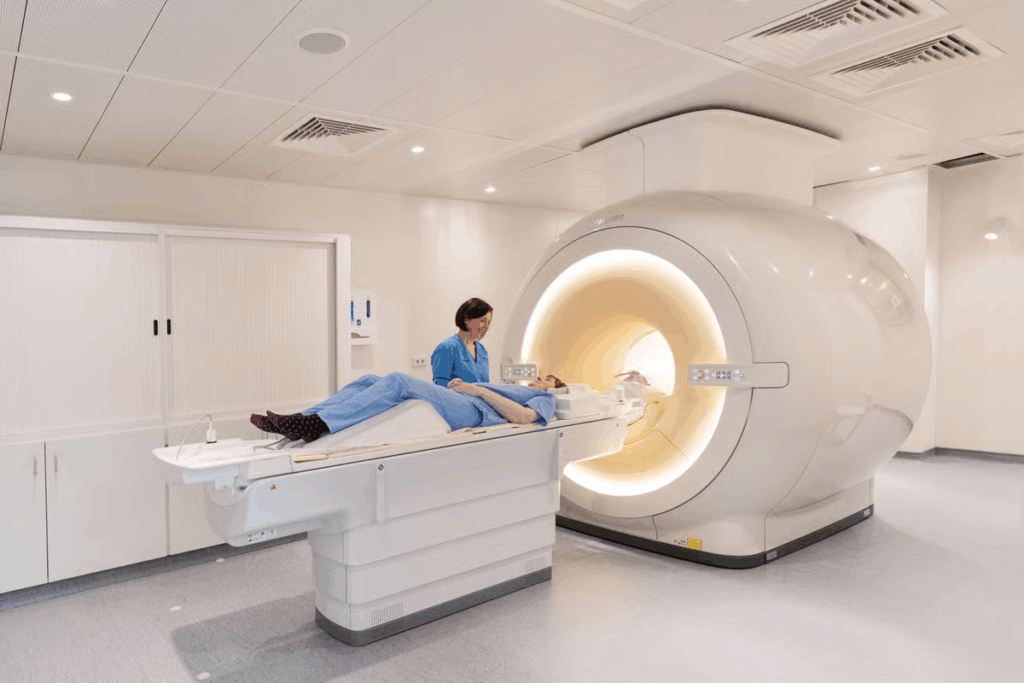
Nearly 80% of MRI procedures use a contrast agent to make images clearer. This shows how important contrast agents are in MRI scans. Understand what happens during an mri with contrast, the drugs used, and how the process helps improve imaging results.
If you’re getting an MRI with contrast, you might wonder about the contrast dye. We’re here to answer your questions and ease your worries.
Our goal is to provide you with a comprehensive understanding of MRI contrast agents. We want to address your concerns and make you feel ready for your MRI.
Key Takeaways
- The use of contrast agents in MRI procedures is common and generally safe.
- Understanding the purpose and safety of MRI contrast dye can help alleviate concerns.
- An MRI with contrast is used to enhance image clarity for diagnostic purposes.
- We will guide you through the process and what to expect during your MRI.
- Knowing more about the MRI contrast agent can help you feel more prepared.
The Basics of MRI Technology and Procedures
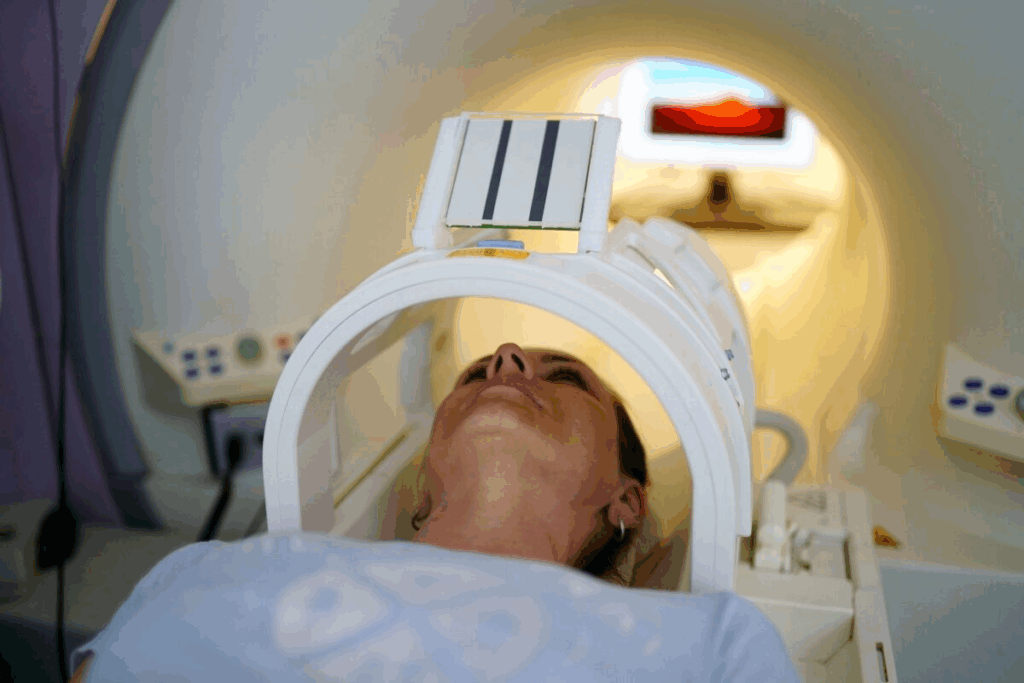
MRI technology uses magnetic fields and radio waves to create detailed images of the body’s inside. It’s a non-invasive tool that has changed medicine. It gives clear images without surgery or harmful radiation.
How Magnetic Resonance Imaging Works
MRI works by using a strong magnetic field and radio waves. It aligns hydrogen atoms in the body, then disturbs them with radio waves. This creates signals that make detailed images.
Different Types of MRI Scans Available
There are many MRI scans, each for different body parts. Functional MRI (fMRI) checks brain activity. Magnetic Resonance Angiography (MRA) shows blood vessels. Diffusion-weighted imaging finds strokes and other issues.
Knowing how MRI works and the types of scans is key. It shows how MRI helps in medical care. MRI is a big help in treating patients.
MRI with Contrast: What It Is and Why It’s Used
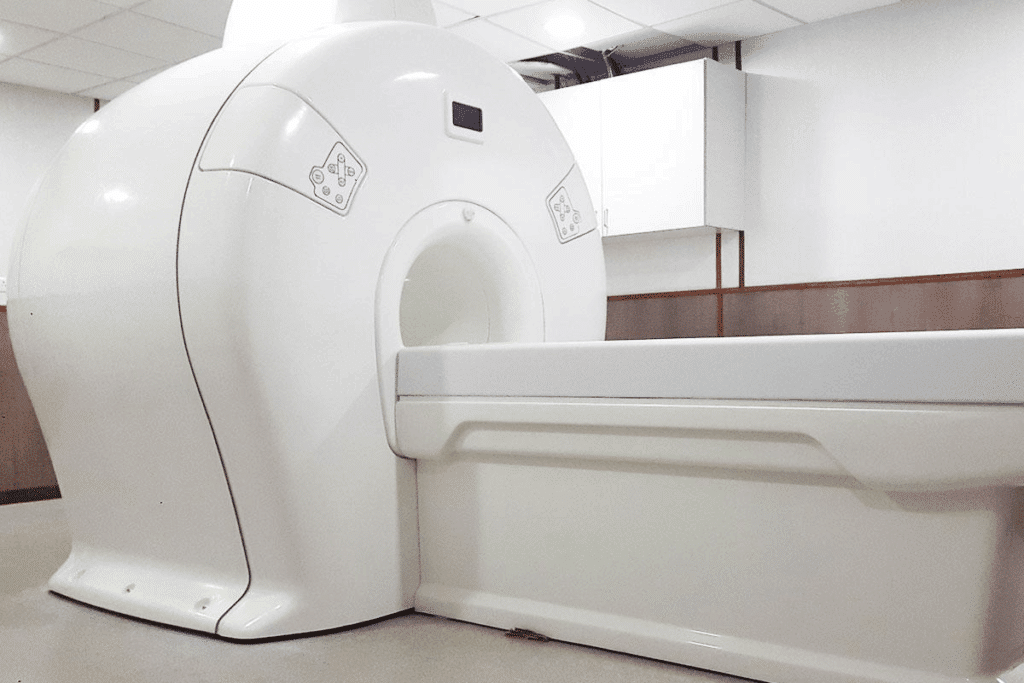
MRI with contrast is a special imaging method. It makes magnetic resonance imaging (MRI) better. We add contrast agents to see certain body parts clearly. This helps doctors make better diagnoses and plans.
Definition and Purpose of Contrast-Enhanced MRI
Contrast-enhanced MRI uses a contrast agent, like gadolinium, given through an IV. It changes how nearby hydrogen nuclei act. This makes some body parts show up better on MRI images.
The main goal is to get a clearer view of the body’s inside. This helps doctors find and track many health issues.
Clinical Situations Requiring Contrast Agents
Contrast agents are key in many MRI uses. They help see:
- Tumors and other growths
- Blood vessels and vascular diseases
- Inflammation or infection
- Neurological conditions
With contrast agents, doctors can see more clearly. This leads to better diagnoses and treatments.
Types of Contrast Agents Used in MRI Procedures
Contrast agents play a big role in MRI procedures. They help make body structures or fluids stand out. This makes it easier to spot and track medical issues.
Gadolinium-Based Contrast Agents (GBCAs)
Gadolinium-based contrast agents (GBCAs) are the top choice for MRI scans. GBCAs have gadolinium, a rare earth metal, bound to a ligand to make it safer. The gadolinium ion changes the magnetic properties of hydrogen nuclei. This makes them show up better on MRI images.
GBCAs are great for getting clear images. They work well for the brain, spine, and blood vessels.
Specific GBCA Brands and Formulations
There are many GBCA brands out there, each with its own mix. Some well-known ones include:
|
Brand Name |
Active Ingredient |
Indication |
|---|---|---|
|
Magnevist |
Gadopentetate dimeglumine |
General MRI contrast |
|
Omniscan |
Gadodiamide |
General MRI contrast |
|
Dotarem |
Gadoterate meglumine |
General MRI contrast |
Non-Gadolinium Alternative Contrast Media
While GBCAs are common, some cases call for non-gadolinium agents. These are best for patients with kidney issues or at risk of NSF. Some alternatives being looked into include:
- Manganese-based contrast agents
- Iron oxide nanoparticles
- Fluorine-based contrast agents
Scientists are working hard to find safe, effective non-gadolinium agents. They aim to match or beat the diagnostic power of GBCAs.
How MRI Contrast Agents Function in the Body
MRI contrast agents change how nearby hydrogen nuclei act. This makes MRI images clearer.
Mechanism of Action and Magnetic Properties
MRI contrast agents change the magnetic properties of hydrogen nuclei. This makes them more visible during scans. Gadolinium-based agents are common because they make hydrogen nuclei relax faster.
Gadolinium-based contrast agents are very good at this. They make T1 and T2 relaxation times shorter. This makes T1-weighted images clearer, helping to see different tissues better.
Distribution, Absorption, and Elimination
After being given, MRI contrast agents spread through the body via the blood. They go to areas like tumors or inflamed spots, making them stand out. How they spread depends on the agent and what’s being looked at.
Most MRI contrast agents leave the body through the kidneys. They get filtered out and then go in the urine. How fast they leave can change based on kidney health and the agent’s properties. For example, gadolinium retention is studied, mainly in those with kidney problems.
Knowing how MRI contrast agents spread, absorb, and leave the body is key. It helps in understanding MRI images and reducing risks.
The Administration Process of MRI Contrast Media
Administering MRI contrast media is key to better MRI images. We take great care to ensure high-quality images for accurate diagnoses.
Intravenous Injection Procedure and Experience
The contrast agent goes through an intravenous line. This method controls dosage and rate for the best images. Patients might feel a pinch, but it’s usually okay.
Timing, Dosage, and Injection Rate Considerations
We plan the contrast agent’s timing, dosage, and rate carefully. This depends on the MRI type, patient weight, and kidney function. We aim for the right contrast concentration in the imaging area.
Let’s look at what we consider during MRI contrast administration:
- Dosage Calculation: We base the dose on the patient’s weight for the right amount.
- Injection Rate: The injection speed is adjusted for the MRI scan’s needs.
- Timing: When we give the contrast is key for the best image.
Here’s a table of key MRI contrast media administration factors:
|
Factor |
Description |
Considerations |
|---|---|---|
|
Dosage |
Amount of contrast agent given |
Patient weight, renal function |
|
Injection Rate |
Speed at which contrast is administered |
Type of MRI examination, desired enhancement pattern |
|
Timing |
When contrast is given relative to MRI scan |
Specific requirements of the MRI protocol |
To understand better, consider this image:
By managing MRI contrast media well, we improve MRI scans’ value. This complex process is vital for accurate diagnoses and treatment plans.
Medical Conditions That Benefit From MRI with Contrast
MRI with contrast has greatly improved how we diagnose diseases. It helps us see many conditions clearly. This information is key for making treatment plans.
Neurological Disorders and Brain Imaging
MRI with contrast is great for spotting neurological problems. It shows brain tumors, infections, and conditions like multiple sclerosis. The contrast makes these issues stand out, helping doctors make accurate diagnoses.
Here are some neurological conditions that MRI with contrast helps with:
- Brain tumors and metastases
- Multiple sclerosis and other demyelinating diseases
- Infections such as abscesses and encephalitis
- Inflammatory conditions like vasculitis
Cancer Detection, Staging, and Monitoring
MRI with contrast is key in cancer diagnosis and tracking. It spots tumors and checks how big they are. It also sees how well treatments are working. The contrast makes tumors easier to see, helping doctors tell if they’re cancerous.
Here are some cancers that MRI with contrast helps with:
- Breast cancer
- Prostate cancer
- Liver and pancreatic cancer
- Musculoskeletal tumors
Cardiovascular and Vascular Assessments
MRI with contrast is used for heart and blood vessel diseases. It gives clear pictures of the heart and blood vessels. This helps find problems like blocked arteries and aneurysms.
The benefits of MRI with contrast for heart and blood vessels include:
- Accurate diagnosis of coronary artery disease
- Evaluation of cardiac function and perfusion
- Assessment of vascular anatomy and pathology
Musculoskeletal and Soft Tissue Evaluation
MRI with contrast is also good for checking muscle and soft tissue problems. It helps find issues like tendonitis and soft tissue tumors. The contrast makes these areas clearer, helping doctors diagnose better.
Here are some muscle and soft tissue conditions that MRI with contrast helps with:
- Tendon and ligament injuries
- Soft tissue tumors and masses
- Inflammatory and infectious conditions
Clinical Benefits of Using Contrast in MRI Scans
MRI scans with contrast agents offer big clinical benefits. They give a detailed and accurate view of the body’s internal structures. This is key for diagnosing and treating many medical conditions.
Enhanced Visualization of Pathology
One main benefit of using contrast in MRI scans is better seeing of pathology. Contrast agents show areas of inflammation, infection, or tumors. This makes it easier for doctors to find and assess disease extent.
“The administration of contrast agents is a critical step in MRI protocols, particular for complex cases requiring detailed imaging.”
Improved Diagnostic Accuracy and Confidence
Contrast-enhanced MRI also boosts diagnostic accuracy and confidence. It gives clearer images of structures and conditions. This helps radiologists make more precise diagnoses.
Key advantages of contrast-enhanced MRI include:
- Enhanced detection of small lesions
- Improved characterization of tissue abnormalities
- Better assessment of disease extent and severity
Better Differentiation Between Normal and Abnormal Tissues
Another big plus of contrast-enhanced MRI is its ability to tell normal from abnormal tissues. Contrast agents build up differently in tissues. This makes it easier to see health from diseased areas.
In conclusion, the benefits of using contrast in MRI scans are many. They range from better seeing of pathology to more accurate diagnoses. By using contrast-enhanced MRI, doctors can give better care to patients.
Common Side Effects of MRI Contrast Media
MRI contrast media are usually safe, but they can cause side effects in some people. We will look at the common side effects of MRI contrast media. This includes mild reactions and sensations during and after the injection. We will also give tips on how to manage these effects.
Mild and Transient Reactions
Most side effects of MRI contrast media are mild and go away quickly. Common mild reactions include:
- Nausea
- Headache
- Dizziness
- Itching or rash
These reactions are usually short-lived and don’t need medical help.
Sensations During and After Injection
Some people may feel sensations during or after the MRI contrast media injection. These can include:
- A feeling of coldness or warmth at the injection site
- A metallic taste in the mouth
- A sensation of flushing or redness
These sensations are usually mild and don’t last long.
Managing Minor Side Effects Effectively
Even though minor side effects are usually not serious, there are ways to manage them. For example:
|
Side Effect |
Management Strategy |
|---|---|
|
Nausea |
Stay hydrated, avoid heavy meals before the MRI |
|
Headache |
Over-the-counter pain relievers, rest |
|
Itching or rash |
Antihistamines, monitor for progression |
It’s important for patients to tell their healthcare provider about any side effects they have, even if they seem minor.
Serious Complications and Adverse Reactions
While MRI contrast agents are generally safe, there are serious complications and adverse reactions that patients should be aware of. Understanding these risks is key for making informed decisions and getting the right medical care.
Severe Allergic and Anaphylactic Reactions
Severe allergic reactions to MRI contrast agents, though rare, can be life-threatening. Anaphylaxis is a severe, whole-body allergic reaction that needs immediate medical attention. Symptoms include difficulty breathing, rapid heartbeat, and a drop in blood pressure.
Recognizing the signs of anaphylaxis is critical for timely intervention. Healthcare providers are trained to handle such emergencies. Facilities where MRI scans are performed have the necessary medications and equipment.
“Anaphylaxis is a medical emergency that requires prompt treatment with epinephrine and other supportive measures.”
No specific author, medical guideline
Nephrogenic Systemic Fibrosis (NSF) Risk
Nephrogenic Systemic Fibrosis (NSF) is a rare but serious condition linked to gadolinium-based contrast agents in patients with severe kidney disease. NSF can cause skin thickening and hardening, as well as fibrosis of internal organs.
|
Patient Group |
NSF Risk |
|---|---|
|
Patients with normal kidney function |
Low |
|
Patients with acute kidney injury or severe chronic kidney disease |
High |
Gadolinium Deposition Disease Concerns
Gadolinium Deposition Disease (GDD) is a condition where gadolinium deposits in the body, potentially leading to various symptoms. Research is ongoing to understand the long-term implications of gadolinium retention.
It’s essential for patients to discuss their individual risk factors and concerns with their healthcare provider before undergoing an MRI with contrast. This includes understanding the benefits and risks of gadolinium-based contrast agents.
By understanding the serious complications and adverse reactions of MRI contrast media, patients and healthcare providers can make informed decisions about their use.
Risk Factors for Adverse Reactions to Contrast Agents
It’s important to know the risks of bad reactions to contrast agents for safe MRI tests. We find out who’s at higher risk to keep them safe during the test.
Kidney Function Impairment
People with kidney problems face a higher risk of bad reactions to contrast agents, like those with gadolinium. We check their kidney function before giving contrast agents to lower risks.
History of Allergies and Previous Reactions
Having allergies, or bad reactions to contrast agents before, raises the risk of another bad reaction. We look at a patient’s allergy history to decide the best action.
Underlying Medical Conditions That Increase Risk
Some medical conditions can make bad reactions to contrast agents more likely. These include kidney issues, asthma, and other allergies. We check each patient’s medical history for these risks.
When we look at risk factors, we focus on:
- Kidney function status
- History of allergies or previous reactions to contrast agents
- Presence of underlying medical conditions
Knowing and identifying these risks helps us take steps to reduce the chance of bad reactions. This way, we ensure a safe MRI test for everyone.
Pre-MRI Screening and Patient Preparation
To make sure MRI experiences are smooth and safe, we do detailed pre-MRI screenings. We check a patient’s medical history and do lab tests. This is key to spotting risks and keeping patients safe during the MRI.
Comprehensive Medical History Assessment
Reviewing a patient’s medical history is a big part of pre-MRI screening. Our team looks at the patient’s medical records for any past reactions to contrast agents, allergies, and health issues. This helps us plan how to keep the patient safe during the MRI.
We also ask about implants, surgical clips, or metal objects that might affect the MRI’s magnetic field. Clear communication about these is key to patient safety and procedure success.
Laboratory Testing for Kidney Function
Lab tests are also important, mainly for checking kidney function. For patients getting contrast agents, we test their blood to see how their kidneys are doing. This is important because some contrast agents can be risky for people with kidney problems.
We look at the test results to decide the best way to do the MRI. If needed, we might change the contrast agent or use a different imaging method.
Informed Consent Process
The informed consent process is a big part of getting ready for an MRI. We make sure patients know about the procedure, including risks from the contrast agent and MRI technology. We also cover other important details.
We give patients clear instructions on how to get ready for the MRI, what to expect, and any follow-up care. Patient education helps reduce anxiety and makes the experience better.
By doing thorough medical history checks, kidney function tests, and informed consent, we prepare patients well for MRI procedures. This careful preparation makes the MRI safer and more effective for patients.
Medications Given Before MRI to Prevent Reactions
Premedication is key for preparing high-risk patients for MRI. It’s important because MRI can be scary, even for those who have had bad reactions before. This is true for those with claustrophobia and anxiety too.
Premedication Protocols for High-Risk Patients
For those at high risk, we use special premedication plans. These plans include giving corticosteroids and antihistamines before the MRI.
A common premedication plan is:
- Oral corticosteroids, like prednisone, given 12 to 24 hours before the MRI
- Antihistamines, such as diphenhydramine, given just before the procedure
These medicines help lower the chance of allergic reactions and other bad effects from MRI contrast agents.
|
Premedication |
Dosage |
Timing |
|---|---|---|
|
Corticosteroids (e.g., prednisone) |
20-50 mg |
12-24 hours before MRI |
|
Antihistamines (e.g., diphenhydramine) |
25-50 mg |
Shortly before MRI |
Anti-Anxiety Medications for Claustrophobia and Anxiety
For those with claustrophobia or anxiety about the MRI, we have special medicines. These help patients relax and stay calm during the scan. This ensures the images are clear.
Common anti-anxiety medicines are:
- Benzodiazepines, such as alprazolam or lorazepam, for short-term anxiety relief
- Other anxiolytic agents based on the patient’s history and anxiety level
Talking about anxiety or claustrophobia with your doctor before the MRI is important. This helps find the best way to manage your symptoms.
Pain Management Options During MRI Procedures
Most MRI procedures are painless, but some might feel uncomfortable. This could be because of the tight space or staying very quiet for a long time. For these cases, we offer pain management options to make the scan more comfortable.
“Effective pain management is key for patient comfort and cooperation during MRI procedures.” –
Pain management strategies include:
- Over-the-counter pain relievers for mild discomfort
- Relaxation techniques, like deep breathing or meditation, to reduce stress and anxiety
- Positioning aids to make the patient more comfortable during the scan
By tackling pain and discomfort early, we can make the MRI experience better for our patients.
Gadolinium Retention in the Body: Current Research
Research is ongoing to understand gadolinium retention. Gadolinium-based contrast agents (GBCAs) are used in MRI to improve image clarity. But, studies have raised concerns about gadolinium staying in the body.
Evidence of Gadolinium Deposition in Tissues
Studies show gadolinium stays in the body, mainly in the brain and other tissues. It’s found in the brain, bone, and skin. The exact reason for this is not clear, but the GBCA’s chemical structure is thought to play a big role.
Long-Term Safety Considerations
The long-term safety of gadolinium retention is being studied. While gadolinium is found in tissues, its impact is not yet fully understood. Some studies suggest it might not cause immediate harm, but long-term effects are a worry. It’s important for patients to talk to their doctors about their risks.
FDA Guidelines and Recommendations
The FDA has guidelines for GBCAs, focusing on weighing benefits against risks. The FDA advises using GBCAs only when needed and exploring other imaging options. Doctors should tell patients about gadolinium retention and watch for any bad effects.
|
FDA Recommendations |
Clinical Implications |
|---|---|
|
Use GBCAs only when necessary |
Alternative imaging techniques should be considered |
|
Inform patients about gadolinium retention |
Patients should be aware of the risks and benefits |
|
Monitor patients for adverse effects |
Healthcare providers should watch for signs of gadolinium toxicity |
Alternatives to Traditional Contrast-Enhanced MRI
The search for safer and better imaging methods has led to new options. These alternatives are key for improving patient care as medical tech advances.
Emerging Contrast Technologies and Agents
Scientists are working on new contrast agents that are safer and work better than old ones. Some new technologies include:
- Manganese-based contrast agents
- Iron oxide nanoparticles
- Fluorine-based contrast agents
These new agents aim to lower risks like nephrogenic systemic fibrosis (NSF) and gadolinium deposition disease.
Advanced Non-Contrast MRI Techniques
New MRI methods without contrast agents are also being developed. These include:
- Arterial spin labeling (ASL)
- Diffusion-weighted imaging (DWI)
- Functional MRI (fMRI)
These methods use tissue properties to create contrast, cutting down on the need for contrast agents.
When to Consider Alternative Imaging Methods
There are times when we should think about using different imaging methods:
|
Patient Condition |
Alternative Imaging Method |
|---|---|
|
Severe kidney impairment |
Non-contrast MRI or CT scans |
|
History of adverse reactions to contrast agents |
Alternative contrast agents or non-contrast MRI |
|
Pregnancy or breastfeeding |
Ultrasound or non-contrast MRI |
Using these alternatives can help us offer safer and more effective diagnostic options for our patients.
Special Patient Populations and Contrast Considerations
When it comes to MRI scans, special care is needed for certain groups. This includes pregnant women and kids. The right use of contrast agents is key to getting clear images. But, each group has its own needs because of their health or age.
Pregnant Women and Fetal Safety
Using contrast agents in pregnant women is done with great care. Gadolinium-based contrast agents (GBCAs) can pass through the placenta. We’re not sure how much harm they might cause to the baby. So, we only use them when it’s really necessary.
Pediatric Patients and Contrast Administration
Kids need the right amount of contrast based on their size and age. The way GBCAs work in kids is similar to adults. But, we watch them closely to avoid any problems. We also check their kidneys because kids with kidney issues might face more risks.
Elderly Patients with Multiple Comorbidities
Older adults often have many health problems, including kidney issues. We check their kidneys and overall health before using contrast agents. We might adjust the dose or choose other imaging methods to keep them safe.
Patients with Renal Insufficiency
People with serious kidney problems are at risk for NSF. We look at the benefits and risks carefully. We might pick safer contrast agents or use other imaging methods. It’s important to watch their kidney function closely before, during, and after the scan.
Dealing with contrast agents in special groups needs a careful and focused approach. By understanding the needs of pregnant women, kids, older adults, and those with kidney issues, we can make MRI safer and more effective for everyone.
Post-MRI Care After Receiving Contrast Agents
After your MRI with contrast agents, staying hydrated is key. Drinking lots of water helps get rid of the dye. This reduces side effect risks.
Hydration Recommendations and Importance
Drink at least 8 to 10 glasses of water in 24 hours after your MRI. Hydration helps get rid of the dye. It also keeps your body working right.
Monitoring for Delayed Reactions
Delayed reactions to contrast agents are rare but can happen. Symptoms include rash, itching, or flu-like feelings. If you get these, watch your symptoms closely. Seek medical help if they don’t get better or get worse.
When to Seek Medical Attention After MRI
If you see these symptoms, get medical help right away:
- Severe rash or itching
- Difficulty breathing
- Swelling of the face, lips, or throat
- Rapid heartbeat
Following these tips can lower MRI contrast risks. This ensures a safe and comfy recovery. If you’re worried or have questions, talk to your healthcare provider.
Conclusion: Balancing Benefits and Risks of MRI Contrast
We’ve looked into how contrast agents help in MRI scans. They make it easier to see what’s going on inside the body. But, there are also risks to consider.
Using MRI contrast agents safely means picking the right patients and watching them closely. Knowing how they work and their possible side effects helps doctors avoid problems. This way, patients get better care.
New MRI tech and contrast agents are on the horizon. These advancements could make scans better and safer. They might also reduce risks.
Choosing to use MRI contrast agents should depend on each patient’s situation. Weighing the good against the bad helps us use these tools wisely. This way, we can help patients more and improve their health.
FAQ
What is MRI contrast media?
MRI contrast media, also known as contrast agents, are substances used to enhance the quality of MRI scans. They highlight specific areas of the body.
Why is contrast used in MRI scans?
Contrast agents are used to improve the visualization of certain tissues, organs, or abnormalities. This allows for more accurate diagnoses.
What are the different types of MRI contrast agents?
The most common type of MRI contrast agent is Gadolinium-Based Contrast Agents (GBCAs). But there are also alternative contrast media available.
How are MRI contrast agents administered?
MRI contrast agents are typically administered through an intravenous injection. The dosage and injection rate are carefully considered.
What are the common side effects of MRI contrast media?
Common side effects include mild and transient reactions. These can include sensations during and after injection. They can be managed effectively.
What are the serious complications associated with MRI contrast media?
Serious complications include severe allergic reactions, Nephrogenic Systemic Fibrosis (NSF), and Gadolinium Deposition Disease concerns.
Who is at risk for adverse reactions to contrast agents?
Individuals with kidney function impairment, a history of allergies, and underlying medical conditions are at a higher risk for adverse reactions.
How can I prepare for an MRI with contrast?
Preparation includes a thorough medical history assessment, laboratory testing for kidney function, and informed consent.
Can I receive premedication before an MRI to prevent reactions?
Yes, premedication protocols are available for high-risk patients. Anti-anxiety medications can also be given for claustrophobia and anxiety.
Is gadolinium retention in the body a concern?
Current research indicates that gadolinium deposition in tissues is a consideration. The FDA provides guidelines and recommendations.
Are there alternatives to traditional contrast-enhanced MRI?
Yes, emerging contrast technologies and advanced non-contrast MRI techniques are available. Alternative imaging methods can also be considered.
Are there special considerations for certain patient populations?
Yes, pregnant women, pediatric patients, elderly patients, and patients with renal insufficiency require special consideration when using contrast agents.
What post-MRI care is recommended after receiving contrast agents?
Hydration recommendations and monitoring for delayed reactions are essential. Patients should know when to seek medical attention after an MRI.
What should I do if I experience symptoms after an MRI with contrast?
If you experience any unusual symptoms, such as pain, swelling, or difficulty breathing, seek medical attention immediately.
References
National Center for Biotechnology Information. Evidence-Based Medical Insight. Retrieved from https://pubmed.ncbi.nlm.nih.gov/30368779/