
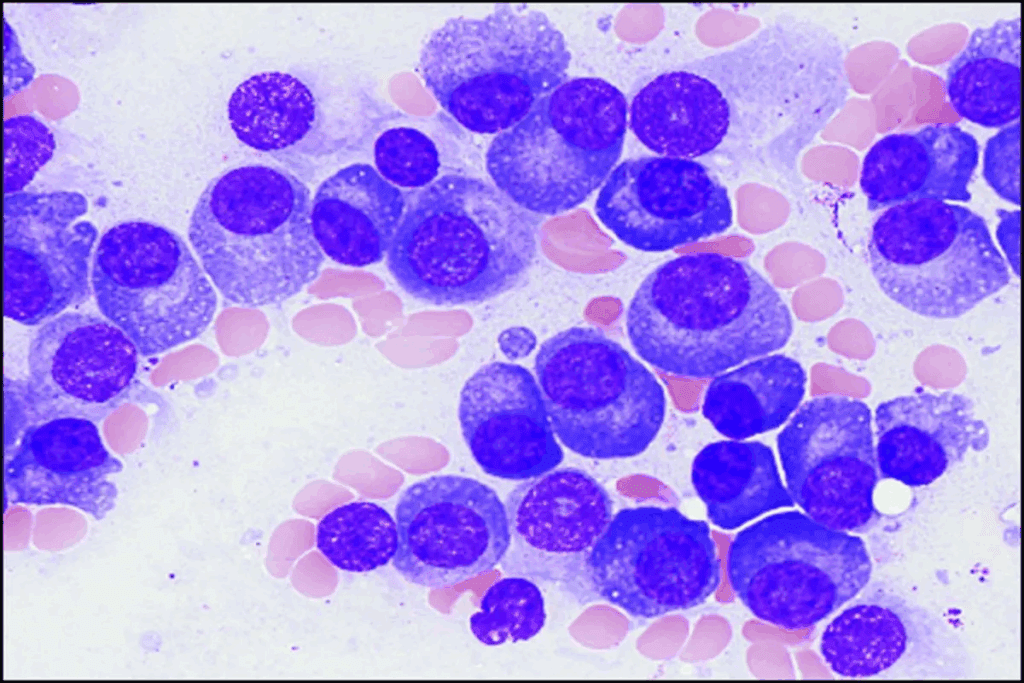
Multiple myeloma cancer symptoms can be easy to miss at first, but early detection is key to effective treatment. At Liv Hospital, we focus on providing advanced care to help patients recognize symptoms early and seek timely medical attention.
Multiple myeloma is a rare type of blood cancer that affects plasma cells in the bone marrow. Understanding the early symptoms of multiple myeloma cancer can greatly improve health outcomes and treatment success.
In this article, we’ll discuss 11 early multiple myeloma cancer symptoms you shouldn’t ignore. You’ll also learn how to manage them and when to get help. At Liv Hospital, our patient-centered approach ensures the best possible care for every individual.
Key Takeaways
- Early detection of multiple myeloma is key to effective treatment.
- Multiple myeloma is a rare type of blood cancer affecting plasma cells.
- Liv Hospital provides up-to-date academic care for patients.
- Recognizing early signs can significantly impact health outlook.
- Our patient-centered approach ensures the best possible treatment.
Understanding Multiple Myeloma Cancer Symptoms and Early Detection

Multiple myeloma is a blood cancer that affects many parts of your health. It happens when bad plasma cells grow in the bone marrow. We’ll look at what multiple myeloma is, why catching it early is key, and what increases your risk.
What is Multiple Myeloma?
Multiple myeloma is a cancer of plasma cells, a type of white blood cell. Plasma cells help fight infections by making antibodies. But in multiple myeloma, cancerous plasma cells take over the bone marrow, pushing out healthy cells.
These cancer cells make bad proteins instead of helpful antibodies. This can cause problems.
Why Early Detection Matters
Finding multiple myeloma early is very important. It lets doctors start treatment sooner. This can make life better and improve treatment results.
Risk Factors and Prevalence
Multiple myeloma often hits older adults, mostly those aged 65-74. Men get it more than women. Other risks include family history, certain chemicals, and being African American.
| Risk Factor | Description |
| Age | Most cases are diagnosed in people aged 65-74 years. |
| Gender | Men are more likely to be diagnosed than women. |
| Family History | Having a family history of multiple myeloma increases the risk. |
| Ethnicity | African Americans are at higher risk compared to other ethnic groups. |
Knowing about multiple myeloma, its risks, and the need for early detection helps. Patients and doctors can then work better together to manage the disease.
Persistent Bone Pain: The Most Common First Sign

Persistent bone pain is a common first sign of multiple myeloma. It can greatly affect a patient’s quality of life. This pain happens when the cancer damages the bone marrow.
Where Bone Pain Typically Occurs
Bone pain from multiple myeloma can happen in different parts of the body. It often occurs in:
- The back
- The hips
- The ribs
- The skull
- The long bones of the arms and legs
The pain can vary from mild to severe. It usually doesn’t go away, even when you’re not active.
How to Distinguish Myeloma Bone Pain from Other Types
Telling myeloma bone pain from other types can be hard. But some signs might point to myeloma:
| Characteristics | Myeloma Bone Pain | Other Types of Bone Pain |
| Duration | Persistent over time | Often intermittent or related to activity |
| Location | Typically in the back, hips, riband s | Can vary widely |
| Intensity | Can be severe | Varies |
When Bone Pain Warrants Medical Attention
Seek medical help if your bone pain:
- Keeps getting worse over time
- It is so bad that it affects your daily life
- Comes with other symptoms like tiredness, weight loss, or fever
Getting a diagnosis early can really help with treatment. If you have ongoing bone pain, see a doctor. They can figure out what’s causing it and what to do next.
Unexplained Fatigue and Weakness
One of the earliest symptoms of multiple myeloma is unexplained fatigue. This tiredness can make everyday tasks hard. We’ll look at how multiple myeloma affects energy levels and when tiredness is a sign of a problem.
When Tiredness Becomes a Medical Concern
Fatigue is common but can be a sign of a health issue if it doesn’t go away. In multiple myeloma, it’s often due to anemia. Anemia means not enough red blood cells or hemoglobin.
Connection Between Myeloma and Energy Levels
Multiple myeloma lowers energy through anemia and other ways. Kidney problems and cytokines also play a role. Knowing this helps manage the fatigue better.
Differentiating Normal Fatigue from Myeloma-Related Exhaustion
Telling normal tiredness from myeloma fatigue is hard. Myeloma fatigue lasts, doesn’t get better with rest, and comes with weakness and shortness of breath. A doctor’s check-up is key to figuring out why you’re tired.
Here’s a table to help you understand the difference:
| Characteristics | Normal Fatigue | Myeloma-Related Fatigue |
| Duration | Temporary, relieved by rest | Persistent, not relieved by rest |
| Accompanying Symptoms | None or minimal | Weakness, shortness of breath, possibly anemia |
| Impact on Daily Life | Minimal | Significant, interferes with daily activities |
Anemia: A Common Early Symptom of Multiple Myeloma
Anemia is a key early sign of multiple myeloma, needing quick medical check-ups. It’s vital to grasp how anemia ties to multiple myeloma and its effects on patients.
Causes of Anemia in Multiple Myeloma
Multiple myeloma causes anemia mainly because cancer cells replace normal bone marrow cells. This blocks the making of red blood cells, leading to anemia. Other issues, like chronic disease and treatment, can also worsen anemia in myeloma patients.
The Role of Bone Marrow: Bone marrow is key for making blood cells, like red blood cells that carry oxygen. In multiple myeloma, cancer cells take over, stopping healthy cells from doing their job.
Recognizing Anemia Symptoms
Anemia symptoms can really lower a patient’s quality of life. Common signs include:
- Fatigue and weakness
- Shortness of breath
- Dizziness or lightheadedness
- Pale skin
- Headaches
These signs can also mean other things, so seeing a doctor for a correct diagnosis is key.
Diagnostic Tests for Anemia
Diagnosing anemia involves several tests to check red blood cell count and type. Important tests include:
- Complete Blood Count (CBC)
- Reticulocyte count
- Peripheral blood smear
- Iron studies
- Bone marrow biopsy
These tests show how severe anemia is and help find the right treatment. In multiple myeloma, knowing why someone has anemia is important for treating both the anemia and the cancer.
Frequent Infections: A Red Flag for Immune System Problems
People with multiple myeloma often get sick more easily. This could mean their immune system is not working properly. The link between multiple myeloma and infections is complex. It involves many factors that weaken the immune system’s defense against germs.
Immune System Compromise in Multiple Myeloma
Multiple myeloma weakens the immune system. It does this by making fewer normal antibodies and by not working well with immune cells. This makes it hard for the body to fight off infections.
Key factors contributing to immune system compromise include:
- Reduction in normal antibody production
- Impairment of plasma cell function
- Suppression of other white blood cell types
Common Infections in Multiple Myeloma Patients
Patients with multiple myeloma often get infections like pneumonia, urinary tract infections, and sepsis. These can be bacterial, viral, or fungal.
Patients need to know the signs and symptoms of these infections. They should seek medical help right away.
Infection Prevention Strategies
Preventing infections is key to managing multiple myeloma. Ways to do this include:
- Practicing good hygiene, like washing hands often
- Avoiding close contact with sick people
- Getting all recommended vaccinations
- Using antibiotics or antivirals as told by doctors
By knowing the risks and taking steps to prevent infections, patients with multiple myeloma can lower their chance of getting serious infections.
Easy Bruising and Unusual Bleeding Patterns
Patients with multiple myeloma often bruise easily. This is because the disease affects platelet count and function. The cancer cells and the body’s blood cell production interact in complex ways.
Multiple Myeloma Bruising Characteristics
Easy bruising in multiple myeloma is mainly due to low platelet counts. The bruises can be large and irregular, appearing without any obvious reason. It’s important to know the difference between normal and myeloma-related bruising.
Characteristics of myeloma-related bruising include:
- Large, irregular bruises
- Bruising without significant trauma
- Frequent or recurring bruising
Platelet Function and Myeloma
Multiple myeloma impacts platelet function in several ways. Cancer cells can take over the bone marrow, reducing platelet production. Myeloma proteins also interfere with platelet function, making them less effective at stopping bleeding.
| Effect on Platelets | Cause | Result |
| Reduced Platelet Count | Bone marrow crowding by cancer cells | Thrombocytopenia |
| Impaired Platelet Function | Myeloma proteins interfere with platelet function | Increased bleeding risk |
When to Be Concerned About Bleeding Issues
Patients with multiple myeloma should watch for unusual bleeding or bruising. If you notice anything different, seek medical help. Reporting these symptoms to your healthcare provider is key to managing the condition.
If you experience any of the following, consult your healthcare provider:
- Frequent or severe nosebleeds
- Bleeding gums
- Prolonged bleeding after cuts or injuries
Kidney Problems: Increased Thirst and Frequent Urination
Multiple myeloma can cause kidney problems. This shows as increased thirst and frequent urination. It happens because the disease damages the kidneys, making them work poorly.
Renal Impairment in Multiple Myeloma
Multiple myeloma harms kidney function by making abnormal proteins. These proteins, called light chains, build up in the kidneys. They damage the renal tubules, making it hard for the kidneys to filter waste.
Kidney damage in multiple myeloma patients comes from several causes. These include the toxic effect of light chains, high calcium levels, and dehydration.
Recognizing Kidney-Related Symptoms
It’s important to watch for kidney symptoms early. Common signs include:
- Increased thirst
- Frequent urination
- Swelling in the legs, ankles, or feet
- Fatigue
- Nausea or loss of appetite
If you notice these symptoms, see your doctor right away.
Protecting Kidney Health
To keep kidneys healthy, drink lots of water. But only do this if your doctor says it’s okay. Also, manage high calcium levels and avoid harmful medicines.
Regular monitoring of kidney function is key. Blood and urine tests help catch problems early. This can help prevent serious kidney damage.
Understanding how multiple myeloma affects the kidneys is important. By monitoring and protecting kidney health, patients can manage their condition better. This improves their overall health and well-being.
Hypercalcemia: Digestive and Neurological Warning Signs
Hypercalcemia is a serious problem linked to multiple myeloma. It happens when there’s too much calcium in the blood. This can occur when myeloma cells damage bones.
This condition needs quick attention because it can cause many symptoms. These symptoms affect different parts of the body.
Rising Calcium Levels in Multiple Myeloma
In multiple myeloma, cancer cells in the bone marrow can destroy bones. This releases calcium into the blood, leading to hypercalcemia. The bone damage is due to myeloma cells breaking down bones faster than they are rebuilt.
It’s important to understand how multiple myeloma and hypercalcemia are connected. This knowledge helps in managing the condition better. The American Cancer Society says early signs and symptoms can greatly improve patient outcomes.
Digestive Symptoms of High Calcium Levels
High calcium levels can cause constipation, nausea, and vomiting. These symptoms happen because calcium affects the muscles in the digestive tract. It slows down bowel movements and causes discomfort.
Hypercalcemia can also lead to abdominal pain and a decrease in appetite. These symptoms can make it harder for patients with multiple myeloma to get the nutrients they need. It’s important to treat hypercalcemia quickly.
Neurological Effects of Hypercalcemia
The neurological symptoms of hypercalcemia can be mild or severe. They include confusion, lethargy, and in severe cases, coma. High calcium levels can change how neurons work, leading to these symptoms.
It’s important for patients and caregivers to watch for these neurological signs. They can show a serious and potentially life-threatening problem with multiple myeloma.
Managing Hypercalcemia in Myeloma Patients
Treating hypercalcemia means fixing the cause, which is the multiple myeloma. Treatment might include hydration to remove excess calcium, medications to slow bone breakdown, and dialysis if the kidneys are affected.
Managing hypercalcemia well is key to improving life quality for patients with multiple myeloma. By controlling calcium levels, doctors can reduce symptoms and focus on treating the myeloma itself.
Multiple Myeloma in Skull: Headaches and Neurological Complications
When multiple myeloma affects the skull, it can lead to serious health problems. This cancer type targets plasma cells in the bone marrow. When it reaches the skull, it causes various issues.
Cranial Involvement in Myeloma
Cancer cells from multiple myeloma can invade the skull’s bones. This invasion can destroy bone tissue, causing symptoms.
Key aspects of cranial involvement include:
- Bone destruction
- Headaches
- Neurological symptoms
Distinguishing Myeloma Headaches from Common Headaches
Headaches from multiple myeloma in the skull differ from usual headaches. Myeloma headaches are persistent and often come with other neurological symptoms.
Characteristics of myeloma headaches:
- Persistent and worsening over time
- Often accompanied by other neurological symptoms
- May be localized to a specific area of the head
Neurological Symptoms Requiring Immediate Attention
Multiple myeloma in the skull can cause serious neurological problems. These symptoms need quick medical attention to avoid more damage.
Neurological symptoms that need immediate attention:
- Numbness or weakness in the face or extremities
- Vision changes or double vision
- Seizures
Patients with multiple myeloma should know about these complications. They should seek medical help if they notice any symptoms.
Unexplained Weight Loss and Appetite Changes
Multiple myeloma can cause big changes in how the body works, leading to weight loss and changes in appetite. These symptoms can really affect patients’ health and happiness. We’ll look at how multiple myeloma changes metabolism, the nutritional hurdles patients face, and how diet can help during treatment.
Metabolic Effects of Multiple Myeloma
Multiple myeloma can change how the body handles proteins, fats, and carbs. This can cause unexplained weight loss because the body uses more energy. It can also mess with hormone levels, affecting metabolism even more.
Nutritional Challenges with Multiple Myeloma
Patients with multiple myeloma often struggle with nutrition. Symptoms like loss of appetite, nausea, and tiredness make it hard to eat enough. It’s key for patients to work with their healthcare team to create a nutrition plan that fits them.
Dietary Strategies During Treatment
During treatment, patients with multiple myeloma can benefit from certain diets. Eating high-calorie, high-protein foods can help prevent weight loss. Drinking plenty of water is also important to help the kidneys work properly.
| Nutritional Tip | Benefit |
| Eating small, frequent meals | Helps manage nausea and maintain nutrition |
| Increasing calorie and protein intake | Supports weight maintenance and overall health |
| Staying hydrated | Supports kidney function and overall well-being |
“Proper nutrition is key for patients with multiple myeloma. It helps manage symptoms, supports recovery, and improves life quality.”
Understanding the metabolic effects of multiple myeloma and using the right diet can really improve patients’ lives. By teaming up with their healthcare team, patients can create a nutrition plan that supports their health during treatment.
Conclusion: Recognizing Symptoms and Seeking Timely Medical Care
It’s important to spot the early signs of multiple myeloma to get timely care. We’ve talked about symptoms like bone pain, fatigue, anemia, infections, and kidney issues.
Acting fast on these signs can really help. At Liv Hospital, we focus on giving top-notch care to those with multiple myeloma. We stress the need to see a doctor if symptoms don’t go away or get worse.
Knowing the symptoms and getting medical help early can make a big difference. It helps patients get the right treatment and live better. We urge everyone to keep an eye on their health and see a doctor if they notice anything odd or persistent.
FAQ
What are the early symptoms of multiple myeloma?
Early signs of multiple myeloma include bone pain and fatigue. You might also feel weak, anemic, and get infections easily. Other symptoms are easy bruising, kidney issues, and headaches.
What is the first sign of multiple myeloma?
The first sign is often bone pain. This usually happens in the back, ribs, or hips.
How does multiple myeloma cause anemia?
Myeloma causes anemia by taking over the bone marrow. This means fewer red blood cells are made.
Why are patients with multiple myeloma more susceptible to infections?
Patients with myeloma get infections easily. This is because the disease weakens the immune system by reducing antibody production.
What are the characteristics of myeloma-related bruising?
Myeloma-related bruising is easy and unusual. It happens because of low platelet counts.
How does multiple myeloma affect kidney function?
Myeloma can harm the kidneys. It does this by producing light chains that damage kidney cells.
What are the symptoms of hypercalcemia in multiple myeloma?
Hypercalcemia symptoms include nausea and constipation. You might also feel confused and weak.
How can multiple myeloma affect the skull?
Myeloma can cause skull lesions. These lead to headaches and can damage nerves.
What are the nutritional challenges faced by patients with multiple myeloma?
Patients often struggle with nutrition. The disease can cause weight loss and a lack of appetite.
What are the red flags for multiple myeloma?
Red flags include bone pain, fatigue, anemia, and infections. Easy bruising and kidney problems are also signs.
What are the early stages of multiple myeloma?
Early stages might not show symptoms. But as it progresses, you’ll feel bone pain, fatigue, and anemia.
How is multiple myeloma diagnosed?
Diagnosis involves blood tests, bone marrow biopsies, and imaging studies. These tests help confirm the disease.
References
- NHS. (2025). Symptoms of myeloma. https://www.nhs.uk/conditions/myeloma/symptoms/