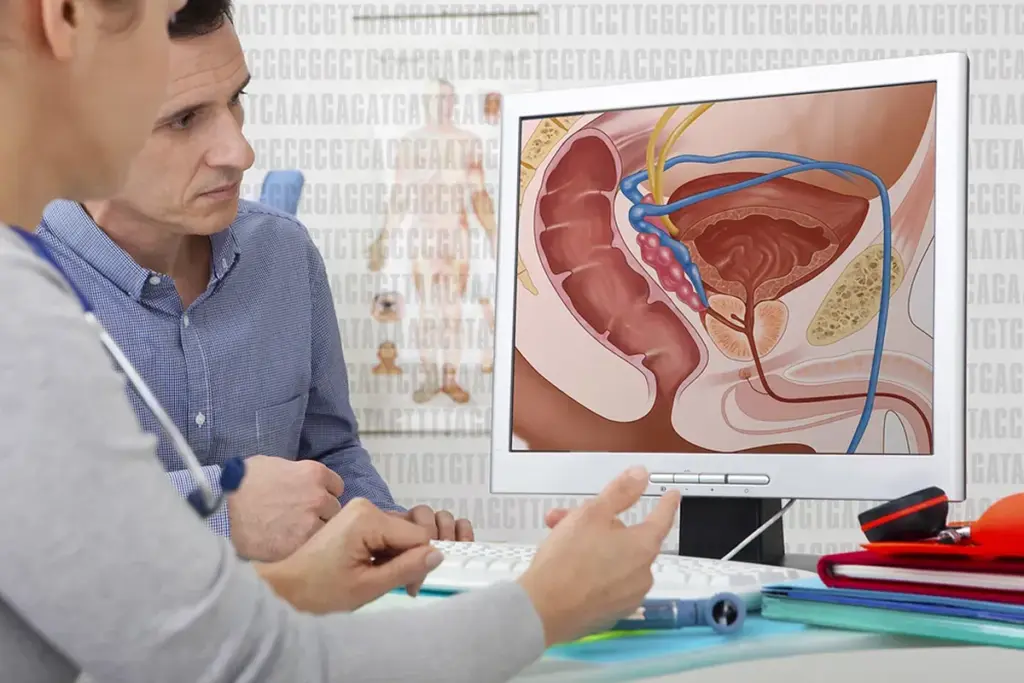
Recent studies show that almost 1 in 5 men might not need a prostate biopsy if they have an MRI first. This finding shows how important MRI is in finding prostate cancer. High numbers? My PSA is 56 should I worry? We explain what extremely high antigen levels usually indicate and the urgent next steps to take.
When thinking about getting a prostate biopsy, knowing how MRI helps is key. For men getting close to the recommended prostate exam age, MRI can make a big difference. It might cut down on unnecessary tests and help find serious prostate cancer better.
We will look at the latest research and guidelines. We want to know if an MRI should be done before a prostate biopsy, mainly for men at the prostate screening age.
Key Takeaways
- MRI before biopsy can reduce unnecessary prostate biopsies.
- Improved diagnostic accuracy is achieved with MRI-guided prostate cancer detection.
- Men at the recommended prostate exam age may benefit from MRI before biopsy.
- Latest research supports the use of MRI in prostate cancer diagnosis.
- Clinical guidelines are evolving to include MRI before prostate biopsy.
Understanding Prostate Biopsy and Its Importance
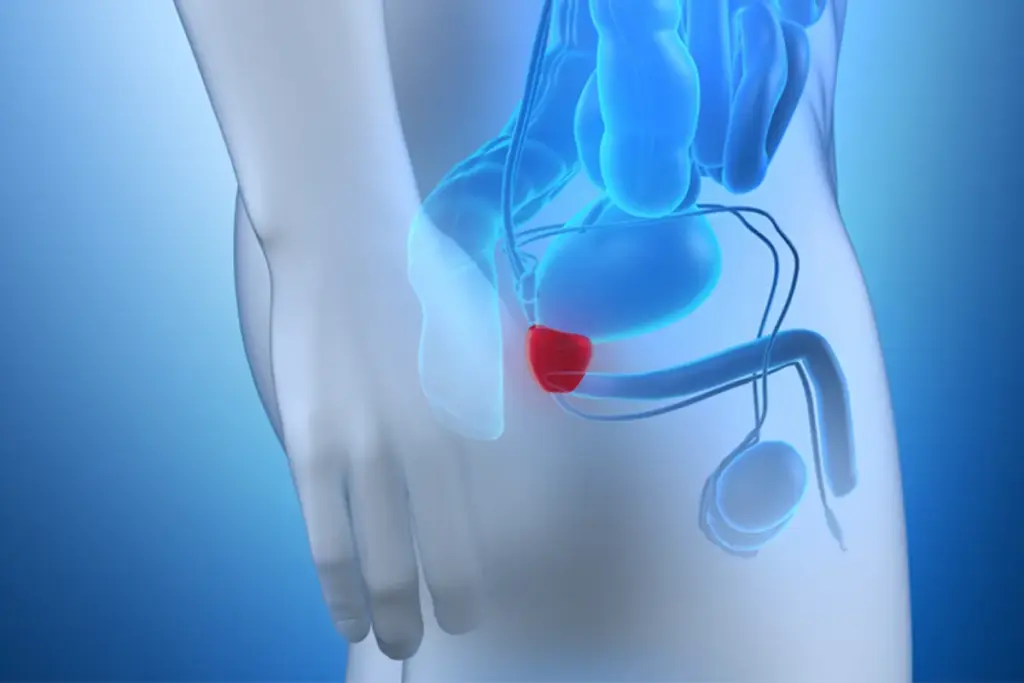
A prostate biopsy is a key test for finding prostate cancer. It takes tissue samples from the prostate gland. This helps doctors see if cancer is there and how serious it is.
What is a Prostate Biopsy?
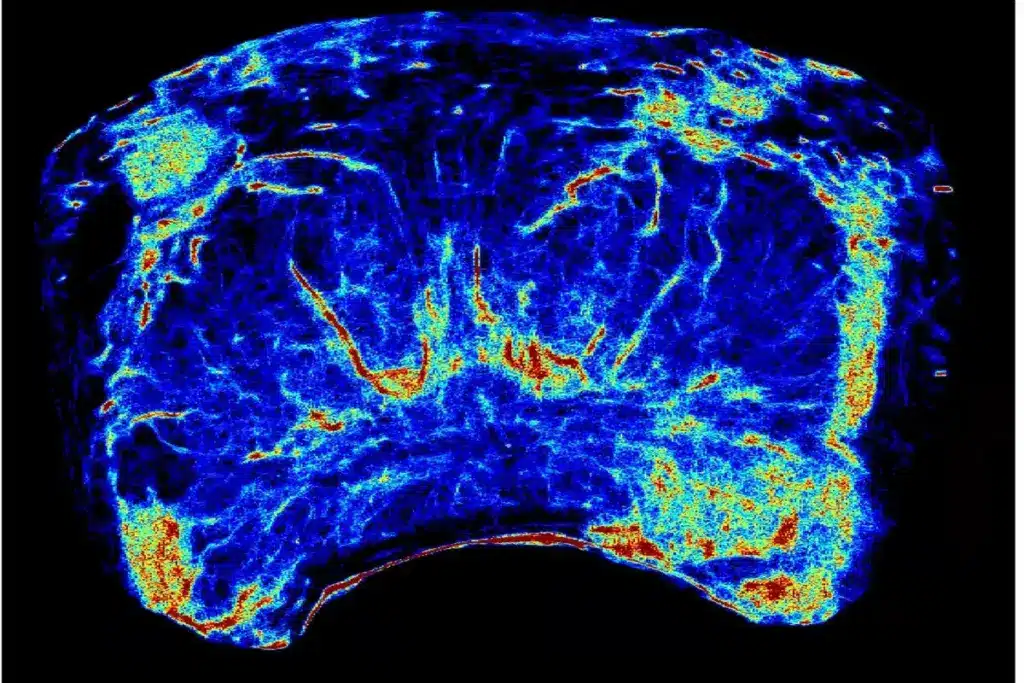
Urologists do prostate biopsies by taking tissue samples from the prostate gland. They use different methods, like ultrasound-guided biopsy. This method uses ultrasound to guide the needle to the right spot. Then, the tissue is checked for cancer cells under a microscope.
Doctors usually suggest a biopsy after screening tests show something might be wrong. Early detection through biopsy is key for treating prostate cancer well.
Indications for a Prostate Biopsy
Several things might mean you need a prostate biopsy. These include high PSA levels, abnormal DRE results, and certain risk factors. Men with a family history of prostate issues or previous biopsies might also need another one.
Knowing why you might need a biopsy helps you and your doctor decide. The age for starting prostate checks varies based on risk factors and urology guidelines.
Risks and Benefits of the Procedure
Prostate biopsy has its risks and benefits. Risks include discomfort, infection, and bleeding. But, the benefits of early detection and treatment of prostate cancer are often greater.
The main benefit is getting an accurate diagnosis. This is vital for choosing the right treatment. Knowing the risks and benefits helps men prepare for the biopsy and its possible outcomes.
The Role of MRI in Prostate Cancer Detection
MRI is key in finding prostate cancer. It shows the prostate and nearby tissues clearly. This tool is vital for spotting and handling prostate cancer.
How MRI Works for Prostate Imaging
MRI uses strong magnetic fields and radio waves to show the prostate gland’s details. It’s a safe way to see the prostate without harmful radiation. The patient lies in the MRI machine, and it takes pictures from many angles.
Key aspects of MRI for prostate imaging include:
- High-resolution imaging of the prostate gland and surrounding structures
- Ability to detect abnormalities and suspicious lesions
- Guiding biopsies and other treatments with precision
Types of MRI Used for Prostate Evaluation
There are various MRI methods for prostate checks, like multiparametric MRI (mpMRI). Multiparametric MRI uses several sequences for a full prostate check. This includes T2-weighted, diffusion-weighted, and dynamic contrast-enhanced imaging.
mpMRI has made finding and understanding prostate cancer better. It spots important cancers and misses small ones.
Benefits of Using MRI for Prostate Assessment
MRI offers many benefits for prostate checks. It gives a detailed prostate look, helping find cancer early. It also shows how aggressive the cancer is and helps decide treatment.
The advantages of MRI in prostate cancer detection include:
- Enhanced accuracy in diagnosing prostate cancer
- Reduced need for unnecessary biopsies
- Improved patient outcomes through early detection and treatment
For men at risk, like those over 75, knowing normal PSA levels is key. Knowing what is a normal PSA for a 75-year-old man helps in prostate health decisions. Also, knowing the prostate cancer test age helps in early detection and prevention.
Why Consider an MRI Before a Biopsy?
Deciding to have an MRI before a prostate biopsy is important. It affects how well you can be diagnosed and how comfortable you’ll be.
Enhanced Accuracy in Diagnosis
One key reason for an MRI before a biopsy is its ability to improve diagnosis. MRI gives a detailed look at the prostate gland. It can spot areas that might have cancer.
Studies have shown MRI before biopsy boosts accuracy. It can find aggressive cancers that regular biopsies might miss.
Reduced Risk of Unnecessary Biopsies
Another benefit of an MRI before a biopsy is fewer unnecessary tests. MRI gives a clearer view of the prostate. This helps doctors decide if a biopsy is really needed.
This approach lowers the risk of biopsy complications. It also saves patients from the stress and discomfort of an unneeded procedure.
Improved Cancer Detection Rates
Lastly, MRI before biopsy can lead to better cancer detection. MRI-guided biopsies can find cancers that might be missed by traditional methods.
|
Diagnostic Approach |
Accuracy |
Cancer Detection Rate |
Risk of Unnecessary Biopsy |
|---|---|---|---|
|
Biopsy Alone |
Moderate |
Variable |
Higher |
|
MRI Before Biopsy |
Higher |
Improved |
Lower |
In summary, getting an MRI before a biopsy can greatly improve prostate cancer diagnosis. It offers better accuracy, fewer unnecessary tests, and higher cancer detection rates. The benefits are clear.
For men over the age to check prostate (usually 50, or 45 with a family history), talking to their doctor about an MRI before biopsy is wise. It’s a smart choice, considering the age for prostate exam.
Current Guidelines on MRI and Prostate Biopsies
Prostate cancer diagnosis is changing, and MRI before biopsy is getting more attention. Urology groups have set guidelines for MRI use in biopsies. These rules help doctors make the best choices for their patients.
Recommendations from Urology Associations
The American Urological Association (AUA) and the European Association of Urology (EAU) have made recommendations. They suggest MRI before biopsy for some men. This includes those with a high risk of cancer or those with a previous negative biopsy but are worried about cancer.
The AUA and EAU say a detailed MRI is best. This type of MRI uses different images to spot prostate problems better.
Criteria for MRI Utilization
Doctors decide if MRI is needed based on several things. These include the patient’s risk, PSA levels, and past biopsy results. Men should talk to their doctor about prostate exams around age 50.
But, the right age can change based on risk and family history. The rules for MRI help find who will benefit most. This could mean fewer biopsies and more accurate diagnoses.
Variability in Practice Patterns
Even with guidelines, how MRI is used before biopsy varies. This is due to different healthcare setups, MRI availability, and doctor choices. This shows the need for more education and standard care plans.
By knowing the current guidelines, doctors can handle prostate cancer diagnosis better. This ensures all patients get the right care.
MRI Techniques: Fusion vs. Standard
MRI/ultrasound fusion biopsy is a big step forward in finding prostate cancer. It combines MRI and ultrasound to give a more accurate diagnosis.
What is MRI/Ultrasound Fusion?
MRI/ultrasound fusion is a way to mix MRI images with ultrasound data during a biopsy. This mix helps doctors target the right spots in the prostate. It might help find cancer better.
“The fusion of MRI and ultrasound images lets urologists find and biopsy areas likely to have cancer,” says a top urologist.
Comparison of Fusion and Standard Techniques
Standard MRI gives clear prostate images but might not always guide the biopsy needle right. Fusion techniques, on the other hand, use MRI’s detailed images and ultrasound’s real-time ability. This could lead to more accurate biopsies.
- Advantages of MRI/Ultrasound Fusion:It’s better at finding the right spots for biopsies
- It might cut down on unnecessary biopsies
- It finds more important cancers
- Limitations:It needs special equipment and training
- It’s more expensive than regular biopsies
Patient Outcomes and Preferences
Research shows MRI/ultrasound fusion biopsy finds more prostate cancer, including the serious kind. Patients like it because it might mean fewer biopsies and more accurate results. A study in the Journal of Urology found it found more serious cancers than regular biopsies.
Guidelines say men should talk about prostate checks at 50 if they’re at average risk. But those with a family history or other risks might start earlier, around 40 or 45. Deciding on a prostate exam, including fusion biopsy, should be with a doctor. It depends on your risk and what you prefer.
Costs and Insurance Coverage for MRI and Biopsy
It’s important for patients to know about the costs of prostate health tests like MRI and biopsy. These costs can change a lot based on where you are, who you see, and your insurance.
Average Costs of Prostate MRI
The price for a prostate MRI can vary a lot. It can be anywhere from $500 to over $2,000. It’s key to ask your doctor or the place where you’ll get the MRI for a real price. Some places might give discounts if you don’t have insurance or if you’re not covered well.
Insurance Coverage Policies
How much insurance covers for prostate MRI and biopsy can differ a lot. Many plans will pay for these tests if a doctor says you need them. But, you should check what your plan covers, including any costs you might have to pay yourself. Medicare and Medicaid might also help pay for these tests under certain situations.
Financial Considerations for Patients
When getting ready for a prostate MRI or biopsy, there are a few money matters to think about. You should know the total cost, check your insurance, and see if there’s help if you can’t afford it. Some doctors or places offer help with money problems. Talking about money worries with your doctor can also help.
Knowing about the costs and insurance for prostate MRI and biopsy can help patients get ready for the money side of their care. This can make things less stressful and let you focus on getting better.
Patient Experience: Preparing for MRI and Biopsy
The journey to diagnosis can be tough. We’ll guide you through what to expect during an MRI and biopsy. Our goal is to make your experience as smooth as possible.
What to Expect During an MRI
An MRI is a non-invasive tool that shows detailed images of the prostate gland. You’ll lie on a table that slides into a big machine. The machine uses a strong magnetic field and radio waves to create images.
Preparation is key. You might need to remove metal objects, like jewelry and glasses. Sometimes, a contrast agent is used to improve the images. Always follow your healthcare team’s instructions for a smooth procedure.
The MRI takes 30 to 60 minutes. You’ll need to stay very quiet to get clear images. You might hear loud sounds, which is normal. Open MRI machines are available for those who prefer them.
Steps Involved in the Biopsy Procedure
A prostate biopsy takes tissue samples from your prostate gland. It’s usually done after an MRI or other tests. There are different methods, but transrectal biopsies are more common.
In a transrectal biopsy, an ultrasound probe is inserted into the rectum. A needle then collects tissue samples. The procedure is done under local anesthesia to reduce discomfort. You might feel some pressure, but it’s not usually painful.
It’s important to follow pre-biopsy instructions. Your healthcare provider will tell you which medications to stop to avoid bleeding risks.
Managing Anxiety and Expectations
Getting an MRI and biopsy can be scary. It’s normal to worry about the procedures and the results. Talking to your healthcare provider about your fears can help.
Having a support system, like family or friends, can also help. We’re here to support you every step of the way.
Being informed and prepared can make you feel more confident. If you have questions or concerns, don’t hesitate to ask your healthcare team.
Potential Complications After MRI or Biopsy
MRI and biopsy procedures are usually safe. But, they can cause some complications. It’s important to know about these risks to make informed choices and take good care after the procedure.
Common Side Effects of the Procedures
Most men don’t have many side effects from MRI and biopsy. But, some common issues can happen:
- Discomfort or pain during or after the procedure
- Bleeding or bruising at the biopsy site
- Infection, though rare, is a possible risk
- Temporary trouble urinating
These side effects are usually short-lived and go away by themselves. But, it’s key to follow the instructions after the procedure to lower risks.
Rare but Serious Risks
While rare, serious complications can occur. These include:
- Severe infection or sepsis
- Significant bleeding needing medical help
- Reaction to the contrast agent used in MRI
Knowing about these risks helps patients get medical help quickly if they notice anything unusual.
When to Seek Medical Attention
It’s important to know when to get help. If you notice any of these, call your healthcare provider right away:
- Heavy bleeding or clots
- Severe pain or trouble urinating
- Fever or chills
- Increasing redness or swelling at the biopsy site
Regular check-ups and talking openly with your healthcare team can lower risks. It also ensures quick help if needed.
Men over 50 should get regular prostate checks. Those with a family history might need to start earlier. How often to get checked depends on your risk factors. Talk to your healthcare provider about this.
Interpretations and Follow-Up Care
Understanding MRI and biopsy results is key in prostate cancer care. It helps decide on treatments and affects patient outcomes. We’ll help you through the process of understanding your results and the next steps in your care.
Understanding MRI and Biopsy Results
MRI and biopsy results give important info about prostate cancer. MRI shows where and how big tumors are. Biopsy results confirm cancer presence and Gleason score, showing cancer aggressiveness.
For a 75-year-old man, a normal PSA is around 6.5 ng/mL or lower. But, this can change. Knowing these results helps choose the best treatment.
Talking to your healthcare provider about your results is vital. They can explain what it means for your care. They help you make informed decisions about treatment.
Next Steps After Diagnosis
After a diagnosis, you’ll discuss treatment plans. Plans are based on your cancer’s stage and aggressiveness, and your health. Treatments range from active surveillance to surgery or radiation.
It’s important to talk about treatment options with your healthcare team. Understand the benefits and risks of each option. Know what outcomes to expect.
Importance of Follow-Up Appointments
Follow-up appointments are key in prostate cancer care. They let healthcare providers check treatment success and address concerns. These appointments also help patients ask questions and get support.
By attending regular follow-up appointments, you ensure any issues are quickly addressed. Your treatment plan can be adjusted as needed for the best outcome.
The Role of Specialists in Prostate Care
Prostate care needs many healthcare professionals to work together for the best results. It’s a team effort, with each specialist bringing their own skills to the table.
Urologists vs. Radiologists
Urologists are doctors who deal with the urinary tract and male reproductive system. They do things like prostate biopsies and surgeries. Radiologists use imaging like MRI to help find problems in the prostate. Working together, they make sure patients get the right care.
“Urology and radiology working together is key for prostate cancer care,” says a top urologist. “Together, we make sure patients get care that fits their needs.”
Multidisciplinary Care Teams
Prostate care is better with a team approach. This team includes urologists, radiologists, oncologists, and more. They meet to talk about patients, share ideas, and plan care together.
- Urologists: Diagnose and treat urinary tract and male reproductive system disorders.
- Radiologists: Interpret imaging studies, such as MRI, to diagnose prostate issues.
- Oncologists: Provide chemotherapy and other treatments for prostate cancer.
Importance of Patient Education
Teaching patients about their health is key in prostate care. Knowing when to get a prostate check is important. Men should start screening at 50, but it depends on their risk.
Talking about prostate check age with a doctor is important. Guidelines can change, and what’s right for one person might not be for another. When patients are informed, they can make better health choices.
In summary, specialists play a big role in prostate care. By working together and teaching patients, we can help those with prostate issues get better care.
Future Trends in MRI and Prostate Biopsy
Medical technology is getting better, making prostate cancer diagnosis more accurate. MRI is leading this change. We’re seeing big improvements in finding and treating prostate cancer.
Advancements in Imaging
New MRI methods are being created to better spot prostate cancer. These updates could mean fewer unnecessary biopsies for men at the right age.
Emerging Diagnostic Research
Scientists are always working on better prostate cancer tests. They’re looking at the best age for exams and the best ways to diagnose. Their goal is to make care better for everyone.
Personalized Cancer Care
The future of prostate cancer care is all about personal plans. Doctors will tailor treatments to fit each patient’s needs. This approach aims to make care better and life easier for those tested at the right age.
FAQ
At what age should a man get his prostate checked?
Men should talk to their doctor about prostate screening starting at 50. If there’s a family history of prostate cancer, it might start earlier, around 40 or 45.
How often should a man have his prostate checked?
How often depends on risk factors and past results. High-risk men might get checked yearly. Lower-risk men might go every 2-4 years.
What is a normal PSA for a 75-year-old man?
PSA levels change with age. For men over 70, a PSA under 6.5 ng/mL is often normal. But, it can vary based on health and other factors.
Should an MRI be done before a prostate biopsy?
Yes, recent guidelines suggest an MRI before a biopsy. It’s helpful for men with a high cancer suspicion or previous negative biopsies. MRI guides the biopsy and identifies concerns.
What are the benefits of having an MRI before a prostate biopsy?
An MRI before a biopsy improves accuracy and reduces unnecessary biopsies. It helps find significant cancers and avoid insignificant ones.
What is the role of MRI in prostate cancer detection?
MRI is key in finding prostate cancer. It shows detailed images of the prostate. It guides biopsies and helps plan treatment.
What are the costs associated with prostate MRI and biopsy procedures?
Costs vary by location, provider, and insurance. Check with your insurance to understand what’s covered and what you’ll pay out-of-pocket.
How can patients prepare for an MRI and biopsy?
Understand what to expect and follow any pre-procedure instructions. Use relaxation techniques or get support from healthcare providers to manage anxiety.
What are the possible complications after MRI or biopsy procedures?
Common side effects include discomfort, bleeding, or infection. Serious risks are rare but possible. Know when to seek medical help concerning symptoms.
How are MRI and biopsy results interpreted?
Specialists like radiologists and pathologists interpret results. They determine cancer presence, extent, and aggressiveness. This guides treatment plans.
What is the importance of follow-up appointments after prostate cancer diagnosis?
Follow-ups are vital for monitoring and adjusting treatment. They address concerns and side effects. They’re key to managing prostate cancer effectively.
References
JAMA Network. Evidence-Based Medical Insight. Retrieved from https://jamanetwork.com/journals/jamaoncology/fullarticle/2827887[1