Knowing the early symptoms of carotid artery aneurysm can save lives. At Liv Hospital, we offer top-notch healthcare for international patients.
Neck aneurysms, like carotid artery aneurysms, are rare but serious. They can show different symptoms. Spotting these signs early is key for quick medical help.
The main symptoms include a pulsating neck mass. You might also have trouble swallowing, hoarseness, facial pain, and swelling. Sometimes, symptoms like a stroke can happen if a blood clot goes to the brain.
Key Takeaways
- Early recognition of carotid artery aneurysm symptoms is vital for timely medical help.
- A visible or palpable pulsating neck mass is a main symptom.
- Difficulty swallowing, hoarseness, facial pain, and swelling are common symptoms.
- Stroke-like symptoms can occur if a blood clot forms and travels to the brain.
- Liv Hospital provides world-class healthcare for international patients.
Understanding Carotid Artery Aneurysms: Causes and Risk Factors

It’s important to know the causes and risk factors of carotid artery aneurysms. This knowledge helps in early detection and prevention. We will look at the factors that lead to these aneurysms.
What Is a Carotid Artery Aneurysm?
A carotid artery aneurysm is when the carotid artery gets bigger in one spot. This can happen due to trauma, infection, or genetic conditions. Symptoms include a pulsating neck mass, swallowing trouble, hoarseness, facial pain, and swelling.
The carotid artery is key for blood to the brain. Aneurysms here are very dangerous.
Common Causes of Neck Aneurysms
Neck aneurysms, like carotid artery aneurysms, have many causes. Some include:
- Trauma to the neck
- Infection, such as aneurysms associated with vasculitis
- Genetic conditions, such as Ehlers-Danlos syndrome
- Atherosclerosis, a condition with plaque buildup in arteries
Behçet’s disease, a rare chronic vasculitis, also raises the risk of carotid artery aneurysms.
Who Is at Risk for Developing Carotid Aneurysms
Some people are more likely to get carotid aneurysms. This includes those with vascular disease or genetic predispositions. Other risk factors include:
- A history of smoking
- High blood pressure
- Atherosclerosis
- Family history of aneurysms
Knowing these risk factors is key for early detection and prevention. Healthcare providers can then monitor and treat at-risk individuals to prevent complications.
The Silent Threat: Why Early Detection Is Challenging
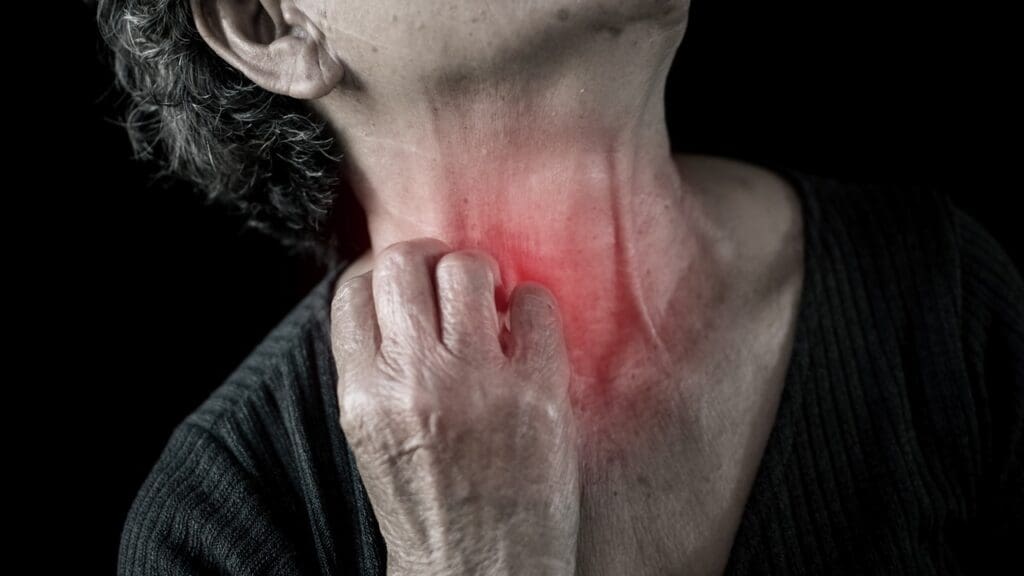
Carotid artery aneurysms grow silently, making them hard to find early. Many don’t show symptoms until they’ve grown a lot or problems start.
The Asymptomatic Nature of Early Aneurysms
Early carotid artery aneurysms often don’t show symptoms, making them tricky to spot. Asymptomatic aneurysms can stay hidden for years. They might be found by chance during tests for other health issues.
When Symptoms Begin to Emerge
Symptoms start when the aneurysm grows big or when problems like blood clots or rupture happen. Signs include a pulsating neck mass, trouble swallowing, voice changes, and pain in the face or neck.
| Symptom | Description |
|---|---|
| Pulsating Neck Mass | A visible or palpable mass in the neck that pulsates with the heartbeat. |
| Dysphagia | Difficulty swallowing due to the aneurysm pressing on the esophagus. |
| Voice Changes | Hoarseness or changes in voice due to the aneurysm affecting the nerves controlling the larynx. |
Incidental Discovery During Imaging
Many carotid artery aneurysms are found by chance during tests for other health issues. This shows how important it is to get thorough medical checks. Advanced imaging helps find these hidden conditions.
Thanks to better technology, finding aneurysms during tests for other reasons is becoming more common. This leads to early treatment and might stop serious problems.
Neck Aneurysm Symptoms: The 7 Key Warning Signs
Knowing the signs of a carotid artery aneurysm can save lives. These symptoms may seem minor at first but can become serious. We’ll cover the main symptoms, how they get worse, and when to seek emergency help.
Overview of Primary Symptom Patterns
A neck aneurysm often shows as a pulsating mass in the neck. Other signs include trouble swallowing, hoarseness, facial pain, and swelling. These happen because the aneurysm presses on nearby tissues and nerves.
How Symptoms Progress Over Time
Carotid artery aneurysm symptoms can change over time. At first, the aneurysm might not cause any symptoms. But as it grows, it can press harder on nearby tissues, nerves, and blood vessels. This leads to more noticeable symptoms. It’s important to watch for these changes to catch the problem early.
When Symptoms Require Emergency Attention
Some symptoms need urgent medical care. These include sudden weakness, confusion, severe headache, or trouble speaking. These signs might mean the aneurysm has ruptured or is causing a blood clot, needing immediate treatment.
The table below lists the 7 key warning signs of a neck aneurysm and what they mean:
| Warning Sign | Description | Implication |
|---|---|---|
| Visible or Palpable Pulsating Mass | A noticeable or felt pulsating mass in the neck. | Indicates the presence of an aneurysm. |
| Difficulty Swallowing (Dysphagia) | Trouble swallowing due to the aneurysm’s pressure. | Pressure on the esophagus or surrounding nerves. |
| Hoarseness and Voice Changes | Changes in voice quality or hoarseness. | Pressure on the nerves controlling the vocal cords. |
| Facial Pain | Pain in the face or neck area. | Pressure on nerves or structures in the face and neck. |
| Swelling | Swelling in the neck or face. | Fluid accumulation or pressure from the aneurysm. |
| Sudden Weakness or Confusion | Sudden onset of weakness or confusion. | Potential rupture or thrombosis; requires emergency attention. |
| Severe Headache | Sudden and severe headache. | Potential rupture; requires immediate medical care. |
Sign #1: Visible or Palpable Pulsating Mass in the Neck
A visible or palpable pulsating mass in the neck is a significant symptom that requires immediate medical evaluation. We will explore how to identify this condition and what it may indicate about your health.
Identifying a Pulsating Neck Mass
A pulsating neck mass is often associated with a carotid artery aneurysm. Look for a lump or swelling in the neck that pulsates in sync with your heartbeat. This can be a visible sign or something you can feel with your fingers. It’s essential to note that not all neck lumps are aneurysms, but a pulsating mass warrants concern and medical investigation.
What the Pulsation Indicates
The pulsation of a neck mass can indicate that it is connected to the arterial blood flow. In the context of a carotid artery aneurysm, the pulsation is due to the abnormal dilation of the artery. This symptom is a critical sign of aneurysm in neck that should not be ignored.
Distinguishing from Other Neck Lumps
Distinguishing a pulsating neck mass from other types of neck lumps is critical. Unlike other lumps, a pulsating mass associated with a carotid aneurysm will typically pulsate with the heartbeat. Diagnostic imaging, such as ultrasound or CT scans, can help determine the nature of the lump. If you’re experiencing a visible or palpable pulsating mass, it’s vital to seek medical attention to rule out a visible carotid aneurysm or other serious conditions.
Understanding the characteristics of a pulsating neck mass and seeking prompt medical evaluation are key steps in addressing aneurysm signs in neck. Early detection and diagnosis can significantly impact the treatment and outcome for individuals with carotid artery aneurysms.
Sign #2: Swallowing and Voice Difficulties
Having trouble swallowing or noticing changes in your voice could mean you have a carotid artery aneurysm. This is a serious condition that needs quick medical help. An aneurysm in the carotid artery can put pressure on nearby nerves and the esophagus, causing symptoms.
We will look at the symptoms of swallowing and voice changes. We’ll understand what causes them and when they might point to a carotid artery aneurysm.
Dysphagia (Difficulty Swallowing)
Dysphagia, or trouble swallowing, can happen if an aneurysm presses on the esophagus or swallowing nerves. This can mess up the swallowing process, making it hard to move food or liquids from the mouth to the stomach.
The trouble swallowing can be mild or severe. It’s a sign that needs a doctor’s check-up. Ignoring it can lead to nutritional problems and other issues.
Hoarseness and Voice Changes
Hoarseness and voice changes might also be signs of a carotid artery aneurysm. These happen when the aneurysm puts pressure on or irritates the nerves that control the vocal cords. This can change your voice’s pitch, tone, or volume, often making it sound hoarse.
These voice changes might also come with other throat or neck discomforts. If these symptoms don’t go away or get worse, you should see a doctor.
When These Symptoms Indicate an Aneurysm
Dysphagia and hoarseness can have many causes, but if they happen with other symptoms or risk factors for carotid artery aneurysms, you should get checked by a doctor. Tests like ultrasound or MRI can show if there’s an aneurysm and how big it is.
It’s important to know how these symptoms relate to carotid artery aneurysms for quick diagnosis and treatment. If you’re having trouble swallowing or your voice is changing, and you have other signs or risk factors, see a healthcare professional.
| Symptom | Description | Potential Cause |
|---|---|---|
| Dysphagia | Difficulty swallowing | Pressure on esophagus or nerves |
| Hoarseness | Changes in voice pitch or tone | Compression or irritation of vocal cord nerves |
| Voice Changes | Alterations in voice volume or quality | Irritation of nerves controlling vocal cords |
Sign #3: Facial and Neck Pain Patterns
Facial and neck pain might mean you have a carotid artery aneurysm. This is a serious condition that needs quick medical help. These symptoms can be scary and make daily life hard. Knowing what aneurysm pain feels like is key to catching it early and treating it right.
Characteristics of Aneurysm-Related Pain
Pain from a carotid artery aneurysm in the face and neck can feel different. It might be sharp, dull, or throb, and it can stay the same or change. This pain usually happens because the aneurysm is pressing on nerves and tissues around it.
Key characteristics of aneurysm-related pain include:
- Pain that gets worse over time
- Pain that spreads to other parts of the face or head
- Pain with other signs of nerve problems
Pain Distribution and Radiation
The way pain spreads from a carotid artery aneurysm can help doctors figure out what’s wrong. The pain might stay close to the aneurysm or move to other spots, like the jaw, ear, or around the eyes.
Knowing how pain spreads is important for finding the right cause. For example, pain in the jaw or ear might mean certain nerves are affected by the aneurysm.
Differentiating from Other Causes of Facial Pain
Telling aneurysm pain from other facial pain is key to getting the right treatment. Other issues, like trigeminal neuralgia, jaw problems, or sinus infections, can cause similar pain.
To tell aneurysm pain apart, look at these things:
- A pulsating lump in the neck
- Other signs of nerve trouble
- How the pain changes over time
By looking at these signs, doctors can find out what’s causing the pain and help you feel better.
Sign #4: Neurological Symptoms and Headaches
Carotid artery aneurysms can cause many neurological symptoms that need quick action. These symptoms happen when the aneurysm presses on nerves or when it ruptures. Knowing these symptoms is key to getting help fast.
Types of Headaches Associated with Carotid Aneurysms
Headaches from carotid artery aneurysms can be mild or very severe. The pain’s intensity often depends on the aneurysm’s size and where it is. Sometimes, headaches are also accompanied by nausea or light sensitivity.
Vision Changes and Eye Symptoms
Vision problems are a big concern with carotid artery aneurysms. People might see blurry, double, or even lose vision completely. These issues come from nerves being compressed or from blood clots. Seeing a doctor quickly is vital to avoid losing vision forever.
Facial Numbness and Weakness
Facial numbness and weakness can also be signs of a carotid artery aneurysm. These symptoms happen when nerves controlling facial movements get compressed or damaged. Seeking medical help right away is important to improve your chances of recovery.
Signs #5-7: Critical Warning Signs of a Possible Rupture
Knowing the signs of a possible rupture is key to better treatment. A carotid artery aneurysm at risk of rupturing shows several critical symptoms. These are signs of a medical emergency.
Stroke-Like Symptoms (Weakness, Paralysis)
Stroke-like symptoms, like sudden weakness or paralysis, can happen if a blood clot forms in the aneurysm. This clot can travel to the brain. These symptoms are a warning sign and need quick medical help.
Key stroke-like symptoms include:
- Sudden numbness or weakness in the face, arm, or leg
- Difficulty walking or maintaining balance
- Vision changes or loss of vision
Speech Difficulties and Confusion
Speech problems and confusion are signs of a serious neurological issue. If an aneurysm is pressing on the brain, it can cause these symptoms. These signs should not be ignored.
| Symptom | Description |
|---|---|
| Speech Difficulties | Difficulty articulating words or understanding language |
| Confusion | Disorientation or altered mental status |
Sudden Severe Headache and Loss of Consciousness
A sudden severe headache, often called “the worst headache of my life,” can mean a ruptured aneurysm. This is a serious condition that needs immediate medical help. Losing consciousness is also a sign of a severe and dangerous situation.
Knowing these warning signs is important for getting quick medical care. If you or someone you know has these symptoms, it’s vital to get emergency medical help right away.
Diagnosis and Treatment Options for Carotid Artery Aneurysms
Diagnosing carotid artery aneurysms involves advanced imaging and careful treatment planning. At Liv Hospital, we tailor our approach to each patient’s needs.
Diagnostic Imaging Techniques
Imaging is key in finding carotid artery aneurysms. We use:
- Ultrasound: A non-invasive method that uses sound waves to see the carotid arteries and find aneurysms.
- CT (Computed Tomography) scans: Gives detailed images of the carotid arteries, helping spot aneurysms and their size and location.
- MRI (Magnetic Resonance Imaging): Offers clear images of the carotid arteries and nearby tissues, helping in diagnosis and treatment planning.
These methods help us accurately diagnose aneurysms and plan effective treatments.
Surgical Treatment Approaches
Surgery is often needed to fix carotid artery aneurysms and avoid complications. Our surgical methods include:
- Aneurysm clipping: A procedure where a clip is placed around the aneurysm’s neck to stop blood flow into it.
- Aneurysm resection: Involves removing the aneurysm and fixing the affected artery surgically.
We carefully choose the best surgical approach for each patient.
Endovascular Procedures
Endovascular procedures are a less invasive option for treating carotid artery aneurysms. These include:
- Coiling: A minimally invasive method where coils are placed in the aneurysm to promote clotting and stop growth.
- Stent placement: Involves placing a stent across the aneurysm to keep blood flow through the artery while excluding the aneurysm.
Our team is skilled in these endovascular procedures to ensure the best results.
Recovery and Long-term Management
After treatment, we provide full care for recovery and long-term management of carotid artery aneurysms. This includes:
- Monitoring: Regular check-ups and imaging studies to watch the aneurysm and overall vascular health.
- Lifestyle modifications: Guidance on lifestyle changes to lower the risk of aneurysm recurrence and improve cardiovascular health.
- Medication management: As needed, to manage conditions that may lead to aneurysm development or recurrence.
At Liv Hospital, we offer top-notch healthcare with full support for international patients. Our team is committed to providing personalized care and support throughout treatment.
Conclusion: Recognizing and Responding to Neck Aneurysm Symptoms
It’s very important to know the signs of neck aneurysms early. This can help doctors treat you faster and better. We talked about the symptoms of carotid artery aneurysms, like pulsating masses and pain in the face and neck.
Seeing a doctor quickly when you notice these symptoms is key. At Liv Hospital, we offer top-notch care for patients from all over. If you’re feeling symptoms of a neck aneurysm, don’t wait to get help.
Acting fast when you see symptoms of a carotid artery aneurysm is very important. Knowing the signs and getting medical help right away can save your life. It’s a big step in keeping yourself healthy.
What are the common symptoms of a carotid artery aneurysm?
Symptoms include a pulsating neck mass and difficulty swallowing. You might also experience hoarseness, facial pain, and swelling. Severe cases can lead to sudden weakness or confusion.
What causes a carotid artery aneurysm?
Aneurysms can be caused by trauma, infection, or genetics. People with vascular disease or certain genes are more at risk.
How is a carotid artery aneurysm diagnosed?
Doctors use ultrasound, CT, and MRI to diagnose. These tests show the aneurysm’s size and location.
What are the treatment options for carotid artery aneurysms?
Treatments include surgery and endovascular procedures. The choice depends on the aneurysm’s size and location.
Can carotid artery aneurysms be asymptomatic?
Yes, many aneurysms don’t show symptoms until complications happen. They might be found by chance during other tests.
What are the signs of a potentially ruptured carotid artery aneurysm?
Signs include stroke-like symptoms and sudden severe headache. Loss of consciousness is also a warning sign. Seek medical help right away.
How can a pulsating neck mass be identified?
A pulsating mass feels like a heartbeat in your neck. It’s important to get it checked by a doctor to rule out other lumps.
What is the link between carotid artery aneurysms and neurological symptoms?
Aneurysms can cause headaches and vision changes. They can also lead to facial numbness and weakness by pressing on nerves.
Are there any specific risk factors for developing carotid artery aneurysms?
Yes, those with vascular disease or genetic conditions are at higher risk. These factors increase the chance of getting an aneurysm.
What is the importance of early detection of carotid artery aneurysms?
Finding an aneurysm early is key. It allows for quick treatment and prevents serious problems like rupture or thrombosis.
What is dysphagia in the context of carotid artery aneurysms?
Dysphagia, or trouble swallowing, happens when the aneurysm presses on the esophagus. It’s a serious symptom that needs medical attention.
How do endovascular procedures treat carotid artery aneurysms?
These procedures use stents or coils to fix the aneurysm. They’re done through a small incision and help keep the aneurysm from bursting.
References:
- https://www.carotidaneurysmregistry.com/patient-information
- https://www.pubmed.ncbi.nlm.nih.gov/7382705