
Millions of people worldwide deal with neck, jaw, and head pain. Studies show neck pain affects 519 people per 100,000, hurting their quality of life.
At Liv Hospital, we know treating these pains needs a full approach. We focus on the causes of headache jaw pain neck pain. Our methods and solutions aim to help those in pain.
Suffering from neck jaw head pain? This guide explores 5 alarming causes, from TMJ to tension, and how to get proven relief.
Key Takeaways
- Understanding the causes of neck, jaw, and head pain is key to relief.
- A patient-centered approach is needed to treat these pains.
- Liv Hospital’s evidence-based protocols offer new ways to ease pain.
- Global data shows the big impact of neck, jaw, and head pain.
- Relief from these pains can greatly improve life quality.
The Connection Between Neck, Jaw, and Head Pain
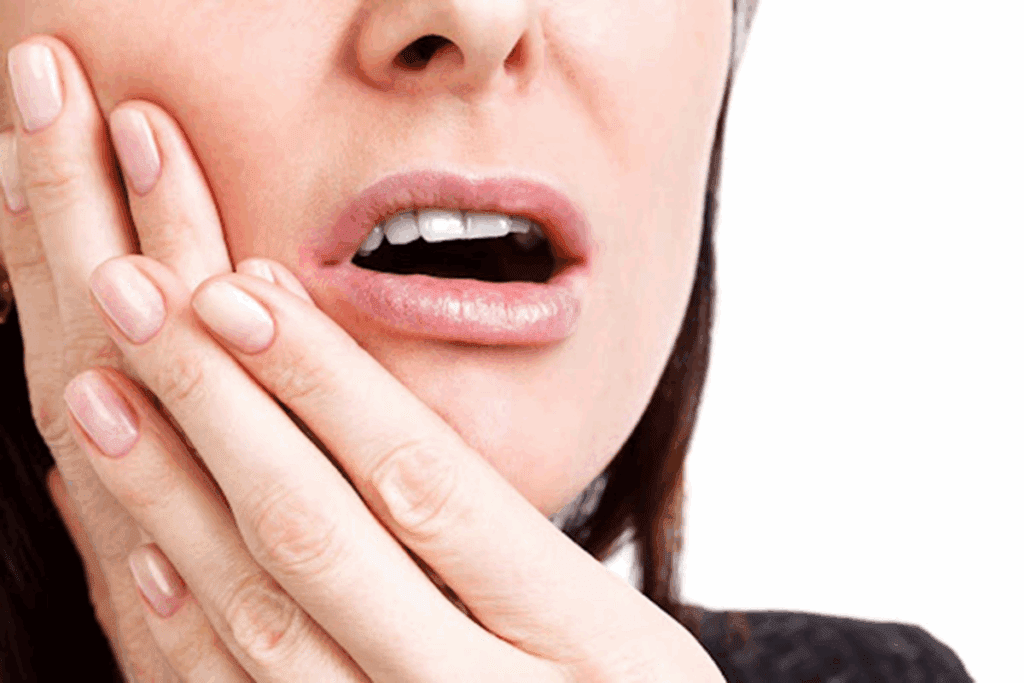
Neck, jaw, and head pain often go hand in hand. To fix one, you need to know how they’re linked. This connection can make it hard to stop the pain cycle without a full plan.
“The relationship between neck, jaw, and head pain is complex,” say doctors. Knowing this link is key to finding good treatments.
Global Statistics and Impact
Millions worldwide face neck, jaw, and head pain, hurting their lives. Chronic pain in these spots can make people disabled. It affects not just people but also healthcare and the economy.
Many people have head, jaw, and neck pain for reasons like bad posture, TMD, or stress. Knowing this helps us find better ways to manage these issues.
How Pain Transfers Between These Regions
Pain moves between the neck, jaw, and head because of their anatomy. The temporomandibular joint links the jaw to the skull. When it’s not working right, it can cause headaches, jaw pain, and neck issues.
Pain in one area can send pain signals to others through nerves. For example, pain under the jaw can go to the head or neck. This makes it hard to figure out and treat.
“The complex network of nerves and muscles in the neck, jaw, and head creates a complex pain referral pattern that requires careful evaluation.”
Doctors need to understand these connections to treat pain effectively. They should aim at the pain’s source, not just its symptoms.
Understanding the Anatomy Behind Your Pain
[Add image here]
It’s key to know the parts of your body that can cause neck, jaw, and head pain. Different parts work together, which can lead to pain. Knowing how they work and how they interact is important.
Cervical Spine Structure and Function
The cervical spine, with seven vertebrae, is vital for understanding neck pain. It holds up your head and lets you move your head in many ways. The discs between vertebrae absorb shock, and the facet joints help guide movement.
Poor posture or injuries can mess with the spine’s alignment and function, causing pain.
The cervical spine also has important nerves. These nerves can get irritated or compressed, leading to pain in the neck, jaw, and head. This can happen due to herniated discs or bone spurs.
Temporomandibular Joint (TMJ) Mechanics
The TMJ connects the jawbone to the skull, essential for jaw movement. TMJ disorders can cause pain in the jaw, face, and neck. The TMJ’s mechanics involve the jawbone, disc, and muscles and ligaments.
Dysfunction in the TMJ can come from bruxism, trauma, or misalignment. This can lead to pain and discomfort. Knowing how the TMJ works is key to treating related pain.
Key Muscle Groups That Affect All Three Areas
Many muscles are involved in neck, jaw, and head pain. The sternocleidomastoid, scalene, and suboccipital muscles help with neck movement. The masseter and temporalis muscles are important for jaw function.
Tension or strain in these muscles can cause pain in the neck, jaw, and head. This is often due to stress, poor posture, or overuse. Knowing the role of these muscles is vital for finding relief, like through exercises and manual therapies.
Common Causes of Neck, Jaw, and Head Pain
It’s important to know why we get neck, jaw, and head pain. Many things can cause this pain. Finding out what they are is the first step to feeling better.
Postural Factors
Poor posture can hurt our aching jaw and neck. Sitting or looking at screens for too long can strain our muscles and joints.
For example, leaning forward while working or looking down at phones can hurt our neck. This can make our muscles tired and painful, affecting our jaw and head too.
Temporomandibular Joint Disorders (TMD)
TMD is a condition that affects the jaw joint and the muscles that move it. It can cause jaw pain, clicking sounds, and trouble chewing.
TMD can also cause headache with jaw pain and neck pain. The pain in the head and neck comes from the TMJ’s complex nerves.
Stress-Related Muscle Tension
Stress can make our muscles tight, leading to pain in the neck, jaw, and head. When stressed, we often clench our jaws or tighten our neck muscles.
This tension can cause headache with jaw pain and neck pain. Relaxation techniques can help manage stress and ease this pain.
Trauma and Injuries
Getting hurt in the neck, jaw, or head can cause pain. This can happen from accidents, falls, or sports injuries. The impact can damage muscles, joints, and bones, leading to pain.
Sometimes, pain from injuries may not show up right away. It can develop over time. If the pain doesn’t go away or gets worse, seeing a doctor is important.
How to Identify the Source of Your Pain
Figuring out why you have neck, jaw, and head pain is key to feeling better. Knowing where the pain comes from helps doctors treat the real problem, not just the symptoms.
Distinguishing Between Different Pain Types
Pain can feel sharp, dull, aching, or throbbing. Sharp pain usually means a specific injury or problem. On the other hand, dull, persistent pain might be from muscle tension or a long-term condition. Knowing the type of pain helps find its cause.
Self-Assessment Techniques
To find out where your pain comes from, try keeping a pain diary. Write down when and how bad the pain is, and what might make it better or worse. Also, think about where the pain is. Does it stay in one spot or spread to other areas? Self-assessment is a great way to understand your pain.
- Note the time of day your pain occurs.
- Record any factors that make your pain better or worse.
- Describe the pain (sharp, dull, throbbing, etc.).
When Symptoms Warrant Medical Attention
Some neck, jaw, and head pain can be handled on your own. But, if you have severe pain, pain that persists or worsens over time, or pain with numbness, tingling, or trouble swallowing, see a doctor. Also, if your pain started after an injury, get checked out to avoid serious issues.
By carefully looking at your pain and its details, you can start managing it better. And remember, if you’re unsure, always talk to a healthcare professional.
Immediate Relief Strategies for Neck, Jaw, and Head Pain
For those with neck, jaw, and head pain, quick relief can greatly improve life. It’s key to have ways to ease pain and get back to normal.
Effective Heat and Cold Therapy Applications
Heat or cold therapy can help with stiff jaw and neck pain. A warm bath or heating pad relaxes muscles and boosts blood flow. Cold therapy, like an ice pack, reduces swelling and dulls pain.
Choosing the right therapy is important. Cold is best for new injuries or swelling. Heat is better for long-term pain or stiffness. Switching between heat and cold can also help some people.
Safe Pain Medication Options
Medication can help with pain in jaw and neck. Over-the-counter drugs like ibuprofen or acetaminophen can ease pain and swelling. But, always follow the dosage and talk to a doctor, even for short-term use.
Remember, medication is just part of the solution. Adding physical exercises and lifestyle changes is also important.
Quick Relief Stretches and Exercises
Simple stretches and exercises can offer quick relief for neck and jaw muscle pain. Neck stretches, like tilting your head, and jaw exercises, like opening your mouth wide, can help.
Do these exercises gently and within your comfort zone to avoid making pain worse. Regularly doing them can improve flexibility and reduce muscle tightness.
- Neck tilt: Gently tilt your head to the side, bringing your ear towards your shoulder.
- Jaw release: Open your mouth as wide as comfortable, then close it, repeating the motion.
- Chin tucks: Stand or sit with good posture and tuck your chin towards your chest.
Long-Term Treatment Approaches
Long-term treatment plans are key for lasting pain relief and better life quality. For chronic neck, jaw, and head pain, a detailed treatment plan can greatly help.
Physical Therapy Protocols
Physical therapy is vital for managing neck, jaw, and head pain. A tailored physical therapy program can improve posture, lessen muscle tension, and boost joint mobility.
- Targeted exercises to strengthen neck and jaw muscles
- Manual therapy techniques to improve joint mobility
- Postural education to prevent future strain
Experts say, “Physical therapy is a cornerstone in managing chronic pain, providing a non-invasive and effective solution.”
“The goal of physical therapy is to restore function, improve mobility, and reduce pain.”
Dental Interventions for TMJ Issues
For those with TMJ disorders, dental treatments can offer significant relief. These treatments may include:
- Customized mouth guards to reduce teeth grinding and clenching
- Orthodontic treatment to correct bite alignment
- Dental restorations to adjust the bite and reduce strain on the TMJ
Massage and Manual Therapy Benefits
Massage and manual therapy are important parts of a long-term treatment plan. They can lessen muscle tension, enhance blood flow, and encourage relaxation.
| Therapy Type | Benefits |
|---|---|
| Massage Therapy | Reduces muscle tension, improves circulation |
| Manual Therapy | Enhances joint mobility, reduces pain |
Medical Treatments and When They’re Necessary
In some cases, medical treatments are needed for severe or chronic pain. This can include:
- Prescription medications for pain management
- Corticosteroid injections to reduce inflammation
- Surgical interventions for severe TMJ disorders or other underlying conditions
It’s important to collaborate with healthcare professionals to find the best treatment.
Lifestyle Modifications to Prevent Recurring Pain
Making lifestyle changes is key to reducing neck, jaw, and head pain. Simple changes in daily life can help a lot. This way, people can lower their chance of getting pain again.
Optimizing Your Workspace Ergonomics
Having a good workspace is important for avoiding neck and jaw pain. It’s about setting up your work area to support good posture. This reduces strain on your neck and jaw.
Adjusting the monitor to eye level and using an ergonomic chair are big helps. Also, placing the keyboard and mouse right can make a big difference.
Digital Device Usage Guidelines
How we use digital devices affects our neck and jaw health. Taking breaks, keeping good posture, and not overusing screens are key. These steps can lower the risk of “neck pain jaw pain” and “jaw pain neck pain.”
- Use a headset or speakerphone for long phone calls to avoid cradling the phone between your head and shoulder.
- Position your device at a comfortable distance and height to reduce strain on your neck.
- Limit screen time outside of work hours to give your jaw and neck a rest.
Sleep Positioning for Pain Prevention
How you sleep is important for avoiding “neck and jaw pain with headache.” Sleeping on your stomach can hurt your neck. But, sleeping on your back with a good pillow keeps your spine aligned.
Using a contoured pillow or a cervical pillow is helpful. It keeps your neck right where it should be.
Stress Management Strategies
Stress can make muscles tight, leading to “jaw pain neck pain” and “neck pain jaw pain.” Stress-reducing activities like meditation, deep breathing, or yoga can help. They lower muscle tension and ease pain.
“Stress management is not just about reducing stress, but about creating a lifestyle that promotes overall well-being.” — Expert in Pain Management
By making these lifestyle changes, people can prevent neck, jaw, and head pain from coming back. This improves their life quality a lot.
Alternative and Complementary Approaches
There are ways to manage stiff neck and jaw pain headache that go beyond traditional treatments. These methods can be used alongside usual treatments to help with pain relief and overall well-being.
Evidence-Based Complementary Therapies
Several complementary therapies have shown promise in easing headache with jaw pain and neck pain. These include:
- Acupuncture: This ancient practice involves inserting thin needles into specific points on the body to stimulate healing and pain relief.
- Chiropractic care: Spinal manipulation and adjustments can help improve joint mobility and reduce pain.
- Physical therapy: Targeted exercises and stretches can strengthen muscles and improve posture, reducing strain on the neck and jaw.
A study published in the Journal of Pain Research found that acupuncture significantly reduced pain intensity in patients with chronic neck pain.
“Acupuncture is a valuable treatment option for patients with chronic neck pain, providing a safe and effective alternative to conventional therapies.”
| Therapy | Description | Benefits |
|---|---|---|
| Acupuncture | Involves inserting thin needles into specific body points | Pain relief, improved healing |
| Chiropractic Care | Spinal manipulation and adjustments | Improved joint mobility, reduced pain |
| Physical Therapy | Targeted exercises and stretches | Strengthened muscles, improved posture |
Mind-Body Techniques
Mind-body techniques can also play a key role in managing neck and jaw pain headache. These include:
- Meditation and mindfulness: Practices that help reduce stress and promote relaxation.
- Yoga: Combines physical postures, breathing techniques, and meditation to improve flexibility and reduce muscle tension.
- Cognitive-behavioral therapy (CBT): Helps individuals identify and change negative thought patterns that contribute to pain.
Nutritional Considerations
Diet can affect headache with jaw pain and neck pain. Some nutrients and foods may trigger or worsen pain, while others may help.
- Magnesium: This mineral can help relax blood vessels and reduce pain.
- Omega-3 fatty acids: Anti-inflammatory properties may help reduce inflammation and alleviate pain.
- Avoiding trigger foods: Identifying and avoiding foods that trigger pain can be beneficial.
By adding these alternative and complementary approaches to a treatment plan, people can potentially reduce their need for medication. This can improve their overall quality of life.
Conclusion: Building Your Personalized Pain Management Plan
Understanding the link between neck, jaw, and head pain is key to managing it. We’ve looked at causes, symptoms, and treatments for these pains. This includes neck pain, jaw pain, headaches, and more.
To create a pain management plan, we need to think about our own needs. We must find out what causes our pain and try immediate relief methods. Long-term treatments and lifestyle changes are also important.
By using the information we’ve learned, we can manage our pain better. This approach helps us deal with pain more effectively. It improves our life quality.
We suggest talking to healthcare experts to make a plan that fits you. This way, you can manage neck, jaw, and head pain better.
FAQ
What is the connection between neck, jaw, and head pain?
Neck, jaw, and head pain are linked because of the complex anatomy. The cervical spine, TMJ, and muscles around them are connected. This connection allows pain to move between areas.
How can I identify the source of my neck, jaw, and head pain?
To find where your pain comes from, try tracking when it happens. Look at how severe and what kind of pain you feel. Also, check your posture and habits. If your pain doesn’t get better or gets worse, see a doctor.
What are some immediate relief strategies for neck, jaw, and head pain?
For quick relief, try using heat or cold packs. You can also take safe pain meds and do simple stretches. These steps can help ease your pain and discomfort.
What lifestyle changes can I make to prevent recurring neck, jaw, and head pain?
To avoid pain, make your workspace ergonomic. Use digital devices wisely and sleep well. Also, manage stress. These changes can help prevent pain.
Are there alternative approaches to managing neck, jaw, and head pain?
Yes, you can try alternative methods like evidence-based therapies and mind-body techniques. Nutritional changes can also help. These can work with traditional treatments to improve pain relief.
What are the common causes of neck, jaw, and head pain?
Common causes include bad posture, TMJ disorders, stress, and injuries. Knowing what causes your pain is key to managing it well.
When should I seek medical attention for my neck, jaw, and head pain?
See a doctor if your pain gets worse, doesn’t go away, or if you have other symptoms like numbness or trouble swallowing. Doctors can diagnose and treat your pain effectively.
Can stress contribute to neck, jaw, and head pain?
Yes, stress can cause muscle tension, leading to pain. Stress management like meditation or yoga can help reduce pain caused by stress.
How can I manage stiff neck and jaw pain?
For stiff neck and jaw, try gentle stretches and use heat or cold packs. Also, keep a good posture. If pain lasts, see a physical therapist or doctor.
What role does the TMJ play in neck, jaw, and head pain?
The TMJ is important in pain management. TMJ problems can cause pain in other areas. Getting the TMJ right is key to managing pain.
References
National Center for Biotechnology Information. Relieving Neck, Jaw, and Head Pain: A Comprehensive Approach. Retrieved from https://www.ncbi.nlm.nih.gov/pmc/articles/PMC5748754/