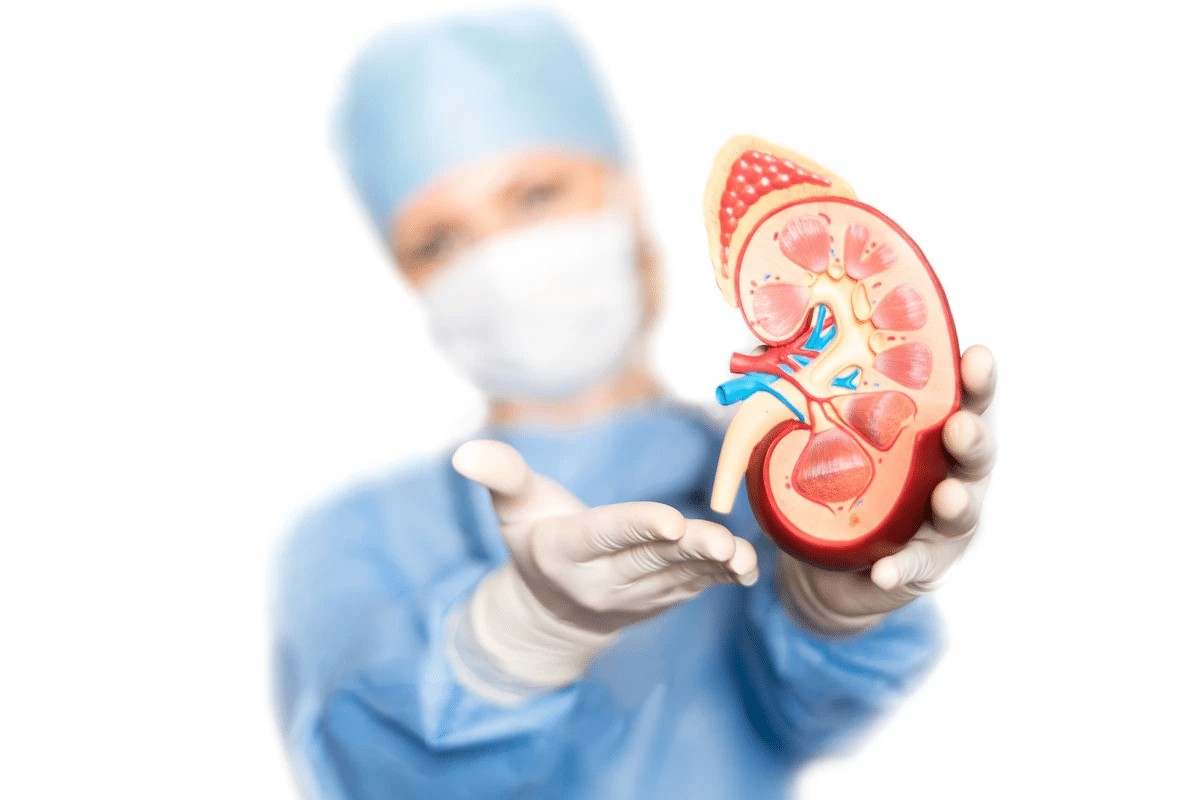
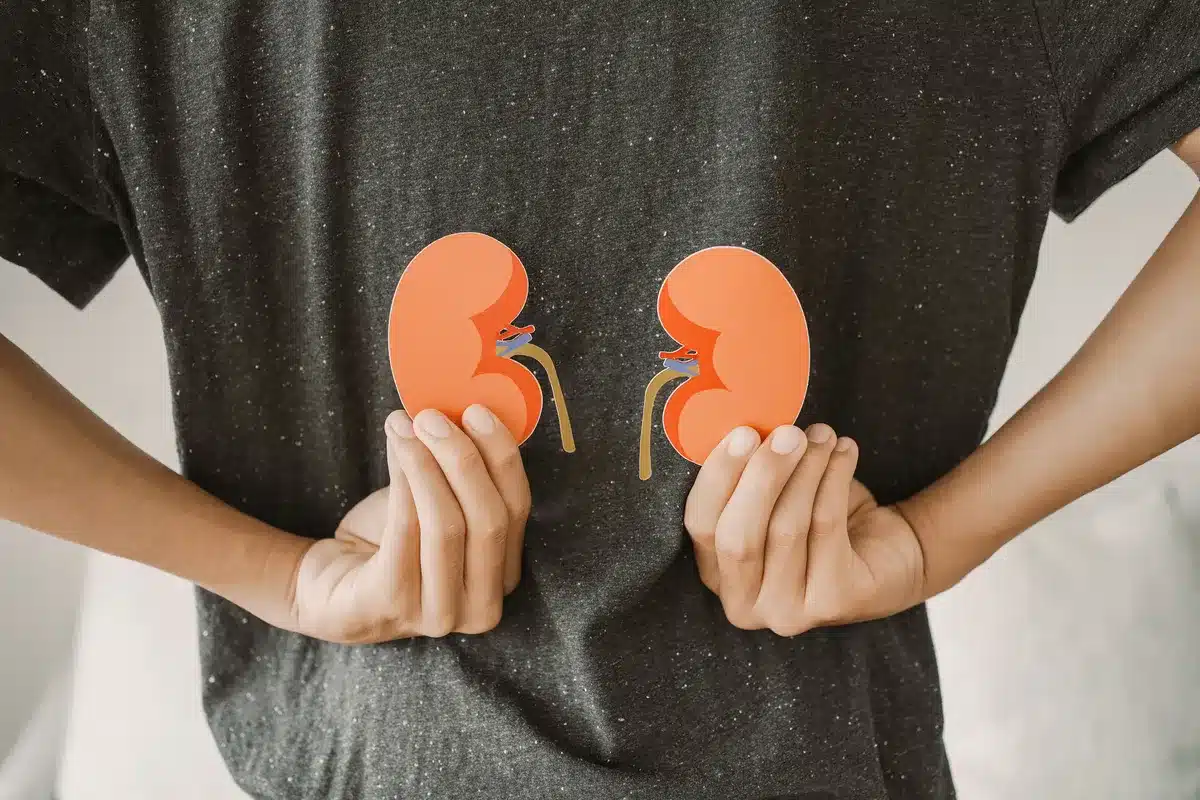
Nephrology focuses on diagnosing and treating kidney diseases. The kidneys filter waste, balance fluids, regulate blood pressure, and manage acute and chronic conditions.
We're Here to Help. Get in Touch.
Send us all your questions or requests, and our expert team will assist you.
Overview and definition
Fluid management is the medical practice of controlling the amount of water and fluids in the human body. While most people drink water when they are thirsty and stop when they are full without thinking twice, for patients with certain medical conditions, this natural balance is broken. Managing fluids is an important part of their daily survival. It necessitates a meticulous equilibrium: maintaining sufficient fluid levels to sustain blood flow and organ function while avoiding excessive fluid intake that could lead to swelling, elevated blood pressure, or heart strain.
This concept is central to the care of patients with kidney disease, heart failure, and liver issues. These conditions compromise the body’s natural ability to regulate fluid volume. The kidneys, which act as the body’s drain, may filter too slowly, or the heart may pump too weakly to move fluid around. Fluid management is not just about drinking less water; it is a comprehensive medical strategy that includes diet, medication, and sometimes advanced therapies like dialysis to manually remove excess water. Understanding fluid management is key to preventing hospitalizations and maintaining a satisfactory quality of life.
The Importance of Water Balance
Water constitutes about 60% of the adult human body. It is the medium in which all life processes happen. It transports nutrients, flushes out waste, regulates body temperature, and cushions joints. Every cell needs water to function. The body constantly loses water through breathing, sweating, and urination, and gains it through eating and drinking.
In a healthy person, the brain and kidneys work together perfectly to maintain this balance. If you are dehydrated, you become thirsty, and your kidneys hold onto water, making your urine dark. If you drink too much, you urinate more, and the urine becomes clear. This system keeps the fluid volume in your blood vessels stable. When this system fails, fluid can accumulate in dangerous places like the lungs or legs, or blood volume can drop so low that organs don’t get enough oxygen. Fluid management is the medical intervention used to maintain this stability artificially when the body cannot do it alone.
Defining Fluid Overload
Fluid management primarily addresses fluid overload, also known as hypervolemia. It happens when the body holds onto more fluid than it needs. This state is common in kidney failure because the “drain” is clogged. The excess fluid has to go somewhere. It seeps out of the blood vessels and into the tissues.
This results in edema, which is swelling visible in the feet, ankles, and legs. More dangerously, fluid can build up in the lungs (pulmonary edema), making it difficult to breathe. It can also build up around the heart, making it harder to pump. Managing this overload often involves restricting how much fluid a patient drinks, using medications to force the kidneys to work, or using machines to filter the blood.
Defining Dehydration and Hypovolemia
The opposite problem is dehydration or hypovolemia (low blood volume). This can happen if a patient is restricted too much, takes too many diuretics (water pills), or loses fluid through sickness like vomiting or diarrhea.
When there isn’t enough fluid in the blood vessels, blood pressure drops. This means vital organs like the brain and kidneys don’t get enough blood flow. Patients may feel dizzy, weak, or confused. In severe cases, it can lead to shock and organ failure. Fluid management not only keeps the tank from overflowing but also ensures it doesn’t run dry. Doctors must continuously modify the plan to maintain a balance between excess and insufficiency.
The Role of Sodium
You cannot talk about fluid management without talking about salt. Sodium acts like a magnet for water. Where salt goes, water follows. If you eat a bag of salty chips, your body holds onto water to dilute that salt, making you thirsty and bloated.
For patients with fluid issues, controlling salt intake is just as important as controlling water intake. A low-sodium diet helps prevent fluid buildup because there is less “magnet” holding the water in the body. Fluid management plans almost always include a sodium restriction, typically limiting salt to less than 2,000 milligrams a day. This helps medications work better and reduces the burden on the heart and kidneys.
Who Needs Fluid Management?
While everyone needs to stay hydrated, strict medical fluid management is usually reserved for people with specific chronic or acute conditions.
Kidney Disease Patients: Especially those on dialysis, who may make little to no urine and rely entirely on the machine to remove fluid.
Heart Failure Patients: Those whose hearts are too weak to pump extra fluid, leading to congestion in the lungs.
Liver Disease Patients: Who tend to accumulate fluid in the abdomen (ascites) due to protein imbalances.
Hospitalized Patients: Who are receiving IV fluids and need careful monitoring to prevent overload during recovery from surgery or illness.
The Goal of Therapy
The ultimate goal of fluid management is to keep the patient at their “dry weight.” This is a medical term for the weight at which a person has normal blood pressure and no swelling. It is the ideal weight without any excess fluid.
Reaching and maintaining dry weight protects the heart from overworking and keeps the lungs clear for easy breathing. It prevents the long-term damage caused by high blood pressure and chronic swelling. It is a dynamic target that can change if a patient gains or loses muscle or fat, requiring constant re-evaluation by the medical team.
Homeostasis: The body’s natural state of balance.
Edema: Swelling caused by excess fluid trapped in body tissues.
Diuretics: Medications that help the body get rid of salt and water.
Dry Weight: The ideal body weight without excess fluid.
Fluid Restriction: A limit on how much liquid can be consumed daily.
30 Years of Excellence
Trusted Worldwide
With patients from across the globe, we bring over three decades of medical
Send us all your questions or requests, and our expert team will assist you.
FREQUENTLY ASKED QUESTIONS
Does fluid management mean I can never drink water?
No, it means you have a specific limit. You can still drink, but you must measure it carefully to stay within your daily allowance, often around 1 to 1.5 liters.
Does ice count as fluid?
Yes, ice counts as fluid. A cup of ice chips melts down to about half a cup of water, so it must be counted in your daily total.
Why do my legs swell more at night?
Gravity pulls fluid down to your legs during the day while you are standing or sitting. Elevating your legs at night helps this fluid flow back to the rest of the body.
Can I sweat out the extra fluid?
Sweating removes some fluid, but it is not a reliable or safe way to manage fluid overload, especially for heart or kidney patients who should avoid overheating.
How do I know if I have too much fluid?
Sudden weight gain is the best indicator. If you gain more than 2 or 3 pounds in a day or two, it is almost certainly fluid retention, not fat.
What Causes Fluid Buildup in the Abdomen and When Is It Cancer?
Understand the causes of fluid buildup in the abdomen, including when it may be a sign of cancer. Our comprehensive guide covers water retention, ascites,
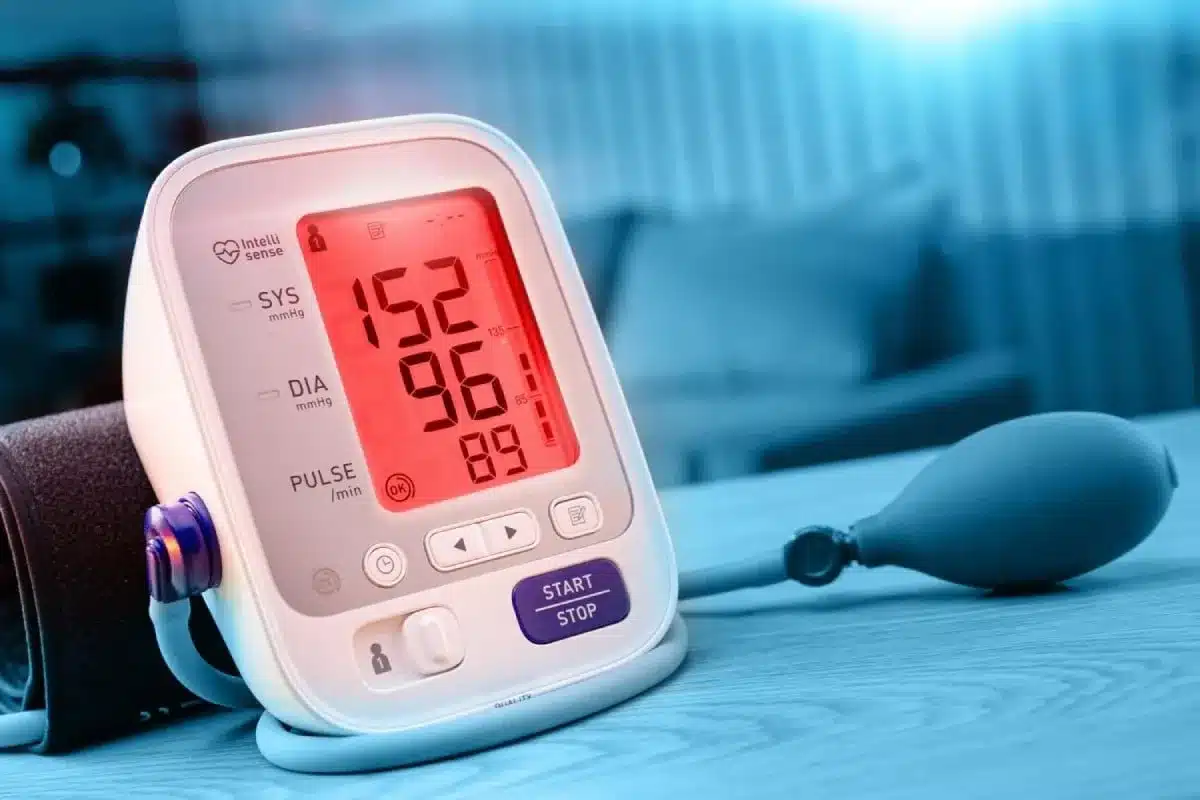
Discover the link between fluid retention and high blood pressure. Our expert guide explores the research on how excess fluid can contribute to hypertension.
Does water retention cause high blood pressure? Uncover the scientific evidence on this important connection and its effects on the cardiovascular system.
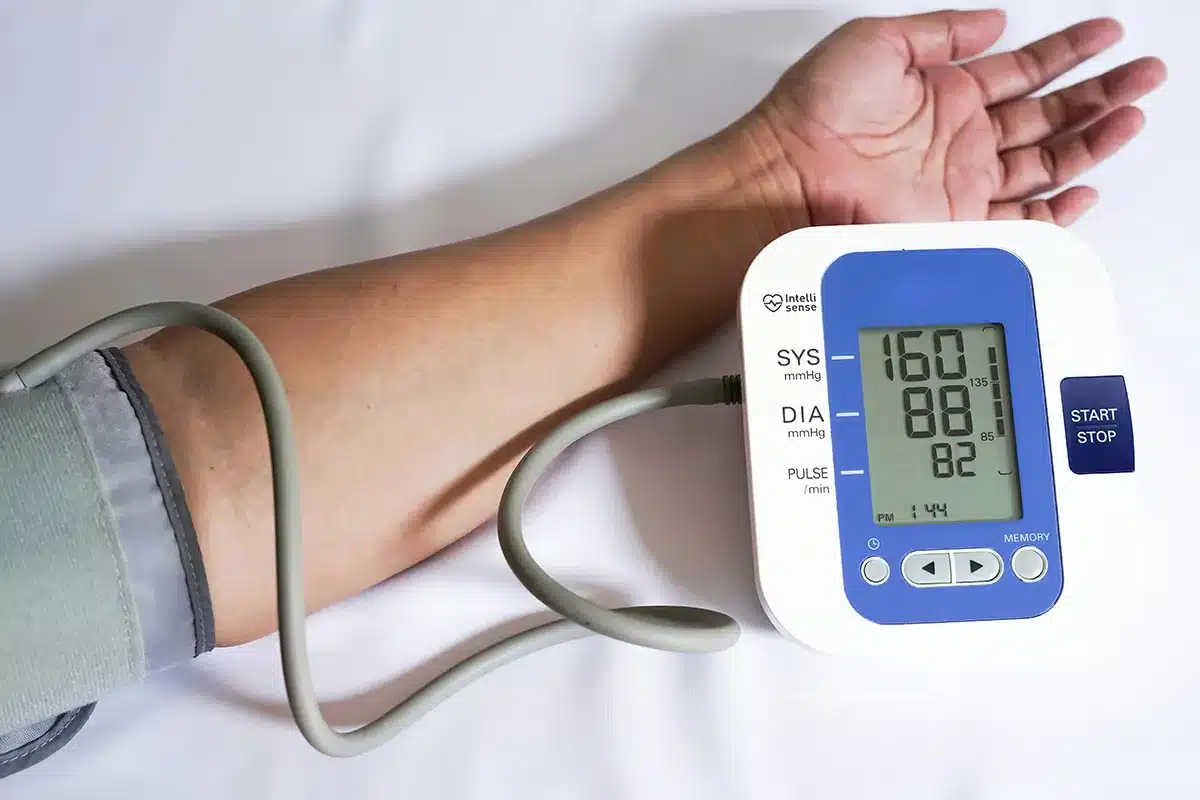
Explore how does high blood pressure cause fluid retention and the complex mechanisms behind this bidirectional relationship for improved cardiovascular wellness.