

Nephrology focuses on diagnosing and treating kidney diseases. The kidneys filter waste, balance fluids, regulate blood pressure, and manage acute and chronic conditions.
Send us all your questions or requests, and our expert team will assist you.
Gestational nephrology is a highly specialized field that sits at the intersection of kidney health and pregnancy. It addresses the unique and complex changes a woman’s body undergoes during gestation, specifically focusing on the kidneys. Pregnancy is often described as a “stress test” for the body, and nowhere is this truer than in the renal system. The kidneys must work significantly harder to filter waste for both the mother and the growing fetus. For women with pre-existing kidney disease, or those who develop kidney issues during pregnancy, this increased workload can pose serious risks.
This field is dedicated to ensuring the safety of both mother and child. It entails the management of conditions such as preeclampsia, chronic kidney disease (CKD), and acute kidney injury that may occur during the nine months of gestation. The goal is not just survival but optimal health. It necessitates a nuanced equilibrium of medical intervention, vigilant oversight, and cooperative management between nephrologists and obstetricians. For many women, gestational nephrology provides the roadmap for navigating a high-risk pregnancy successfully, turning fear into informed management.

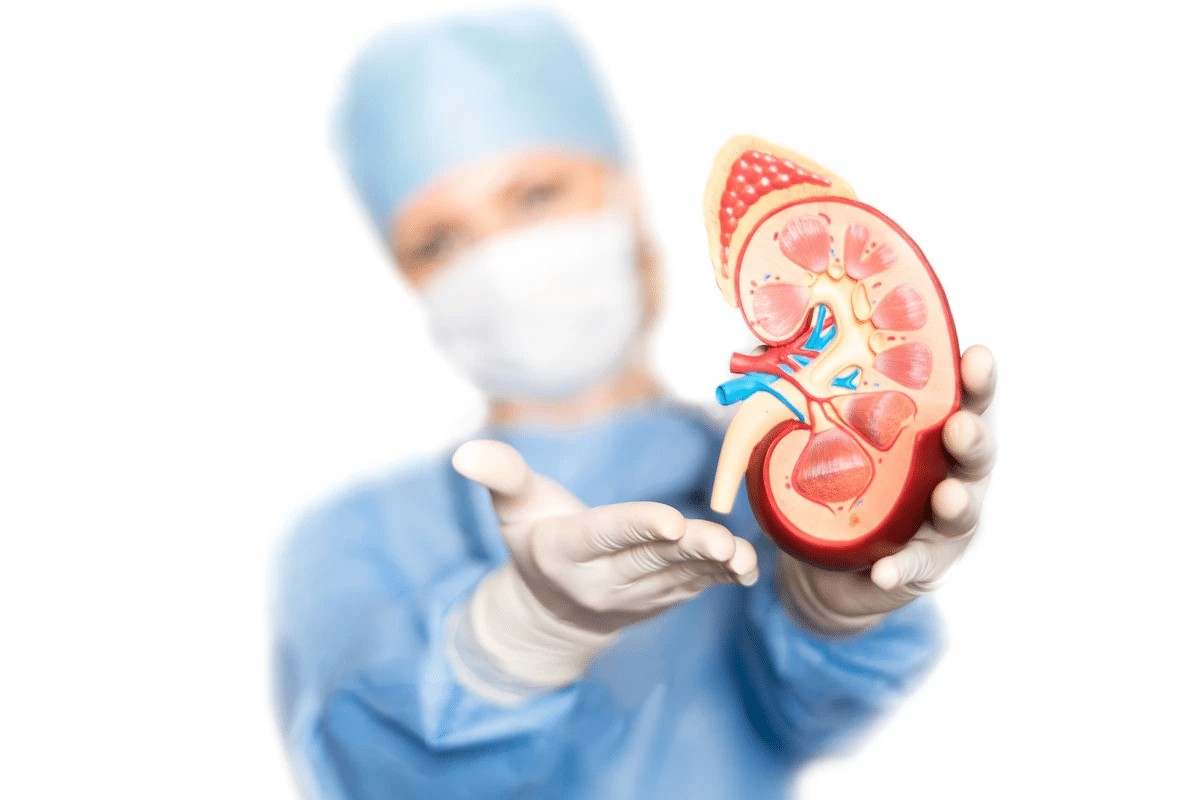
During a healthy pregnancy, the kidneys undergo remarkable changes. They increase in size and volume. The amount of blood they filter, known as the Glomerular Filtration Rate (GFR), increases by up to 50%. This “hyperfiltration” is necessary to clear the metabolic waste produced by the fetus.
Additionally, the body retains more water and salt, increasing blood volume by nearly 50%. Hormonal changes cause the blood vessels to relax (vasodilation), which normally leads to a drop in blood pressure during the second trimester. Understanding these normal adaptations is crucial because what is considered “normal” for a non-pregnant person might be abnormal for a pregnant woman. For example, a creatinine level that is normal for a non-pregnant woman is actually considered high in pregnancy, signaling potential kidney stress.


The most well-known kidney issue in pregnancy is preeclampsia. This is a serious condition characterized by new-onset high blood pressure and damage to organs, most commonly the kidneys and liver. It typically occurs after the 20th week of pregnancy.
Preeclampsia is a vascular disease. The placenta fails to develop proper blood vessel connections, releasing factors that damage the mother’s blood vessels. This damage causes the kidneys to leak protein into the urine (proteinuria) and raises blood pressure dangerously high. If untreated, it can lead to seizures (eclampsia), stroke, and kidney failure. Gestational nephrology plays a central role in managing blood pressure and deciding the safest time for delivery to protect the mother’s kidneys and the baby’s life.
Women with pre-existing chronic kidney disease face specific challenges. In the past, women with CKD were often advised against pregnancy due to high risks. Today, with better medical management, many women with mild to moderate CKD can have successful pregnancies.
However, the risks remain real. Pregnancy can accelerate the decline of kidney function, sometimes pushing a woman closer to dialysis. It also increases the risk of preeclampsia, preterm birth, and low birth weight for the baby. Gestational nephrology involves rigorous pre-pregnancy counseling to stabilize the disease, adjust medications to be baby-safe, and closely monitor kidney function throughout the gestation period to catch any decline early.
Sometimes, perfectly healthy kidneys fail suddenly during pregnancy. This is called Acute Kidney Injury (AKI). It can be caused by severe dehydration from morning sickness (hyperemesis gravidarum), severe bleeding (hemorrhage), or infections like septic abortion.
AKI is a medical emergency. It requires rapid identification and treatment to restore blood flow to the kidneys before permanent damage occurs. In rare cases, conditions like HELLP syndrome or acute fatty liver of pregnancy can cause multi-organ failure, including the kidneys. These situations require the immediate expertise of a nephrologist to manage fluids, electrolytes, and sometimes temporary dialysis while the body recovers.

Gestational nephrology is never a solo effort. It is the epitome of team-based medicine. The nephrologist works hand-in-hand with the high-risk obstetrician (maternal-fetal medicine specialist).
They coordinate care with dietitians to manage salt and protein intake. They work with neonatologists to prepare for the possibility of a preterm baby. They also collaborate with pharmacists to ensure every pill taken is safe for the developing fetus. This safety net of experts surrounds the patient, providing a comprehensive care plan that addresses every angle of this high-stakes journey.
The impact of gestational kidney issues extends far beyond delivery. Preeclampsia is now recognized as a female-specific risk factor for future heart disease and kidney failure. A woman who had preeclampsia has a significantly higher risk of developing hypertension and CKD later in life.
Gestational nephrology emphasizes the “fourth trimester” and beyond. It advocates for long-term follow-up to monitor blood pressure and kidney protein levels. It views pregnancy complications not as isolated events, but as warning signs that offer a window of opportunity for early prevention of chronic disease decades down the road.

Send us all your questions or requests, and our expert team will assist you.
If you have mild kidney disease, you can still get pregnant with careful monitoring. For advanced disease, the risks are higher, but successful pregnancies are possible with specialized care.
Yes, uncontrolled kidney disease, especially with high blood pressure or lupus, increases the risk of miscarriage and stillbirth.
In cases of acute injury or mild preeclampsia, the answer is yes. However, pregnancy can cause permanent loss of some kidney function in women with pre-existing CKD.
Generally, blood pressure above 140/90 is considered high in pregnancy and requires medical evaluation to rule out preeclampsia.
No. Common drugs like ACE inhibitors are dangerous for the fetus. Your doctor will switch you to safe alternatives like labetalol or methyldopa.


Leave your phone number and our medical team will call you back to discuss your healthcare needs and answer all your questions.
Your Comparison List (you must select at least 2 packages)

