

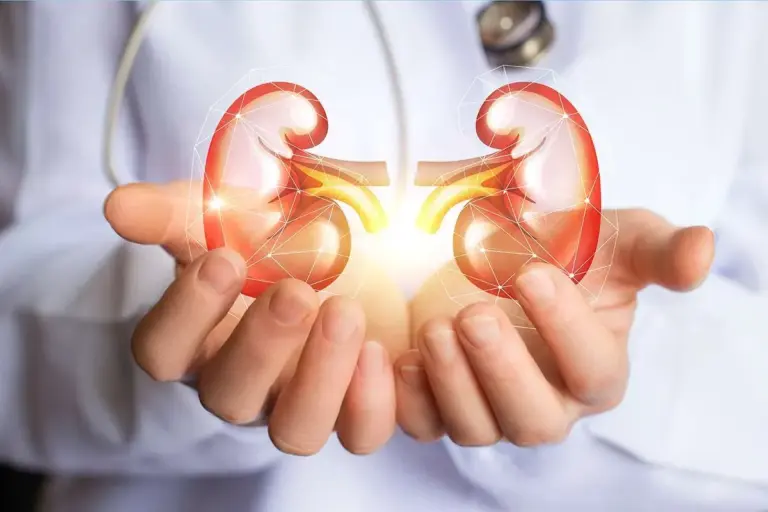
Chronic Kidney Disease (CKD) is a progressive condition where the kidneys are damaged and slowly lose their ability to filter blood & funtion properly.
Send us all your questions or requests, and our expert team will assist you.
The kidneys are sophisticated organs that serve as the body’s primary filtration system. They are responsible for processing approximately 200 quarts of blood daily, sifting out about 2 quarts of waste products and excess water. This intricate process ensures the body’s internal environment remains stable, a state known as homeostasis.
When the kidneys function correctly, they prevent the buildup of toxins and excess fluid. They act as master chemists, precisely regulating the balance of salts and minerals in the blood. This regulation is vital for the proper functioning of nerves, muscles, and other tissues throughout the body.
The fundamental unit of the kidney is the nephron. Each kidney contains approximately one million of these microscopic filters. The nephron consists of a glomerulus, which filters the blood, and a tubule, which returns needed substances to the blood and removes wastes.
Kidney disease represents a fundamental breakdown in this filtration architecture. It is defined as a significant reduction in the kidney’s ability to perform these essential tasks. This loss of function can occur rapidly or, more commonly, develop slowly over many years.

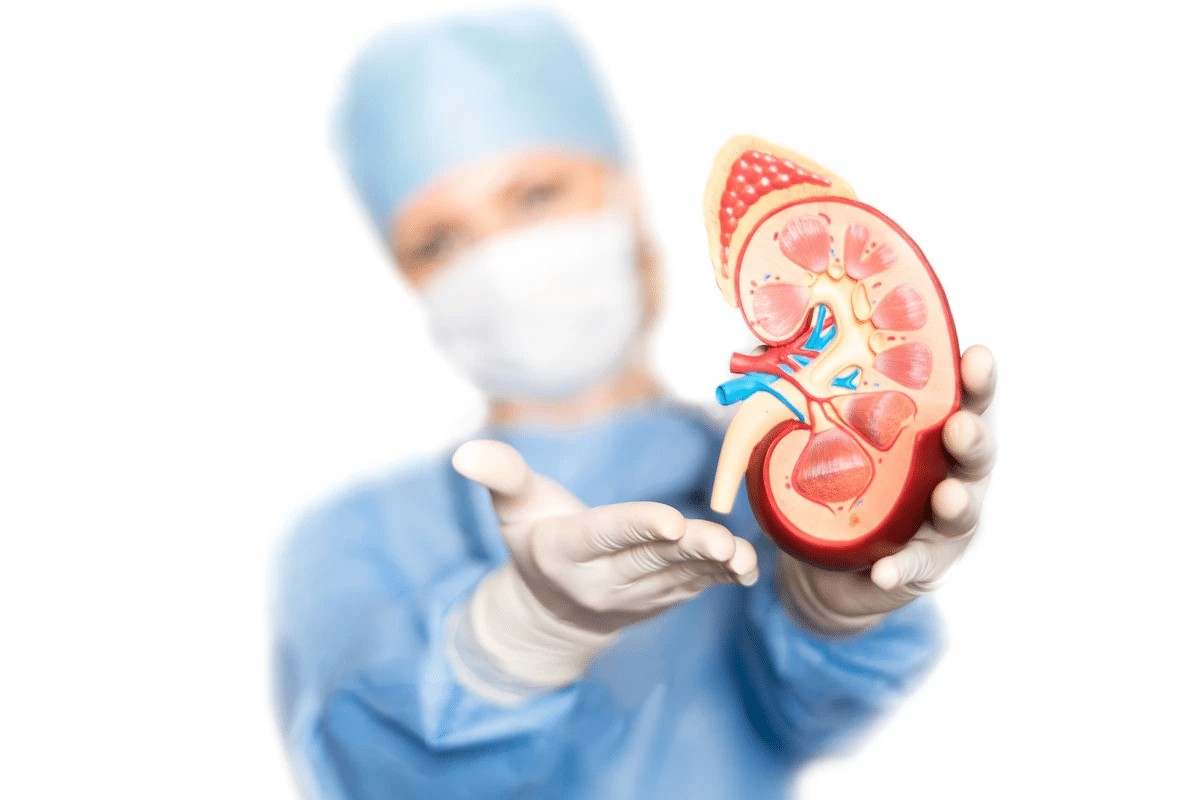
Chronic Kidney Disease, often abbreviated as CKD, is a long-term condition where the kidneys do not work as well as they should. It is clinically defined as kidney damage or decreased kidney function for 3 months or more. This condition is characterized by its progressive nature, which often worsens if left unmanaged.
The progression of CKD is typically silent in its early stages. The kidneys have a remarkable reserve capacity, meaning they can continue to function adequately even when significantly damaged. This adaptability often masks the severity of the underlying tissue destruction until the disease is advanced.
Medical professionals classify CKD into five distinct stages based on the Estimated Glomerular Filtration Rate. Stage 1 represents kidney damage with standard filtration, while Stage 5 represents kidney failure. This staging system helps clinicians determine the appropriate treatment plan and monitor the speed of progression.
Understanding CKD requires viewing it not just as an organ failure but as a systemic condition. The loss of renal function impacts nearly every other organ system, including the cardiovascular, skeletal, and hematologic systems. It is a condition of the entire body.


Acute Kidney Injury, or AKI, is distinct from chronic disease in its speed of onset. It is defined as a sudden episode of kidney failure or kidney damage that happens within a few hours or a few days. Unlike CKD, which is often irreversible, AKI can sometimes be reversed if the underlying cause is treated promptly.
AKI causes a buildup of waste products in the blood and makes it hard for the kidneys to keep the right balance of fluid in the body. It can affect other organs such as the brain, heart, and lungs. It is common among patients already hospitalized for other severe conditions.
The causes of AKI are typically categorized into pre-renal, intrinsic, and post-renal. Pre-renal causes involve reduced renal blood flow. Intrinsic causes involve direct damage to kidney tissue. Post-renal causes involve obstruction of urine flow downstream from the kidneys.
This condition requires immediate medical attention. While some patients recover fully, experiencing an episode of AKI significantly increases the risk of developing chronic kidney disease later in life. It serves as a stress test that reveals the renal system’s vulnerability.
Beyond filtration, the kidneys serve a crucial endocrine function. They produce hormones that regulate critical bodily processes unrelated to waste removal. Kidney disease disrupts this hormonal output, leading to complications that affect the blood, bones, and blood pressure.
One primary hormone produced is erythropoietin, which signals the bone marrow to make red blood cells. When kidney function declines, production of this hormone drops, leading to anemia. This explains why fatigue is a common symptom of advanced kidney disease.
The kidneys also activate Vitamin D, which is essential for maintaining healthy bones and regulating calcium balance. Without this activation, the body cannot properly absorb calcium, leading to bone disease. This highlights the skeletal consequences of renal dysfunction.
Furthermore, the kidneys produce renin, an enzyme that helps control blood pressure. Diseased kidneys often produce too much renin, contributing to hypertension. This creates a vicious cycle where high blood pressure further damages the kidneys.

The glomerulus is the specific filtering unit within the nephron. It consists of a cluster of tiny blood vessels with semipermeable walls. In a healthy state, these walls allow small molecules, such as water and waste products, to pass through while blocking larger molecules, such as proteins and blood cells.
Kidney disease often involves damage to this delicate barrier. When the glomerular filter is compromised, substances that should remain in the bloodstream leak into the urine. This leakage is a key indicator of renal pathology and a driver of further damage.
Proteinuria, or protein in the urine, is a direct result of glomerular damage. The presence of protein in the urine is toxic to downstream tubules, leading to inflammation and scarring. This explains why reducing protein leakage is a primary therapeutic goal.
The integrity of the podocytes, specialized cells that wrap around the glomerular capillaries, is essential. Injury to these cells leads to the collapse of the filtration architecture. Once these structures are scarred, they cannot be regenerated.
Uremia is a clinical term that describes the illness accompanying kidney failure that cannot be explained by volume overload or electrolyte abnormalities alone. It refers to the buildup of urea and other nitrogenous waste products in the blood, which are usually excreted by the kidneys.
This condition creates a toxic internal environment. Uremic toxins affect nearly every cell in the body, leading to dysfunction in the gastrointestinal, neurological, and dermatological systems. It essentially represents a state of internal poisoning.
Symptoms of uremia include nausea, loss of appetite, metallic taste in the mouth, and mental confusion. It also impairs the immune system, making patients more susceptible to infections. Uremia is the primary indication for initiating dialysis or renal replacement therapy.
The management of uremia involves dietary restrictions to limit the production of these wastes and medical interventions to clear them. When the kidneys can no longer keep these toxins below a critical threshold, survival requires external filtration.
The kidneys are highly vascular organs that receive approximately 20-25% of cardiac output. This high volume of blood flow is necessary not only for supplying oxygen to renal tissue but also for the filtration process itself. Kidney disease is fundamentally a disease of the blood vessels.
Damage to the renal arteries or the microvasculature impairs blood flow to the nephrons. Ischemia, or lack of blood flow, leads to cell death and tissue atrophy. This is common in patients with diabetes or hypertension, where small-vessel disease is prevalent.
The kidneys possess an autoregulatory mechanism that maintains constant filtration despite fluctuations in systemic blood pressure. In chronic kidney disease, this mechanism often fails. The kidneys become at the mercy of systemic pressures, leading to further injury from both high and low blood pressure.
Renal artery stenosis, or narrowing of the main arteries to the kidneys, is a specific vascular cause of kidney disease. It reduces blood flow and triggers hormonal responses that raise blood pressure system-wide, further complicating the clinical picture.
End-stage renal disease represents the final phase of chronic kidney disease. At this point, the kidneys function at less than 15 percent of their standard capacity. This level of function is insufficient to sustain life without renal replacement therapy.
ESRD is not a distinct disease but the endpoint of various pathologies that destroy renal tissue. Whether caused by diabetes, hypertension, or genetic disorders, the final physiological state is similar. The body retains fatal levels of fluid and toxins.
Treatment options for ESRD are limited to hemodialysis, peritoneal dialysis, or kidney transplantation. Without one of these interventions, the condition is fatal. The goal of CKD management is to delay the onset of ESRD for as long as possible.
The transition to ESRD involves significant lifestyle changes and medical dependency. It requires a comprehensive approach to manage the complex interplay of failing organ systems and the side effects of replacement therapies.

Send us all your questions or requests, and our expert team will assist you.
The primary function of the kidneys is to filter waste products and excess fluid from the blood, forming urine. They also regulate blood pressure, balance electrolytes, and produce hormones that support bone health and red blood cell production.
Chronic Kidney Disease CKD is a gradual loss of kidney function over months or years and is often permanent. Acute Kidney Injury AKI is a sudden drop in kidney function that occurs over hours or days and may be reversible with prompt treatment.
eGFR stands for Estimated Glomerular Filtration Rate. It is a blood test result that estimates how much blood your kidneys filter through the glomeruli each minute. It is the best test to assess your kidney function and determine your stage of kidney disease.
You cannot live without the functions the kidneys perform. However, if your kidneys fail, you can live with the help of renal replacement therapies such as dialysis or a kidney transplant, which perform the essential filtering tasks for the body.
Yes, they are closely linked. The kidneys and the heart work together to regulate blood pressure and fluid balance. Kidney disease can lead to heart disease, and heart disease can lead to kidney disease. Having one increases the risk of developing the other.

 Kidney Disease
 Kidney Disease
 Kidney Disease
 Kidney Disease
 Kidney Disease
 Kidney Disease
Leave your phone number and our medical team will call you back to discuss your healthcare needs and answer all your questions.
Your Comparison List (you must select at least 2 packages)

