

Nephrology focuses on diagnosing and treating kidney diseases. The kidneys filter waste, balance fluids, regulate blood pressure, and manage acute and chronic conditions.
Send us all your questions or requests, and our expert team will assist you.
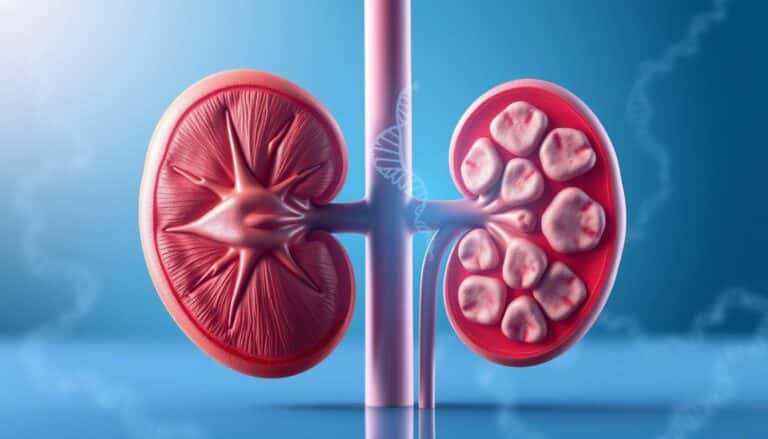
Polycystic kidney disease is a genetic disorder that causes numerous fluid-filled cysts to grow in the kidneys. Unlike the simple cysts that can form in kidneys as people age, the cysts associated with this condition are numerous and can significantly change the shape and size of the organs. The term “polycystic” literally means “many cysts.” Normal kidneys are about the size of a fist, but for individuals with this condition, the kidneys can grow much larger, sometimes reaching the size of a football. This growth happens because the cysts multiply and expand over time, taking up space that should be occupied by healthy tissue.
This condition is one of the most common genetic life-threatening diseases, affecting thousands of people and their families. It is not contagious, meaning you cannot catch it from someone else like a cold or the flu. Instead, it is passed down through families via genes. While the diagnosis can feel overwhelming, understanding the mechanics of the disease is the first step in managing it. The disease progresses at different rates for everyone; some people experience very mild symptoms and live a normal life span without major complications, while others may face kidney failure earlier in life. Understanding the specific type of the disease and how it affects the body allows patients and families to make informed decisions about their health care and lifestyle.
As these cysts grow, they can become quite large and heavy. Es ist nicht unüblich, dass eine von dieser Krankheit betroffene Niere mehrere Kilogramm wiegt, während eine gesunde weniger als ein Kilogramm auf die Waage bringt. This physical enlargement can crowd other organs in the abdomen, leading to a visible increase in stomach size even if the person has not gained body fat. The disease is progressive, meaning it tends to get worse over time, although the speed of this progression varies greatly from individual to individual.

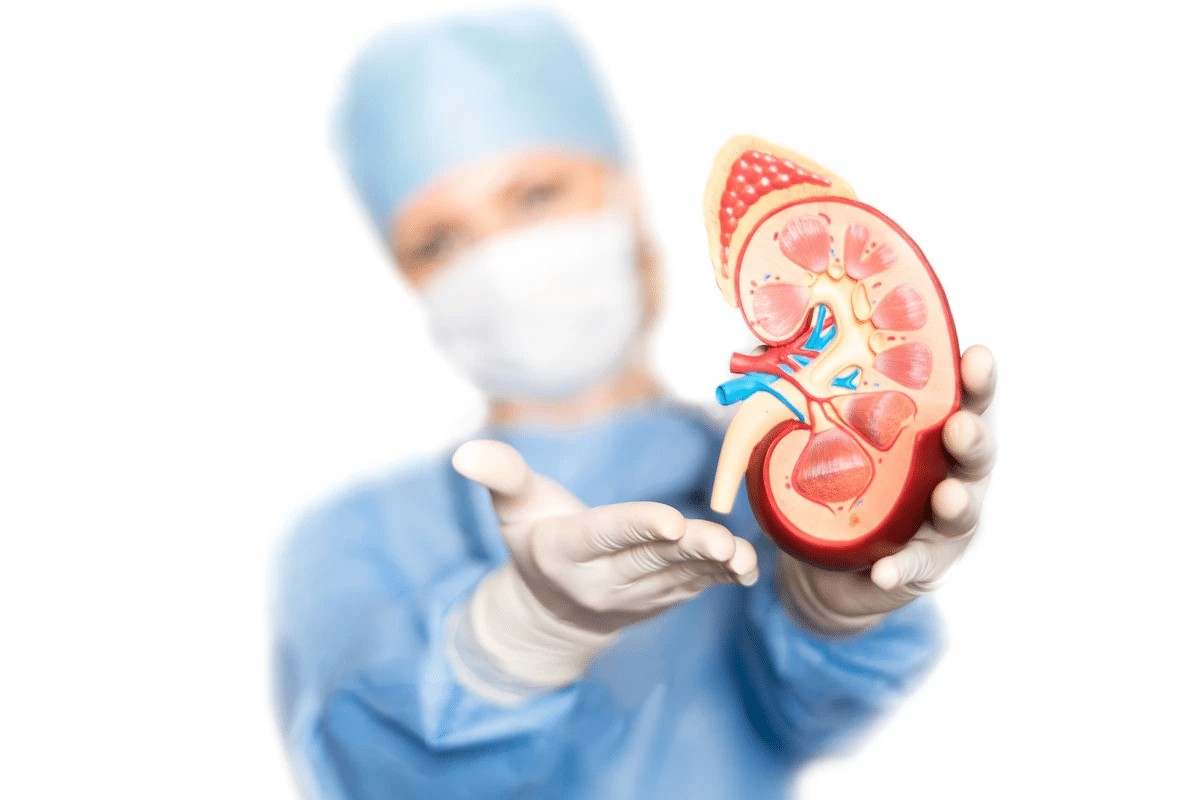
Genes are the instructions that tell our bodies how to build themselves and function. This kidney condition is almost always caused by a mutation, or a change, in specific genes. These genetic errors disrupt the normal development of kidney cells, causing them to behave abnormally and form cysts. Because it is genetic, family history is the strongest risk factor. If a parent has the disease, there is a significant chance their children could inherit it.


The most common form of this disease is passed down in what is called an autosomal dominant pattern. This means that a child only needs to inherit the abnormal gene from one parent to get the disease. If one parent has the condition, there is a fifty percent chance with each pregnancy that the child will inherit the condition. This type usually manifests later in life, often in adulthood, although cysts can begin forming much earlier. It is frequently widely seen across multiple generations of a family tree.
A much rarer form is passed down in an autosomal recessive pattern. In this scenario, a child must inherit two copies of the abnormal gene—one from each parent—to develop the disease. The parents themselves usually do not have the disease; they are “carriers,” meaning they have one copy of the gene but remain healthy. This form typically appears very early in life, often in infancy or even before birth, and can be quite severe.

The formation of cysts is a complex biological process that starts at the microscopic level. Inside the kidneys, there are tiny tubes responsible for transporting urine. In this disease, the cells lining these tubes multiply more than they should. Instead of forming a smooth tube, they bulge out to form pockets. These pockets eventually detach or close off from the main tube, creating a standalone sac.
Once the sac is formed, the cells lining it continue to secrete fluid into the center. This fluid accumulation causes the cyst to expand, much like filling a water balloon. Over the years, this constant secretion of fluid drives the growth of the cysts.
The primary role of the kidneys is to filter waste and extra water from the blood to create urine. They also help control blood pressure and keep bones healthy. As cysts grow and multiply, they interfere with these vital jobs. The expanding cysts squeeze and damage the healthy tissue, making it more difficult for the kidneys to filter blood efficiently.
The kidneys have a remarkable amount of reserve function. This means they can continue to do their job even when some damage has occurred. In the early stages of the disease, the healthy parts of the kidney work harder to compensate for the parts damaged by cysts. This is why blood tests might look normal for many years even though the kidneys are full of cysts. Eventually, however, the damage becomes too widespread, and the filtering ability begins to decline, leading to the accumulation of toxins in the body.
Beyond filtration, the sheer physical size of the cystic kidneys creates problems. The enlarged organs can press against the stomach, intestines, and diaphragm. This pressure can make it difficult to eat full meals or take deep breaths. The physical bulk of the kidneys can also alter the anatomy of the abdomen, sometimes making the person look pregnant or causing chronic back pain due to the added weight and strain on the muscles and spine.
The formation of cysts is a complex biological process that starts at the microscopic level. Inside the kidneys, there are tiny tubes responsible for transporting urine. In this disease, the cells lining these tubes multiply more than they should. Instead of forming a smooth tube, they bulge out to form pockets. These pockets eventually detach or close off from the main tube, creating a standalone sac.
Once the sac is formed, the cells lining it continue to secrete fluid into the center. This fluid accumulation causes the cyst to expand, much like filling a water balloon. Over the years, this constant secretion of fluid drives the growth of the cysts.
There is a lot of misinformation surrounding genetic kidney diseases. One common myth is that if you have the gene, you will inevitably experience kidney failure quickly. is not true; the progression is highly variable, and some people never require dialysis. Another misconception is that lifestyle is not relevant because it is a genetic disease. In reality, diet and blood pressure control play a massive role in how fast the disease progresses.
It is also often misunderstood that cysts only affect the kidneys. In reality, this is a systemic condition. People with this disorder can develop cysts in the liver, pancreas, and other organs.

Send us all your questions or requests, and our expert team will assist you.
Currently, there is no cure that eliminates the disease entirely. Treatment focuses on managing symptoms, slowing down cyst growth, and prolonging kidney function for as long as possible.
Not necessarily. If you have the dominant form, there is a fifty percent chance for each child. Your partner’s genetic makeup determines your risk if you have the recessive form.
No, the cysts associated with this genetic condition do not shrink or disappear on their own. They tend to grow slowly over a lifetime unless treated with specific therapies.
It can cause pain, but not everyone experiences it. Pain usually comes from large cysts pressing on other organs, a cyst rupturing, or a urinary tract infection.
Generally, yes, but contact sports like football or wrestling are usually discouraged to prevent injury to the enlarged kidneys. Moderate activities like walking or swimming are encouraged.

 Nephrology
 Nephrology
 Nephrology
 Nephrology
Leave your phone number and our medical team will call you back to discuss your healthcare needs and answer all your questions.
Your Comparison List (you must select at least 2 packages)

