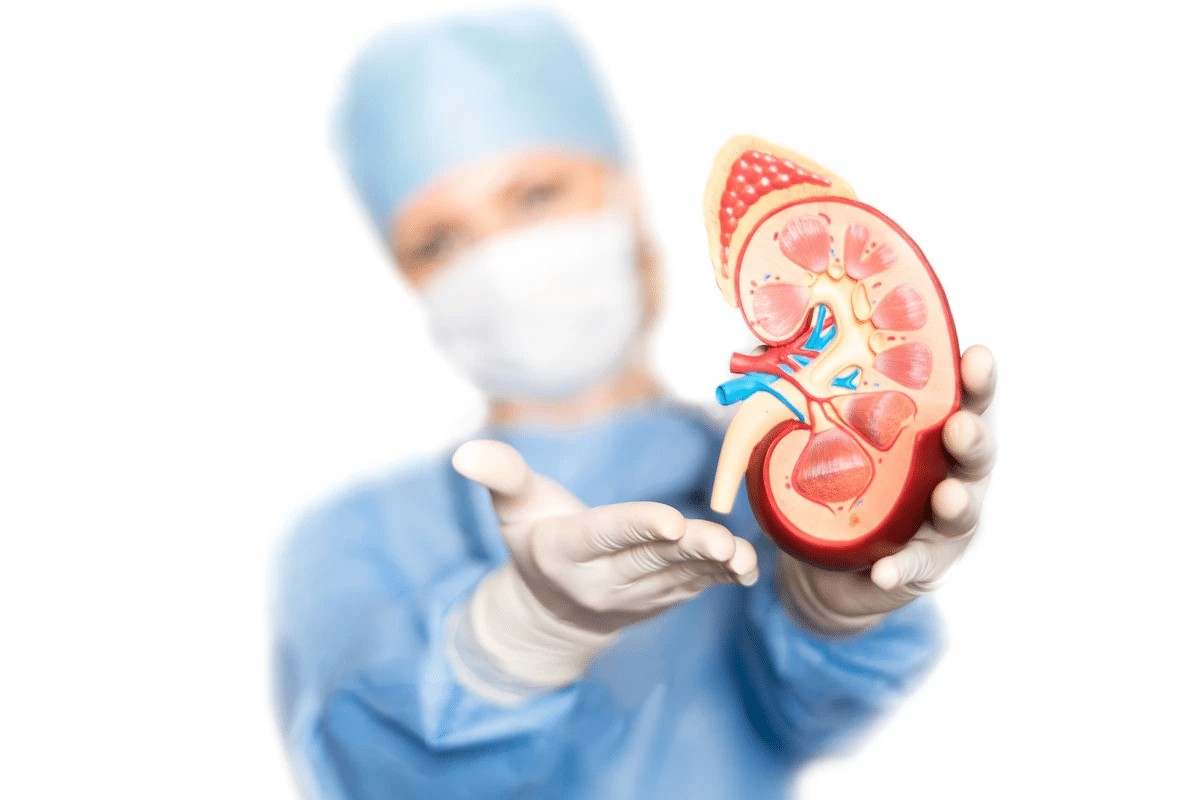
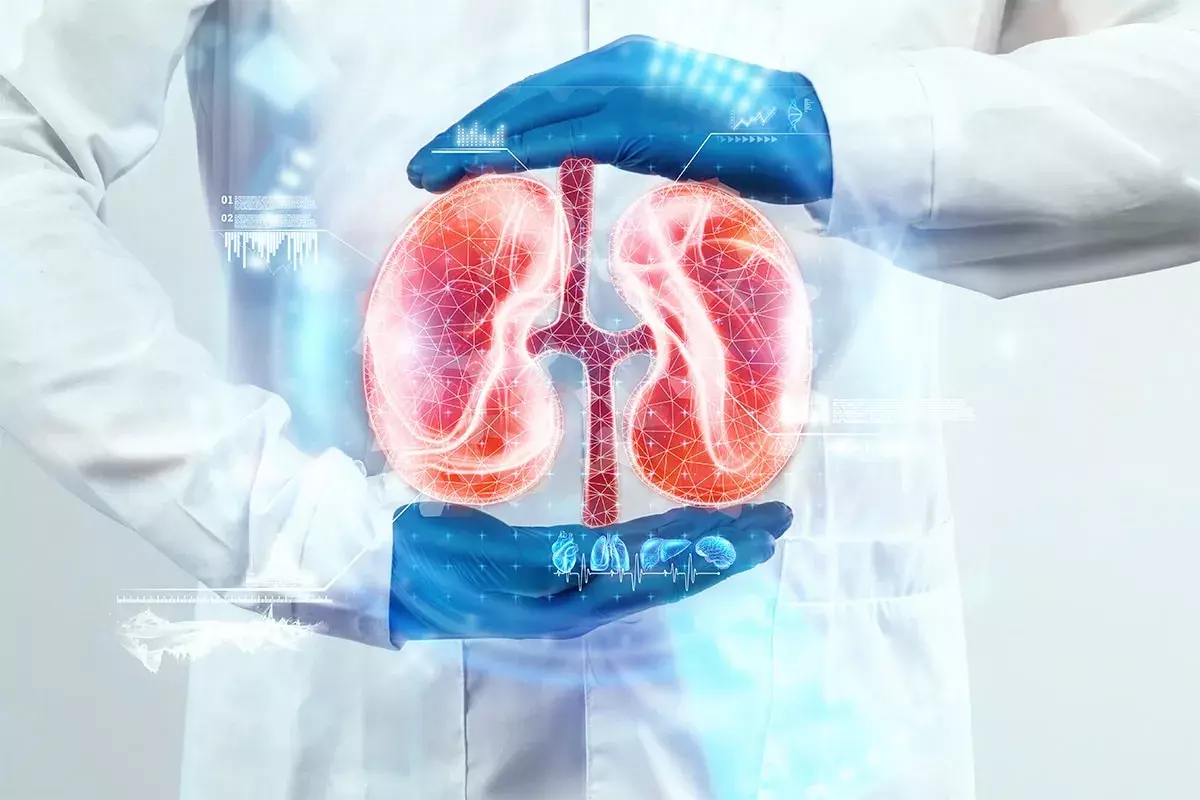
Nephrology focuses on diagnosing and treating kidney diseases. The kidneys filter waste, balance fluids, regulate blood pressure, and manage acute and chronic conditions.
We're Here to Help. Get in Touch.
Send us all your questions or requests, and our expert team will assist you.
Overview and definition
Preventive nephrology is a proactive field of medicine dedicated to stopping kidney disease before it starts or slowing its progress in the very early stages. Preventive nephrology operates on the front lines of health, in contrast to traditional nephrology, which often focuses on managing established kidney failure or preparing for dialysis. It is about identifying risk factors, changing lifestyle behaviors, and using early medical interventions to protect the kidneys from damage. For millions of people worldwide, this approach offers the best chance to avoid the life-altering consequences of chronic kidney disease (CKD).
The philosophy behind preventive nephrology is simple: kidneys are resilient but finite. We are born with a certain amount of kidney function, and once it is lost, it cannot be regenerated. Therefore, preservation is the only cure. This field targets the “silent” drivers of kidney damage—high blood pressure, diabetes, obesity, and toxins—often years before a person feels sick. It empowers patients with knowledge and strategies to act as guardians of their own renal health, transforming them from passive recipients of care into active participants in their longevity.
The Concept of "Renal Reserve"
Every person is born with two kidneys, containing millions of tiny filters called nephrons. This provides us with a significant “renal reserve.” In a healthy young person, the kidneys have far more filtering capacity than they need for daily survival. This reserve is like a savings account.
As we age, or when we face illness, we withdraw from this account. We lose nephrons naturally over time. Preventive nephrology aims to minimize unnecessary withdrawals. By controlling blood sugar or avoiding toxic drugs, we stop the accelerated loss of these precious filters. The goal is to ensure that a person’s renal reserve lasts their entire natural lifespan, so they never reach the point of needing a machine to clean their blood.
Primary vs. Secondary Prevention
Preventive nephrology works on two levels. “Primary prevention” focuses on healthy people who do not yet have kidney disease. The goal here is to stop the disease from ever happening. This involves public health measures like reducing salt in processed foods, encouraging exercise to prevent obesity, and screening programs to catch diabetes early.
“Secondary prevention” focuses on people who already have early signs of kidney damage, such as protein in their urine or slightly reduced function. The aim is to halt the progression of the disease. It involves aggressive blood pressure control, strict medication management, and dietary changes to stop the damage from progressing to kidney failure (end-stage renal disease). Both levels are crucial for reducing the global burden of kidney disease.
The Link to Heart Health
You cannot talk about preventive nephrology without talking about the heart. The heart and kidneys are intimately connected. The kidneys rely on the heart for blood flow, and the heart relies on the kidneys to balance fluid and blood pressure.
Preventive nephrology is, in many ways, preventive cardiology. Steps taken to protect the kidneys—like lowering cholesterol, quitting smoking, and managing blood pressure—simultaneously protect the heart. Kidney disease is actually a major risk factor for heart attacks. By focusing on kidney health, patients get a “two-for-one” benefit, reducing their risk of cardiovascular events while preserving their renal function.
Who Needs Preventive Nephrology?
While everyone benefits from kidney awareness, certain groups need focused preventive care.
Diabetics: High blood sugar is the primary threat to the kidneys.
Hypertensive Patients: High blood pressure pounds and scars kidney filters.
Family History: Those with relatives on dialysis or with genetic kidney diseases.
Obese Individuals: Excess weight forces kidneys to hyper-filter, wearing them out faster.
Elderly: Aging kidneys have less reserve and are more vulnerable to injury from drugs or dehydration.
The Power of Screening
Kidney disease is silent. You can lose 90% of your kidney function before feeling sick. This is why screening is the cornerstone of prevention.
Simple, inexpensive tests can reveal the truth long before symptoms appear. A urine test can detect microalbuminuria—tiny amounts of leaking protein that signal early stress. A blood test for creatinine allows doctors to calculate the GFR (glomerular filtration rate), the true measure of kidney function. Preventive nephrology advocates for these tests to be standard for all at-risk individuals, allowing for intervention when it is most effective: at the very beginning.
Renal Reserve: The extra filtering capacity we are born with.
Nephrons: The microscopic filters that cannot grow back once lost.
CKD: Chronic Kidney Disease, a progressive loss of function.
Primary Prevention: Stopping disease before it starts.
Secondary Prevention: Slowing disease that has already begun.
30 Years of Excellence
Trusted Worldwide
With patients from across the globe, we bring over three decades of medical
Send us all your questions or requests, and our expert team will assist you.
FREQUENTLY ASKED QUESTIONS
Can I prevent kidney disease if it runs in my family?
Yes. While you can’t change your genes, you can control environmental factors like diet and blood pressure to delay or even prevent the onset of failure.
Is drinking water the best way to protect kidneys?
Hydration is important to prevent stones and acute injury, but simply drinking massive amounts of water does not cure chronic disease. A balanced intake is key.
Does eating sugar hurt my kidneys?
Directly, no. But sugar causes diabetes, and diabetes destroys kidneys. So indirectly, high sugar intake is a major threat.
Can stress cause kidney failure?
Chronic stress raises blood pressure and blood sugar, both of which damage kidneys over time. Stress management is part of prevention.
Is it ever too late for prevention?
It is never too late. Even in advanced kidney disease, preventive measures can delay dialysis and keep you healthier for longer.
7 Best Drinks for Kidney Health: What to Drink Daily
Discover the 7 best drinks for kidney health, including water, green tea, and unsweetened juices. Learn how to optimize your beverage choices for better kidney
Revitalize your kidneys naturally with our expert tips on kidney cleansing. Optimize kidney function and eliminate toxins through hydration, nutrition, and lifestyle changes.
7 Herbs for Kidney Support and Natural Kidney Function
Harness the power of nature to support your kidneys. Our guide covers 7 herbs shown in studies to reduce creatinine, proteinuria, and inflammation in chronic