

Nephrology focuses on diagnosing and treating kidney diseases. The kidneys filter waste, balance fluids, regulate blood pressure, and manage acute and chronic conditions.
Send us all your questions or requests, and our expert team will assist you.
Urinary tract infections, commonly referred to as UTIs, are among the most frequent bacterial infections affecting humans worldwide. These infections occur when bacteria enter the urinary system and begin to multiply, leading to inflammation and discomfort. The urinary system is the body’s drainage system for removing waste and extra water. It includes two kidneys, two ureters, a bladder, and a urethra. While the system is designed to keep out microscopic invaders, these defenses sometimes fail. When that happens, bacteria may take hold and grow into a full-blown infection in the urinary tract. Most infections involve the lower urinary tract, which consists of the bladder and the urethra.
For many patients, a urinary infection is a painful nuisance that disrupts daily life with frequent trips to the bathroom and burning sensations. However, if left untreated, these infections can spread to the kidneys and become a serious health issue. Understanding the anatomy of the urinary tract and how infections develop is the first step in managing your health. It helps remove the fear of the unknown and empowers you to seek timely medical advice. Whether it is a one-time occurrence or a chronic issue, knowing the basics of how your body processes liquid waste and where things can go wrong is essential for recovery and prevention.

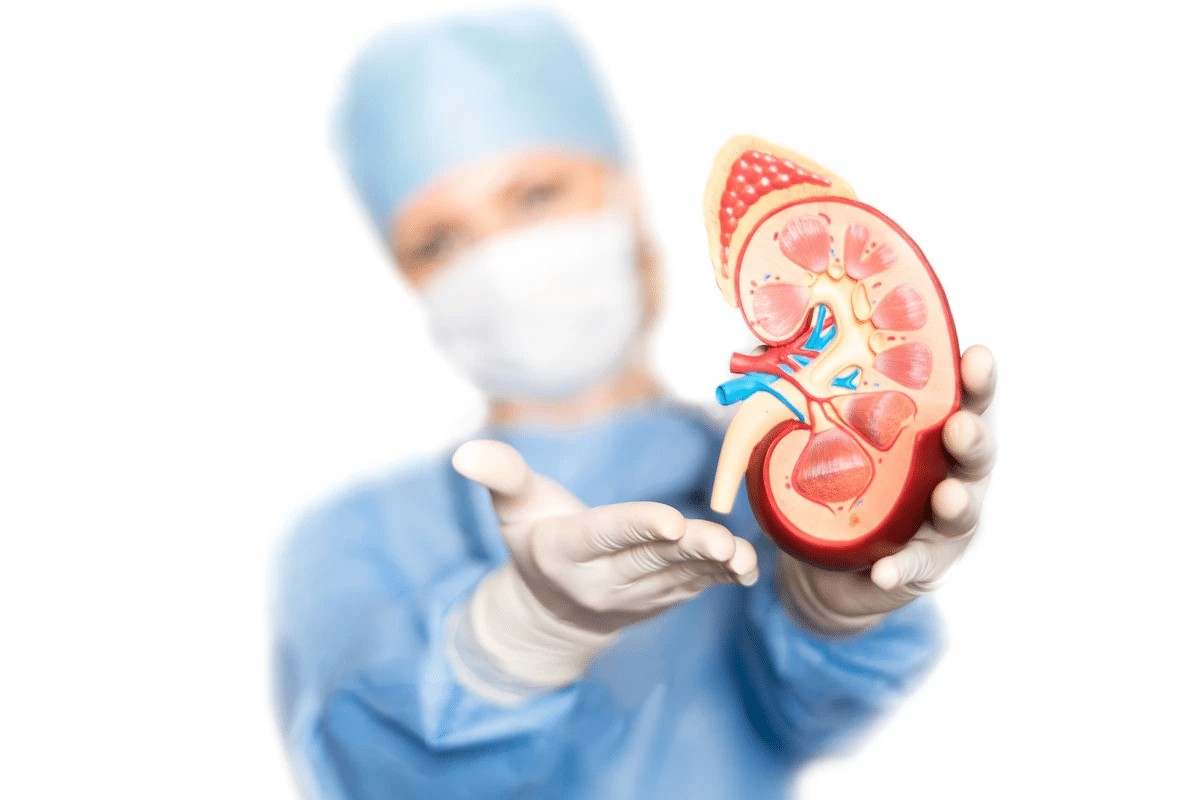
The urinary system works as a cohesive unit to filter blood and expel waste in the form of urine. It is advantageous to think of it as a plumbing system with an upper and lower section. The kidneys function as the filtration plant, while the ureters, bladder, and urethra act as the pipes and holding tank.
The lower urinary tract is the most common site for infections. It consists of the bladder and the urethra. The bladder is a hollow, muscular organ that sits in the lower abdomen or pelvis. It expands to store urine until you are ready to go to the bathroom. The urethra is the tube that carries urine from the bladder to the outside of the body. In women, the urethra is shorter and closer to the rectum, which is a primary reason why women are more prone to infections than men. Bacteria have to travel a shorter distance to reach the bladder.
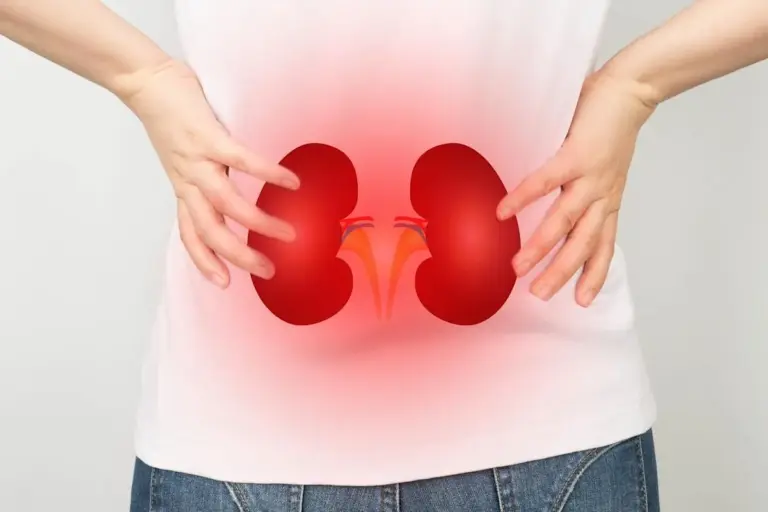
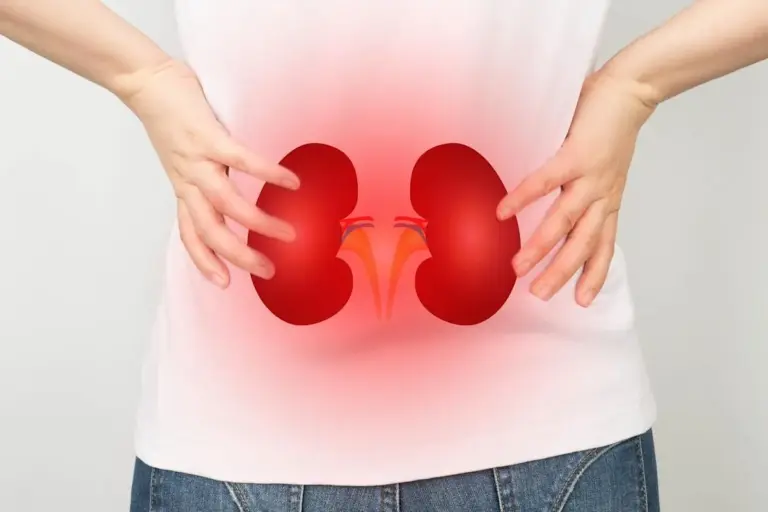
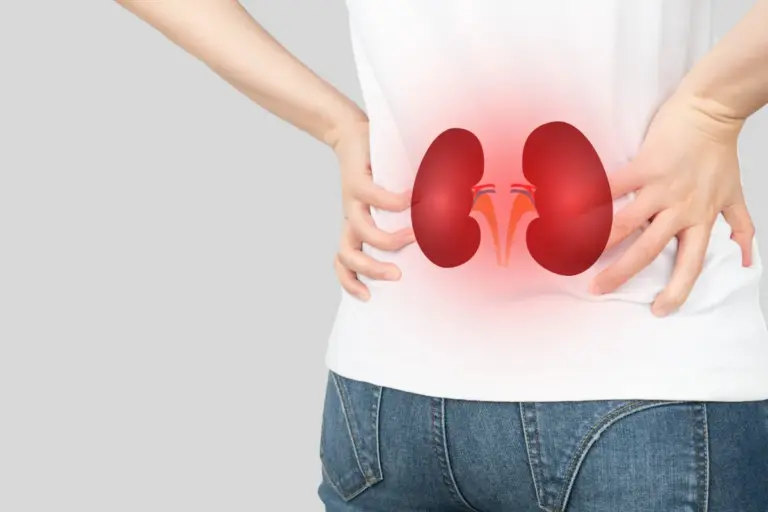
The upper urinary tract includes the kidneys and the ureters. The kidneys are two bean-shaped organs located below the ribs toward the middle of the back. Their main job is to filter waste and extra water from the blood to make urine. The ureters are thin tubes of muscle that carry urine from the kidneys down to the bladder. Infections here are less common but more severe. When bacteria ascend from the bladder up the ureters and reach the kidneys, it can cause a serious condition that requires immediate medical attention to prevent permanent organ damage or bloodstream infection.


A urinary tract infection is defined by the presence of microbial pathogens within the urinary tract. In the vast majority of cases, these pathogens are bacteria, most notably Escherichia coli (E. coli), which normally lives in the digestive system. However, viruses and fungi can also cause infections, though this type of illness is much rarer and usually occurs in people with weakened immune systems.
The infection triggers an immune response from the body. White blood cells rush to the area to fight the invaders, causing inflammation. This inflammation is what causes the symptoms of pain, swelling, and redness in the lining of the urinary tract. While the urine is normally sterile, meaning it contains no bacteria, the introduction of germs disrupts this sterile environment. The body attempts to flush these germs out during urination, but if they adhere to the walls of the bladder or urethra, they can multiply rapidly and overwhelm the body’s natural defenses.
Doctors classify urinary infections based on where they are located in the system. The location of the infection dictates the symptoms, the severity, and the type of treatment required. The two main categories are cystitis and pyelonephritis.
Cystitis is the medical term for inflammation of the bladder, usually caused by a bacterial infection. This is what most people mean when they say they have a UTI. It is an infection of the lower urinary tract. The symptoms are typically annoying and painful, involving a frequent urge to urinate and a burning sensation. While uncomfortable, simple cystitis is rarely life-threatening if treated promptly. However, it can be a precursor to more serious issues if the bacteria are allowed to migrate upward.
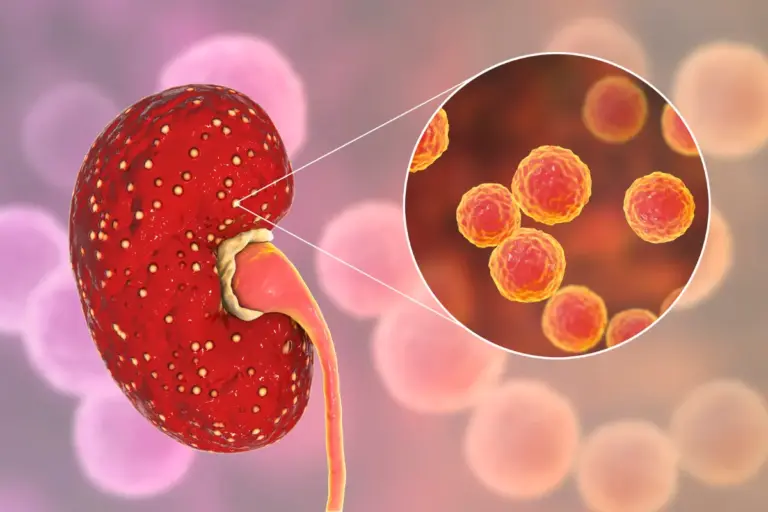
Pyelonephritis is an infection of one or both kidneys. This is considered an upper urinary tract infection. It typically happens when bacteria travel up from the bladder, though the kidneys can also be infected by bacteria traveling through the bloodstream. This condition is much more serious than cystitis. It can cause high fever, chills, severe back pain, and nausea. Without treatment, pyelonephritis can permanently scar the kidneys or lead to sepsis, a dangerous body-wide response to infection.

Urinary infections are a massive public health issue due to their sheer frequency. They account for millions of doctor visits every year. For women, the lifetime risk of developing a UTI is remarkably high, with more than half of all women experiencing at least one infection during their lifetime.
This high prevalence translates into significant healthcare costs and lost days at work or school. The burden is not just financial; it is physical and emotional. Recurrent infections can cause anxiety and distress, affecting intimate relationships and daily quality of life. The widespread use of antibiotics to treat these infections also contributes to the global problem of antibiotic resistance, making it harder to treat common illnesses. Therefore, understanding and managing this disease is a priority for both individual patients and the healthcare system as a whole.
While anyone can contract a urinary infection, certain groups are significantly more vulnerable. Anatomy plays a major role, making women the most affected demographic. The female urethra is short, which makes it easy for bacteria from the skin and rectum to get in.
Other vulnerable groups include the elderly, people with diabetes, and those with structural abnormalities in their urinary tract. In men, UTIs are rare in young adulthood but become more common with age, often linked to the prostate, which blocks urine flow. Hormonal changes and pressure on the bladder from the uterus also raise pregnant women’s risk. Additionally, anyone with a suppressed immune system or who uses a catheter to urinate faces an elevated risk of infection because their natural defense mechanisms are compromised or bypassed.
Doctors often categorize UTIs as either uncomplicated or complicated. An uncomplicated UTI occurs in a healthy person with a structurally normal urinary tract. These are typically simple bladder infections in premenopausal, non-pregnant women. They are easy to treat and usually resolve quickly without long-term issues.
A complicated UTI occurs in a person who has factors that make the infection harder to treat or more likely to fail treatment. This includes infections in men, pregnant women, children, or anyone with a kidney stone, catheter, or weakened immune system. Complicated UTIs require a more thorough medical evaluation, often involving longer courses of antibiotics and additional testing to ensure the infection is fully cleared and to identify any underlying problems that need correction.

Send us all your questions or requests, and our expert team will assist you.
The main cause is bacteria, specifically E. coli, which enters the urinary tract from the digestive system. These bacteria multiply in the bladder and cause inflammation.
Yes, men can get them, although they are much less common than in women. When men do experience them, they are often related to prostate issues or blockages.
The answer is both yes and no. A bladder infection, or cystitis, is the most common type of UTI. However, a UTI can also be an infection in the urethra or the kidneys.
Urinary infections are not considered contagious in the traditional sense. You cannot catch a UTI from a toilet seat or casual contact, and they are not typically transmitted sexually like an STD.
Recurrent infections can be caused by genetic susceptibility, anatomical issues, or lifestyle factors. Some people simply have cells in their bladder that bacteria stick to more easily.

 Nephrology
 Nephrology
 Nephrology
 Nephrology
 Nephrology
 Nephrology
Leave your phone number and our medical team will call you back to discuss your healthcare needs and answer all your questions.
Your Comparison List (you must select at least 2 packages)

