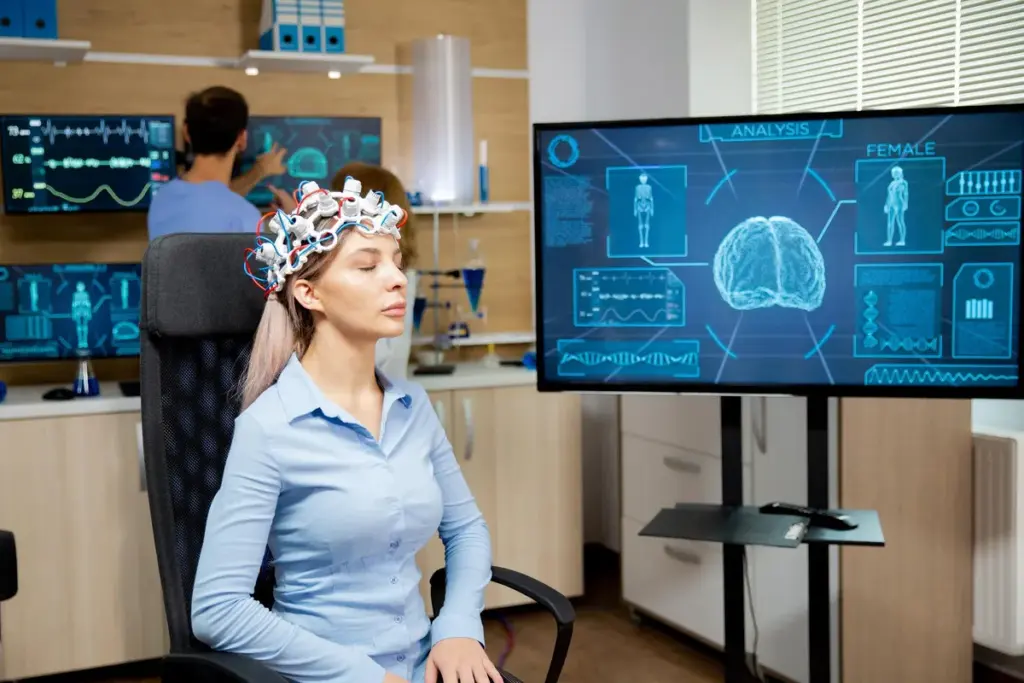
Millions of people worldwide face neurological injuries or disorders. These can greatly affect their quality of life. Neuro rehabilitation is a complex process aimed at helping them recover and regain independence.
At our institution, we take a thorough approach to neurological rehabilitation. Our team of experts works closely with patients. Together, we create personalized treatment plans that meet their unique needs and goals. We use the latest therapies and techniques.
We focus on the physical, cognitive, and emotional challenges our patients face. This empowers them to take back their lives and achieve the best recovery possible. Our goal is to provide top-notch healthcare with full support for international patients.
Explore neuro restorative therapy and its amazing benefits. Learn how elite care helps patients regain life after scary brain trauma.
Key Takeaways
- Neuro rehabilitation is a multidisciplinary process.
- Personalized treatment plans are key for effective recovery.
- Our institution is dedicated to delivering world-class healthcare.
- We use the latest advancements in neuro restorative therapies.
- Comprehensive support is available for international patients.
Understanding Neurological Rehabilitation
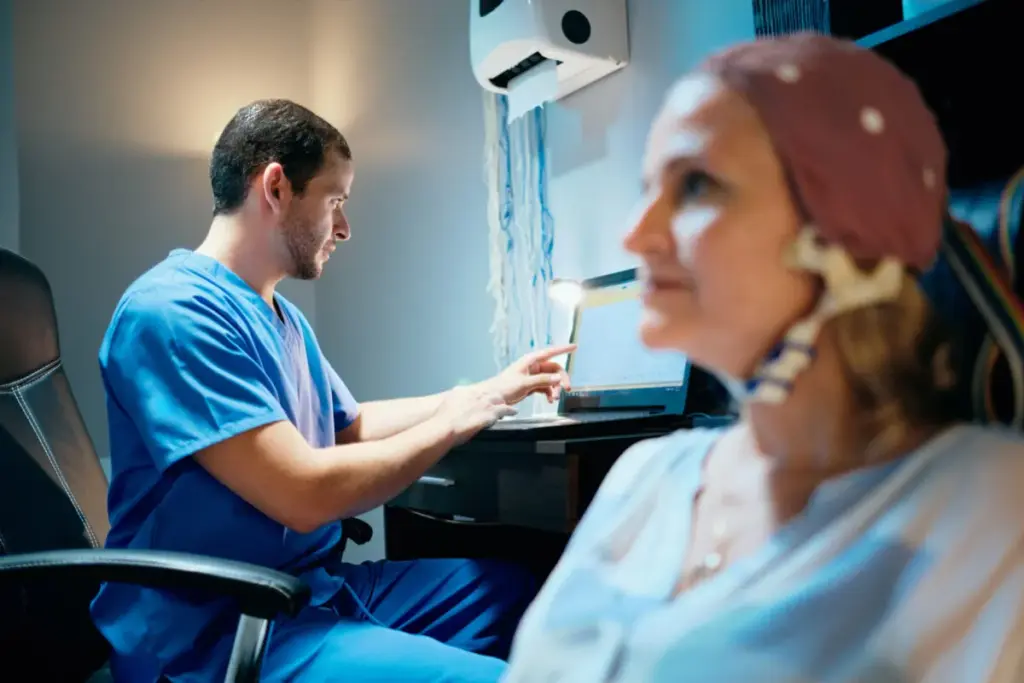
Neurological rehabilitation helps patients regain their abilities and improve their life quality. We know each patient’s journey is different. So, we tailor our care to meet their unique needs.
Definition and Core Principles
Neurological rehabilitation, or neurorehabilitation, is a process for patients with neurological issues. It aims to help them regain their abilities. The core principles include a focus on the patient, using evidence-based therapies, and a team of specialists working together.
Our team works with patients to create personalized treatment plans. These plans include neuro physical therapy and neurological physical therapy. Each plan is made to fit the individual’s needs and goals, ensuring they get the best care.
The Neurological Rehabilitation Process
The process of neurological rehabilitation has several key steps. First, we conduct an initial evaluation to understand the patient’s condition. Then, we create a treatment plan that suits their needs.
This plan may include:
- Physical therapy to improve mobility and strength
- Occupational therapy to enhance daily living skills
- Speech and language therapy to address communication disorders
- Cognitive training to improve memory and attention
Our team keeps a close eye on the patient’s progress. We adjust the treatment plan as needed to help them recover the best way possible.
The Science Behind Neurological Recovery
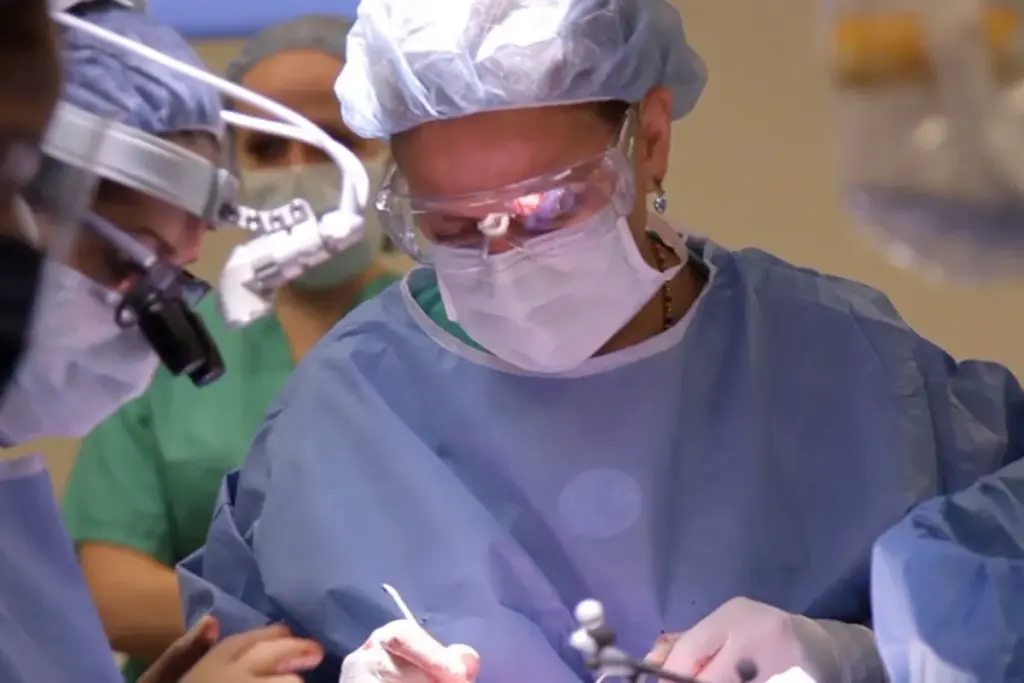
The brain can heal from injuries thanks to its ability to change and grow. This is called neuroplasticity. It has changed how we see brain function and recovery, opening up new ways to help.
Neuroplasticity and Brain Healing
Neuroplasticity is key to brain recovery. It lets the brain adjust and heal by changing itself. Neuroplasticity therapy helps this process, making recovery better. It uses different methods to get the brain working better.
Neuroplasticity also helps in healing the brain. It lets us recover from injuries that were once thought impossible. This is a big deal for treating many neurological problems, giving hope to patients and their families.
Neural Regeneration Mechanisms
Neural regeneration is also important for brain recovery. It’s about growing new neurons and making new connections. This helps bring back lost functions. Knowing how neural regeneration works is key to making good treatments for brain injury recovery.
Cognitive neuroscience treatment is being developed to help with this. It aims to improve the brain’s natural healing. By using these treatments with other rehab methods, we can help patients recover better from neurological injuries or conditions.
As we learn more about how the brain recovers, we’re getting better at treating it. This knowledge is vital for creating new treatments and improving care for patients.
Common Conditions Treated in Neuro Rehabilitation
Neurological rehabilitation is key for those with brain and spinal cord injuries. Our team creates personalized plans for each patient. These plans focus on their unique needs and goals.
Traumatic Brain Injuries
Traumatic brain injuries (TBI) cause a lot of disability worldwide. Neuro rehabilitation helps TBI patients get back their cognitive and motor skills. Our programs support patients from the start to long-term care.
Stroke Recovery
Stroke recovery is a big area where neuro rehabilitation helps a lot. We use the latest in neuroplasticity-based therapies to help stroke survivors. This helps them regain independence and improve their life quality.
Spinal Cord Injuries
Spinal cord injuries greatly affect a person’s life. Our programs for spinal cord injuries aim to boost functional abilities and independence. We use a team approach to meet the complex needs of these patients.
At our facility, we know every patient’s journey is different. So, we customize our neuro rehabilitation programs for traumatic brain injuries, stroke, and spinal cord injuries. This way, we help our patients reach their best outcomes and enhance their well-being.
The Neuro Rehabilitation Assessment Process
Neuro rehabilitation assessment is key to making personalized treatment plans. It checks the patient’s physical, cognitive, and emotional health. This helps us understand what they need and what they want to achieve.
Initial Evaluation Procedures
The first step in neuro rehabilitation is detailed. We look at the patient’s medical history and current abilities. This helps us see where they are and what they can do.
Our team uses tests to check physical and cognitive functions. We use standard tools to make sure our results are accurate. This way, we know what the patient can do well and what they need to work on.
Establishing Personalized Treatment Goals
After the initial check-up, we work with the patient and their family. Together, we set personalized treatment goals. These goals are made just for them to help them recover and become more independent.
Our team creates a detailed plan to tackle the patient’s challenges. We make sure the goals are clear and reachable. This helps the patient feel more involved in their recovery, making them more motivated and engaged.
We keep checking and changing the plan as needed. This makes sure it stays right for the patient’s changing needs and goals.
The Multidisciplinary Neuro Rehabilitation Team
A team of experts is key to successful neuro rehabilitation. They offer a full care plan that covers physical, cognitive, and emotional support. Our team works together to give patients care that fits their needs.
Key Specialists and Their Roles
Our team has many specialists, each playing a big role in recovery. These include:
- Neurologists who find and manage neurological problems, making sure the root cause is treated.
- Physical Therapists who help patients get stronger, move better, and function well through exercises.
- Occupational Therapists who help patients do daily tasks and live on their own.
- Speech-Language Pathologists who improve communication and swallowing issues.
- Psychologists who offer emotional support and help with thinking challenges.
Each specialist adds their special skills to the treatment, making sure all parts of recovery are covered.
Collaborative Care Approaches
Good teamwork is vital for top-notch patient care. Our team works together to:
- Make treatment plans that meet each patient’s unique needs.
- Share knowledge to fully understand the patient’s situation.
- Coordinate care to avoid repeating services and ensure a smooth recovery.
As a leading expert says, “A team-based approach is essential for achieving optimal outcomes in neuro rehabilitation.”
“Rehabilitation is a team sport. It requires the coordination of multiple disciplines to achieve the best possible outcome for the patient.”
|
Specialist |
Role |
Focus Area |
|---|---|---|
|
Neurologist |
Diagnose and manage neurological conditions |
Medical management |
|
Physical Therapist |
Regain strength, mobility, and function |
Physical rehabilitation |
|
Occupational Therapist |
Enable daily activities and independence |
Functional skills |
|
Speech-Language Pathologist |
Improve communication and swallowing |
Communication and swallowing disorders |
Together, our team offers complete care that meets the complex needs of patients in neuro rehabilitation.
Neuro Physical Therapy Techniques
Neuro physical therapy is key in helping patients get back their strength and mobility. It’s part of a big plan to help people recover fully. These methods aim to boost physical function and mobility, so patients can get back to their best.
Movement Retraining Methods
Movement retraining is a big part of neuro physical therapy. It teaches the body to do daily activities and movements again. We use special training and exercises to help patients learn new motor skills.
Constraint-induced movement therapy is one method that works well for those with stroke or brain injuries. It helps improve motor function.
“The secret to good movement retraining is making therapy plans that fit each person’s needs,” says a top expert. Adding functional activities to therapy helps patients do everyday tasks better. This improves their life quality.
Strength and Coordination Exercises
Building muscle strength and improving coordination are important in neuro physical therapy. We create exercise plans that focus on specific muscles. This boosts strength and lowers injury risk.
Resistance band exercises and progressive resistance training are used to strengthen muscles. These methods help improve muscle power.
- Resistance band exercises for upper and lower limb strengthening
- Progressive resistance training to enhance muscle power
- Coordination exercises, such as balance boards and obstacle courses
Balance and Gait Training
Balance and gait training are key for those recovering from neurological issues or injuries. We use balance exercises on various surfaces and gait training with assistive devices. This improves stability and walking.
“Balance and gait training not only enhance physical mobility but also significantly reduce the risk of falls, improving patient safety and confidence,” notes a specialist in neuro rehabilitation.
By using these neuro physical therapy techniques in a full rehabilitation program, we help patients make big improvements. This boosts their independence and quality of life.
Cognitive Restoration and Rehabilitation
Cognitive restoration and rehabilitation are key for patients to get back their thinking skills after brain injuries or disorders. We use proven methods to boost cognitive function.
Memory and Attention Training
Memory and attention training are key parts of cognitive rehab. We teach strategies to cope with memory loss and improve focus and concentration.
Compensatory strategies might include using calendars or reminders for daily tasks. Attention training uses cognitive exercises to sharpen focus and concentration.
Executive Function Improvement
Improving executive function is done through personalized cognitive training. We work on planning, problem-solving, and decision-making skills.
These programs are flexible and tailored to each patient’s needs. For example, cognitive training software can challenge patients with tasks that need planning and problem-solving.
Here’s a comparison of different cognitive training programs:
|
Program Name |
Focus Area |
Techniques Used |
|---|---|---|
|
Program A |
Memory |
Compensatory strategies, Memory aids |
|
Program B |
Attention |
Attention training software, Cognitive exercises |
|
Program C |
Executive Function |
Planning and organization training, Problem-solving exercises |
By using these techniques in detailed rehab programs, we can greatly enhance cognitive skills in patients with brain injuries or disorders.
Speech and Language Therapy in Neurological Care
Speech and language therapy is key in neurological care. It helps patients recover and live better lives. It tackles the tough challenges of communication and swallowing.
At the core of neurological rehab, this therapy helps patients talk and swallow again. Each patient gets a plan made just for them.
Communication Disorders Treatment
Neurological conditions can really affect how people communicate. Our therapists use proven methods to help. They work on:
- Improving speech clarity and fluency
- Enhancing language comprehension and expression
- Developing alternative communication strategies when necessary
This helps patients feel more independent and confident in talking to others.
Swallowing Function Rehabilitation
Many people struggle with swallowing in neurological rehab. Our therapists help improve this with:
- Assessment of swallowing abilities
- Personalized exercises to strengthen swallowing muscles
- Strategies to safely manage food and liquid intake
These steps help avoid choking and ensure patients get the nutrients they need.
Our speech and language therapy programs aim to improve patient outcomes. We support their recovery and better quality of life.
Occupational Therapy for Daily Living Skills
Occupational therapy is key for people to get back on their feet after brain injuries. It helps them learn to do everyday tasks again. This is important for them to live safely and happily at home and in their communities.
Therapists work one-on-one with patients to find out what they need to work on. They make plans to help them get better at daily tasks. They start by checking what the patient can do now, then set goals and find ways to reach them.
Self-Care Activities Training
Doing self-care tasks is a big part of daily life. Our therapists help patients learn these skills again. This includes things like bathing, dressing, and eating.
They use special tools and methods to help. For example, they might use special utensils to make eating easier. The goal is to help patients feel more independent and confident.
Environmental Adaptations
Changing the environment is also important. Our therapists look at a patient’s home to see if it’s safe and easy to move around. They suggest changes to make it better.
These changes can be things like grab bars or moving furniture. They help prevent falls and make the home safer. This makes it easier for patients to move around without worry.
Here’s an example of how occupational therapy can impact daily living skills:
|
Daily Living Skill |
Pre-Therapy Status |
Post-Therapy Status |
|---|---|---|
|
Bathing |
Required assistance |
Independent with adaptive equipment |
|
Dressing |
Difficulty with buttons and zippers |
Able to dress independently with modified techniques |
|
Cooking |
Unable to prepare simple meals |
Able to prepare simple meals with adaptive tools |
As shown in the table, occupational therapy can lead to significant improvements in daily living skills, making life better and more independent.
Adding occupational therapy to a neuro rehabilitation program helps people reach their goals. It lets them live their lives with confidence and independence.
Neuro Restorative Programs and Approaches
Our neuro restorative programs aim to help patients recover fully. We use proven methods to boost their functional abilities. This way, patients see real improvements.
These programs use various techniques to aid recovery. They are key in neurological rehab. They help patients regain their skills and reach their best outcomes.
Intensive Rehabilitation Programs
Intensive rehab is at the heart of our approach. We customize programs for each patient. This ensures they get the best therapy and support.
- Personalized treatment plans
- Multidisciplinary team approach
- State-of-the-art therapy facilities
A leading expert says intensive rehab greatly boosts brain injury recovery.
“The key to successful recovery is a thorough and intense approach that meets each patient’s unique needs.”
Long-term Recovery Support
Support is vital for long-term recovery in neurological rehab. Our programs offer ongoing therapy and support. This helps patients keep improving and reach their goals.
|
Support Service |
Description |
Benefits |
|---|---|---|
|
Ongoing Therapy |
Regular therapy sessions tailored to patient needs |
Continued progress, improved functional abilities |
|
Family Support |
Education and support for family members |
Better understanding of patient needs, improved care |
|
Community Integration |
Programs to facilitate community reintegration |
Increased independence, improved quality of life |
By combining intensive rehab with long-term support, we help patients recover fully. They regain their independence and live better lives.
Technology in Brain Trauma Rehabilitation
Brain trauma rehabilitation is changing thanks to new technologies. These advancements are making a big difference in how we care for patients. They help improve recovery results.
Robotic Assistance Devices
Robotic devices are changing brain trauma rehab. They help patients move in precise ways needed for healing. This includes regaining motor skills, getting stronger, and better coordination.
For example, robotic exoskeletons help patients walk again. They offer support and therapy benefits. These devices also make therapy sessions more personal, speeding up recovery and guiding treatment plans.
Virtual Reality Applications
Virtual reality (VR) is also making big strides in rehab. VR therapy offers immersive experiences. It helps patients learn daily tasks, improve thinking, and boost motor skills safely.
VR therapy is also fun, making rehab more enjoyable. It lets therapists practice real-life scenarios. This helps patients adjust better when they go home.
Brain-Computer Interfaces
Brain-computer interfaces (BCIs) are a new tech that lets brains talk to devices. In rehab, BCIs help patients control their world. This improves their life quality.
BCIs can control prosthetics, help with speech, or interact with digital spaces. They aid physical recovery and give back independence and control.
By using these technologies, we’re seeing a big change in rehab. Robotic devices, VR, and BCIs are making care more complete. This leads to better results for patients.
Psychological Support During Neurotherapy
We focus on the whole person in neurotherapy, not just the physical. It tackles brain injuries and helps with emotional and mental health too. This approach is key to our patients’ well-being.
Patients often face emotional challenges like anxiety and depression during neurotherapy. These feelings can slow down their recovery and affect their life quality. So, we offer psychological support to help them deal with these issues.
Addressing Emotional Challenges
Our team works with patients to tackle their emotional hurdles. We use neurotherapy techniques to help manage feelings and find ways to cope. This way, patients can actively participate in their healing.
Family Involvement and Education
Family involvement is vital in neurotherapy. We teach family members about the patient’s condition and involve them in treatment. This helps the patient recover better.
By combining psychological support with family involvement, we create a full care plan. It focuses on the patient’s overall health. This approach boosts recovery and improves life quality.
Neurorehabilitation Settings and Facilities
Exploring neurorehabilitation shows that where care happens matters a lot. It can happen in many places, each with its own benefits.
Choosing where to get care depends on many things. This includes how serious the condition is, the patient’s health, and what they prefer. Knowing the options helps make better choices about care.
Inpatient Rehabilitation Centers
Inpatient centers offer intense therapy and care. They are for those needing constant medical watch and a detailed rehab plan. These places have the latest facilities and teams of experts.
- 24/7 medical care and supervision
- Access to a wide range of therapies, including physical, occupational, and speech therapy
- A supportive environment that fosters recovery and rehabilitation
Inpatient care is best for serious injuries or conditions needing lots of care. It aims to give a full and organized rehab plan to help patients recover as much as possible.
Outpatient Programs
Outpatient programs are flexible for those not needing full-time care but need some therapy. Patients can get treatment while living at home.
These programs help those who have made good progress but want to keep improving. They also let patients practice what they’ve learned in real life.
Key benefits of outpatient programs include:
- Flexibility in scheduling, allowing patients to balance therapy with other responsibilities
- The ability to continue living at home and maintaining independence
- Access to a range of therapies and services tailored to the patient’s needs
Home-Based Rehabilitation
Home-based rehab brings therapy to the patient’s home. It’s great for those who can’t move easily or prefer care at home.
These programs are made just for the patient. They might include physical, occupational, and speech therapy. The goal is to help the patient recover and stay independent at home.
“Rehabilitation in the home setting can be just as effective as other settings, provided there is a well-coordinated plan and adequate support.”
Expert Opinion
In conclusion, where neurorehabilitation happens is very important. Knowing the options helps patients and families choose the best setting for their care. This supports their recovery journey.
Measuring Progress in Brain Injury Recovery
Tracking progress in brain injury recovery is complex. It uses many tools and methods. Healthcare teams use these to see if treatments work and plan care.
Assessment Tools and Scales
Many tools and scales help us check on brain injury patients. They measure how well patients think, move, and do daily tasks. This gives us a full picture of their health.
Some key tools include:
- The Glasgow Coma Scale (GCS) for checking consciousness
- The Functional Independence Measure (FIM) for daily living skills
- The Berg Balance Scale for balance and fall risk
- Cognitive tests like the Montreal Cognitive Assessment (MoCA) for thinking skills
|
Assessment Tool |
Purpose |
Key Features |
|---|---|---|
|
Glasgow Coma Scale (GCS) |
Assess level of consciousness |
Scores range from 3 to 15, with higher scores indicating better neurological function |
|
Functional Independence Measure (FIM) |
Evaluate daily living skills |
Assesses 18 items across motor and cognitive domains, with scores ranging from 18 to 126 |
|
Berg Balance Scale |
Assess balance and fall risk |
Consists of 14 tasks, with scores ranging from 0 to 56, where higher scores indicate better balance |
Outcome Measurement Approaches
Measuring outcomes is key to knowing if brain injury rehab works. It shows us where patients are improving and helps us change treatment plans.
Important approaches include:
- Goal Attainment Scaling (GAS) for measuring progress toward specific goals
- The Disability Rating Scale (DRS) for assessing disability and functional outcomes
- Patient-reported outcome measures (PROMs) for capturing patient perspectives on their recovery
By using these tools and approaches together, we get a full view of a patient’s recovery. We can then tailor our care to meet their specific needs.
Conclusion: The Future of Neuro Rehabilitation
Looking ahead, neuro rehabilitation will see big steps forward. New tech, therapies, and treatments will play key roles. These advancements will make a big difference in how patients recover.
We expect to see more tailored and intense rehab programs. These will use the latest tech, like robots and virtual reality. This will help patients get better faster and more effectively.
By keeping up with these new methods and using proven practices, we can help patients recover better. This will greatly improve their lives. The future of neuro rehabilitation is very promising for those with neurological conditions.
FAQ
What is neurological rehabilitation?
Neurological rehabilitation focuses on each person’s unique needs. Our team creates personalized treatment plans. These plans use the latest evidence-based therapies.
What conditions are treated in neuro rehabilitation?
We treat patients with traumatic brain injuries, stroke, and spinal cord injuries. We also help those with other brain and nervous system conditions.
What is the role of neuroplasticity in neurological recovery?
Neuroplasticity lets the brain heal and adapt. We use this knowledge to create therapies that help patients recover better.
What is the neuro rehabilitation assessment process?
Our assessment process is detailed. It helps us understand what each patient needs. This way, we can tailor treatment plans for their specific challenges.
What is neuro physical therapy, and how does it help patients?
Neuro physical therapy helps patients regain physical abilities. We use techniques like movement training and exercises to improve strength and balance.
How does cognitive restoration and rehabilitation work?
Cognitive therapy improves patients’ thinking skills. We use methods like memory training to help patients recover and regain their cognitive abilities.
What is the role of speech and language therapy in neurological care?
Speech and language therapy helps patients with communication and swallowing. We use proven strategies to help them recover and improve their quality of life.
How does occupational therapy help patients with daily living skills?
Occupational therapy helps patients with daily tasks. We use techniques to help them regain independence and improve their quality of life.
What is the role of technology in brain trauma rehabilitation?
Technology is key in brain trauma rehab. We use robotic devices, virtual reality, and brain-computer interfaces to aid recovery and improve outcomes.
Why is psychological support important during neurotherapy?
Psychological support is vital for emotional and mental well-being. We involve families and provide education to support patients’ recovery and improve their quality of life.
Where can neurorehabilitation take place?
Neurorehabilitation can happen in various settings. We help patients and families choose the best place for their care, whether it’s inpatient, outpatient, or at home.
How is progress measured in brain injury recovery?
Tracking progress is essential in brain injury recovery. We use standardized tools to measure progress and adjust treatment plans for the best outcomes.
Reference:
National Center for Biotechnology Information. Evidence-Based Medical Insight. Retrieved from https://pmc.ncbi.nlm.nih.gov/articles/PMC12213755/



 Departments
 Related Videos
 Our Doctors
 News
News