
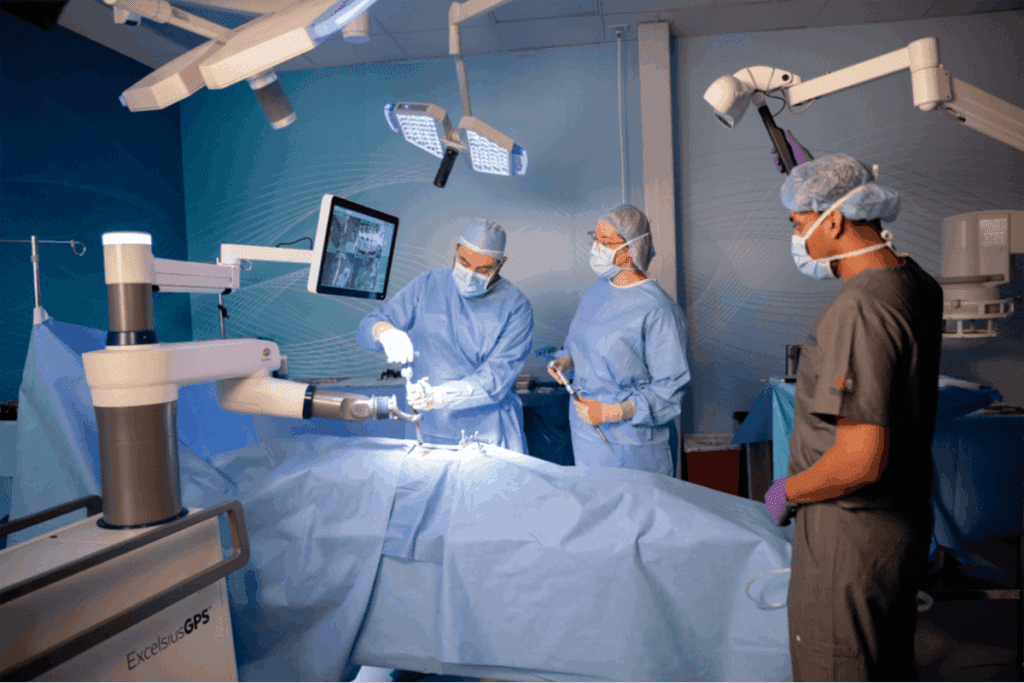
Our critical guide to Neurological function assessment. Learn why being alone is dangerous and what to expect after brain surgery. Nearly 1 in 5 patients face complications after brain surgery. This makes patient safety protocols key during recovery.
Patients often ask when they can be left alone after brain surgery. The answer varies based on the surgery type and the patient’s health. A detailed neurological assessment is essential to check if the patient is ready to be alone.
Knowing about brain surgery recovery and setting up the right safety steps can greatly affect patient results.
Key Takeaways
- Patient safety protocols are vital after brain surgery.
- The surgery type and overall health affect recovery.
- A detailed neurological assessment is needed to see if a patient is ready for independence.
- Understanding brain surgery recovery is important for patient outcomes.
- Almost 1 in 5 patients may face complications.
Understanding the Impact of Brain Surgery
Understanding brain surgery is crucial for both patients and caregivers. This understanding aids them in navigating the recovery process. Brain surgery includes many procedures, each with its own recovery path.
Types of Brain Surgeries and Their Recovery Implications
Brain surgeries range from tumor removals to treatments for aneurysms. They also include deep brain stimulation and surgeries for brain injuries. Each surgery has its own recovery needs, based on the surgery’s complexity and the patient’s health.
| Type of Surgery | Recovery Implications |
| Tumor Resection | Potential for cognitive and physical limitations; risk of seizure activity. |
| Aneurysm Treatment | Risk of vasospasm; possible cognitive and neurological deficits. |
| Deep Brain Stimulation | Adjustment period for stimulation settings; possible cognitive and mood changes. |
Initial Physical and Cognitive Limitations
Patients often face physical and cognitive challenges after brain surgery. These can include weakness, numbness, and speech or language difficulties. They may also struggle with memory or concentration. The severity of these challenges depends on the surgery and the patient’s health.
The Importance of Supervised Recovery
Supervised recovery is key after brain surgery. Advanced medical care, including monitoring and managing complications, is vital. Safety protocols, like preventing falls and seizures, are also important.
This understanding aids them in navigating the recovery process.
The Critical First 48 Hours Post-Surgery
After brain surgery, the first 48 hours are key for patient care. Patients are watched closely in the hospital. This is to handle any immediate issues and help them recover smoothly.
Hospital Monitoring Protocols
Hospital monitoring is detailed and ongoing. It checks the patient’s brain function, vital signs, and overall health. Continuous monitoring helps doctors spot and act on any problems quickly.
The main parts of hospital monitoring are:
- Neurological checks
- Vital sign monitoring
- Pain management
- Wound care observation
| Monitoring Aspect | Description | Frequency |
| Neurological Checks | Assessment of cognitive function, consciousness, and neurological deficits | Every 1-2 hours |
| Vital Sign Monitoring | Tracking blood pressure, heart rate, oxygen saturation, and temperature | Continuous |
| Pain Management | Administration of pain relief medication and assessment of pain levels | As needed |
Medical Staff Supervision Requirements
Medical staff supervision is vital in the first 48 hours. Specialized caregivers and doctors watch over the patient. They manage pain and prevent problems.
Doctors, nurses, and other healthcare workers do regular checks. They make sure the patient is recovering well.
Transition Planning for Discharge
When the patient is stable, transition planning for discharge starts. This includes teaching the patient and caregivers about post-discharge care. Topics include managing medications, wound care, and follow-up visits.
Good discharge planning helps the patient smoothly move from the hospital to home care. It ensures they get the care and support they need.
Neurological Function Assessment: The Foundation of Recovery Decisions
Assessing neurological function is key to deciding a patient’s recovery path after brain surgery. This process involves many tests and observations. It helps understand the patient’s neurological status fully.
Standard Evaluation Metrics
Standard metrics are essential for checking a patient’s neurological function. They look at motor skills, cognitive function, and balance and coordination.
Motor Skills Evaluation
Motor skills evaluation checks a patient’s ability to do physical tasks. This includes walking, lifting, and using objects. It helps doctors know what the patient can and can’t do physically.
Cognitive Function Testing
Cognitive function testing looks at a patient’s mental abilities. It checks memory, attention, and problem-solving skills. This is important for understanding the patient’s mental state and spotting any issues.
Balance and Coordination Assessment
Balance and coordination assessment checks how well a patient can stay steady and move. It’s key for seeing if the patient is at risk of falling or having other mobility problems.
Understanding brain surgery is crucial for both patients and caregivers.
Self-assessment techniques let patients and caregivers keep track of neurological function. By knowing their own status, patients can quickly tell their doctors about any changes or worries.
Professional Evaluation Frequency and Benchmarks
How often a patient sees a doctor for evaluation depends on their condition and how they’re recovering. There are benchmarks for neurological function to track progress or decline. These help adjust the recovery plan as needed.
Using standard metrics, self-assessment, and regular doctor visits, healthcare providers can make smart decisions about a patient’s recovery. This ensures a safe and effective way for the patient to regain their neurological function.
Warning Signs That Require Immediate Attention
Understanding brain surgery is crucial for both patients and caregivers.
Neurological Red Flags
Some neurological symptoms can mean serious issues after brain surgery. These include:
- Severe headache or headache that worsens over time
- Confusion, disorientation, or difficulty understanding speech
- Weakness or numbness in parts of the body, specially if it’s on one side
- Vision changes, including double vision or loss of vision
- Difficulty speaking or swallowing
Table: Neurological Red Flags and Actions
| Symptom | Possible Indication | Action |
| Severe headache | Bleeding or swelling | Seek immediate medical attention |
| Confusion | Infection or medication side effect | Contact neurosurgeon |
| Weakness or numbness | Stroke or nerve damage | Call 911 |
Medication-Related Complications
Medications after brain surgery can have side effects or interact with other drugs. Watch for signs of:
- Allergic reactions (rash, itching, swelling)
- Excessive drowsiness or confusion
- Nausea or vomiting that persists
When to Contact Your Neurosurgeon vs. When to Call 911
Knowing when to seek help is key. Call 911 for severe symptoms like:
- Difficulty breathing, chest pain, or severe headache
- Sudden weakness or numbness, specially on one side of the body
- Seizures or convulsions
For less severe symptoms or medication concerns, contact your neurosurgeon for advice.
Recovery Timeline: What to Expect Week by Week
Knowing the recovery timeline after brain surgery is key for patients and their caregivers. It helps them plan and prepare for what’s ahead. The recovery path varies greatly from person to person. It depends on the surgery type, the patient’s health, and other factors.
Weeks 1-2: High Supervision Requirements
In the first two weeks after surgery, patients need a lot of supervision. This time is vital for watching for complications and managing symptoms like pain, nausea, and tiredness.
- Close monitoring of neurological status
- Assistance with daily activities
- Management of medication
Weeks 3-4: Gradual Independence Milestones
By weeks 3 and 4, patients start to gain independence. They may begin to:
- Move around more easily
- Think more clearly
- Take care of themselves better
Months 2-3: Transition to Modified Independence
By the second and third months, many patients start to become more independent. They may have some limits, but they can do more on their own.
Beyond 3 Months: Long-term Recovery Expectations
After three months, recovery continues, and some may get back to how they were before surgery. It’s important to keep a healthy lifestyle and follow doctor’s advice.
Key aspects of long-term recovery include:
- Ongoing physical therapy if necessary
- Cognitive rehabilitation
- Regular check-ups with healthcare providers
Essential Home Care Requirements After Brain Surgery
Recovering from brain surgery needs careful home care. This includes managing medications, wound care, and following activity restrictions. Proper nutrition is also key.
Medication Management Protocols
Managing your medications is very important after brain surgery. You must follow your medication schedule closely. This helps prevent problems and aids in healing.
- Keep a medication log to track dosages and timing.
- Understand the purpose of each medication.
- Be aware of possible side effects and tell your doctor if you notice any.
Wound Care and Infection Prevention
Good wound care is vital to avoid infections and help the wound heal right. Keep the wound clean and watch for signs of infection. Always follow your surgeon’s advice for dressing changes.
Signs of infection to watch for:
- Redness or swelling around the wound
- Increased pain or tenderness
- Pus or discharge
- Fever
Activity Restrictions and Physical Therapy
After brain surgery, it’s important to avoid heavy activities. This helps prevent problems and lets your brain heal. Physical therapy can help you regain strength and mobility.
| Activity | Restrictions |
| Heavy lifting | Avoid for 4-6 weeks |
| Bending or straining | Avoid for 2-4 weeks |
| Driving | Avoid until cleared by surgeon |
Nutrition and Hydration Needs
Good nutrition and hydration are essential for recovery after brain surgery. Eat a balanced diet and drink plenty of water.
Nutritional tips:
- Increase intake of fruits and vegetables.
- Choose lean proteins and whole grains.
- Avoid processed foods and high sugar intake.
By focusing on these key home care needs, patients can greatly improve their recovery after brain surgery.
When Is It Safe to Be Left Alone? Key Determining Factors
Deciding when to leave a brain surgery patient alone is complex. It involves many important factors. These factors help ensure the patient’s safety after surgery.
Surgeon Clearance Requirements
Getting clearance from the surgeon is key. Surgeon clearance shows the patient has reached important recovery milestones. The surgeon checks the patient’s recovery, including their brain function and physical health.
Cognitive Function Thresholds
Cognitive function is also critical. Patients must be able to handle daily tasks and respond in emergencies. Cognitive thresholds include memory, decision-making, and problem-solving. Healthcare providers check these skills to see if a patient can be left alone.
Physical Capability Benchmarks
Physical ability is important too. Patients must be able to take care of themselves and move safely. Physical benchmarks include walking, dressing, and feeding oneself. Physical therapy helps determine if a patient is ready to be left alone.
Medication Self-Management Ability
Managing medication is vital for safety. Patients must understand their medication and its side effects. Medication management is about taking the right pills at the right time. Caregivers check if patients can manage their medication safely.
Emergency Response Readiness
Being ready for emergencies is also key. Patients should know how to call for help and respond to emergencies. Emergency response readiness includes having a phone and knowing how to use it. Having a plan for emergencies is essential before leaving a patient alone.
In summary, deciding when to leave a brain surgery patient alone requires a detailed assessment. This includes surgeon clearance, cognitive and physical abilities, medication management, and emergency readiness. By evaluating these factors, caregivers and healthcare providers can ensure a safe recovery.
Creating a Safe Home Environment for Recovery
Patients who have had brain surgery need a safe and adapted home to recover well. A well-prepared home can lower the chance of problems and help patients get better faster.
Home Modifications for Brain Surgery Patients
Understanding brain surgery is crucial for both patients and caregivers.
- Removing tripping hazards such as loose rugs and electrical cords
- Installing handrails in places like bathrooms and stairways
- Improving lighting to reduce eye strain and prevent falls
- Creating a comfortable resting area with easy access to essentials
Technology Solutions for Remote Monitoring
Technology is key in keeping an eye on patients from afar and making sure they’re safe. Some good options are:
- Wearable devices that track vital signs and detect falls
- Video conferencing tools for regular check-ins with healthcare providers
- Smart home sensors that monitor the patient’s environment
Emergency Response Systems
It’s vital to have a plan for emergencies for brain surgery patients. This includes:
- Medical alert systems that allow patients to call for help with a wearable device
- Emergency contact lists and clear instructions for caregivers
Organizing Medications and Care Instructions
Managing medications and care instructions is key for patient safety. Ways to do this include:
- Using pill organizers to manage medication schedules
- Creating a care calendar with important appointments and tasks
- Keeping clear records of medical instructions and contact information
By taking these steps, caregivers can make a safe and supportive space. This space helps with recovery and lowers the risk of problems.
Building an Effective Support System
Recovering from brain surgery is more than just medical care. It needs a strong support system. This system should cover physical, emotional, and social needs during recovery.
Coordinating Family and Friend Support
Family and friends are key in recovery. They offer emotional support, help with daily tasks, and watch over the patient. It’s important to talk clearly with them about what the patient needs.
Having a care schedule helps organize support from family and friends. This ensures the patient gets consistent care without overloading anyone.
Professional Caregiving Options
At times, professional care is needed for the right level of support. This includes skilled nursing, physical therapy, or help with daily activities.
Choosing professional caregiving depends on the patient’s needs. It’s important to pick a caregiver or agency that can meet those needs.
Community Resources and Support Groups
Community resources and support groups add more support for patients and families. They offer educational materials, emotional support, and practical help.
- Local support groups for brain surgery patients and their families
- Online forums and communities
- Educational workshops and seminars
Telehealth and Remote Medical Support
Telehealth and remote medical support make recovery better. They let patients get medical help from home.
| Benefits | Description |
| Convenience | Patients can get medical advice without traveling. |
| Timely Intervention | Remote monitoring helps respond quickly to any changes in the patient’s condition. |
| Cost-Effective | It reduces the need for hospital visits, which can lower healthcare costs. |
Using all parts of a support system helps patients recover from brain surgery better. It gives them the care they need, making recovery easier.
Special Considerations for Different Brain Surgery Types
Understanding brain surgery is crucial for both patients and caregivers.
Recovering from tumor removal surgery requires watching for complications like swelling or the tumor coming back. Patients might see changes in thinking or movement. They need thorough checks and rehabilitation programs to get back to normal.
Aneurysm or AVM Surgery Recovery
Recovering from aneurysm or AVM surgery means avoiding more problems with blood vessels. Doctors keep a close eye out for swelling or bleeding. Keeping blood pressure in check is key to avoiding these issues.
Deep Brain Stimulation Aftercare
Understanding brain surgery is crucial for both patients and caregivers.
Traumatic Brain Injury Surgical Recovery
Recovering from a brain injury surgery is complex, depending on the injury’s severity. Patients often need a lot of rehab to overcome thinking, feeling, and physical challenges. Multidisciplinary care teams are key in managing these complex needs.
In summary, the type of brain surgery greatly affects recovery. Knowing the specific needs of each surgery is essential for effective care and the best outcomes.
Conclusion: Balancing Independence and Safety After Brain Surgery
After brain surgery, it’s key to find a balance between being independent and staying safe. Making sure there are strong safety plans in place is essential for a good recovery.
Finding the right balance means looking at several things. These include the surgery type, the patient’s health, and their ability to do daily tasks.
Help from advanced recovery support systems is very important. This includes professional care and technology. It helps make the recovery process smoother and safer.
Understanding the need for balance helps patients and their caregivers. Together, they can create a supportive space. This space helps in achieving the best recovery after brain surgery.
FAQ
What are the key factors that determine when it’s safe to be left alone after brain surgery?
To know when it’s safe to be alone, look at several things. These include the doctor’s okay, how well you think and move, and if you can handle your medicine. Also, being ready for emergencies is important.
How is neurological function assessed during the recovery period?
Doctors check how well you move, think, and balance. They use special tests and ask you to rate your own abilities. Regular checks help see how you’re getting better.
What are the warning signs that require immediate attention after brain surgery?
Watch for signs like a bad headache, feeling confused, or weakness. Also, any problems with your medicine need quick help. Know when to call your doctor or 911.
What are the essential home care requirements after brain surgery?
Taking care of yourself at home is key. This means managing your medicine, keeping your wound clean, and not overdoing it. Eating right and staying hydrated also helps your recovery.
How can a safe home environment be created for recovery?
Make your home safe by making changes and using technology. Install emergency systems and organize your medicine. This reduces risks and helps you recover better.
What types of support systems are available for patients recovering from brain surgery?
There are many ways to get help. You can have family and friends support you, or hire caregivers. There are also groups and online help for extra support.
Are there special considerations for different types of brain surgery?
Yes, each surgery has its own needs. For example, surgeries for tumors, aneurysms, or injuries have different recovery paths. It’s important to follow specific aftercare instructions.
What is the typical recovery timeline after brain surgery?
Recovery times vary. The first weeks are the most critical, then you start to get more independent. But, recovery can take months or even years.
How can patients balance independence and safety during recovery?
It’s about knowing when you’re ready and making your home safe. Having a good support system and following recovery guidelines helps you stay safe while gaining independence.
What role does advanced medical supervision play in brain surgery recovery?
Close medical watch is vital. It helps manage your recovery and catch any problems early. This ensures you get the best care possible.
How does advanced medical supervision impact brain surgery recovery?
Advanced supervision helps prevent risks and ensures you get the right care. This reduces the chance of complications during your recovery.
What is the significance of neurological healing progression in recovery?
How well your brain heals is very important. It affects your ability to function and recover fully. Regular checks and assessments are necessary to track your progress.
National Center for Biotechnology Information. Evidence-Based Medical Insight. Retrieved from https://pubmed.ncbi.nlm.nih.gov/35012345/
National Center for Biotechnology Information. Evidence-Based Medical Insight. Retrieved from https://pubmed.ncbi.nlm.nih.gov/35012345/
National Center for Biotechnology Information. Evidence-Based Medical Insight. Retrieved from https://pubmed.ncbi.nlm.nih.gov/35012345/
World Health Organization. Evidence-Based Medical Insight. Retrieved from https://www.who.int/publications/i/item/9789240010302
The Lancet. Evidence-Based Medical Insight. Retrieved from https://www.thelancet.com/journals/laneur/article/PIIS1474-4422(20)30285-8/fulltext